REVIEW · PARIS
Paris: Illuminated Walking Tour
Book on GetYourGuide →Operated by Paseando por Europa · Bookable on GetYourGuide
Paris glows even more after dark. This Paris illuminated walking tour turns the city’s famous dusk light into a simple route you can actually follow, with an official guide who keeps the history clear (and often funny). Two things I like a lot are the way the walk links major sights like Opéra Garnier and Les Invalides into one flow, and the guide energy people talk about, especially leaders like Maria and Marisela—polite, charismatic, and good at reaching the whole group. One thing to plan for: there are no monument entrances included, so you’re mostly seeing exteriors and photo moments rather than going inside.
You’ll start near Opéra Garnier (either at a listed meeting point at Place de l’Opéra or right by Palais Garnier, depending on your option) and finish at Soul Bridge, where you get that strong “Paris at night” payoff crossing the Seine. If you book the add-on, you’ll round it out with a Seine boat trip, with covered or uncovered seating depending on what you choose.
In This Review
- Key things to notice on this Paris night walk
- Why a Paris illuminated tour feels worth it
- Route overview: from Opéra Garnier to Soul Bridge
- Stop-by-stop: what you’re really getting at each illuminated sight
- Opéra Garnier: start with the grand stage lights
- La Madeleine: notice the Roman-style cues
- Place de la Concorde: the big open moment
- Champs-Élysées and the royal road feeling
- Grand Palais and the Petit Palais area: a photo-friendly cluster
- Pont Alexandre III: the crossing view payoff
- Les Invalides: history you can locate
- Soul Bridge: ending with the Seine in view
- Optional Seine cruise: how it changes the whole evening
- Price and value: what $14 buys you in the real world
- What the guide does (and why Maria and Marisela get noticed)
- Timing, walking comfort, and what to bring
- Who should book this illuminated walking tour
- Should you book it?
- FAQ
- How long is the Paris Illuminated Walking Tour?
- Where does the tour start?
- What sights are included on the walk?
- Does the tour include entrance fees to monuments?
- Is an English-speaking guide available?
- Can I add a Seine boat trip?
- Is the Seine cruise covered or uncovered?
- What should I bring for the tour?
- Is the tour wheelchair accessible?
- What is the cancellation window and can I pay later?
Key things to notice on this Paris night walk
- City of Lights reasoning, not just vibes: you’ll hear why Paris earns that nickname through street lighting.
- A guide-led route with frequent photo stops, so you’re not guessing where to pause.
- Monuments in sequence: Opéra Garnier → Madeleine → Concorde → Champs-Élysées → Grand Palais/Petit Palais area → Pont Alexandre III → Les Invalides.
- A clear finish at Soul Bridge (Seine crossing), which helps the whole evening feel tied together.
- Optional Seine cruise to keep the night going, with covered or uncovered options.
Why a Paris illuminated tour feels worth it
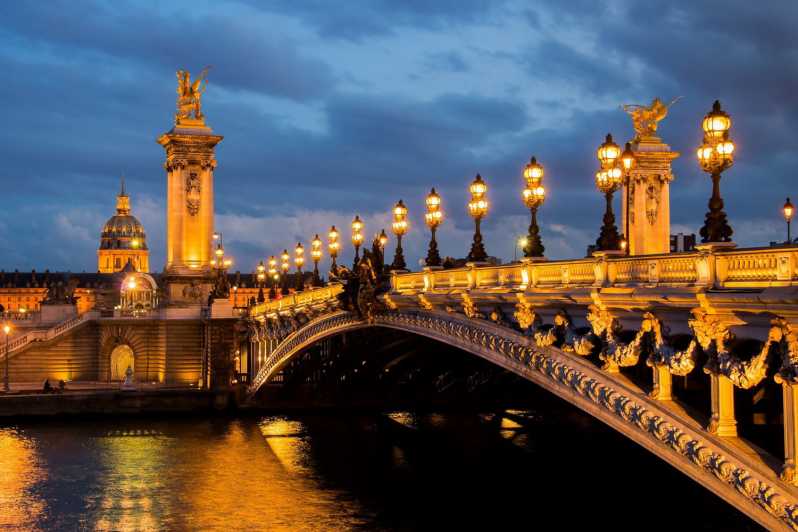
Paris at dusk is when the city stops acting like a postcard and starts acting like a movie set. That’s the big appeal here: the tour is built around how the main sights look when they’re lit up, not how they look in broad daylight. You get a focused night route without spending your evening hopping between far-apart neighborhoods.
The other reason I like this style of tour is the pacing. You’re walking, yes, but the stops are structured: photo moment, then a visit and guided talk (often around 15 minutes at each key point). That rhythm keeps you from feeling like you’re just marching from one “important building” sign to the next.
Finally, this is one of those tours where the guide matters. The strongest feedback centers on guides such as Maria and Marisela—good communication with the group, clear explanations, and a sense of humor. When a guide is that good, you actually come away with a mental map of what you’re seeing.
You can also read our reviews of more walking tours in Paris


Route overview: from Opéra Garnier to Soul Bridge
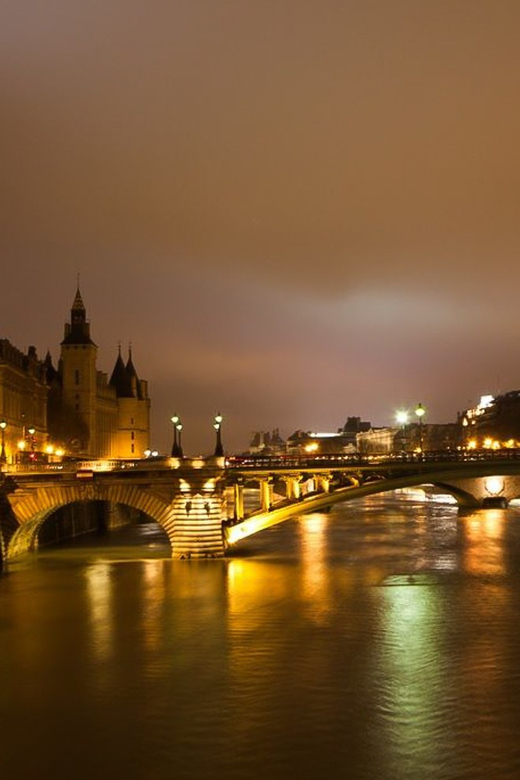
The walk starts near Palais Garnier (with meeting points that may vary depending on which start option you book). From there, the route is designed to take you through some of Paris’s most recognizable illuminated views, moving steadily toward the Seine.
You’ll work through major stops that include:
- Opéra Garnier (photo stop, visit, guided tour)
- La Madeleine (with that Roman-style look highlighted)
- Place de la Concorde
- Champs-Élysées (framed as one of Paris’s most important avenues)
- Grand Palais and the surrounding area including Petit Palais
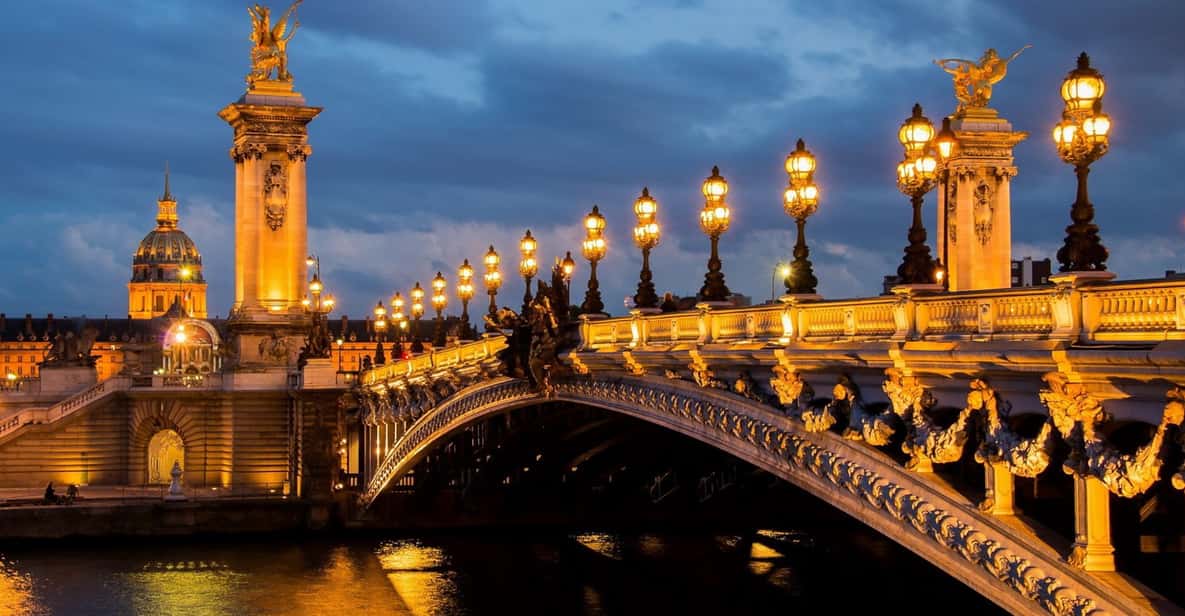
- Pont Alexandre III
- Les Invalides (noted here as the place where the remains of Napoleon are found)
- And finally, Soul Bridge, which crosses the Seine River, where the tour ends
Along the way, you also pass major presidential and civic landmarks mentioned in the overview, including Élysée Palace, the seat of the French Republic’s presidency. Even if you’re not going inside, seeing that building in night lighting gives you a different scale sense of Paris—more ceremonial, less day-to-day.
Stop-by-stop: what you’re really getting at each illuminated sight
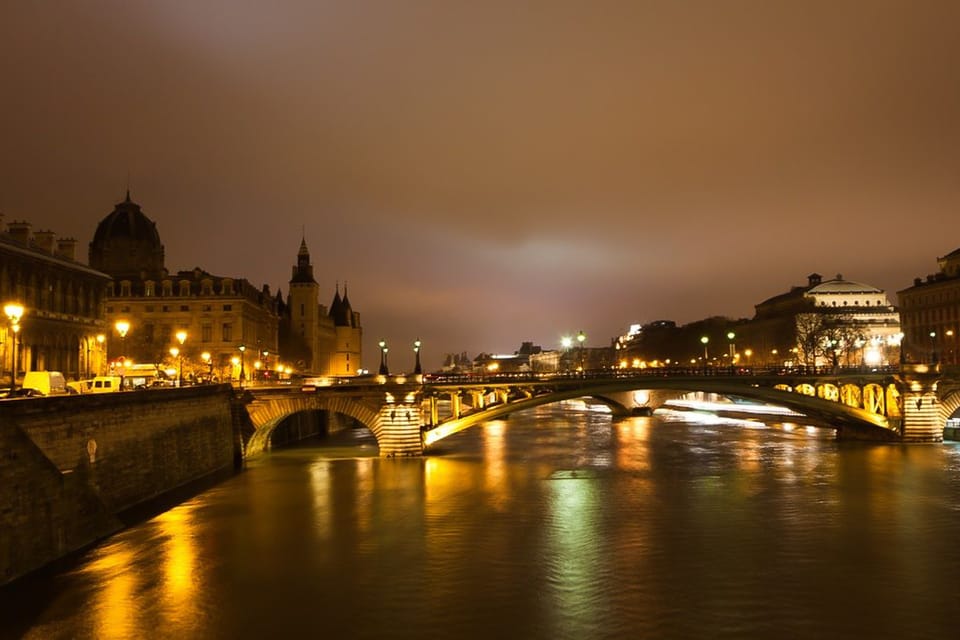
This tour is built around exteriors and street-level viewing. So the goal at each stop isn’t to collect tickets—it’s to look correctly. Here’s how to get the most from the time at each major point.
Opéra Garnier: start with the grand stage lights
Opéra Garnier is your launchpad. You get a photo stop plus a guided visit and short explanation, which matters because it sets the theme for the rest of the evening. At dusk, that building tends to look more theatrical than “just architectural.” Let the guide’s story help you see what’s in front of you, not what your brain assumes from daytime photos.
Practical tip: have your camera ready, but don’t park your feet in the same spot the whole stop. Night lighting can look different with a step or two.
La Madeleine: notice the Roman-style cues
Next comes La Madeleine, where the tour specifically points out its Roman-style architectural feel. At night, that kind of design language reads clearly because shadows and highlights do some of the work for you. The guide’s job here is simple: help you connect the look to the style so it feels less like random pretty stone.
Why it’s valuable: it’s one thing to see a church. It’s another to understand what you’re looking at while the lights are on.

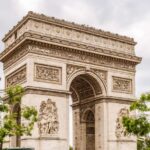
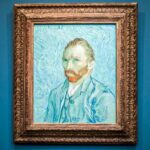


Place de la Concorde: the big open moment
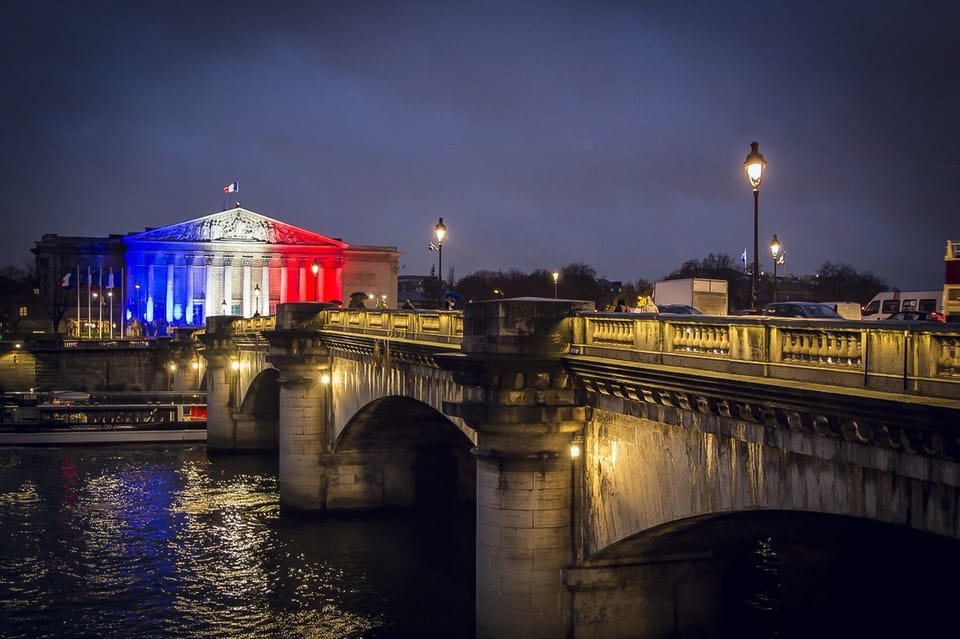
Then you move through Place de la Concorde for another photo stop and guided talk. Open squares are great on a night tour because light spreads out. You’ll often get better overall city context here than in tight streets, since the illumination shows how Paris “frames” the monument.
What to do: take a wide shot first, then zoom or crop later. You’ll thank yourself when you’re editing.
Champs-Élysées and the royal road feeling
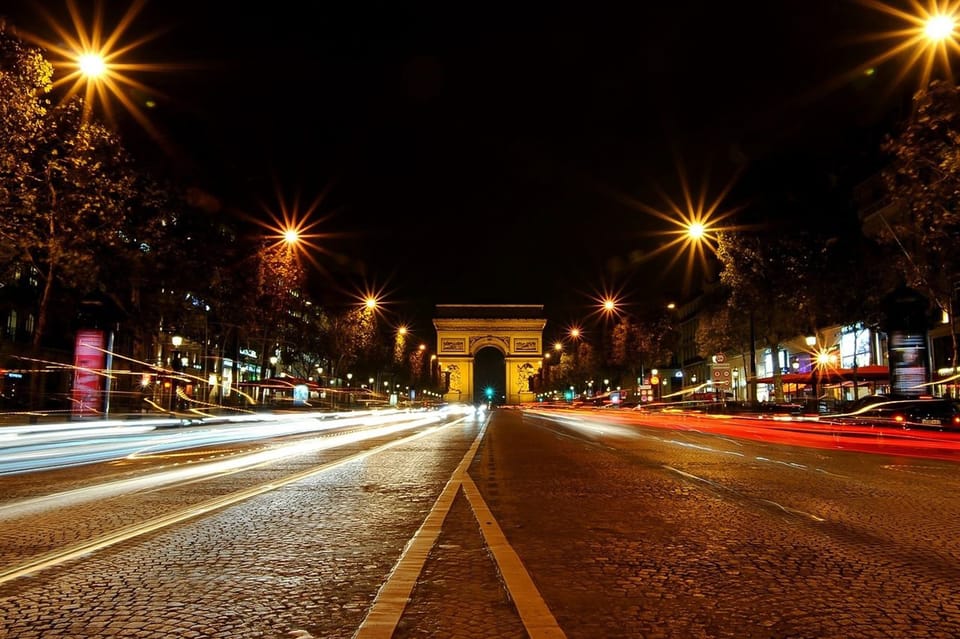
The walk brings you to the Champs-Élysées, highlighted as one of the most important avenues in Paris. In the evening lighting, that avenue can feel grand in a way daytime traffic can blunt. The tour structure gives you time to stop, listen, and look up, rather than just pass through.
Grand Palais and the Petit Palais area: a photo-friendly cluster
From Champs-Élysées, you head toward the Grand Palais. The overview also includes the Petit Palais as part of the broader surroundings you’ll see in the same general area. This is a smart stop for night viewing because the buildings catch light from multiple angles.
Small strategy: if you’re with a camera, look for the side that shows reflections or contrast. Night photos can reward patience.
Pont Alexandre III: the crossing view payoff
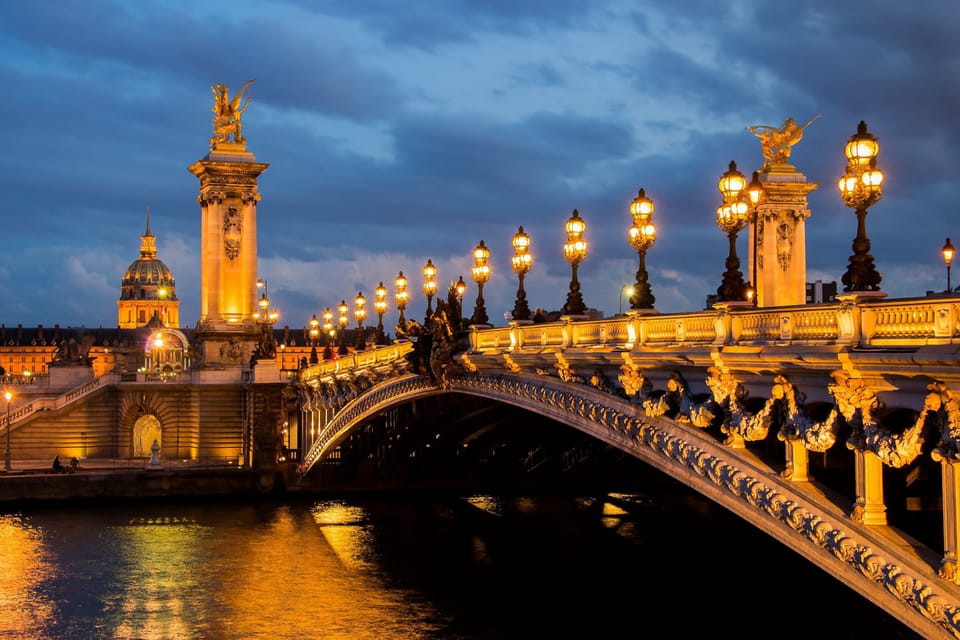
Next up is Pont Alexandre III, where you get photo moments and guided explanation. A bridge is a natural “pause and reset” point on a walking tour. You’re high enough to frame multiple directions, but close enough to appreciate what’s lit and why it looks dramatic.
Les Invalides: history you can locate
Then you reach Les Invalides, described as the place where the remains of Napoleon are found. Even without going inside, this stop lands because it’s anchored in a specific historical identity the guide shares during your time there.
Why it sticks: most night tours rely on scenery. This one ties scenery to a concrete historical point, so your memory has something more than lighting.
Soul Bridge: ending with the Seine in view
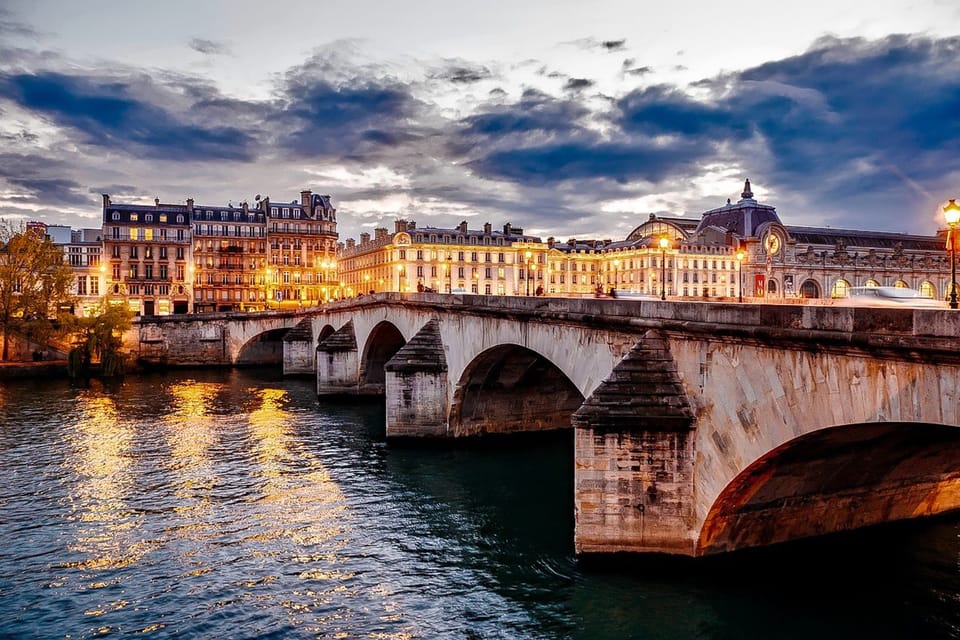
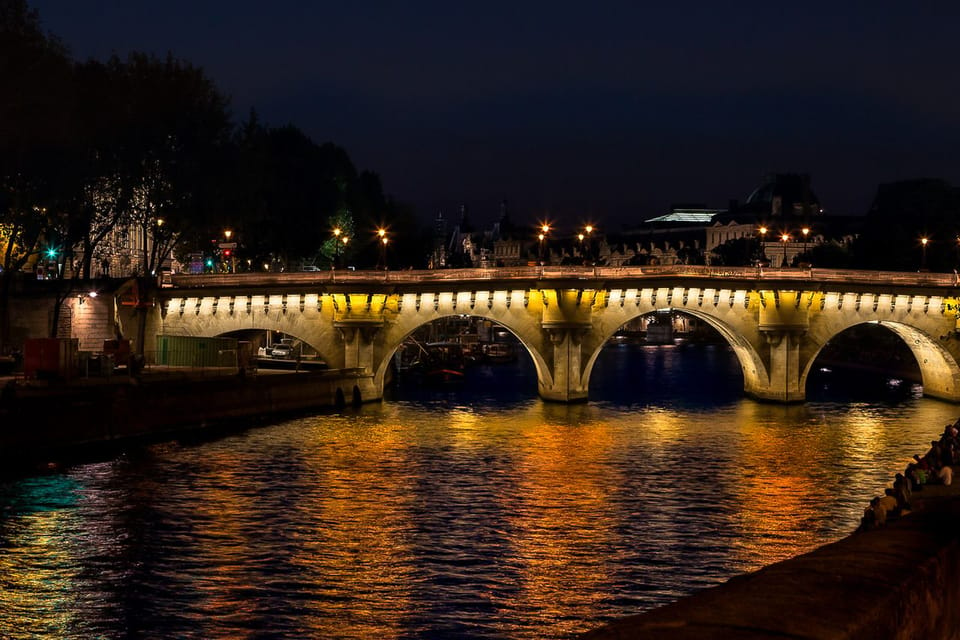
The route ends at Soul Bridge, which crosses the Seine River. Ending near water is a smart choice: it gives you a clear final scene and a natural spot for photos. It also helps you transition smoothly to whatever you want to do next—wander, grab a drink, or move on to another part of the city.
Optional Seine cruise: how it changes the whole evening
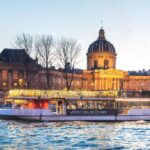
The walking tour works on its own, but the optional Seine add-on is where the experience goes from great to complete. After you’ve spent hours looking at Paris illuminated from land level, the cruise gives you a new angle: the same monuments and banks often look more connected when you’re afloat.
You also get a choice that actually matters in practice: the Seine cruise has covered and uncovered options. If you want to stay comfortable in cooler weather, covered is the safer bet. If you’d rather soak up the night air and wide views, go uncovered.
How to think about it: the walking part is structured viewing with a guide. The boat part is more about time on the water, letting the lights and reflections do the talking.
Price and value: what $14 buys you in the real world
At $14 per person, this is one of those deals that feels almost too simple—especially because you’re getting an official guide and a route that hits multiple major sights. You’re not paying for museum-style entry tickets here, and that’s important to understand up front.
Here’s what the price is really covering:
- a guided route built for dusk illumination
- enough structured stops to slow you down and make the night make sense
- an option to add a Seine cruise afterward
And here’s what it is not covering:
- entrance to monuments (so you should plan your expectations around exteriors)
- food and drinks
- transport (you’re doing the walking, then handling the next step yourself)
So the value is strongest if you want a guided, scenic night plan and you don’t need to enter buildings. If you’re set on indoor visits, you’d need extra time and separate ticketing.
What the guide does (and why Maria and Marisela get noticed)
The most praised part of this experience is the guide. Feedback highlights that guides like Maria and Marisela are:
- polite and accommodating
- good at communicating with the entire group
- strong on historical explanation
- capable of adding humor without turning the tour into a lecture
That matters because the route includes several major landmarks in quick succession. Without a guide who can keep things clear, night walking tours can blur together. With a guide like this, the stories stick because they’re spoken in a way that fits the pace.
Language is also straightforward: tours run with live guides in Spanish and English. If you prefer one of those languages, you can plan around your comfort level.
Timing, walking comfort, and what to bring
This is a 2–3 hour walking tour. That window is long enough to feel like an evening plan, but short enough that you still have energy left for dinner or a cruise add-on. Because it’s walking, footwear matters. Bring comfortable shoes you can stand and walk in at dusk.
Also bring cash. The tour info lists it as something to have on hand, so don’t count on a perfectly cashless evening.
If you’re booking as part of a cruise-ship style option, there’s an extra detail to be aware of: you receive cruise tickets before the activity. Those tickets can be used that same day if there’s availability, or during the following two years. If the Seine cruise can’t be done right after the tour due to availability, you should still be able to use the tickets for another time and day. That flexibility is useful if your schedule is tied to a port stop.
Who should book this illuminated walking tour
This tour is a great match if you:
- want a structured night plan instead of wandering blindly
- like historical context that stays understandable while you’re walking
- want to see major Paris sights lit up, especially around the Opéra Garnier → Champs-Élysées → Invalides arc
- value a strong guide presence (the Maria/Marisela style is a big part of the appeal)
It might not be the best fit if you:
- mainly want indoor museum time (entrances aren’t included)
- hate walking at dusk or want a very sedentary experience
- need transport included as part of the price
Should you book it?
If your goal is a simple, high-impact Paris night route with a real guide, I think this is an easy yes. The price is low for what you get, and the ending at Soul Bridge plus the option for a Seine cruise gives your evening a satisfying finish.
Book it when you want: illuminated sights, guided explanations in Spanish or English, and an organized flow you can trust. Pass on it if you’re chasing indoor entrances and ticketed monument access, because this plan is about what you see outside at dusk.
FAQ
How long is the Paris Illuminated Walking Tour?
The duration is listed as 2 to 3 hours.
Where does the tour start?
The starting point can vary depending on the option you book. It may start at LOOKEVEN, 10 Pl. de l’Opéra, or near Palais Garnier.
What sights are included on the walk?
The itinerary includes Opéra Garnier, La Madeleine, Place de la Concorde, Champs-Élysées, Grand Palais, Pont Alexandre III, and Les Invalides, and it ends at Soul Bridge.
Does the tour include entrance fees to monuments?
No. Entrance to monuments is not included.
Is an English-speaking guide available?
Yes. The guide language options are Spanish and English.
Can I add a Seine boat trip?
Yes. You can choose to include a boat trip on the Seine when booking.
Is the Seine cruise covered or uncovered?
The cruise has both covered and uncovered options.
What should I bring for the tour?
You should bring comfortable shoes and cash.
Is the tour wheelchair accessible?
Yes, the tour is listed as wheelchair accessible.
What is the cancellation window and can I pay later?
Free cancellation is available up to 24 hours in advance for a full refund. There is also a reserve now & pay later option, where you can book and pay nothing today.