REVIEW · PARIS
Paris: Guided Champagne & Food Tour in St-Germain-des-Pres
Book on GetYourGuide →Operated by My Winedays · Bookable on GetYourGuide
A stroll through Paris turns classy fast. This Paris Champagne & food tour puts you in Saint-Germain-des-Prés with a walking route, shop stops, and a final tasting in a cellar that actually teaches you how Champagne pairs with real food. I especially love the “Art de Vivre” feel of the neighborhood, and I like how the tasting is built around choices you can understand, not just sips you chase.
One possible drawback: if you’re expecting a heavy meal-style experience up front, the pacing can feel more like tasting-and-learning first, with the most focused pairing moment landing near the end.
In This Review
- Quick hits before you go
- Entering Saint-Germain-des-Prés the right way: not just a sip, a route
- Starting at Les Deux Magots: the meeting point that sets the tone
- The shop-to-shop tasting: how the 6 delicacies create a full picture
- The Champagne styles: what “different” should taste like
- The cellar finale: pairing lessons you’ll actually use
- What the timeline feels like: 3 hours of walking with a reason
- Group size and conversation: why max 10 matters
- Price and value: is $163 worth it?
- Who this tour suits best (and who should pass)
- Practical tips to get the most out of your tastings
- Should you book this Saint-Germain Champagne & food tour?
- FAQ
- Where do I meet the guide?
- How long is the tour?
- How many Champagnes will I taste?
- Are there food stops during the walking portion?
- Is there a cellar stop?
- What group size should I expect?
- What languages are offered?
- Do I need to bring anything?
- Are gratuities included in the price?
- What if the tour doesn’t run due to minimum passengers?
Quick hits before you go
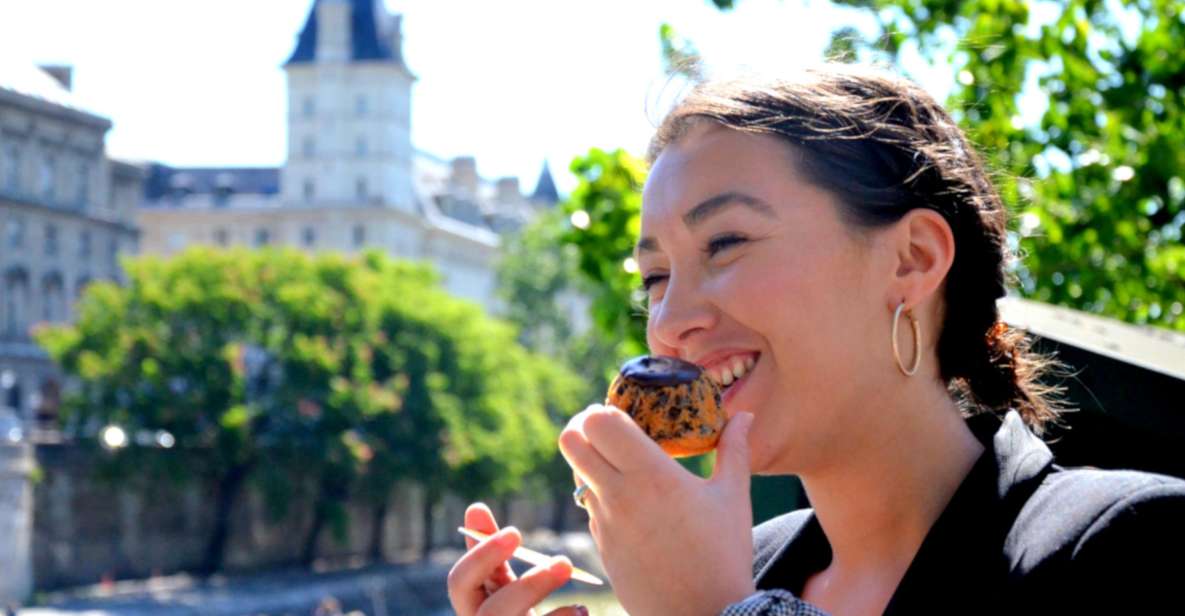
- Saint-Germain-des-Prés on foot: small streets, classic Paris shopping, and café-to-café context.
- 3+ Champagnes in one session: enough variety to notice style differences.
- Six delicacies from local shops: cheese, bread, and pastries picked up along the way.
- Cellar pairing finale: you taste Champagne with food and learn the logic behind it.
- Small group (max 10): easier conversation with the guide and fewer rushed tastings.
- Raphael is a standout guide: multiple bookings specifically praise his stories and Champagne focus.
Entering Saint-Germain-des-Prés the right way: not just a sip, a route
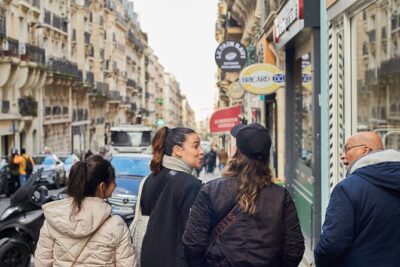
Saint-Germain-des-Prés is one of those neighborhoods where the streets do part of the work for you. It feels built for wandering—narrow lanes, bookish corners, cafés, and small shops that look like they’ve served locals for years. Instead of treating Champagne like a stand-alone attraction, this tour uses the neighborhood as the framework. You walk, you stop, you taste, and you get the cultural background that makes Champagne feel less like a novelty and more like French habit.
What I like most is that you’re not locked into a tasting room with a single flight. You get a sequence: you gather food from distinct places, then you see how it all ties together in the cellar. That structure helps you remember what worked and why.
You can also read our reviews of more food & drink experiences in Paris

Starting at Les Deux Magots: the meeting point that sets the tone
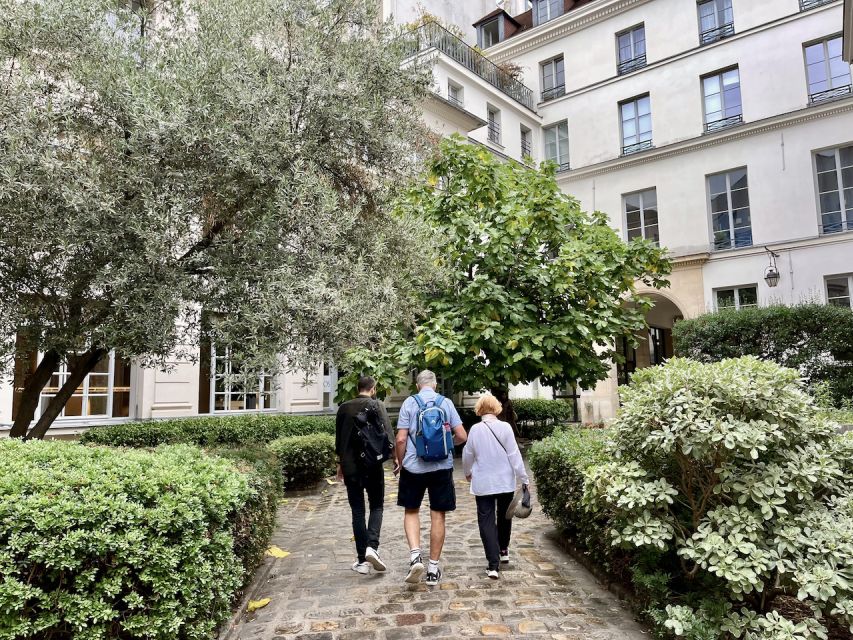
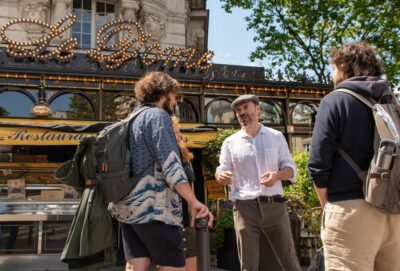
You meet your guide in front of Les Deux Magots. It’s a famous brasserie, and it’s a smart choice. You get oriented in the heart of the area without the stress of finding some random back-alley doorway. From there, the tour turns into a guided walk with photo stops and short explanations about French culture and gastronomy as you go.
This is one of those moments where the guide matters. In a few recent experiences, Raphael stood out for mixing street-level observations with Champagne know-how. If your guide has that same mix, you’ll feel like you’re learning while still enjoying the walk, not studying while you’re hungry.
Tip: wear comfortable shoes. This is a walking tour, and the tastings won’t slow you down enough to make blisters feel like an “option.”
The shop-to-shop tasting: how the 6 delicacies create a full picture
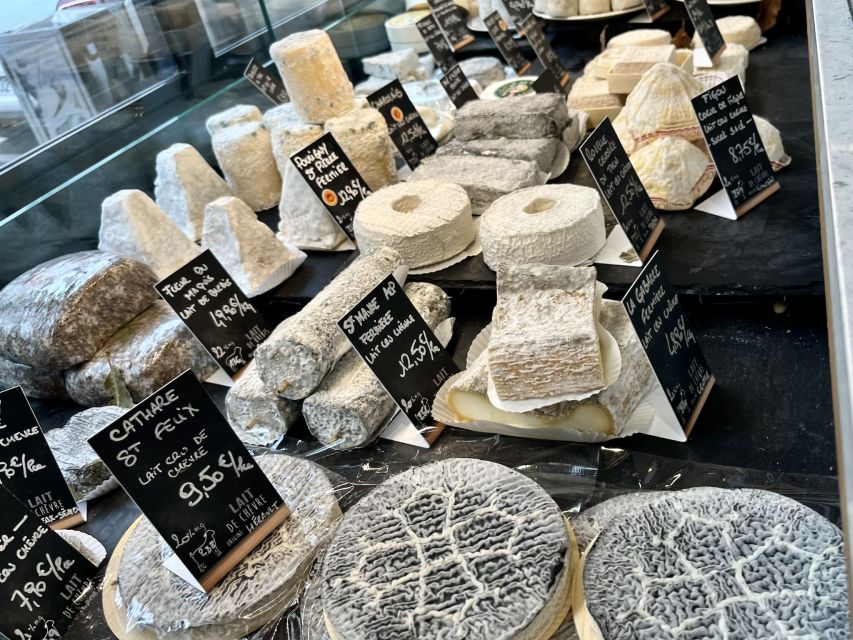
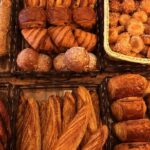
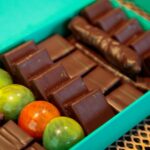
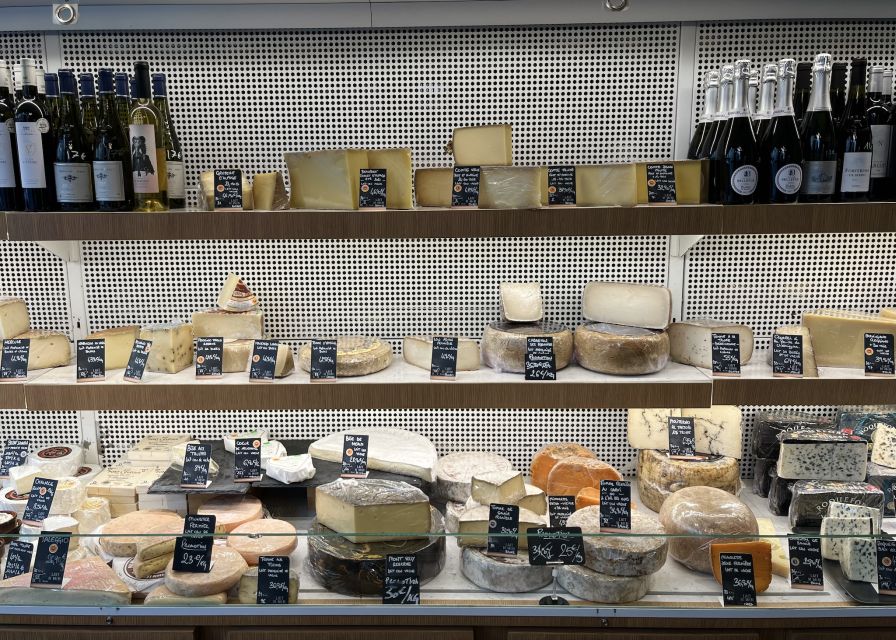
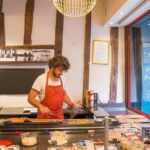
The middle of this tour is the fun part—five local shops, collecting six different delicacies that you’ll pair with Champagne later. The route is designed so each stop has a job. One stop builds the dairy side of the tasting (cheese), another supports the bread-and-salt angle, and another brings in pastries, including a stop at Maison Mulot.
Here’s how to think about it as you’re tasting:
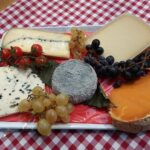
- Cheese helps you track acidity and texture. With Champagne, you can notice how bubbles cut through fattiness.
- Bread gives you a neutral base so the Champagne flavors don’t compete with strong food.
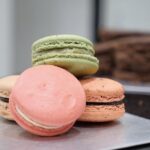
- Pastries (including what one guest described as a macaroon) help you see which styles of Champagne handle sweetness better.
You won’t just get snacks thrown at you. The tastings are meant to teach pairings—basic, practical rules you can reuse the next time you’re shopping or ordering.
Now, for balance: one experience raised a concern that the tour felt more like a history walk with a light snack until the end. That’s not the direction the itinerary promises, so if you want more food earlier, arrive with clear expectations: this is still a guided walk through Saint-Germain first, and the deeper pairing moment is saved for the cellar.
The Champagne styles: what “different” should taste like
This tour includes tastings of at least 3 Champagnes. Even if you’re not a Champagne expert, this is where you start building your own preferences. The goal isn’t to memorize grapes or villages—it’s to notice how styles shift in your glass.
As you taste, pay attention to three things:
- Acidity: does it sharpen the flavor or soften it?
- Bubbles and texture: do the bubbles feel lively and tight, or smoother and round?
- Food match: which Champagne made the food taste better, not just different?
One of the most praised parts in recent feedback is the focus on smaller-house Champagne, with a guide who helped guests think through what matches best. If you’re tired of only hearing brand names, this part can feel like a reset.
The cellar finale: pairing lessons you’ll actually use
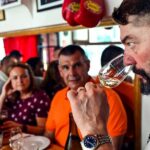
Your last stop is a local wine cellar for a food-and-Champagne pairing. This is where the tour turns from walking-and-shopping into a more structured tasting lesson.
In the cellar, you’ll learn about Champagne in a practical way—how it works with food, and what to look for when you’re tasting. That matters because Champagne is tricky if you treat it like plain white wine with bubbles. Pairing is the point. Bubbles can lift flavors. Acidity can refresh after rich bites. And different Champagne styles can handle sweet, salty, creamy, and buttery foods in very different ways.
One guest specifically described an excellent pairing experience that included prosciutto bread and cheese, plus a sweet finish. You may find the exact items vary by day, but the takeaway is consistent: the pairing isn’t random. It’s built to help you connect what you taste to what you ordered.
Also, a cellar has atmosphere. Even when you know you’re going to taste, being in a working wine space adds a layer of seriousness to what you’re doing. It’s a reminder this isn’t just about drinking—it’s about craft.
You can also read our reviews of more tours and experiences in Paris
What the timeline feels like: 3 hours of walking with a reason
The duration is listed as 3 hours. In one reported experience, the tour ran closer to 4 hours, so plan for the possibility that you’ll be out a touch longer depending on group pace and how long tastings run.
How it typically “feels”:
- You start with orientation and history-gastronomy context while walking.
- You move through shop stops and collect your delicacies.
- You end with the cellar pairing and Champagne learning.
This pacing is why the tour works for people who enjoy context, not only consumption. It can also explain the complaint from one booking: if you’re there for an early feast, you may want to snack lightly before you arrive. The tour includes multiple tastings and pairing, but it isn’t marketed as a multi-course meal where plates keep arriving nonstop at the start.
If you’re the type who hates being hungry, do yourself a favor and have a small pre-tour bite—then treat the tastings as the star.
Group size and conversation: why max 10 matters
This is a small group with a maximum of 10 people. That size is a sweet spot. You’re not hidden in a crowd, and you’re not waiting in line for every pour.
With a small group, you’re more likely to get answers to real questions. If you’ve ever watched someone ask something in a bigger group and then get ignored, you’ll appreciate the format here.
If Raphael is your guide, you may notice how he keeps the energy human—knowledge plus storytelling. The best part of guides like that is how they make Champagne feel approachable rather than intimidating.
Price and value: is $163 worth it?
At $163 per person for about 3 hours, the price isn’t cheap. But it’s not out of scale for a guided tasting tour in Paris, especially one that combines:
- Multiple Champagne tastings (3+),
- Food from several shops (6 delicacies),
- A cellar pairing experience,
- An English-speaking wine expert,
- And a small group size.
To decide if it’s worth it for you, match the tour to your travel style:
- If you love food, wine, and learning how to pair things, this price can feel fair because you’re buying both product (tastings) and guidance (explanations that help you choose better later).
- If you only want Champagne in the most efficient way—like, maximum drink volume for minimum walking—then you might feel the value is light. This tour is about the neighborhood and the pairing story, not pure alcohol quantity.
My practical take: if you’re planning to visit shops anyway, this route packages the tasting portion and adds the Champagne pairing education so you’re not paying for randomness.
Who this tour suits best (and who should pass)
This tour is a great match if you want:
- A classic Paris neighborhood walk with real shopping stops
- A Champagne intro that’s practical, not snobby
- Enough variety to help you choose what style you like
It may not be ideal if you:
- Want food to start heavy and fast
- Prefer a sit-down restaurant meal over shop hopping
- Dislike walking and prefer a shorter, more static experience
One extra note: the guide includes English, French, and Spanish. If you’re traveling with mixed language needs, that can help you all stay in the same loop.
Practical tips to get the most out of your tastings
These are small things that can make the experience smoother:
- Bring water habits (even if you can’t carry a bottle everywhere, sipping earlier helps).
- Go slowly through the Champagne. Pace yourself so you can actually taste differences.
- Eat the bread and cheese between pours, not after. It helps your palate reset.
- Ask one question in the cellar. With a small group, your guide can usually answer in a way that makes the lesson stick.
If you’re a Champagne lover, the tour can also change what you buy later. If you’re not, that’s fine too—the pairings and explanations help you build preferences without needing a wine background.
Should you book this Saint-Germain Champagne & food tour?
I’d book it if you want a fun, guided way to experience Saint-Germain-des-Prés through food and Champagne, with enough tastings to compare styles and enough structure to understand the pairing logic. The standout guide energy—especially with Raphael—can make the learning feel lively, not lecture-like.
I’d skip or adjust expectations if you’re chasing maximum food quantity early or you get frustrated by walking tours. A light history-and-stroll feel can show up depending on pacing, and the most focused pairing attention is saved for the cellar.
Overall, the value is best for people who enjoy food culture, want a real local-shop route, and like tasting with explanations you can reuse.
FAQ
Where do I meet the guide?
You meet your guide in front of Les Deux Magots.
How long is the tour?
The tour duration is 3 hours.
How many Champagnes will I taste?
You’ll taste at least 3 Champagnes.
Are there food stops during the walking portion?
Yes. You stop at five local shops to collect six delicacies for the final tasting.
Is there a cellar stop?
Yes. The tour ends at a local wine cellar for a food and Champagne pairing.
What group size should I expect?
The group is small, with a maximum of 10 people.
What languages are offered?
The tour has live guidance in English, French, and Spanish.
Do I need to bring anything?
You should bring comfortable shoes.
Are gratuities included in the price?
No. Gratuities are not included.
What if the tour doesn’t run due to minimum passengers?
The provider can cancel if the minimum number isn’t reached (4 people). If that happens, you’re offered an alternative or a full refund.