REVIEW · PARIS
Paris: Guided bike tour – Greatest monuments of the capital
Book on GetYourGuide →Operated by Paris Bike Tour · Bookable on GetYourGuide
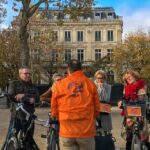
Paris is best seen by motion, not motion blur. This 3-hour bike tour strings together the capital’s biggest landmarks into one smooth route along the Seine. I like that it starts at the lively Centre Pompidou and then builds toward the classic postcard views, with real time to look and ask questions. You’ll also get a professional guide on hand the whole way, which makes the monuments easier to understand, not just to spot.
One thing to plan for: this is not a slow stroll. You need good cycling skills and comfortable shoes with solid grip, and the tour is only suitable for kids aged 12 and up.
In This Review
- Key highlights that make this ride worth it
- Why a 3-hour Seine loop feels like smart Paris value
- Meeting at 13 Rue Brantôme, then rolling fast from Centre Pompidou
- Centre Pompidou to Le Marais: start strong, then settle in
- Île de la Cité and the Notre-Dame bridge crossing
- Conciergerie stop: where the stories get specific
- Seine views to Musée d’Orsay and Musée du Quai Branly
- Place de la Concorde to the Tuileries Gardens: formal Paris in motion
- Grand Palais and the Louvre area: see it first, decide later
- Trocadéro photo stop and the Eiffel Tower break
- Chaillot, the left bank feel, and ending near Île Saint-Louis
- What’s included with the bike: comfort and weather basics covered
- Cycling skills and shoes: the one real caution
- The guide makes the monuments make sense
- Planning your day around the ride
- Should you book this Paris bike tour?
Key highlights that make this ride worth it
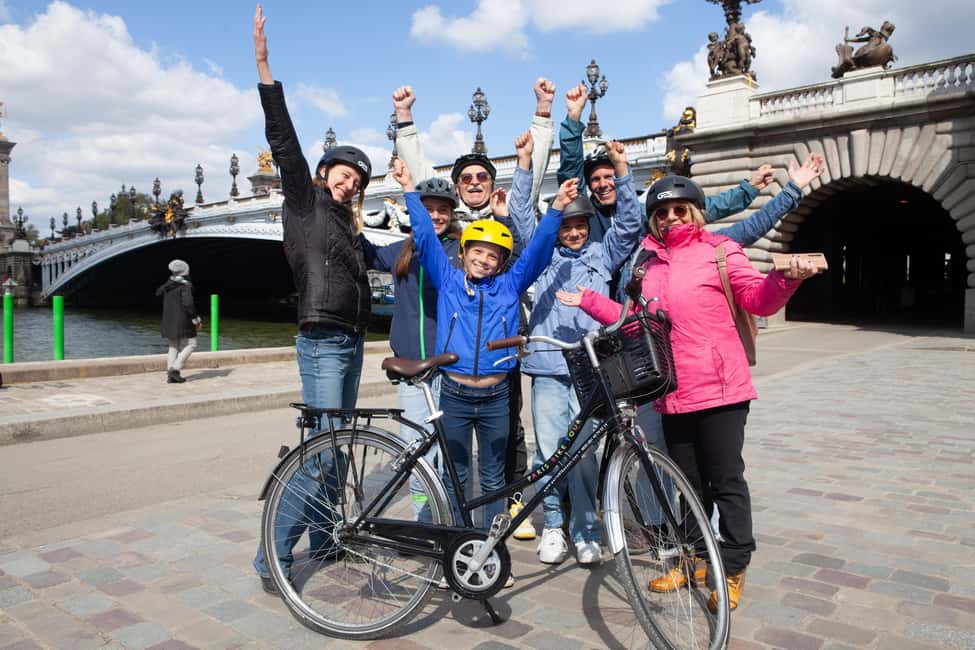
- Centre Pompidou start gives you momentum fast, with an easy entry point near Rambuteau metro
- Seine crossings + islands help you understand how Paris is shaped, not just where famous buildings sit
- Notre-Dame and Conciergerie views come with names and context, including Marie Antoinette’s last days at the Conciergerie
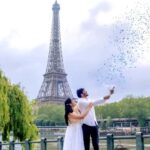
- Eiffel Tower timing includes a focused break with a classic view from the Trocadéro area
- Tuileries Gardens and the Louvre axis lets you connect the formal gardens to the art powerhouse nearby
- Bike comfort gear is included: helmet, rain poncho, basket, and a city bike fit for the route
Why a 3-hour Seine loop feels like smart Paris value
Three hours is a very workable slice of time in Paris. It’s long enough to cover major sights in the center, but short enough that you’re not exhausted before dinner. The route is built around the banks of the Seine, which are a UNESCO World Heritage Site (listed since 1991). That matters because the river isn’t just scenery. It’s the spine of the city, and the landmarks line up in a way you don’t always notice when you hop on and off buses.
At about $51 per person for a guided ride, the value comes from the mix: guided commentary plus a lot of iconic “I can’t believe I’m here” moments in one outing. You’re not paying for museum entry in a fixed timetable; you’re paying for guided orientation and views over the river while you travel efficiently between neighborhoods.
You can also read our reviews of more cycling tours in Paris

Meeting at 13 Rue Brantôme, then rolling fast from Centre Pompidou
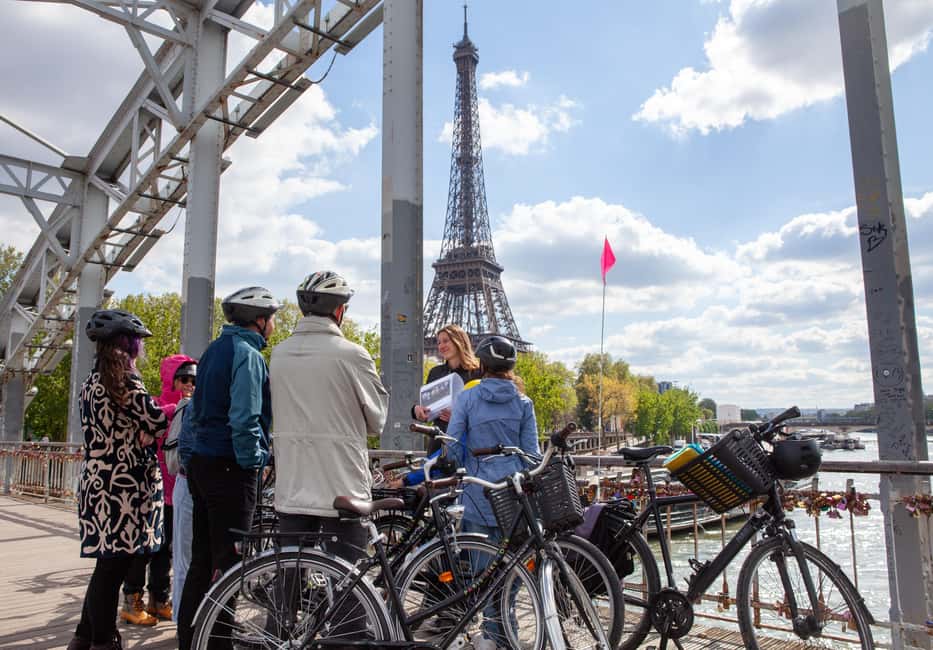
The meeting point is at 13 Rue Brantôme, near Rambuteau metro station, a short 2-minute walk from Centre Pompidou. I like this kind of start because it gets you out of the maze of far-away bus stops. You’re near a major hub, and the tour begins at a place that feels “central Paris” rather than a sleepy departure point.
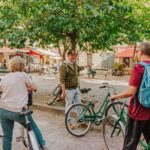
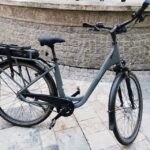
Once you’re geared up, you’ll be on a city bike (with a helmet and a basket). That combination is practical: helmets reduce stress, and a basket means you can keep hands free while you hold phones, water, or small camera gear.
Centre Pompidou to Le Marais: start strong, then settle in
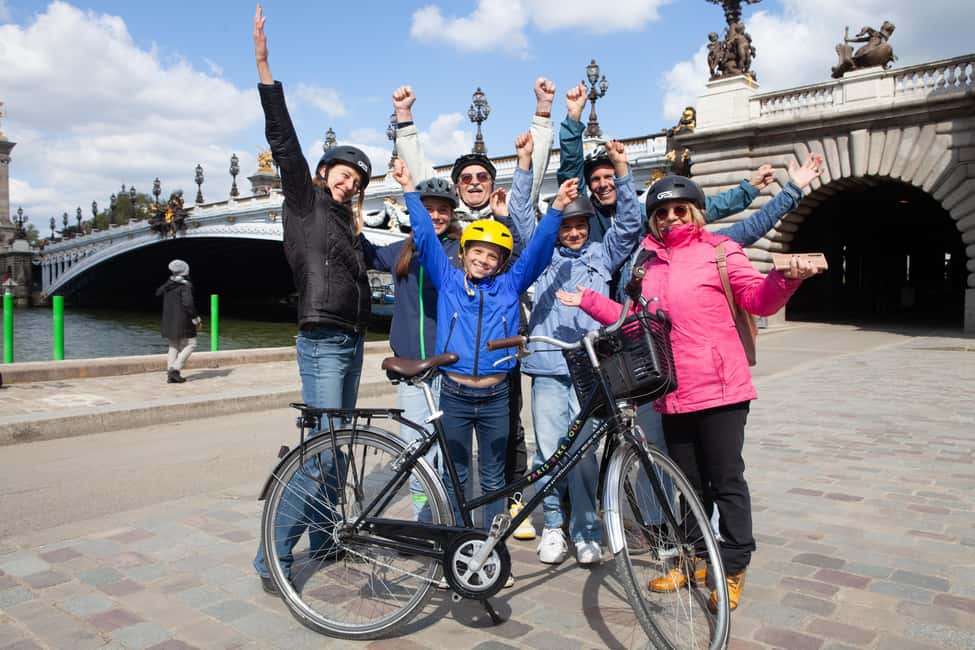
The first part of the ride sets the tone. You start right by Centre Pompidou, then head toward Le Marais. Le Marais is one of those areas where you can’t help but slow down for details. From the bike, you can move at a pace that still lets you take in the streetscape, without getting stuck in walking bottlenecks.
This portion is also a good “warm-up” in real cycling terms. It helps you get comfortable before the route turns more river-focused and sight-heavy. If you’re the type who likes to know what you’re looking at, a guide here is a big deal, because Paris landmarks make more sense when you understand which neighborhood you’re crossing and why.
Île de la Cité and the Notre-Dame bridge crossing
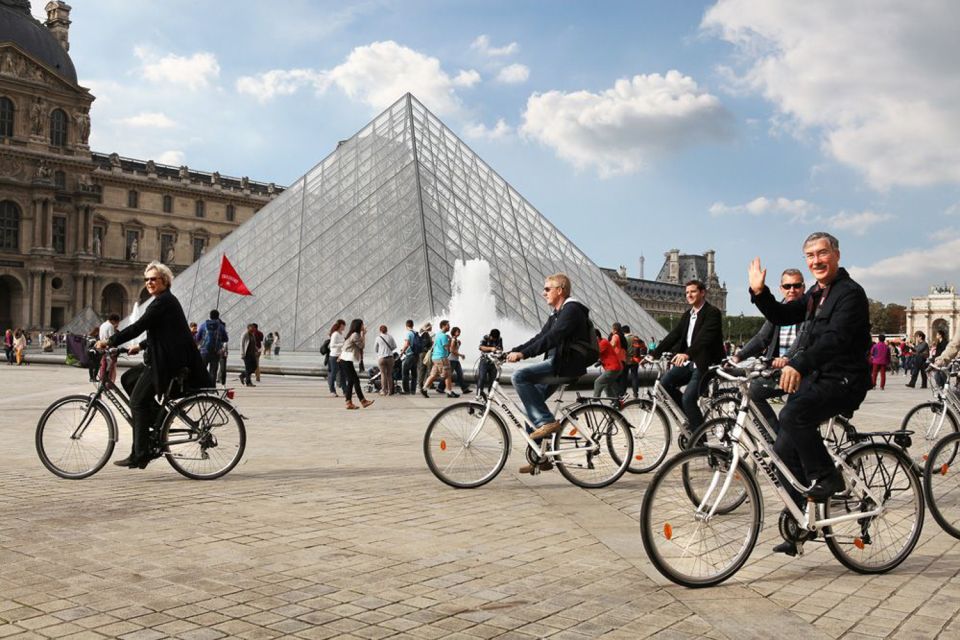
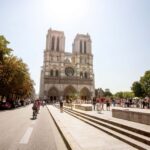
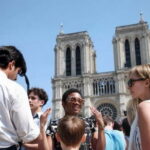
Crossing toward Île de la Cité is where Paris starts to look like Paris. The route is designed to put Notre-Dame Cathedral into your field of view in a way that feels immediate, not like a distant silhouette you might miss.
You also get the benefit of crossing bridges and seeing how they connect the city’s islands. After crossing the Notre-Dame bridge, the scenery shifts into a more classic “river viewpoints” mode. This part is valuable because it’s a quick visual history lesson: you’re seeing how Paris was built around crossings, not around straight lines.
Conciergerie stop: where the stories get specific
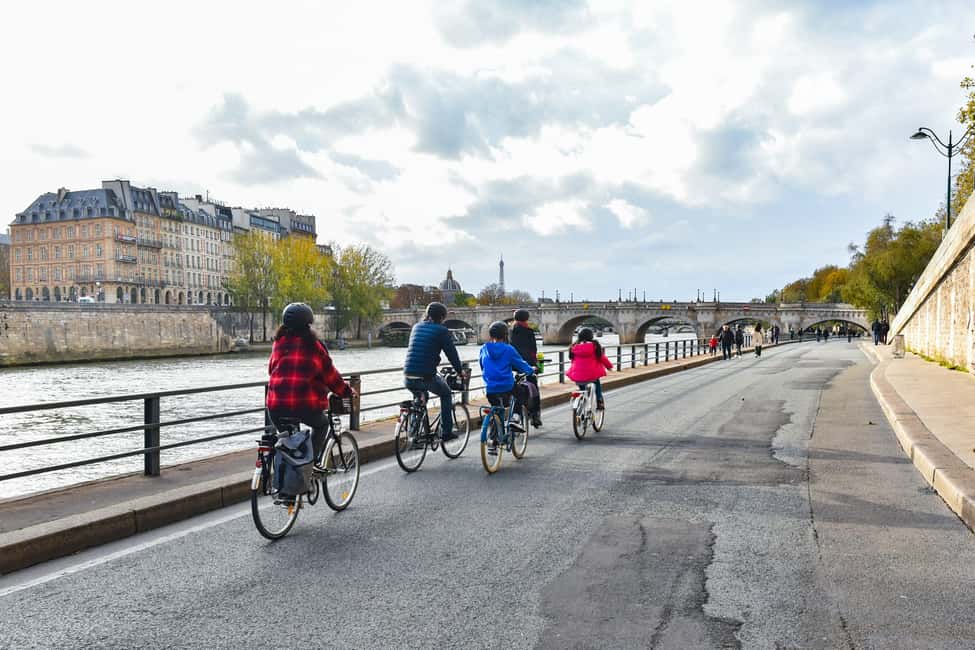
One of the most compelling parts of the ride is the segment that passes the Conciergerie, tied to Marie Antoinette’s last days. Even if Notre-Dame is the big headline, the Conciergerie adds a sharper edge to the story.
I like that the tour doesn’t treat the river like a smooth background. It turns specific buildings into conversation topics: what they were, why they mattered, and what you’re seeing from the bike.
You can also read our reviews of more guided tours in Paris


Seine views to Musée d’Orsay and Musée du Quai Branly
As you continue along the river, the tour transitions from the most obvious monuments to the “you’re right here, look closer” side of Paris.
You’ll discover Musée d’Orsay as part of the ride, plus the green wall of Musée du Quai Branly. That green wall detail is exactly the kind of thing that’s easy to miss from street level, but obvious when you’re moving alongside the river and getting angled views. It’s not just pretty; it gives you a different feel for how the city works—architecture, design, and landscape used together.
If you’re trying to get beyond the checklist version of Paris, this is one of the stronger stretches.
Place de la Concorde to the Tuileries Gardens: formal Paris in motion
The route connects you to the Place de la Concorde, described in the tour as the largest royal square in Paris. From a bike, that square gives you a sense of scale quickly—you don’t have to search for sightlines.
Then you roll into the Tuileries Gardens area. The value here is the pairing: the gardens are a major Paris experience on their own, and they also function like a runway toward the Louvre. You get to see the flow between the green space and the art-world landmark without spending hours in transit.
Short hop-on style breaks (about 10 minutes at key points) help you catch photos or re-position yourself without turning the tour into a slow queue.
Grand Palais and the Louvre area: see it first, decide later
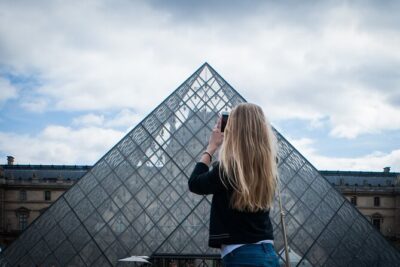
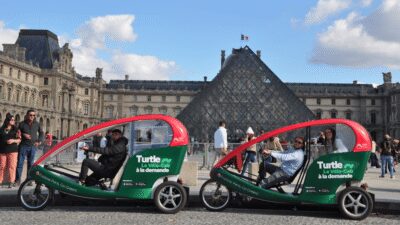
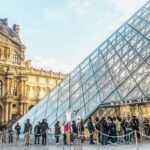
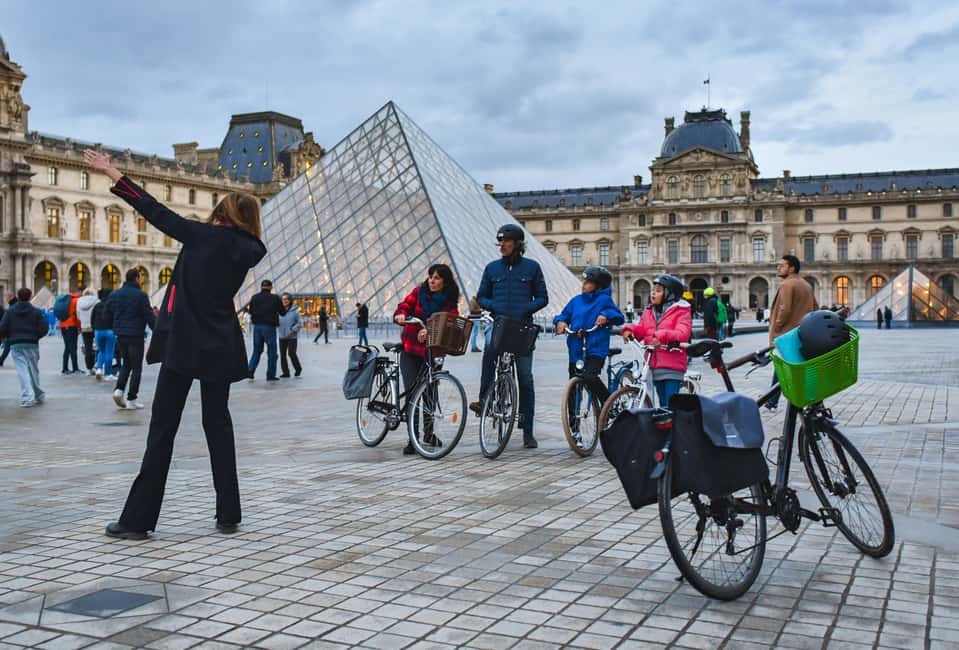
Passing Grand Palais and moving toward the Louvre keeps the momentum going. The Louvre is big enough that it’s easy to overplan a first visit, so I like that this tour gives you a “first look” moment rather than asking you to absorb everything in one day.
If your goal is to understand where the Louvre sits in the broader geometry of central Paris, the bike route helps. You’re seeing the surrounding monumental space, not just the museum facade in isolation.
Trocadéro photo stop and the Eiffel Tower break
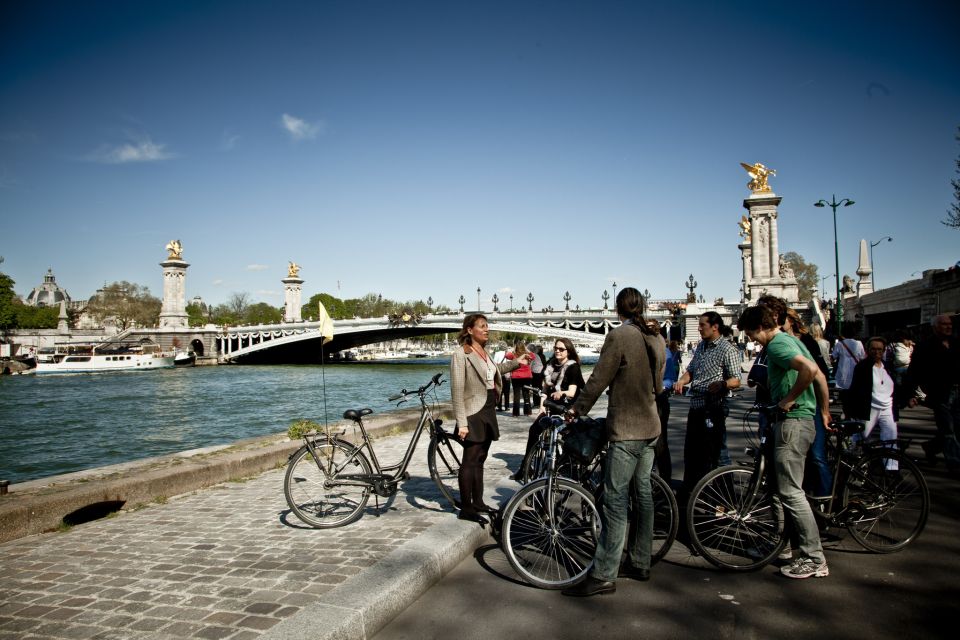
This is the part most people remember. You get a photo stop at Place du Trocadéro (about 10 minutes). It’s the kind of vantage point where you can set up your shots without needing to scramble through crowds on foot.
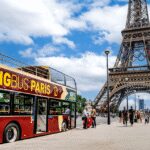
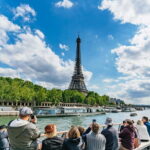
Then you reach the Eiffel Tower area with another guided stop (also about 10 minutes hop-on). The point isn’t to spend hours. It’s to get the view, feel the scale, and reframe the Eiffel Tower in your mind from landmark to location—how it relates to bridges and river angles, not just how it appears in photos.
Chaillot, the left bank feel, and ending near Île Saint-Louis
You’ll also pass through the Chaillot area, including Chaillot Palace with a shorter guided stop (about 5 minutes). This is a useful stop because it connects the Trocadéro viewpoint with the broader west-side river views.
Then you’ll continue toward Île Saint-Louis, where the tour ends back at the original meeting point at 13 Rue Brantôme. Ending near the islands works well because it reinforces the idea that Paris is a set of connected pockets. You’re not just circling the river; you’re learning how the city’s islands and crossings shape what you see.
What’s included with the bike: comfort and weather basics covered
This tour includes several things that make a difference in real life:
- A city bike suited to riding in central Paris
- Helmet (provided)
- Rain poncho (provided)
- Basket for small items
- Child seat (max 25kg)
I like that the rain plan is built in. Paris weather can change fast, and having a poncho means you can keep moving without improvising. And the helmet removes one of the biggest mental friction points for first-time riders.
What’s not included is food and drinks, so you’ll want to bring water and plan a snack if you get hungry during the ride.
Cycling skills and shoes: the one real caution
The tour is clear about this: good cycling skills are required. That’s not a scare line. It affects what kind of riders will feel comfortable.
From the guidance you’ll want to take seriously, plan on riding confidently at city speed and handling stops smoothly. Shoes matter too. The bikes are described as decent, but you need footwear with very good grip. If your shoes are slick or you’re wearing sandals, this is not the day to learn that lesson.
Also note the age fit: it’s suitable for children aged 12 and over, and it’s not suitable for children under 12.
The guide makes the monuments make sense
A bike tour is only as good as its “why.” The best part here is the professional guide. The route has a lot of iconic stops, and a good guide turns those stops into understanding.
One guide name that shows up as a standout is Felix. In particular, I like the way the tour is described as interactive: he answers questions, shares what he knows, and is transparent when something is obscure. That honesty builds trust, and it also makes the tour feel less like a script and more like a conversation.
If you’re the type who likes context—why Marie Antoinette ended up at the Conciergerie, or how the Seine shaped movement—this is where the time investment pays off.
Planning your day around the ride
Because the tour is about movement and sightlines, you’ll have more fun if you treat it like a first “orientation pass” rather than a museum day.
Here’s how I’d set up your day based on what’s included and what isn’t:
- Bring water and wear comfortable shoes
- Add a light snack plan since food and drinks aren’t included
- Take photos during the short hop-on style moments, especially around Trocadéro and the Eiffel Tower break
- If you want to explore a museum later, use this ride to decide what to return for
The tour is designed for a relaxed pace without feeling rushed, which helps if you’re visiting Paris for the first time and want a clean mental map after.
Should you book this Paris bike tour?
I’d book it if you want the greatest hits—Notre-Dame, the Louvre area, Tuileries Gardens, and the Eiffel Tower—without spending your whole day on trains, buses, or long walks. It’s also a great choice if you like guided explanations and you’d rather understand Paris as a connected river city than collect random photos.
I wouldn’t book it if you’re looking for a totally beginner, off-to-the-side cruising experience. The cycling skill requirement is real, and the tour works best for people who are comfortable riding in a busy urban setting. It also isn’t a fit for kids under 12.
If you book, look for a guide like Felix for the question-friendly, answer-when-you-can approach. Then show up with grippy shoes, water in hand, and a plan to enjoy the views in motion along the Seine.