REVIEW · PARIS
Paris : Private guided tour in Rickshaw bike – Napoléon
Book on GetYourGuide →Operated by GoTurtle · Bookable on GetYourGuide
Two wheels can make Paris feel close. This private pedicab tour turns major landmarks into a quick, comfortable circuit with an extra-wide 180° view and built-in photo breaks. I especially like how the route hits big sights without the bus-style chaos, and how the driver keeps things moving along cycle lanes. One consideration: the experience depends a lot on the driver’s language clarity and pacing, so it helps to confirm your drop-off point and spoken language before you start.
For $23 per person, you’re buying convenience: a private ride for up to two people, a live guide/driver, and a weather-ready setup that keeps the tour going rain or shine. If you want a fast hit of Paris monuments plus real viewpoints for photos, this style of tour is a smart use of time—just keep expectations aligned with a 30-minute or 1-hour route.
In This Review
- Key things to know before you ride
- Why a Napoléon-style pedicab tour feels different from the usual sightseeing
- Starting at Place de la Concorde: the best way to begin
- The 1-hour Napoléon route: 20+ landmarks and real photo time
- Hôtel de la Marine (photo stop)
- Champs-Élysées (photo stop)
- Arc de Triomphe (photo stop)
- Grand Palais (photo stop)
- Pont Alexandre III (photo stop)
- Les Invalides (photo stop)
- l’Assemblée Nationale (photo stop)
- Musée d’Orsay (photo stop)
- Pont des Arts (photo stop)
- Musée de la Monnaie (photo stop)
- Pont Neuf (photo stop)
- Notre-Dame Cathedral (photo stop)
- Hôtel de Ville (photo stop)
- Arc de Triomphe du Carrousel (photo stop)
- Louvre Museum (photo stop)
- Palais Garnier (photo stop)
- Rue de la Paix (photo stop)
- Place Vendôme (photo stop)
- Back to Place de la Concorde
- The 30-minute Mini Napoléon: quick hits for limited time
- What you’ll actually learn while you ride
- Riding comfort, pacing, and safety tips that keep things smooth
- Price value: why $23 can feel like a bargain
- Who this tour is best for (and who might want a different plan)
- Should you book this Napoléon pedicab tour?
- FAQ
- Where does the tour start?
- How long is the Napoléon pedicab tour?
- How many landmarks do you see on the 1-hour tour?
- Is there a pick-up service from a hotel?
- What languages are offered for the live guide?
- What languages are available for the audio guide?
- Does the tour run in bad weather?
- What’s not allowed during the tour?
Key things to know before you ride
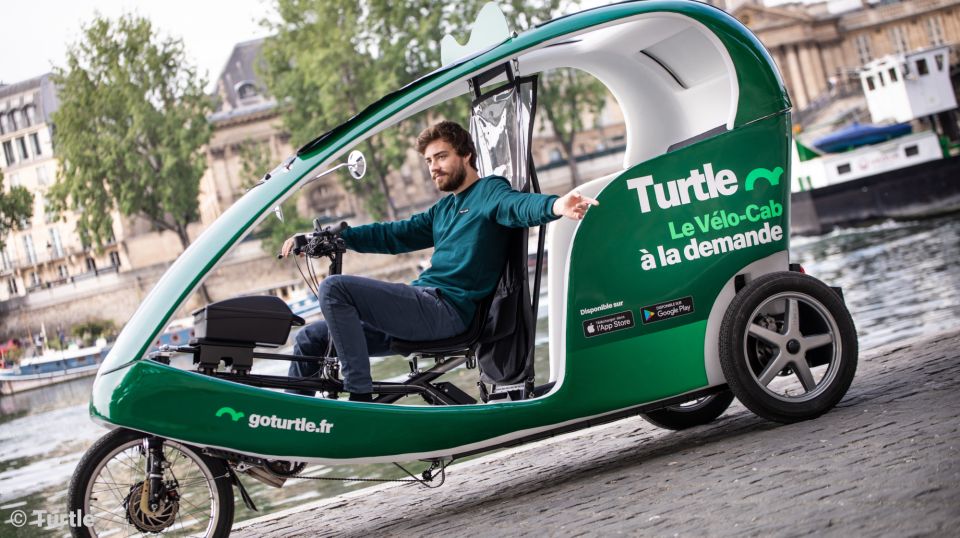
- 180° views from a comfortable seat that make photos easier than you’d expect
- 20+ landmark stops on the 1-hour route, mostly with photo breaks
- Multi-language guide support plus an audio guide with additional language options
- Rain-or-shine weather protections so you’re not stuck cancelling
- Private pedicab for up to two people, good for couples and small families
- Pet friendly, so you can bring small companions
Why a Napoléon-style pedicab tour feels different from the usual sightseeing
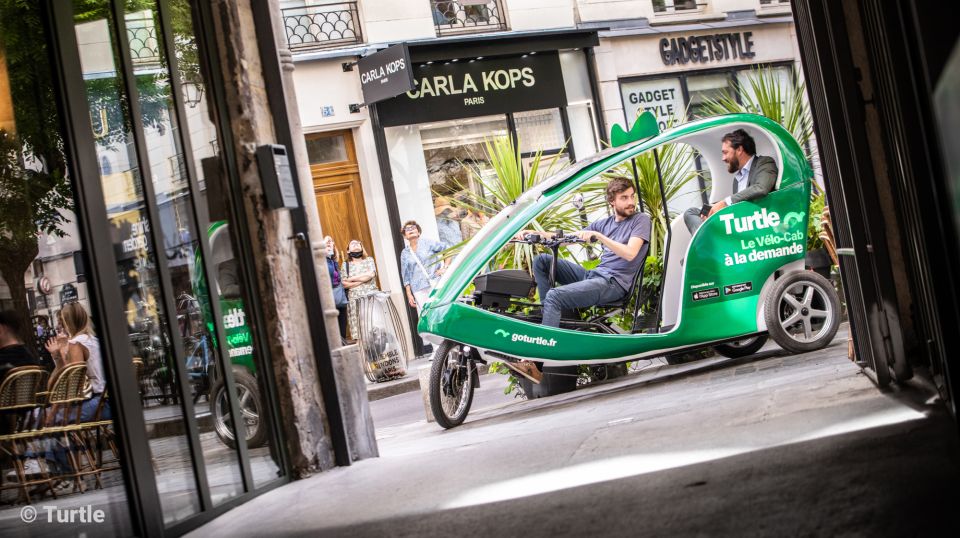
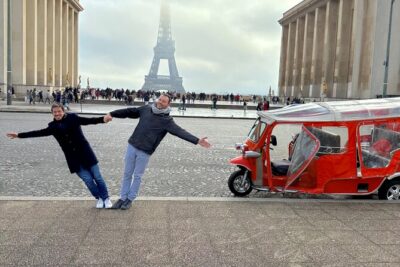
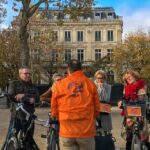
A pedicab rickshaw-bike tour is not about speed. It’s about seeing. You get a front-row feel for street-level Paris, and the ride is compact enough that your guide can position you for viewpoints at the right moments.
The Napoléon theme gives your stops a clear thread: this is the part of central Paris where grand monuments and official buildings crowd together. Instead of bouncing between neighborhoods, you’re building a connected mental map—Louvre area to Tuileries and Concorde, then west toward the Seine, and back through the historic core.
What makes it work is the combo of:
- A private guide/driver who talks while you ride
- Photo stops that are built in, not an afterthought
- Route design along cycle lanes, so the ride stays smooth and focused
You can also read our reviews of more cycling tours in Paris

Starting at Place de la Concorde: the best way to begin
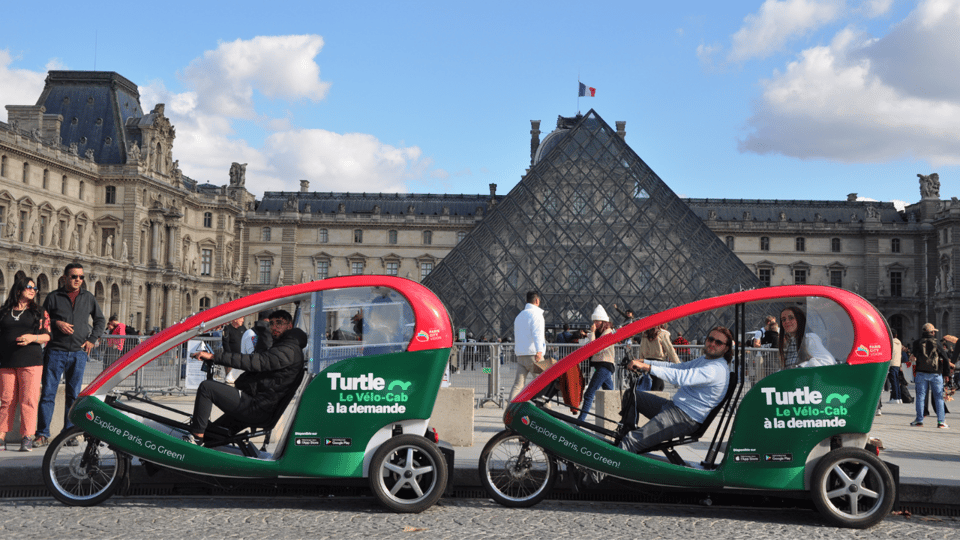
Your meeting point is Place de la Concorde, in front of the main exit of Jardin des Tuileries. That matters because it puts you at the center of the route’s logic: you can see how Tuileries and Concorde connect to the big axes of Paris, and you’re already close to major viewpoints.
As you roll out, you’re not just moving from one famous photo spot to another. You’re also getting that first sense of scale—how wide these avenues are, how statues and facades sit relative to the road, and why Paris looks the way it does on maps.
If you’re doing this with teens or a small group of adults, this start also helps: you can keep everyone engaged right away with quick explanations and immediate sightline payoff.
The 1-hour Napoléon route: 20+ landmarks and real photo time
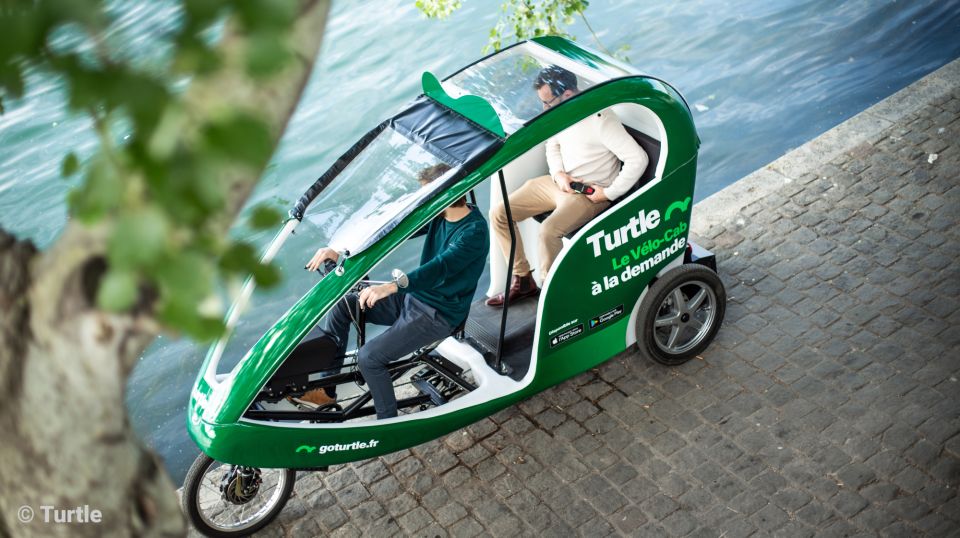
For the longer tour, you’ll hit more than 20 landmarks with scheduled photo stops. The value here is timing: in an hour, you’re not “passing by” sights—you’re pausing where you can actually frame them.
Here’s the ride, stop by stop, with what to watch for:
Hôtel de la Marine (photo stop)
This is a refined warm-up. Look at the building’s elegant lines and how it sits near the Seine-side energy of the area. Your guide’s comments usually help you connect why that part of the city feels so formal.
Champs-Élysées (photo stop)
You’ll get the famous avenue look without walking the whole length. Focus on the scale: it’s wider than people expect, and standing still for photos helps you notice details you’d miss when moving fast.
You can also read our reviews of more guided tours in Paris




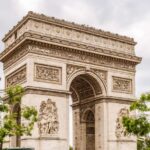
Arc de Triomphe (photo stop)
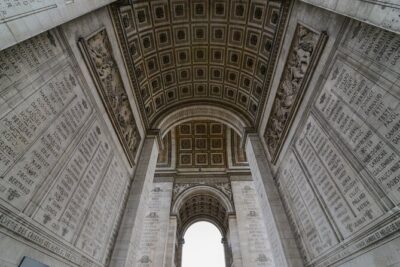
It’s not only the monument. It’s the geometry of the roads feeding into it. From the pedicab, you can frame it with the perspective of the surrounding avenues, and your guide’s explanation typically adds context about why the arc became such a symbol.
Grand Palais (photo stop)
This is one of those sights that reads like a building and a statement at the same time. I like how the pedicab viewpoint gives you a steadier way to capture the facade than you’d get from a quick street walk.
Pont Alexandre III (photo stop)
This is photo heaven. The bridge is ornate, and the views extend in multiple directions. If you’re the type who always wants the “perfect angle,” this stop is built for you.
Les Invalides (photo stop)
You’ll feel the shift from pure spectacle into something more ceremonial. It’s a great chance to listen for the historic meaning behind the architecture, since this stop tends to anchor the story.
l’Assemblée Nationale (photo stop)
This one’s less about selfies and more about understanding the civic side of central Paris. Notice how the building’s presence signals authority, and how your guide ties it to the broader Napoléon-era legacy thread.
Musée d’Orsay (photo stop)
The Seine corridor becomes the star. Even if you don’t go inside, the pedicab lets you appreciate why this area became a prime cultural zone.
Pont des Arts (photo stop)
This is a classic “pause-and-look” moment. You’ll get the river view rhythm and the sense of how bridges stitch the city together.
Musée de la Monnaie (photo stop)
This stop adds variety in the kind of monument you’re seeing. It helps you move beyond only the biggest names and notice how Paris preserves institutions and craftsmanship in the same core zone.
Pont Neuf (photo stop)
Old bridge energy, new photo angles. Watch how it frames the river and nearby landmarks. It’s also a good mental reset: Pont Neuf is one of those sights that makes you feel grounded in the city’s long timeline.
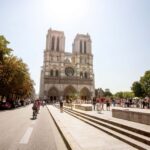
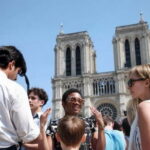
Notre-Dame Cathedral (photo stop)
This is usually the emotional high point for first-timers. Even from the outside, the scale hits. If your guide shares background while you’re stopped, you’ll understand why this cathedral has such gravity in the Paris story.
Hôtel de Ville (photo stop)
Now you’re back into the center of political and civic Paris. The building’s frontage and position make it easy to understand why it became a symbol of city life and governance.
Arc de Triomphe du Carrousel (photo stop)
This is a smart mid-ride landmark because it’s grand but not always the first one people pick. It adds depth to your Napoléon theme by showing how triumphal architecture shows up in more than one place.
Louvre Museum (photo stop)
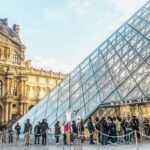
Even if you’ve never been inside, you’ll get the Louvre’s massing and the way it dominates the space around it. Your guide should help you connect it to the earlier mention of the Louvre area, including the famous pyramid viewpoint elements you’ll see on the shorter loop as well.
Palais Garnier (photo stop)
Opera house grandeur with a Paris-streets vibe. This is a great spot for photos because the pedicab viewpoint helps you capture the facade without battling crowds.
Rue de la Paix (photo stop)
This is where the tour softens from monuments into street character. You’ll notice the luxury-shop energy and the way that street connects visually to the square at the end of the ride.
Place Vendôme (photo stop)
A fitting finale before you return. It feels like a compressed world of elegance and symmetry. Even if you’re not into shopping, it’s a beautiful architectural pause.
Back to Place de la Concorde
When you finish where you started, it makes the whole experience easier to place on your own map. You’re back at the Tuileries side of central Paris, which also helps if you want to continue on foot to dinner.
The 30-minute Mini Napoléon: quick hits for limited time
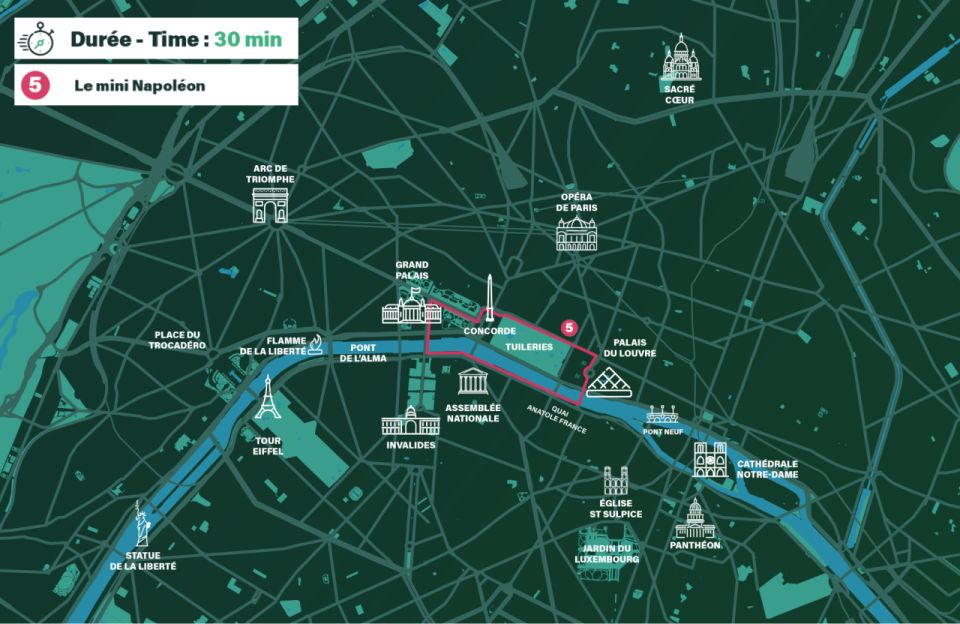
If you pick the shorter 30-minute version, you’re doing the highlight loop rather than the full sweep. Expect the focus to be around the Louvre Museum and its pyramids, then a pass along Tuileries, Concorde, and onward to the Pont Alexandre III area.
This option is great when:
- You’re only in central Paris for a short window
- You’re jet-lagged and want big sights without walking
- You want a warm-up tour before museums or a longer day
It won’t replace a full tour of the city. But it gives you that instant Paris “greatest hits” feeling, with the added benefit of a private ride and built-in photo pauses.
What you’ll actually learn while you ride
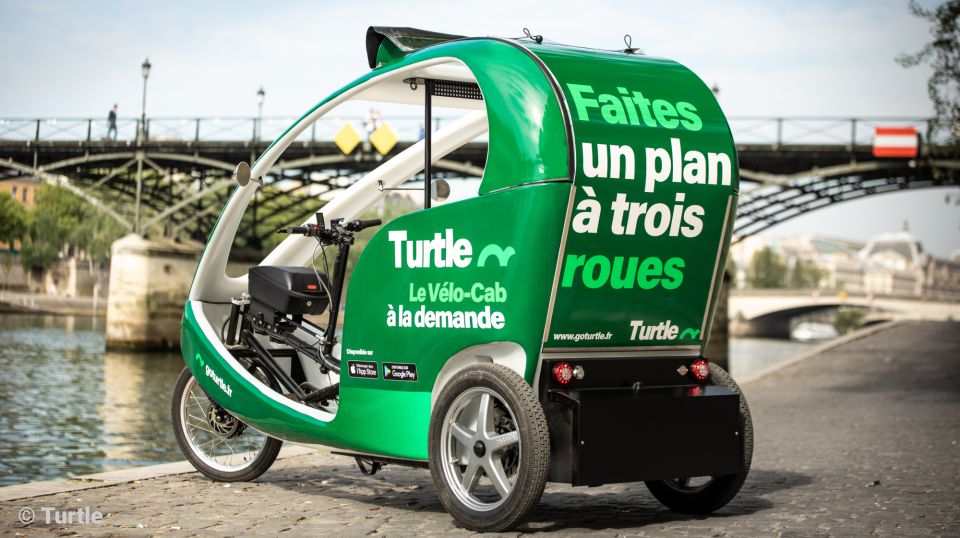
You get a live guide/driver and the tour supports multiple languages, including English, French, Spanish, Arabic, Portuguese, Italian, and Polish. In addition, there’s an audio guide with English, French, Spanish, German, Japanese, and Dutch.
In practice, I think the learning works best when you use the ride time for context, not facts overload. For example, while you stop at big sites like Notre-Dame, you’ll get the “why it matters” explanation that makes the monument feel less random. Same with the triumphal architecture stops: the guide tends to connect them to the broader Napoléon legacy thread, so the route feels like a storyline instead of a checklist.
I’ve also learned to pay attention to a small detail: how a driver handles photo breaks. When stops are timed well, you don’t feel rushed, and you can actually absorb what you’re looking at.
Riding comfort, pacing, and safety tips that keep things smooth
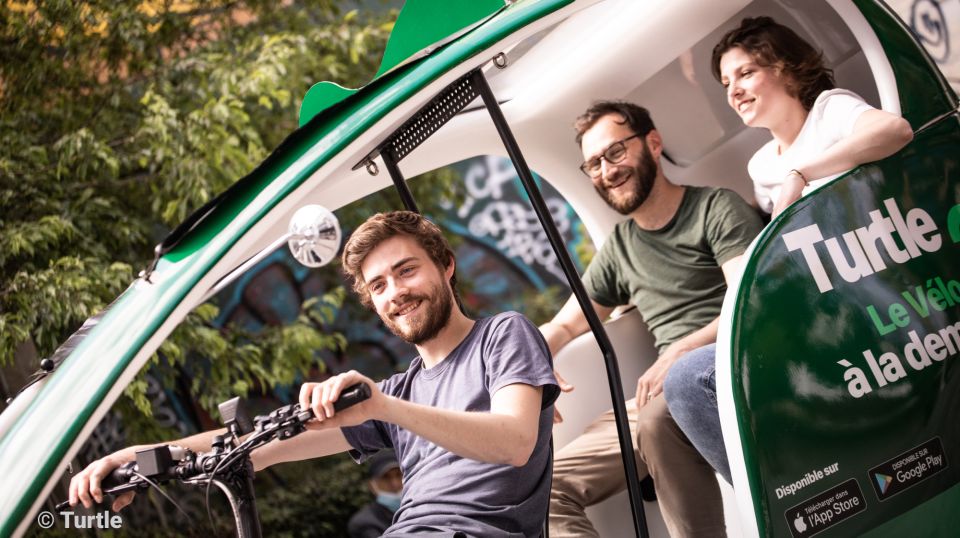
You’re riding a pedicab with a comfortable seat and an extraordinary 180° view. That’s a big deal in Paris traffic, because you’re not stuck with a narrow angle or awkward positioning.
That said, this kind of tour is still in the real world—roads, signals, and the pace of vehicles. One reason I’m glad the company uses an experienced driver is because smooth driving makes the explanations easier to follow.
A practical way to make the ride better:
- Ask for your preferred speaking language at the start (English works well if that’s your comfort zone).
- Confirm your exact drop-off point before you set off, especially if you arranged pickup beyond the standard area.
- If you get motion-sensitive, mention it early so your driver can keep a steady pace.
From what I’ve seen, good drivers also do two extra things: they take the time for photos and they keep communication clear. Names that come up as particularly strong include Joao Fernandez, praised for patient explanations and an impressive photo setup, and Ismael, described as punctual and very helpful.
Price value: why $23 can feel like a bargain
At $23 per person for a private style tour, the value comes from three things you don’t always get together in Paris:
- A short time commitment (30 minutes to 1 hour)
- A high concentration of landmarks (more than 20 in the longer version)
- On-board extras like WiFi and photo breaks
If you were doing the same route by transit, you’d spend time walking between major sites and dealing with ticket lines or crowd navigation. If you were hiring a private car, you’d pay far more for the same time window.
So this tour isn’t about replacing a museum visit. It’s about giving your day momentum. It’s also a smart move for families, because it’s easier to keep kids and teens interested when you’re stopping for photos and explanations every few minutes.
Who this tour is best for (and who might want a different plan)
This is a strong fit for:
- First-time visitors who want a fast “Paris classics” orientation
- Couples who like photos and want a private ride
- Families with teens who can handle short pauses without getting bored
- People who’d rather sit and look than walk long distances in central Paris
- Travelers traveling with small pets, since it’s pet friendly
It may be less ideal if you:
- Want a slow, deep museum-style exploration
- Expect every stop to be fully detailed beyond a quick overview
- Need perfect language match every step of the way (confirm upfront, then you’ll be happier)
Should you book this Napoléon pedicab tour?
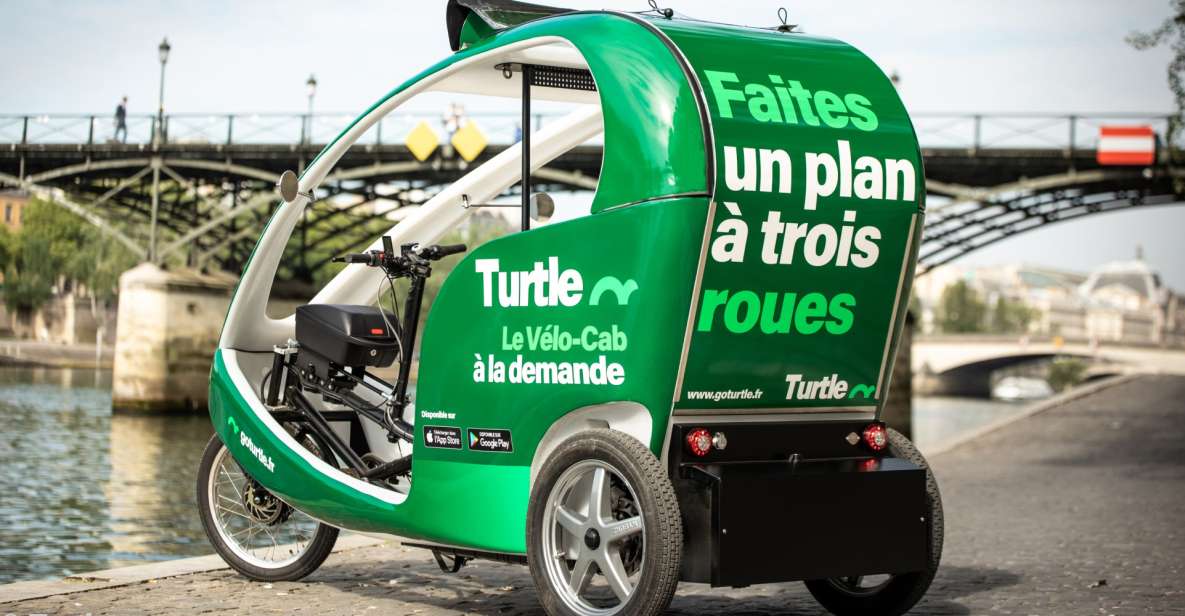
Book it if you want the best of central Paris in a compact time window, and you like getting your photos with good angles instead of improvising. I’d especially recommend the 1-hour version if you can handle a packed route—this is where the 20+ landmark approach really pays off.
Hold off or be picky if language clarity and precise drop-off matters a lot to you. You can reduce risk by double-checking your starting point and end point, then going in with the mindset that this is a quick, well-paced sightseeing ride—not a half-day immersion.
If you’re building a first-day itinerary, this tour is a useful anchor. It sets your bearings fast, and it helps you decide what to do next while you still remember what you saw.
FAQ
Where does the tour start?
The meeting point is Place de la Concorde, in front of the main exit of Jardin des Tuileries.
How long is the Napoléon pedicab tour?
Options include 30 minutes for the Mini Napoléon loop and 30 minutes to 1 hour for the longer route, depending on availability.
How many landmarks do you see on the 1-hour tour?
On the longer tour, you’ll visit more than 20 landmarks with photo breaks.
Is there a pick-up service from a hotel?
Hotel pickup is available within a certain area near the start of the tour.
What languages are offered for the live guide?
The live tour guide is available in English, French, Spanish, Arabic, Portuguese, Italian, and Polish.
What languages are available for the audio guide?
The included audio guide is available in English, French, Spanish, German, Japanese, and Dutch.
Does the tour run in bad weather?
Yes. The tour takes place rain or shine.
What’s not allowed during the tour?
The tour does not allow alcohol and drugs.