REVIEW · PARIS
Paris: Ghosts, Legends & Mysteries Evening Walking Tour
Book on GetYourGuide →Operated by City Wonders Ltd. · Bookable on GetYourGuide
If Paris could whisper back, it would. This 2-hour evening walking tour turns famous landmarks into a trail of executions, massacres, and prison stories, with stops that feel like they belong to the city’s shadow side. I like the mix of real historic sites and spooky storytelling, and you get to see the nightly mood of Paris from bridges, courtyards, and back streets.
Two things I really like: you visit major sites tied to true history, including the Conciergerie and the walls near where Marie Antoinette was imprisoned, and you also cover the kind of “how did this happen?” moments people don’t get on a standard sightseeing loop. One thing to consider: this is still a walking tour with several stops in the dark, and it isn’t set up for strollers, baby carriages, or wheelchair access.
Key things I’d circle before you go
- Conciergerie visit: the prison link to Marie Antoinette adds real weight to the stories
- Place de la Vert-Galant: a place tied to the Knights Templar ending at the stake
- Saint-Germain-l’Auxerrois: focus on the scale of the St. Bartholomew’s Day Massacre
- Spooky-but-historical tone: serial killers and ritual worship sit alongside major events
- St-Jacques Tower: a guided stop that breaks up the walk with atmosphere and detail
- Pace is usually manageable: reviews praise comfortable timing, but you’ll still want good shoes
In This Review
- A night-walk Paris: why this tour feels different
- Where you start: Pont Neuf and the Henri IV statue
- Square du Vert-Galant: where the Knights Templar story gets real
- Gliding past the Louvre: keeping the route tight
- Saint-Germain-l’Auxerrois: the St. Bartholomew’s Day Massacre scale
- Fontaine de la Croix-du-Trahoir: a photo stop with context
- Fontaine des Innocents: history you can stand next to
- Saint-Jacques Tower: guided time for atmosphere and detail
- Conciergerie: the Marie Antoinette prison connection
- Île de la Cité: photo stop, then keep moving
- Palais de Justice and the walk toward Hôtel de Ville
- Guides and storytelling style: why the experience often lands
- How much walking is really involved?
- Who this tour is best for
- Price and value: what $15 buys you in Paris
- A few practical notes before you go
- Should you book it?
- FAQ
- How long is the Paris Ghosts, Legends & Mysteries evening walking tour?
- Where is the meeting point?
- How much does it cost?
- What’s included in the tour price?
- Is this tour suitable for families with strollers or baby carriages?
- Is wheelchair access available?
- Will the tour be in English?
- How scary is it?
- What’s your cancellation flexibility?
A night-walk Paris: why this tour feels different
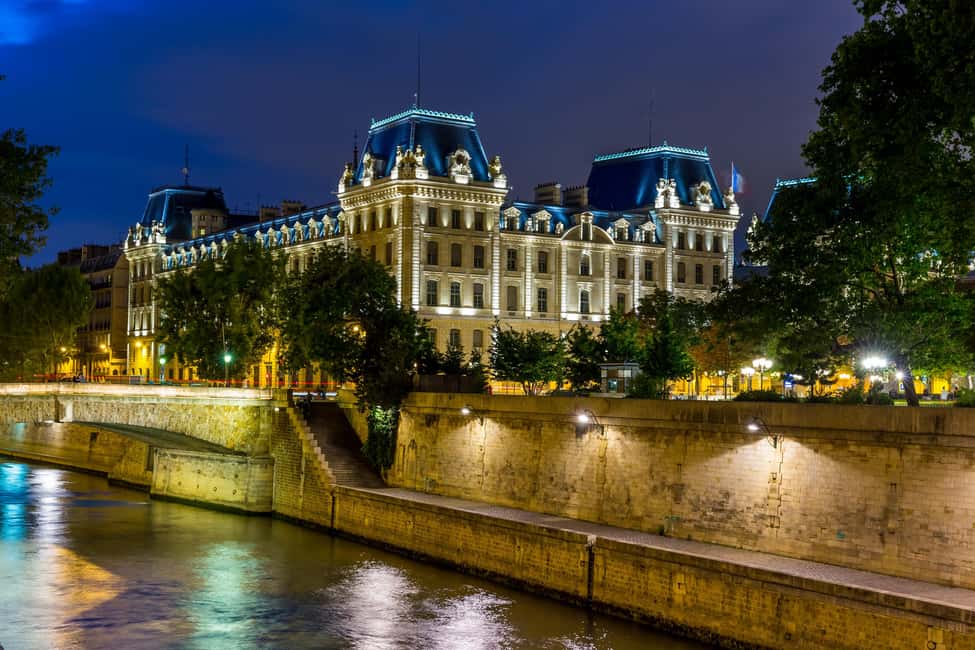
Paris at night does something daytime sightseeing can’t: it makes the city quieter, and it nudges your imagination to work harder. This tour uses that nighttime setting on purpose. You’re not just looking at pretty facades—you’re being guided through places tied to torture, execution, mass violence, illness, and conflict.
What makes it especially compelling is the way it links “big names” with specific street corners. You’ll hear about figures like Henry IV, Napoleon Bonaparte, and Marie Antoinette, but it’s not just name-dropping. The tour frames them as people caught up in a world that could turn cruel fast—often in the spaces you can still point to today.
At $15 per person for a 2-hour guided walk, it’s also a value play. You’re paying mainly for an expert storyteller and a focused route, not an attraction ticket. If you’re trying to balance classic Paris with something off the usual track, this format can be a smart use of your evening.
Where you start: Pont Neuf and the Henri IV statue
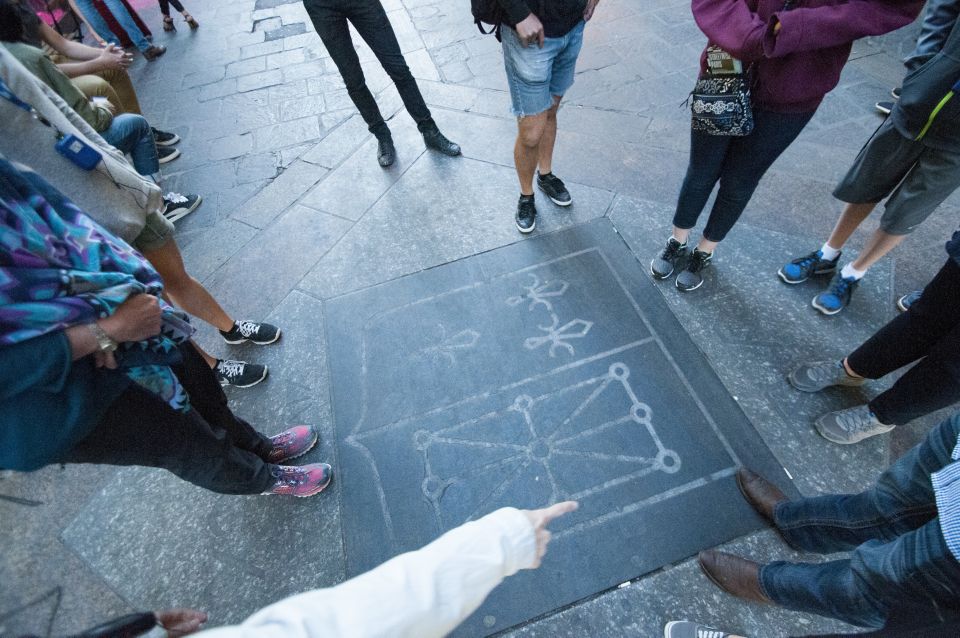
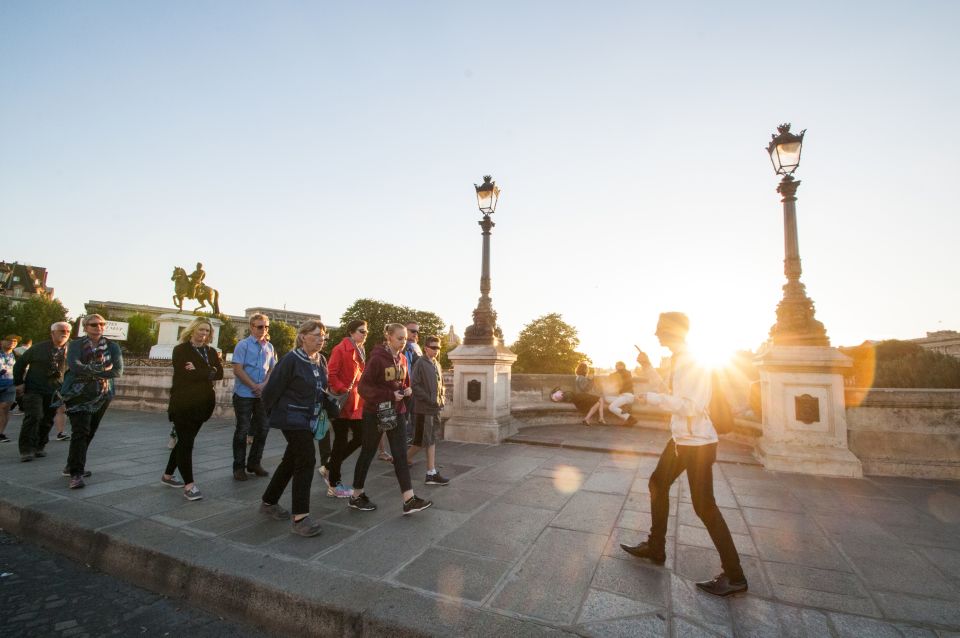
You meet at the Equestrian Statue of Henri IV, right in the middle of Pont Neuf, at the western end of Île de la Cité. If you like arriving early, this is a good spot to do it—Pont Neuf is obvious, and it gives you an easy “orientation moment” before the stories begin.
Practical tip: use the closest metro options listed for planning your route—Pont Neuf (line 7) or Cité (line 4). The location is central, but you’re still walking in the evening light, so plan for a little extra time to gather your group and get settled.
And yes, you’ll be standing on a bridge at the start. That’s part of why the tour works: it sets a cinematic tone quickly, with the river and the city stretching around you.
You can also read our reviews of more walking tours in Paris



Square du Vert-Galant: where the Knights Templar story gets real
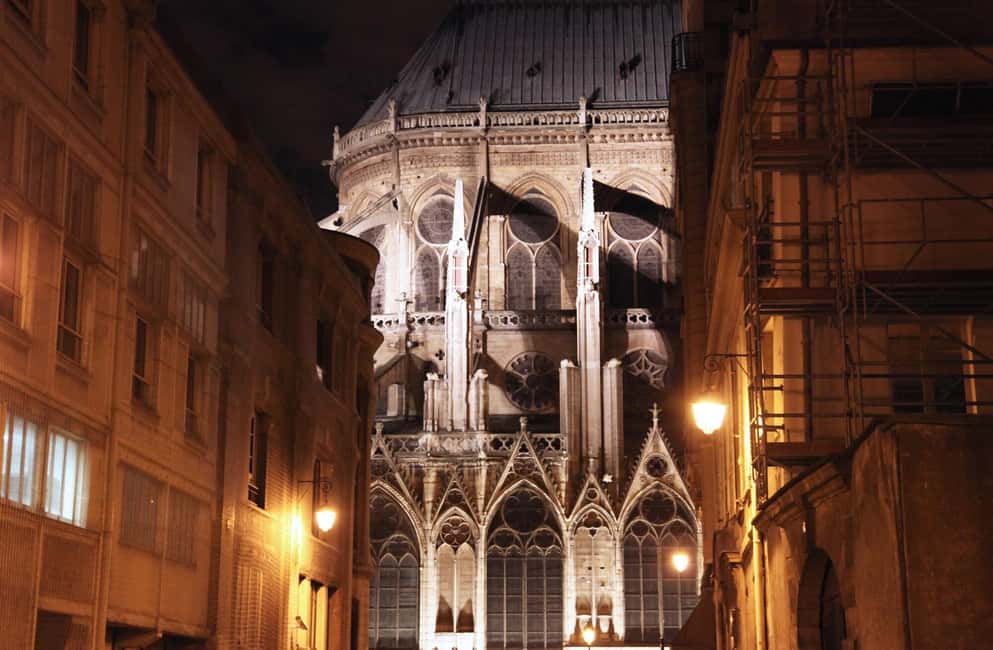
Your first real stop is Square du Vert-Galant. Here, the tour focuses on the grim finale of the Knights Templar, including the fact that the last of them was burned at the stake.
This is the kind of moment where a guided walk beats reading a plaque. A statue or sign can give you facts. A guide can explain the context—why it happened here, why it mattered, and how a religious-military order became a target in shifting power struggles.
If you like history that feels personal and local, this stop is a good early payoff. It also tunes you into the tour’s overall style: not just spooky legends, but dark turning points grounded in places.
Gliding past the Louvre: keeping the route tight
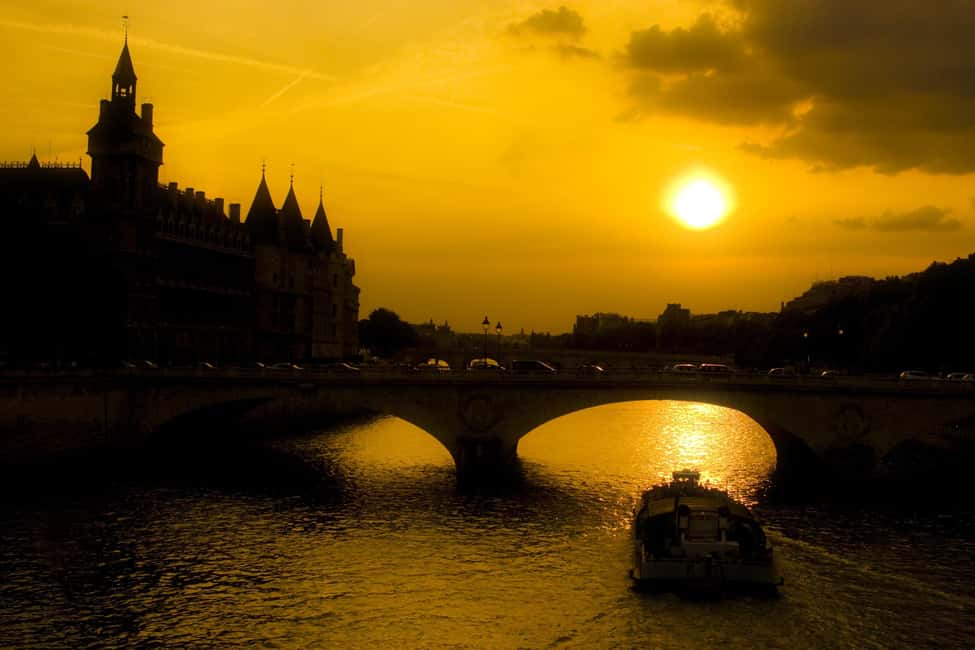
Next, you pass the Louvre Museum. This isn’t presented as a museum visit. It’s more like a visual thread so your route feels connected to the tourist core, even while you’re heading toward quieter corners.
I like this kind of “pass by” segment because it helps you keep moving without sacrificing the night-walk pace. If you’re trying to see a lot of Paris in a short time, those quick transitions matter.
Expect the tour to keep you oriented: the guide points out what you’re seeing as you go, rather than having you guess where you’re headed next.
Saint-Germain-l’Auxerrois: the St. Bartholomew’s Day Massacre scale
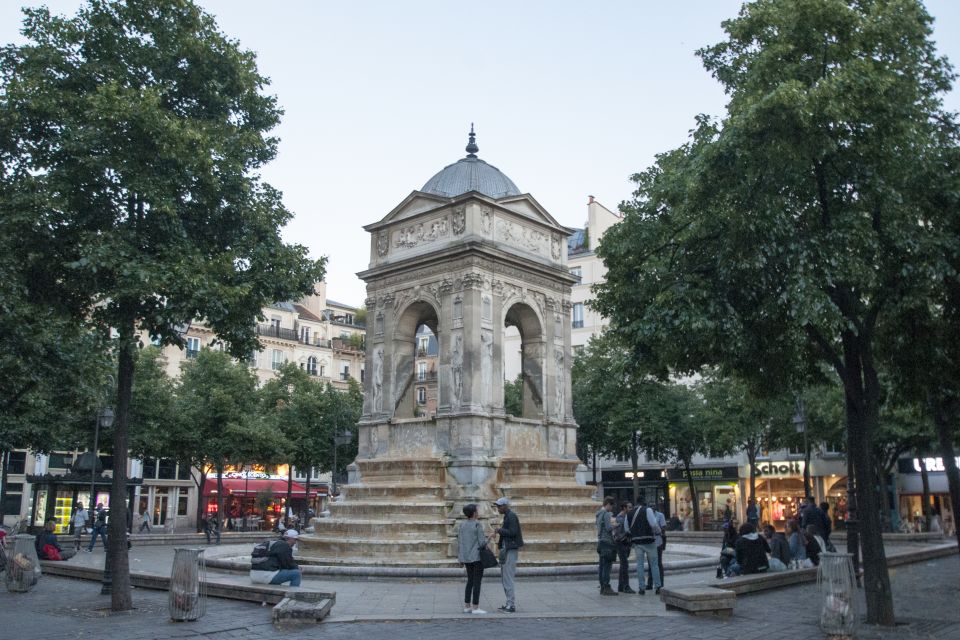
The tour includes a guided stop at Saint-Germain-l’Auxerrois. This is where you’ll hear about the St. Bartholomew’s Day Massacre, with estimates of around 30,000 people killed.
Massacres can become numbers on a page. On a guided street stop like this, it turns into something more human: the kind of violence that spreads through fear, politics, and timing. Even if you’ve heard of the massacre before, a local, landmark-based stop helps you understand why the setting mattered.
This is also a moment where the tour’s balance shows. You’ll still get dramatic storytelling, but it’s anchored to an actual location in Paris, which keeps the night-walk from feeling like pure ghost entertainment.
Fontaine de la Croix-du-Trahoir: a photo stop with context
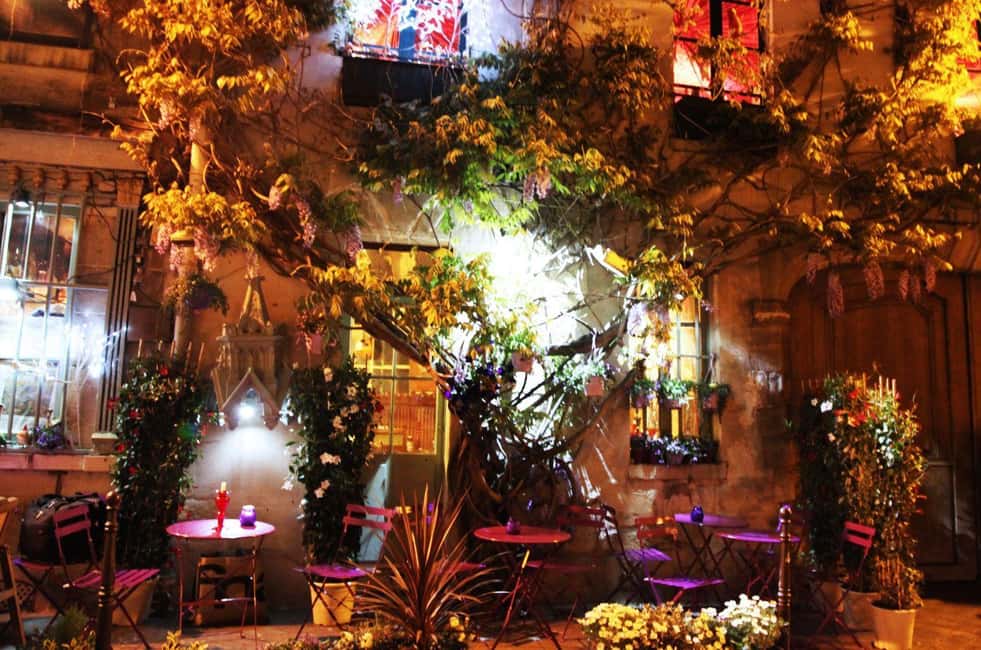
You’ll make a stop at the Fontaine de la Croix-du-Trahoir, with a photo stop and guided explanation.
Fontaines in Paris often look ornamental at first glance. In a tour like this, they become story props: places where the guide can connect rumor, ritual, superstition, or the city’s darker folklore to what you’re seeing in front of you.
If you want your photos to mean something—beyond “look, it’s Paris”—this kind of stop is a win. It’s short, it keeps momentum, and it adds a different texture to the walk.
You can also read our reviews of more evening experiences in Paris






Fontaine des Innocents: history you can stand next to
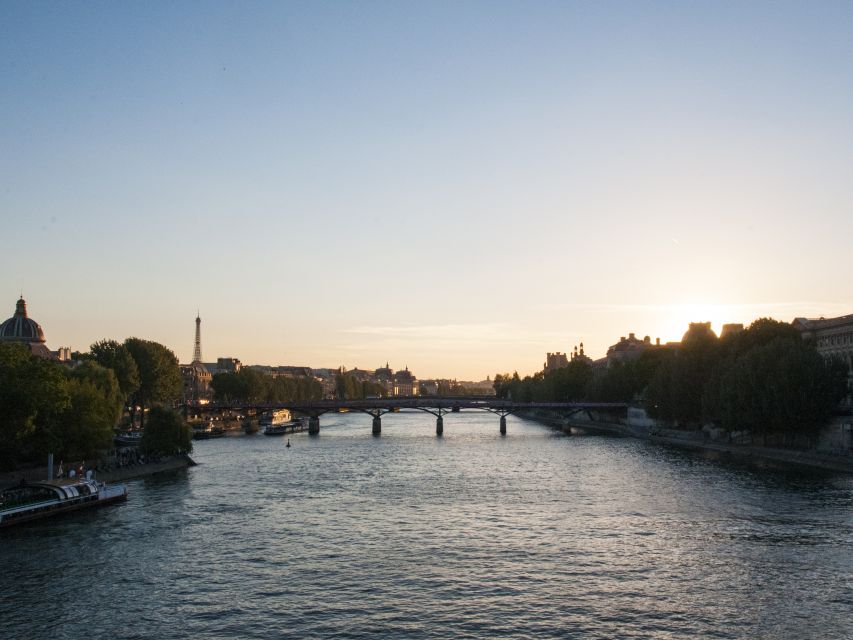
Next up is the Fontaine des Innocents, which you’ll visit. This is one of those spots that works well at night because it doesn’t need daytime crowds to be haunting.
A fountain here can be both gorgeous and unsettling once the guide frames it in the right light. The tour keeps connecting back to themes like disease among poorer classes and the brutal aftermath of power struggles.
If you’re someone who likes to understand why certain corners of Paris feel heavier than others, you’ll probably enjoy this stretch. It’s a good “pause and absorb” moment before the route shifts again.
Saint-Jacques Tower: guided time for atmosphere and detail
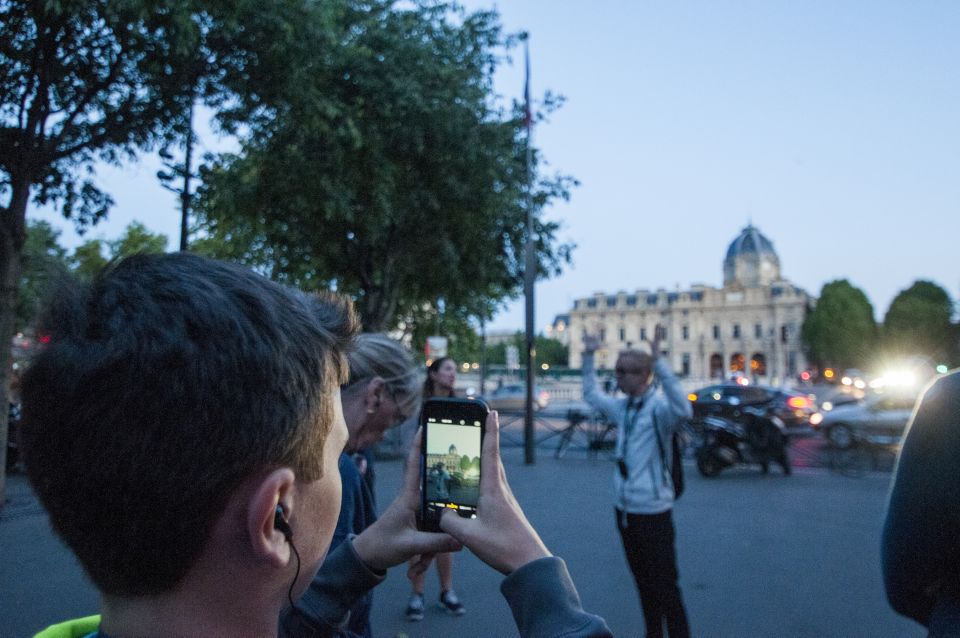
The tour includes a guided stop at Saint-Jacques Tower. Towers like this have an easy cinematic quality at night, and they also make great anchors for historical storytelling because they’re visible from a distance and loaded with identity.
This stop tends to work for two types of people: history lovers who want specifics, and “just give me the vibe” travelers who want the dark-night mood to feel earned. A guided explanation helps both groups.
From a logistics standpoint, the guided stop is also a pacing tool. It gives your legs a reset without turning the tour into a long sit-down event.
Conciergerie: the Marie Antoinette prison connection
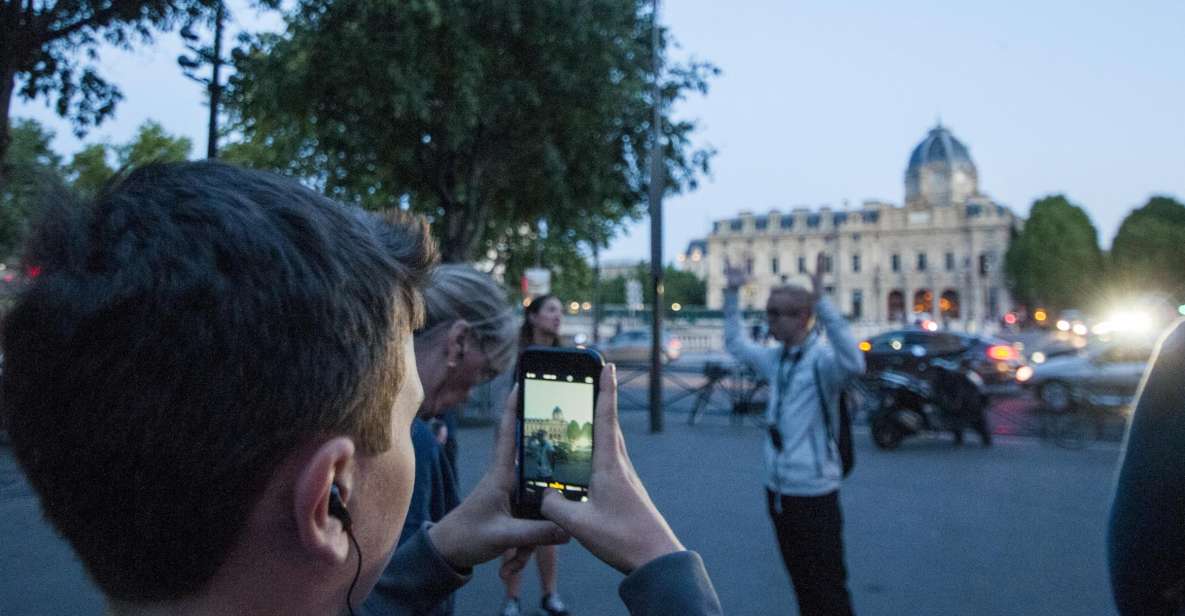
This is one of the headline moments: you visit the Conciergerie with a guided tour. The standout detail here is that it’s tied to the imprisonment of Marie Antoinette.
This is where the tour earns its seriousness. You can treat ghost tours as theater. But when you’re guided through a prison site linked to a major historical figure, the stories feel less like “spooky fiction” and more like “how could this be real?”
If you care about the French Revolution era, or you’ve read anything about royal imprisonment and trial-era politics, this stop is your big payoff. The guide’s job here is to connect dates and names to what it meant to be processed through the system—waiting, confinement, and the last stages of power.
Île de la Cité: photo stop, then keep moving
You’ll reach Île de la Cité for a photo stop and visit. This part of the route helps you reconnect to the city’s physical core—where rivers, bridges, and civic buildings cluster.
Even if you know this island well from daytime walks, at night it feels different. The lighting changes your perception, and the surrounding stories add a layer that you can’t get from a casual stroll.
I like this moment because it’s a quick “reset to center” before the final approach.
Palais de Justice and the walk toward Hôtel de Ville
Near the end, you do a walk and pass by the Palais de Justice, Paris, then finish at Hôtel de Ville.
This is a smart closing arc: you end near major civic authority. That makes sense for a tour that’s focused on torture, execution, and the power structures behind violence. It’s a natural way to land the theme you’ve been hearing all night.
If you’re picturing your night like a mini storyline, this final stretch is the last chapter. The guide keeps you oriented while you move through streets that look calmer than what happened there centuries ago.
Guides and storytelling style: why the experience often lands
One of the most repeated strengths in the guide feedback is storytelling quality. People singled out guides like Natalie, Aya, Sophia, Rimi, and Ami for mixing accuracy with fun energy. A few reviews also note that guides are able to keep the group together and safe, while still making the stories entertaining.
That matters more than you might think. A dark-history tour lives or dies on pacing and voice. If you get an enthusiastic guide, the route feels like a single moving scene. If you get a softer voice or less clear delivery, it can feel harder to follow in open-air night conditions.
Also, one review mentions headsets being provided, which is a big help for larger groups or noisy street sections. You can’t count on that for every tour, but it’s a good sign that the operator knows group management matters.
How much walking is really involved?
This is a walking tour with multiple stops over about 2 hours. That’s usually fine if you’re already planning an evening stroll, but you should treat it like an active evening, not a sit-down show.
A couple reviews call out sore feet as a factor when the tour is done at night. Another notes the walk felt like it lasted closer to an hour, which suggests timing can vary by group and pacing.
My advice: wear shoes you can handle on cobblestones. If you’ve already been walking all day, plan a shorter “recovery gap” before this. And if you’re someone who hates rushing in the dark, you may want to keep your expectations modest and let the guide set the pace.
Who this tour is best for
This tour fits best if you like Paris as more than postcards. It’s ideal for you if:
- You enjoy history with a darker edge, especially execution, prison, and political violence
- You want a guided route at night that mixes major landmarks with lesser-examined corners
- You’re comfortable with a spooky tone that aims to be more spooky-historical than horror
It may not be your best match if you want only gentle, light stories. This is built around torture, massacres, and serial killers as part of the macabre context. Even if the guides keep it engaging, the theme is serious.
Price and value: what $15 buys you in Paris
At $15 per person for about 2 hours, you’re mostly paying for three things: an English-speaking guide, a designed walking route, and access to guided time at key sites like the Conciergerie and Saint-Jacques Tower and a guided segment at Saint-Germain-l’Auxerrois.
Compared to booking separate museum entries or multiple ticketed attractions, this is a straightforward value. You get a focused “story-and-place” experience without needing you to manage tickets for every stop.
The tradeoff is that it’s not a private tour and it’s not a slow, sit-and-stretch evening. If you’re okay with walking and listening, the cost-to-experience ratio is strong.
A few practical notes before you go
- Language: English tour guide only (as listed).
- Mobility limits: not suited for wheelchairs and it doesn’t allow strollers or baby carriages.
- Night conditions: expect dark walking and open-air waiting time between stops.
If you’re traveling with a group, this tour can be a great way to share one narrative thread through Paris. The central meeting point helps coordination too.
Should you book it?
If you want a first-night activity that feels like Paris got a little older and darker, I’d book this. It’s compact, guided, and anchored to real places tied to events like the St. Bartholomew’s Day Massacre and the Marie Antoinette prison story at the Conciergerie. For a relatively low price, it’s an efficient way to see “the other Paris” without spending your whole evening in transport lines.
Skip it if you can’t handle night walking, or if you need accessibility support that the tour can’t provide. Also, if you prefer only mild spooky tales, the theme will feel intense because it’s built on executions and violence, not just harmless ghost folklore.
If you’re on the fence: plan it for a night when you aren’t already exhausted from miles of sightseeing. Comfortable shoes will do more for your enjoyment than any souvenir.
FAQ
How long is the Paris Ghosts, Legends & Mysteries evening walking tour?
The tour runs for about 2 hours.
Where is the meeting point?
Meet at the equestrian statue of Henri IV in the middle of Pont Neuf at the western end of Île de la Cité. The nearest metro stations listed are Pont Neuf (line 7) or Cité (line 4).
How much does it cost?
The price listed is $15 per person.
What’s included in the tour price?
It includes an expert English-speaking guide.
Is this tour suitable for families with strollers or baby carriages?
No. Strollers and baby carriages are not allowed.
Is wheelchair access available?
No. The tour is unable to accommodate guests with wheelchairs and any impairments requiring special assistance.
Will the tour be in English?
Yes, the tour is English-speaking.
How scary is it?
The tone is described as spooky with dark, violent history. It’s framed as a ghost-and-mystery style walk, but not presented as a horror show.
What’s your cancellation flexibility?
Free cancellation is available up to 24 hours in advance for a full refund.