REVIEW · PARIS
Paris Criminal Past, audioguided walking tour
Book on Viator →Operated by REWIND · Bookable on Viator
Paris gets darker than you expect. This audioguided walking tour uses on-the-spot audio so crime stories play right when you reach the relevant landmarks, with a live map that helps you keep moving. I like that it’s set up for an easy, self-paced stroll, with commentaries and fun facts that start automatically as you stand in the right places.
One thing to consider: the themes are genuinely disturbing, with massacres, executions, assassinations, and poisoning tied to real Paris locations. If you prefer lighter sightseeing, you might find the tone a bit heavy, even though it’s delivered in an entertaining, walk-and-learn format.
In This Review
- Key highlights
- What This Paris Criminal Past Audio Walk Feels Like
- Price and Time: Is $11.56 a Smart Value?
- Getting Started at Rue de l’Oratoire and Ending by Hôtel de Ville
- Stop 1: Eglise St-Germain l’Auxerrois and a Massacre You Can See
- Stop 2: Halles Quartier Streets of Conspiracy, Assassination, and Poisoning
- Stop 3: Place du Chatelet and the Public Face of Execution
- Stop 4: Hôtel de Ville—Magnificent Architecture, Grim Use in the Past
- Why the Auto-Triggered Audio Works So Well
- What I’d Expect You to Learn (and Remember)
- Practical Tips That Make the Walk Easier
- Who Should Book Paris Criminal Past?
- Should You Book This Tour?
- FAQ
- How much does the Paris Criminal Past audioguided walking tour cost?
- How long is the tour?
- Where does the tour start and end?
- Is admission required for the stops?
- Does the audio play automatically as you walk?
- What hours is the tour available?
Key highlights
- Auto-triggered audio that starts as you arrive at each stop
- Real-time map + geo-localization to help you recover if you wander
- Free stops focused on iconic places tied to crimes and public punishment
- Self-paced route: pause for a drink or shop stop, then restart where you left off
- Tight time blocks (roughly 15–30 minutes per main stop) that fit real travel days
- Small group cap (up to 15) for a less chaotic start than many city tours
What This Paris Criminal Past Audio Walk Feels Like
This tour is built for walking at your own tempo while the story keeps pace for you. You follow an on-screen map and clear audio directions, and the narration is designed to kick in right where the story belongs. The company’s pitch is simple: don’t stress about navigation, just move between points and let the commentary guide your attention.
You’ll be hearing crime history in the middle of modern Paris. That contrast is the whole point. You look at a church façade, a market area, a square, then a major city building, and the audio turns those views into scenes of cruelty, fear, and spectacle.
I also like that the design encourages breaks. You’re told you can stop for a terrace or a quick snack, then resume from the same place you paused. That makes a difference when you’re on foot in central Paris and want to keep the walk enjoyable instead of rushed.
You can also read our reviews of more walking tours in Paris



Price and Time: Is $11.56 a Smart Value?

At $11.56 per person, you’re paying for an experience with four major landmark stops, plus guided audio that removes the need for a live guide. The total walk time is listed as roughly 1 to 30 minutes, which can’t fully capture how long you’ll linger at each stop. In practice, it’s the kind of tour you can do quickly if you’re focused, or stretch if you like to stand and absorb the details.
Another value lever here: the itinerary stops are free to visit. Instead of paying admission for museums, you’re using audio to read the city like a crime timeline. If your priority is storytelling tied to real streets and squares, this price often feels like a steal.
Finally, the small cap of up to 15 people matters more than it sounds. Even though the tour is audio-based, a smaller group can mean less congestion at the start point and fewer people jostling for the same best listening spots.
Getting Started at Rue de l’Oratoire and Ending by Hôtel de Ville
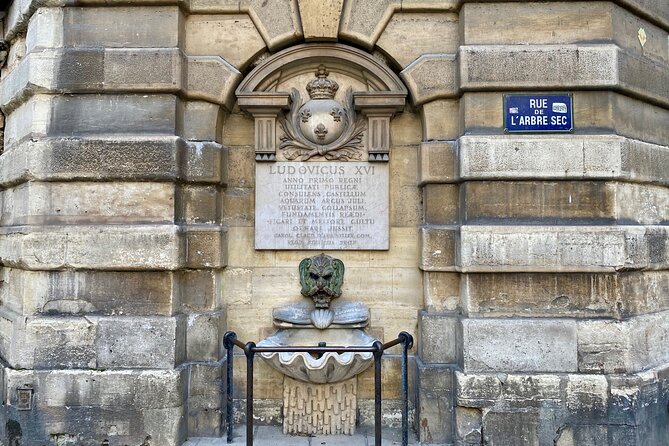
The route starts at 1 Rue de l’Oratoire, 75001 Paris, and it ends around 1 Av. Victoria, 75004 Paris, near Hôtel de Ville in the Marais area. That matters because you get a logical walk across central Paris, finishing in a neighborhood where you can keep exploring after the last story fades.
You’ve got a stated operating window of 7:00 AM to 6:00 PM each day. That’s useful for planning because you’ll want enough daylight to keep your navigation easy and feel comfortable standing around in squares and public areas for short stretches.
The tour is also described as being near public transportation, and service animals are allowed. If you want the flexibility to hop on and off transit between activities, this format tends to fit well because you’re not tied to a strict group pace.
Stop 1: Eglise St-Germain l’Auxerrois and a Massacre You Can See
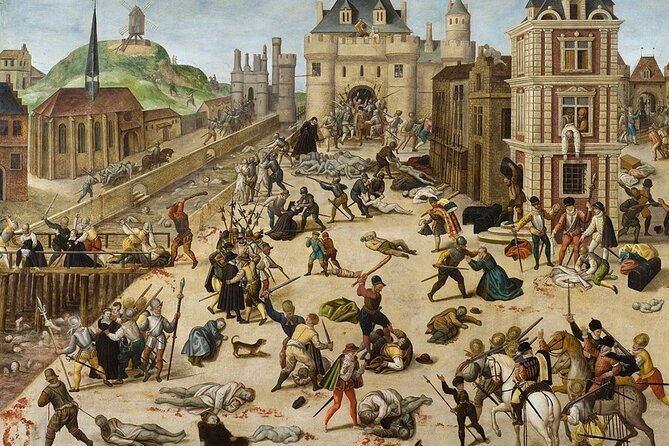
You begin in front of Eglise St-Germain l’Auxerrois, a big, commanding landmark that sets a serious tone immediately. The audio frames this church area as a backdrop to one of the most terrible massacres in French history. Standing here, you’re not just looking at architecture; the story forces you to imagine the fear and chaos that once played out in the same urban space.
This first stop is allocated around 15 minutes, which is a good length for heavy material. It gives you enough time to listen and then look away for a moment, which you’ll appreciate if the subject matter starts to feel intense.
A practical note: churches and their surrounding areas can draw people just for the views or photos. If you’re sensitive to crowds, try to arrive at a calmer time within the listed hours so you can listen clearly without constant background chatter.
Stop 2: Halles Quartier Streets of Conspiracy, Assassination, and Poisoning
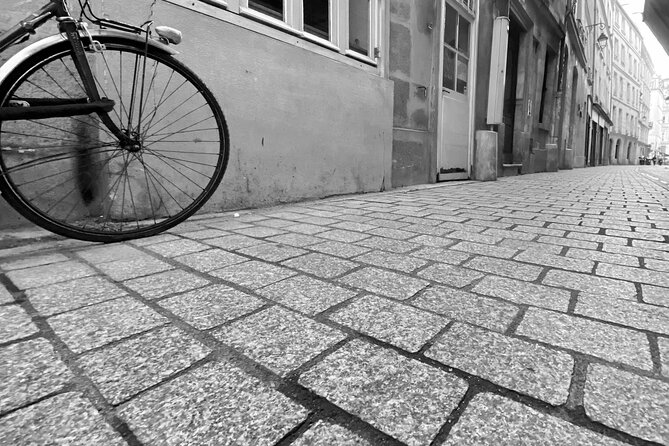
The second stop takes you into the Halles Quartier, a district the audio describes as having witnessed crimes over centuries. Here the themes shift into conspiracies, assassinations, and poisoning during the era of the French kings. It’s the kind of segment that makes you look at everyday streets and realize they once carried high-stakes danger.
This stop is longer, about 30 minutes, which suggests it has more story beats to play out. For you, that means you’ll probably want to walk a little slower and let the audio do its job. If you rush through, you’ll miss the rhythm: arrival, listen, look up at the surroundings, then move on.
One very specific detail highlighted here is the cruel end of Saint Denis, described as the first bishop of Paris. That’s a key angle because it blends the city’s religious importance with the brutal reality of punishment and death in older times. If you like when crime history intersects with religious or political history, this is likely to be a highlight.






Stop 3: Place du Chatelet and the Public Face of Execution
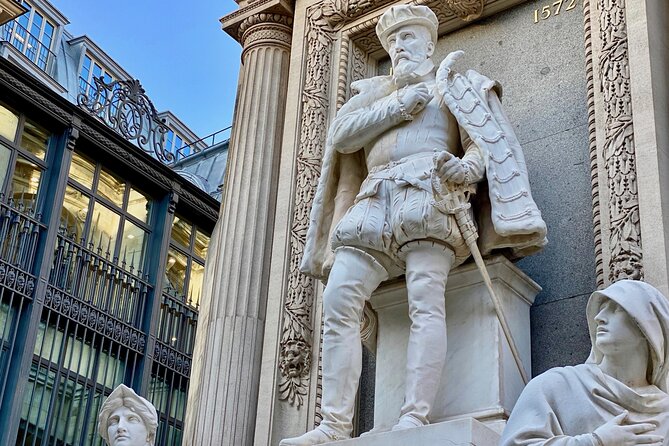
Next comes Place du Chatelet, one of the most direct “this really happened here” stops. The audio focuses on squares famous for public executions since the Middle Ages, and it doesn’t treat execution as abstract. You’re led to learn about the executioners themselves and the terrible lives tied to that role.
This is a short segment, roughly 10 minutes, but it’s dense. The power of this stop is the contrast: you’re standing in a place that still functions as an open urban square, while the narration reframes it as a stage for punishment.
If you’re the type who prefers facts without emotion, you may still feel the weight here. The format can be entertaining, but it’s still built on real historical cruelty. You can always pause the audio if you need a breath, since the design supports stopping and resuming where you paused.
Stop 4: Hôtel de Ville—Magnificent Architecture, Grim Use in the Past
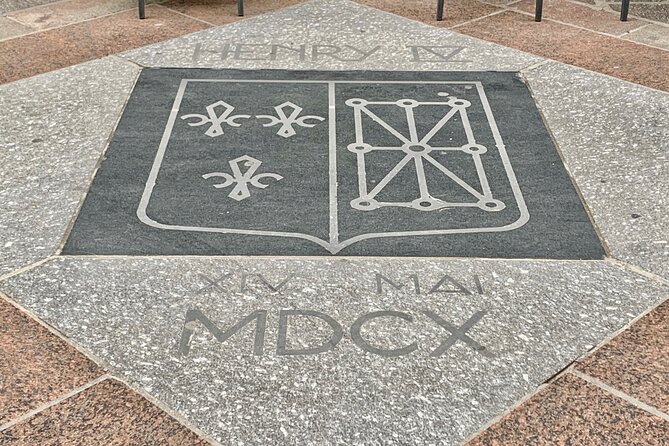
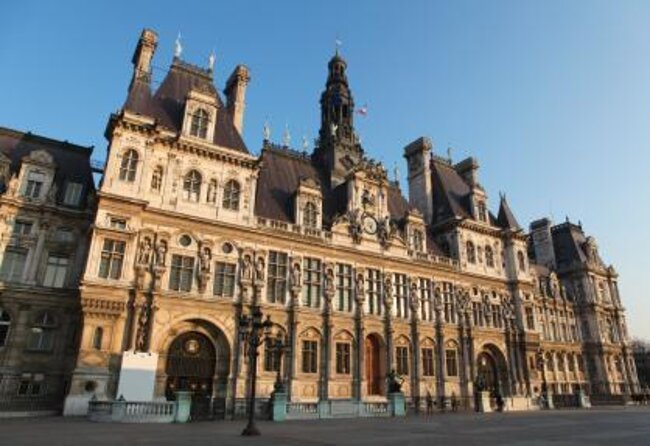
The tour ends at Hôtel de Ville, and it’s a smart payoff location. The building is magnificent in a very “this is the center of civic power” way, and the audio reminds you that in the past it was also tied to popular public executions. That twist can land harder than you expect: the city’s pride and its punishments share the same urban stage.
This last stop is about 10 minutes. That’s a practical length because it lets you finish without feeling trapped for hours in the same emotional tone. When you wrap, you’ll be positioned near Le Marais, which is perfect for switching gears afterward—coffee, browsing, or just a calm walk away from the heavier stories.
It also helps that this is near the end of the route rather than the middle. If you’re doing this during a normal sightseeing day, you get to end with a strong location and then let the rest of your evening feel lighter.
Why the Auto-Triggered Audio Works So Well
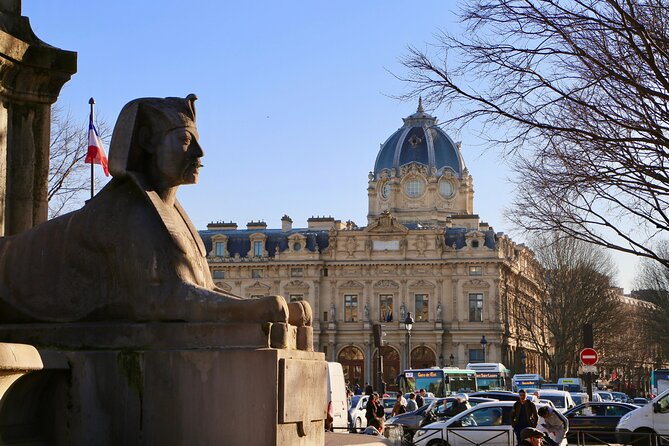
A big part of the appeal is how the audio is set to start when you reach each location. That means you’re not constantly checking your phone, and you don’t need to memorize complicated route instructions. The experience is described as designed so you can leave your smartphone in your pocket and still follow along, using map guidance and geo-localization if you drift.
This format also changes how you look at the city. Instead of reading about Paris afterward, you experience the stories in motion. You’re hearing about conspiracies and poisonings while you’re literally walking through the same general areas where those events unfolded.
The app experience itself is repeatedly praised for being smooth and easy to use. In plain terms, that matters because nothing kills a walking tour faster than fiddling with menus or losing the audio at the wrong moment. When the stories start by themselves in front of each stop, it keeps the flow moving.
What I’d Expect You to Learn (and Remember)
The narration themes aren’t random. The tour is positioned around major “criminal past” storylines, including bloodier events in the heart of Paris. You’ll get references to notorious figures and headline events, like the assassination of Henry IV, plus other chilling legends tied to the city’s older power struggles.
You should expect a mix of:
- political violence and public spectacle
- personal brutality (poisoning, massacres, executions)
- places where punishment played out in the open
The reviews also point to a strong emotional effect: standing in front of the real locations can give you chills. That makes sense. Even if you know Paris is old, it’s one thing to read dates and another to listen to a story while looking at the building where it happened.
Practical Tips That Make the Walk Easier
Here’s how to get the best version of this self-guided audio experience.
Wear walking shoes. The stops are spread across central areas, and you’ll want comfort for listening time that may include standing still. Also, plan for short listening moments rather than expecting one long uninterrupted audio track.
Give yourself permission to pause. The tour is set up so you can stop for a terrace or a quick craving and then continue when you’re ready. In other words, don’t try to “win” the timing; enjoy the small reset breaks.
If you’re unsure you’re heading the right way, trust the built-in mapping and geo-localization. The tour is designed to get you back on track quickly if you take a wrong turn, so you’re not stuck guessing.
Finally, pick a listening volume level you’re comfortable with. Squares and streets can be noisy, and you’ll get more from the stories if the audio is clear without turning your trip into a private phone call.
Who Should Book Paris Criminal Past?
This is a great fit if you like true-crime style storytelling and you want it tied directly to the physical city. You’ll also appreciate it if you dislike rigid group tours, because the format is built around pacing yourself and following clear instructions at your own speed.
It also suits you if you enjoy learning something new even in a place that feels familiar. Paris can become a “been there, done that” city fast, and a narrative tour like this forces you to look again—especially at major landmarks you might otherwise treat as just photo stops.
One caution: if you’re not into gruesome subjects, this won’t be a subtle background activity. The tour is explicitly described as disturbing, with massacres and execution themes front and center. You can still do it at your pace, but you should mentally prepare for the tone.
Should You Book This Tour?
Yes, I think you should book it if your idea of a fun Paris day includes dark stories, real locations, and audio that starts for you automatically. The low price, free stops, and self-paced design make it a practical add-on even if your schedule is tight.
Skip it if you want light, feel-good sightseeing only. The subject matter is heavy by design, and the emotional impact is part of the point.
If you decide to go, do it when you have a little time to linger—because the best moments are the ones where you stop, listen, and let the city’s past take over for a few minutes.
FAQ
How much does the Paris Criminal Past audioguided walking tour cost?
The price is listed as $11.56 per person.
How long is the tour?
The duration is listed as approximately 1 to 30 minutes.
Where does the tour start and end?
It starts at 1 Rue de l’Oratoire, 75001 Paris, France, and ends at 1 Av. Victoria, 75004 Paris, France near Hôtel de Ville.
Is admission required for the stops?
No. The itinerary states admission ticket free for the stops listed.
Does the audio play automatically as you walk?
Yes. The commentaries and fun facts are described as triggering automatically as you stroll, right where they happened.
What hours is the tour available?
The opening hours are listed as 7:00 AM to 6:00 PM, Monday through Sunday.