REVIEW · PARIS
Paris: Charms of Montmartre Guided Walking Tour
Book on GetYourGuide →Operated by Mon Petit Paris · Bookable on GetYourGuide
Montmartre can feel like a film set. This 2-hour walk connects Moulin Rouge legends, painter hangouts, and views from the hill into one easy route you can actually follow. I love how the guide turns famous names into real street corners you can point at.
The second thing I really like is the mix: Sacré Coeur at the top and the smaller stops that make the neighborhood charming, like Place des Abbesses. The main catch is the hill—expect stairs and slopes, so comfortable shoes are not optional if you book.
In This Review
- Key moments you’ll remember
- Where the tour really begins: Moulin Rouge as the story opener
- The climb: Amélie corners and the Van Gogh trail
- Place des Abbesses: romantic, quirky, and made for photos
- Picasso’s studio and the art-world turning point
- Guinguettes, easels, and that original windmill feeling
- The last vineyard in Paris and a cabaret that sparks trouble
- Outdoor artists at the square: buy a real one-of-one
- Sacré Coeur: panoramic payoff on the final stretch
- Price and value: what $57 buys you in real life
- Weather, pacing, and the one thing you should plan for
- Who this Montmartre walk suits best
- Should you book the Charms of Montmartre walking tour?
- FAQ
- Where is the meeting point for the tour?
- How long is the guided walking tour?
- Is the tour guided in English?
- What is the weather policy?
- Is the walking easy?
- What’s included, and what isn’t?
- What should I bring, and what’s not allowed?
- Can I get a refund if my plans change?
Key moments you’ll remember
- Start at the Moulin Rouge with its saucy, scandal-season stories that set the tone fast
- Amélie-style film locations and Van Gogh corners while you climb the neighborhood’s lanes
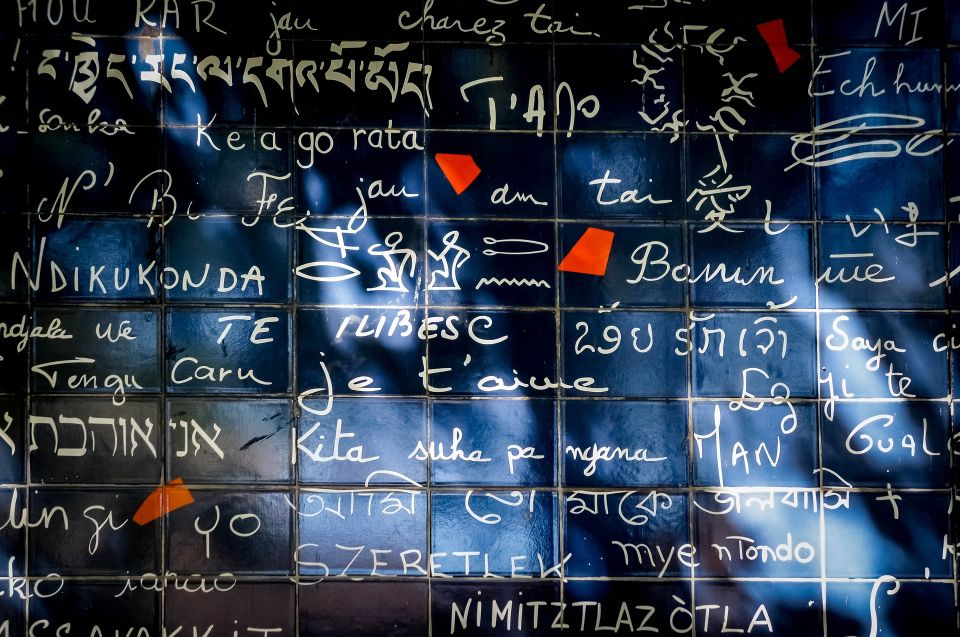
- Place des Abbesses and the I Love You Wall for a sweet, photo-friendly pause
- Picasso’s studio stop tied to the art-world moment you’ve heard about
- Guinguette culture, a windmill, and Montmartre’s last vineyard for the “how artists lived” part
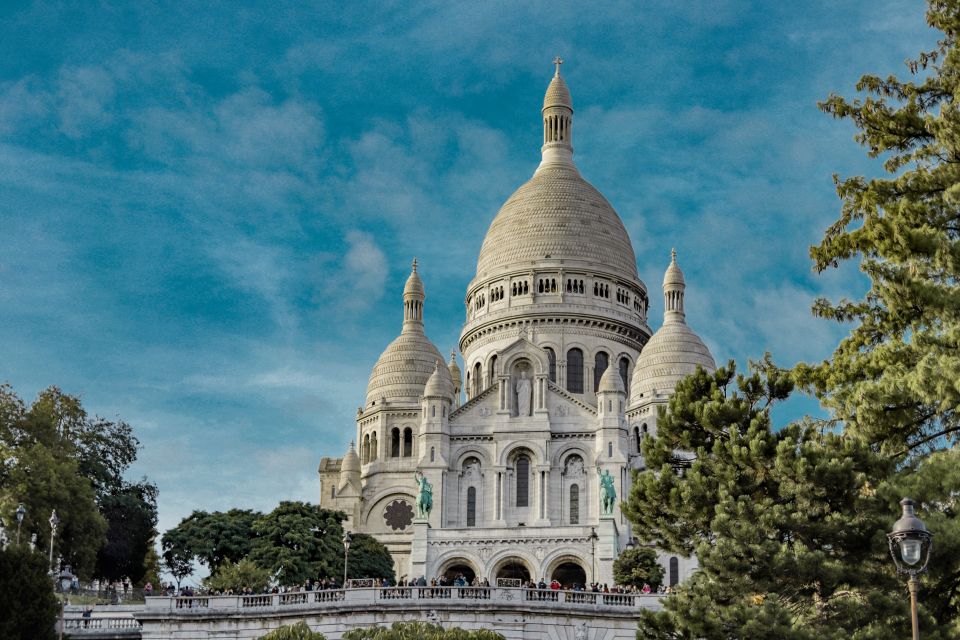
- Finish at Sacré Coeur for big, citywide panoramic payoff
Where the tour really begins: Moulin Rouge as the story opener
You meet at the front of the Moulin Rouge, and right away the tour feels like it has a point of view. The guide doesn’t just name the landmark. They explain why this area earned its reputation in the golden era of cabarets—when music halls weren’t polite, when artists mixed with nightlife, and when scandal was almost part of the entertainment.
That matters because Montmartre can otherwise turn into a checklist: pretty streets, famous buildings, quick photos. Starting here gives you a frame for everything you’ll see later. As you head uphill, you start reading the neighborhood like a timeline, not just a scenic walk.
Practical tip: the guide wears a badge. If city works shift the exact meeting spot, they may move the meeting point to the square facing the Moulin Rouge, so keep an eye out when you arrive.
You can also read our reviews of more walking tours in Paris



The climb: Amélie corners and the Van Gogh trail
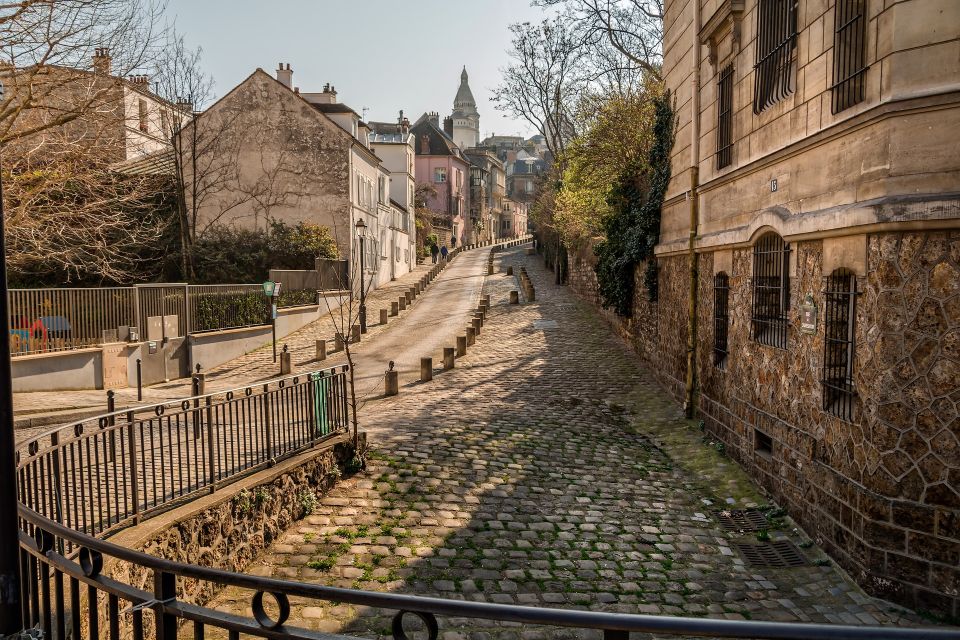
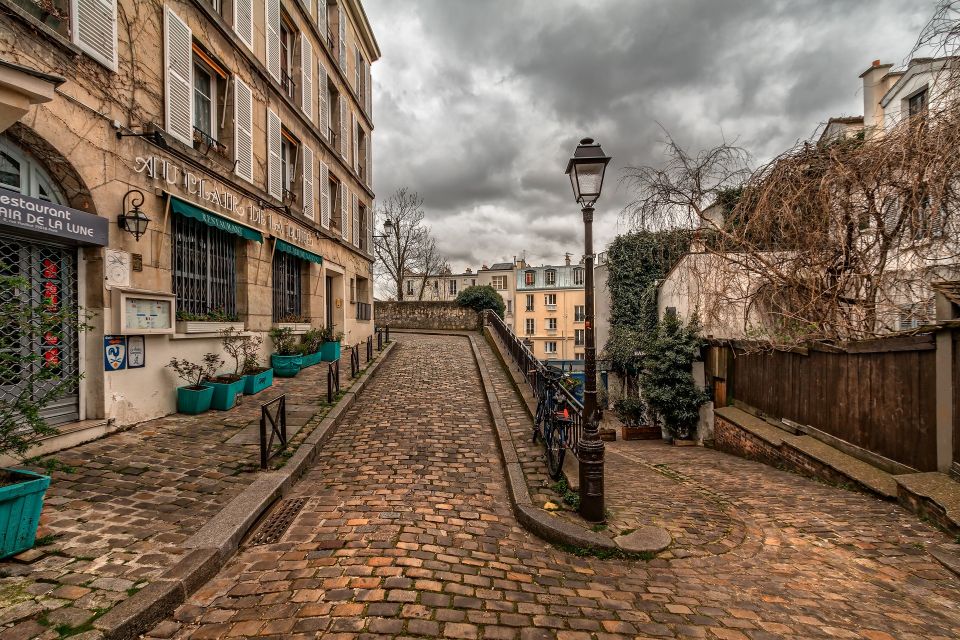
Once you begin the ascent, the tour leans into a simple idea: art history is easier when it’s tied to what’s directly in front of you. The guide points out an iconic film location from Amélie, which helps you get your bearings quickly if you’ve seen the movie. Even if you haven’t, it’s a good way to understand how Montmartre got translated into pop culture.
Then the story shifts toward Van Gogh—old stomping grounds, walking-time details, and the vibe of an artist neighborhood where creative people kept circling the same streets. This is where the tour does a good job of staying human. You’re not just hearing about paintings. You’re learning how artists moved through the area and how certain blocks became part of their daily rhythm.
A small drawback here: because the tour is physically moderate and you’re climbing, this is not the moment to force heavy distractions. If you’re the type who wants to stop for long breaks every few minutes, you may feel the pace. For most people with decent stamina, it’s still an enjoyable rhythm—just plan around the hill.
Place des Abbesses: romantic, quirky, and made for photos
Place des Abbesses is one of those stops that makes Montmartre feel like a village within Paris. The guide brings the square to life with fun details, including the I Love You Wall—an homage to lovers around the world. It’s a classic photo spot, but the tour doesn’t treat it like a selfie checkpoint. You get a bit of the why behind it, which makes the stop feel earned instead of rushed.
This section also helps you switch gears. After the artist-intense bits, the vibe here is calmer—leafy space, small-scale charm, and a chance to catch your breath before going deeper into the art streets.
I also like that this is where you can reset your eyes. Montmartre’s charm can blur together if you’re just walking on your own. With a guide, you notice the transitions: from nightlife stories to quieter corners, then back toward famous studios and cafés.
Picasso’s studio and the art-world turning point
Picasso’s name is everywhere in Montmartre, but this tour doesn’t treat it like a slogan. At the Picasso’s studio stop, the guide discusses a momentous painting tied to how the art world changed. You’ll hear it in a way that connects the place to the shift, which is what makes studio stops worthwhile.
Here’s the value for you: when someone explains what changed in art and then points to the kind of setting where ideas formed, you understand the work on a deeper level without needing a degree in art history. You start seeing how an artist’s circle, the neighborhood’s energy, and even the local conversations could push style forward.
Also, you’ll likely pass (or be told about) the Maison Rose among the “legendary sights.” It’s one of those recognizable Montmartre visual anchors, and having it explained in context makes it more memorable when you spot it again later.
Guinguettes, easels, and that original windmill feeling
One of my favorite parts of this style of tour is when it stops acting like a museum and starts acting like a story. After the studio stop, you move into classic guinguette territory—the kind of places where artists gathered to drink, dance, and set up their easels.
The guide connects this vibe to real artists’ work done in the neighborhood: Renoir, Van Gogh, Picasso, and Toulouse-Lautrec. That’s important because it reframes Montmartre as a working creative zone, not just a backdrop for famous people. In other words, the tour helps you picture art happening on weekends, not only in grand galleries.
There’s also an original windmill mentioned along the route. Even if you don’t know windmills by heart, it adds a tangible sense of the past. It’s the kind of detail that helps your brain stop treating Montmartre as purely “pretty streets.”
Keep in mind: this portion is still walking time. If you’re hungry or thirsty, the tour doesn’t include food or drinks, so plan around that. A quick snack break is on you.
You can also read our reviews of more guided tours in Paris






The last vineyard in Paris and a cabaret that sparks trouble
Now you get the neighborhood’s unexpected angle: agriculture. You’ll see the last vineyard in Paris, still producing vino today. That detail is genuinely Montmartre: the area doesn’t just look romantic—it has layers of old life that survived development.
This stop works well for you even if you don’t care about wine. It’s a reminder that the hill isn’t only for performances and painters. It also held everyday production, and that mix is part of Montmartre’s character.
The tour also mentions a tiny cabaret that was a favorite of Picasso and was the origin of several outlandish adventures. The guide doesn’t just toss that out. They use it to show how social life and creative life tangled together here. That’s what makes the stories fun: they don’t sit in the clouds. They tie back to actual places you’re walking through.
Outdoor artists at the square: buy a real one-of-one
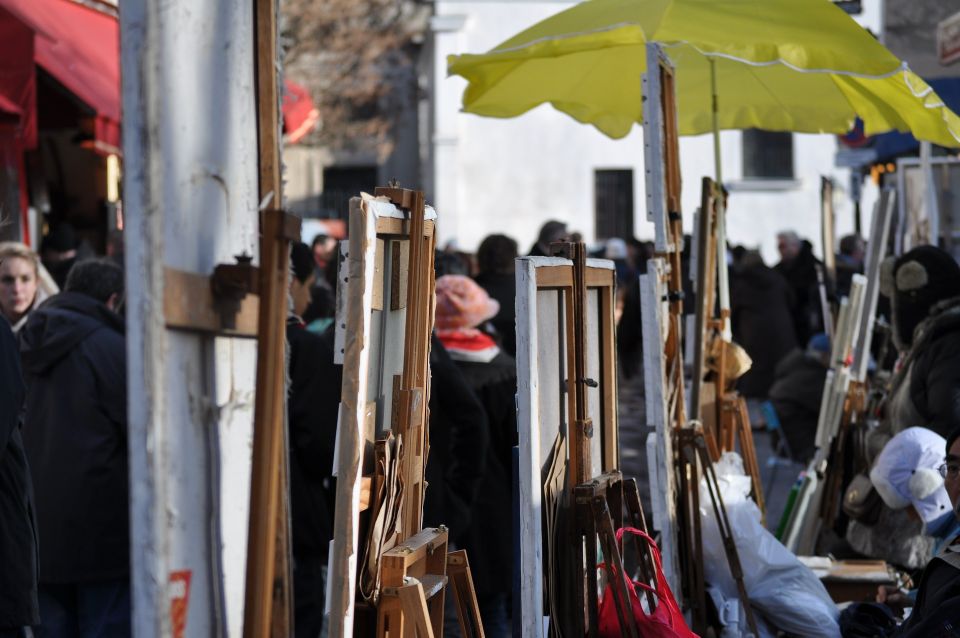
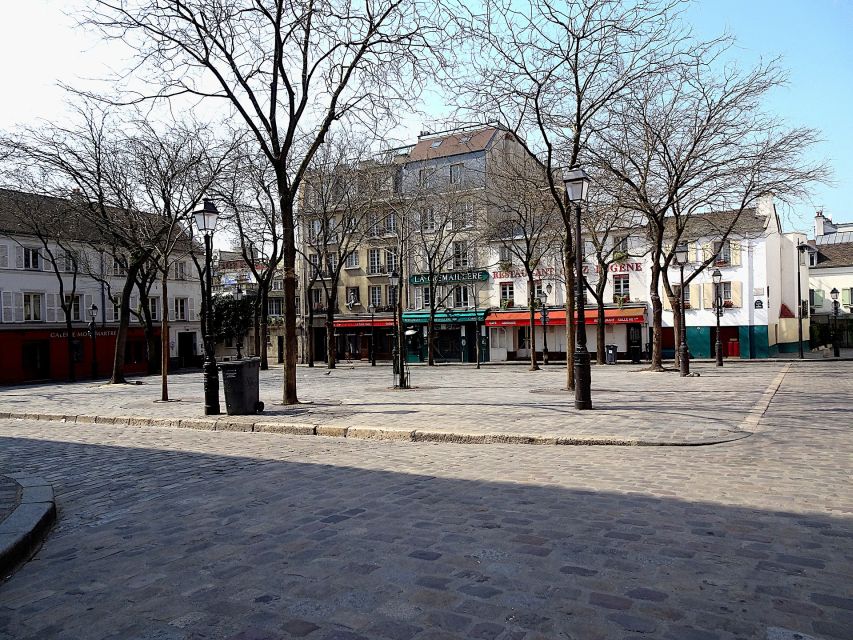
As you go higher, you’ll reach a famous square filled with outdoor artists. Each painting and drawing is original, and you get a chance to pick up a one-of-a-kind souvenir if you’ve been searching for something better than a mass-market magnet.
This is the part I’d plan for if you like taking something home. The tour gives you context first—so when you look at the art for sale, you can feel where it fits into the neighborhood’s long tradition.
A realistic note: prices and styles can vary. If you’re budget-focused, set a number in your head before you start looking. The hill and the pace can make decision-making feel rushed if you wait until the last minute.
Sacré Coeur: panoramic payoff on the final stretch
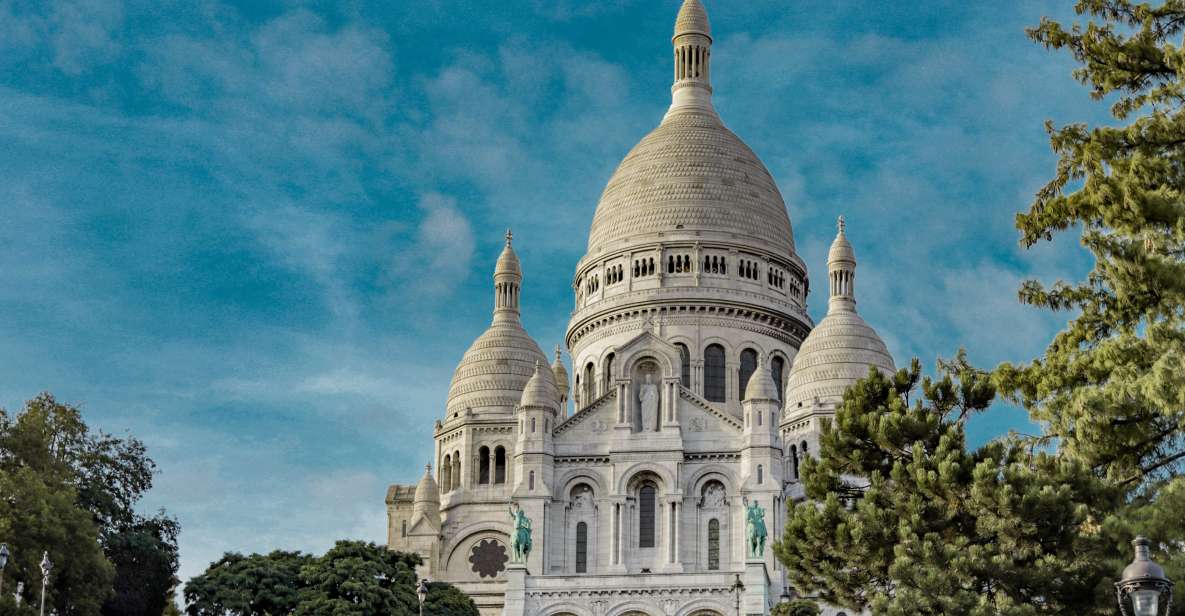
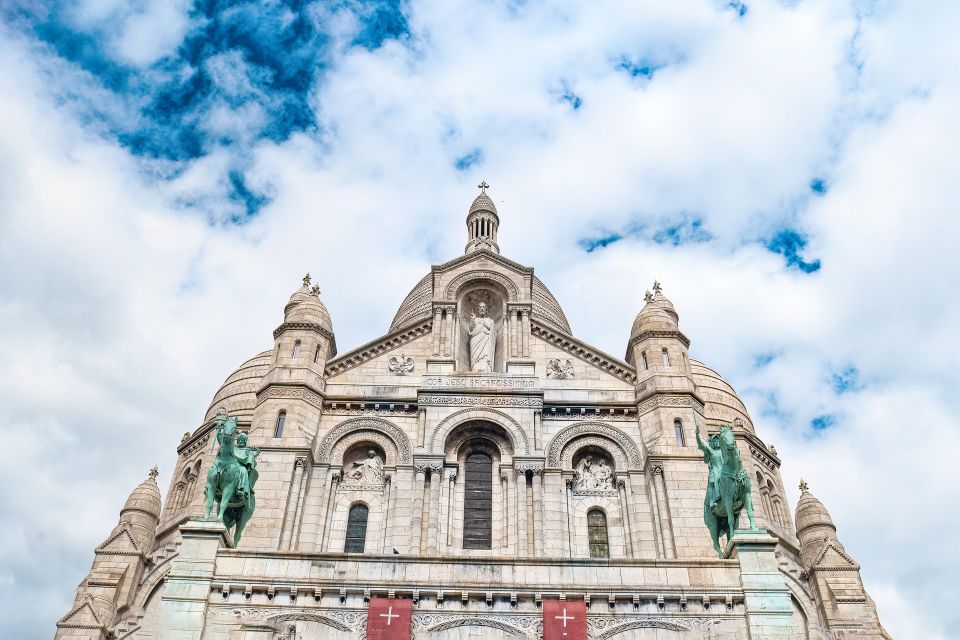
The tour ends in front of Sacré Coeur, described as a shimmering example of Parisian fanciness perched on the hill. When you reach this point, the walk stops being just about history. It becomes about perspective.
From here, you get a breathtaking panoramic view of the city below. This is where the earlier stops matter. When you look out over Paris, you can mentally place the landmarks and stories you just learned into a larger map. That’s the payoff: you finish with photos, yes, but also with an understanding of why this hill matters.
The timing works well because Sacré Coeur is the natural “end button” for the route. You’ve climbed, you’ve learned, and then you see what the hill is for—big sightlines and that iconic Paris feeling.
Price and value: what $57 buys you in real life
At $57 per person for about two hours, this isn’t a bargain deal, but it can be good value depending on how you like to travel. Here’s the practical way I’d judge it:
- You’re paying for a guided narrative that ties together Moulin Rouge, studios, cafés, film locations, and viewpoints.
- You’re paying for direction up a hill that can be confusing if you’re solo—especially in narrow streets where it’s easy to miss the point of the area.
- You’re paying for context you might not get from a self-guided walk, especially the connections between artists and specific local spots.
You’re not paying for food, and you’re not paying for hotel pickup. So think of this as a “buy the brain and save the time” experience. If you enjoy stories and want to feel more grounded than just wandering, the price makes sense.
If you hate walking hills or want a very flexible, meandering pace, you’ll likely feel the cost more sharply. The tour is built around an organized route.
Weather, pacing, and the one thing you should plan for
The tour runs rain or shine unless it’s really pouring rain. That’s helpful, because Paris weather can be unpredictable. When it rains, Montmartre can actually feel atmospheric, but you’ll still be climbing and walking on uneven ground.
Comfort shoes matter most. The route includes cobblestone streets and slopes, and you’ll be on your feet for the full two hours. If you’re choosing between sneakers and dress shoes, pick sneakers. If your feet tire easily on stairs, consider whether you want to push through the uphill sections.
A nice detail from a verified booking: when it rained, Camille handled a small group of just two guests and kept things highly informative. That’s not a promise for every day, but it suggests the guide style can adapt well when the group is smaller.
Who this Montmartre walk suits best
This guided walk is a great fit if you want:
- Art-focused storytelling that ties famous names to places you can see
- A route that includes both big landmarks and small neighborhood charm
- A clear two-hour plan instead of hours of guesswork uphill
- Time to enjoy views at the end without needing to coordinate everything yourself
It’s less ideal if:
- You struggle with hills and stairs and don’t want moderate uphill walking
- You need food or drink included (it isn’t)
- You prefer a totally self-directed experience with no pacing at all
Should you book the Charms of Montmartre walking tour?
If you like Montmartre but want it to make sense—Picasso, Van Gogh, the cabarets, the film references, and the payoff at Sacré Coeur—then yes, I’d book this. The route is concentrated, the stories give the neighborhood texture, and the two-hour length keeps it from turning into an all-day slog.
Just go in with one expectation: this is an uphill walking tour. Wear good shoes, be ready for slopes, and plan to spend your energy on the climb so you can fully enjoy the panoramic view at the end.
FAQ
Where is the meeting point for the tour?
Meet your guide in front of the Moulin Rouge. They wear a badge. If city works prevent meeting directly at the Moulin Rouge, the meeting point may move to the square facing the venue.
How long is the guided walking tour?
The tour lasts 2 hours.
Is the tour guided in English?
Yes, the live guide speaks English.
What is the weather policy?
The tour takes place rain or shine, unless it is really pouring rain.
Is the walking easy?
It’s described as physically moderate. Montmartre is a hill, so you should expect some stairs and slopes.
What’s included, and what isn’t?
Included sights include Sacré Coeur, Moulin Rouge, Picasso’s studio, and the Maison Rose, plus stories about bohemian Montmartre and neighborhood charm. Food and drinks are not included.
What should I bring, and what’s not allowed?
Bring comfortable shoes. Smoking, vaping, and alcohol and drugs are not allowed, and the tour also doesn’t allow weapons or sharp objects.
Can I get a refund if my plans change?
There is free cancellation up to 24 hours in advance for a full refund. You can also reserve now and pay later to keep plans flexible.