REVIEW · PARIS
Orangerie Museum Entry Tickets and Private Guided Tour
Book on GetYourGuide →Operated by TourUpinEurope · Bookable on GetYourGuide
Monet’s Water Lilies feel life-size here. In a private guided tour of the Orangerie, you get expert context for what you’re seeing and a steady pace through Paris’s most contemplative rooms. The star is, of course, Water Lilies, but the value is how the guide connects it to the wider art shift that followed.
I especially like how a good guide turns museum-famous names into something you can actually look for—the scale, the brushwork choices, and the mood they’re aiming at. I also like that you’re not stuck in one-gallery mode; you’ll move beyond Monet to see major works by Cézanne, Picasso, Renoir, and others in one calm stretch. One possible drawback: if you care deeply about a specific painter (say, Picasso), you’ll want a guide who gives that artist enough time, not just a quick stop-and-go intro.
Key takeaways (what matters most)
- Meet at the Tuileries entrance area and start right away with your guide—less fumbling, more looking.
- Monet’s Water Lilies are experienced as panoramas, not tiny paintings, with on-the-spot guidance.
- Cézanne, Picasso, and Renoir help you track how modern art changed between late 1800s and early 1900s.
- A narrative through modern art ties the rooms together, so the museum feels like a story, not a checklist.
- Private group pacing means you can ask questions without feeling rushed.
- Flash photography is not allowed, so plan for natural-light viewing and slower looking.
In This Review
- Getting Orangerie Tickets and a Private Guide at the Tuileries Entrance
- First Look: The Orangerie Museum and How Your Guide Sets the Tone
- Monet’s Water Lilies: How to See the Panoramas Like an Artist
- Beyond Monet: Cézanne, Picasso, Renoir, and the Modern Art Chain
- How the Tour Explains the Evolution of Modern Art
- A Calm 3 Hours in a Busy Paris
- Languages, Pace, and Private-Group Comfort
- Price Check: Is $224 per Person Worth It?
- Tips That Make Your Visit Smoother (No Flash Included)
- Who This Tour Fits Best
- Should You Book Orangerie Or Monet Water Lilies Private Tour?
- FAQ
- How long is the Orangerie Museum entry and private guided tour?
- Is this tour private or shared?
- What is included with the ticket?
- Where do I meet my guide?
- Is the tour wheelchair accessible?
- What languages are available for the live guide?
- Are flash photos allowed inside the museum?
- Can I cancel for a refund?
Getting Orangerie Tickets and a Private Guide at the Tuileries Entrance
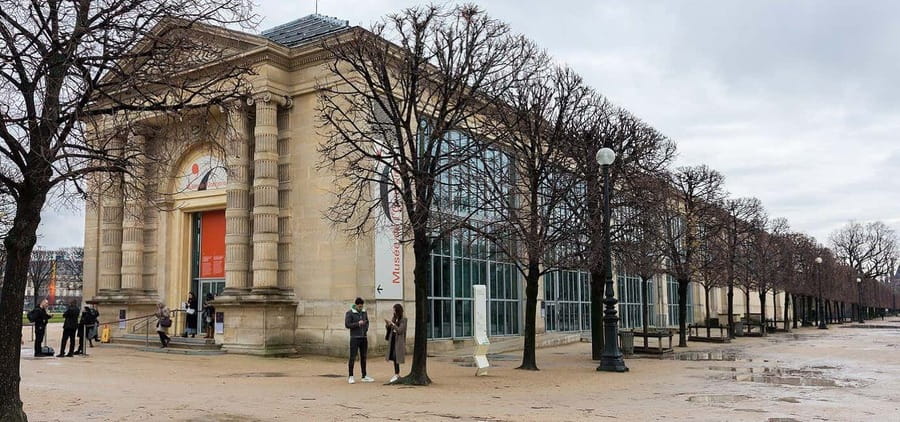
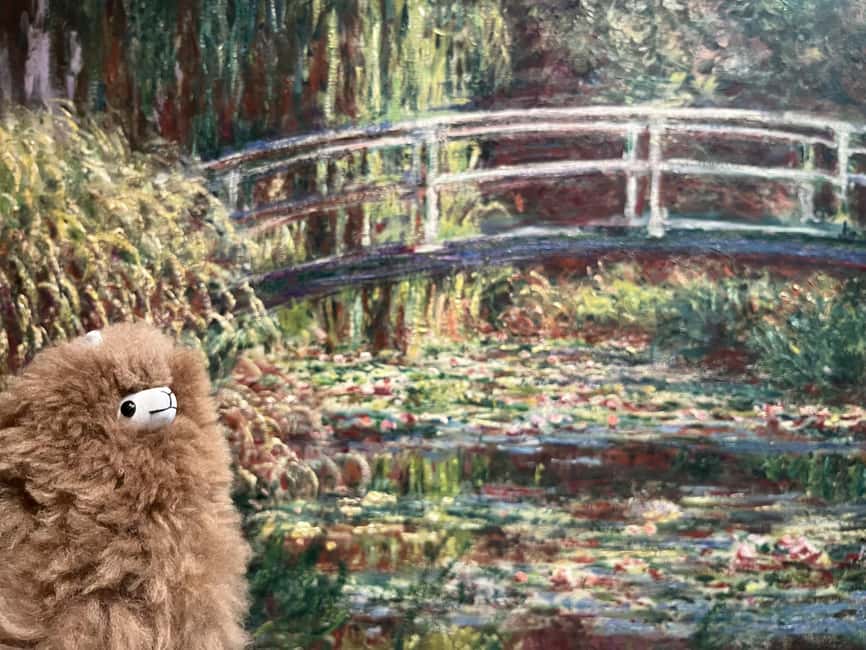
This is one of those Paris museum visits where the real win is what happens before you even enter. You meet outside the Orangerie Museum, on the right side of the entrance, in the Tuileries Garden area. Look for the team member with a small llama mascot from Tour Up in Europe—an easy visual cue when you’re trying to orient fast.
Because this is a private group tour, you’re not competing with a big herd at the entrance. You’ll also get help if anything goes sideways. For urgent matters, your guide’s contact details are sent to your email the morning of your tour, and you can call or text.
Practical note: the museum is wheelchair accessible, which matters because Orangerie viewing is so much easier when you can move comfortably between rooms instead of planning around bottlenecks.
First Look: The Orangerie Museum and How Your Guide Sets the Tone
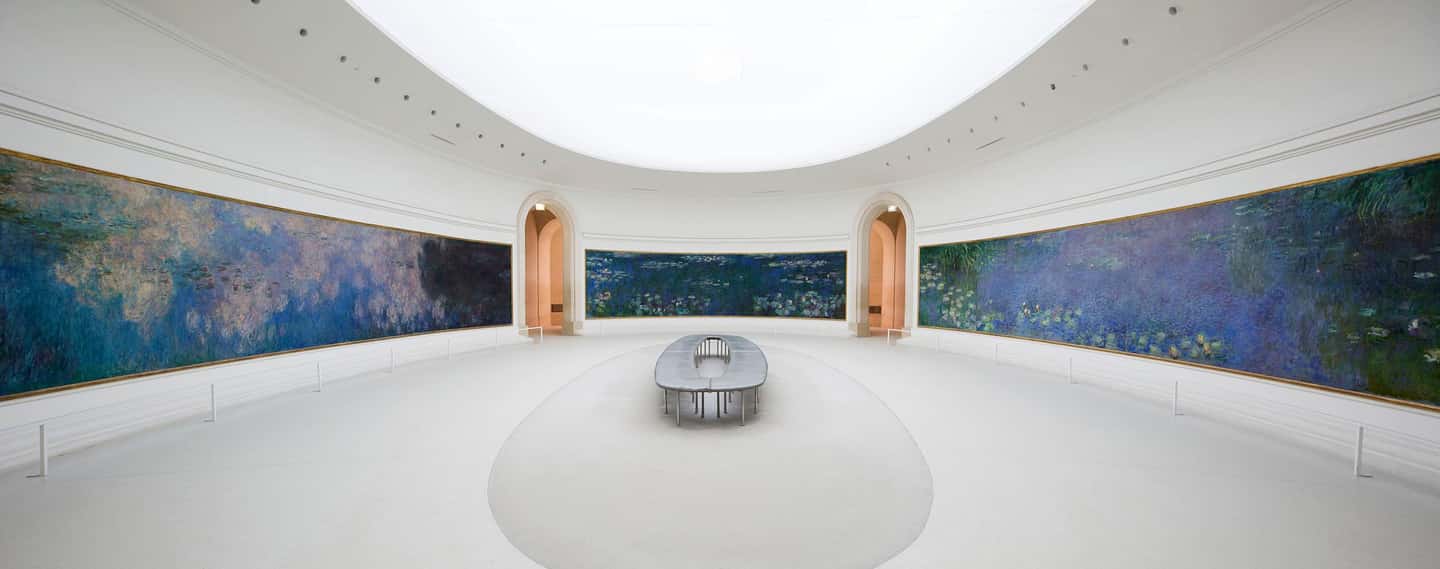
The Orangerie experience is built around looking in a particular way. Yes, you’ll recognize Monet’s name before you arrive. But once you’re inside, it’s the atmosphere that hits first—quiet rooms, long sightlines, and artwork that asks you to slow down.
Your guide starts with a brief introduction to the museum’s significance. That matters because people often arrive thinking Orangerie is only about one masterpiece cycle. The truth is broader: the museum’s collection helps explain how modern art grew teeth after Impressionism, and why the late 19th- and early 20th-century period changed what painting could do.
Also, since your tour runs about 3 hours, the guide’s job is to pace the room turns so you still feel calm at the end. If your guide is doing it well, you’ll finish with more than recognition—you’ll have a way to describe what you saw.
You can also read our reviews of more tours and experiences in Paris



Monet’s Water Lilies: How to See the Panoramas Like an Artist
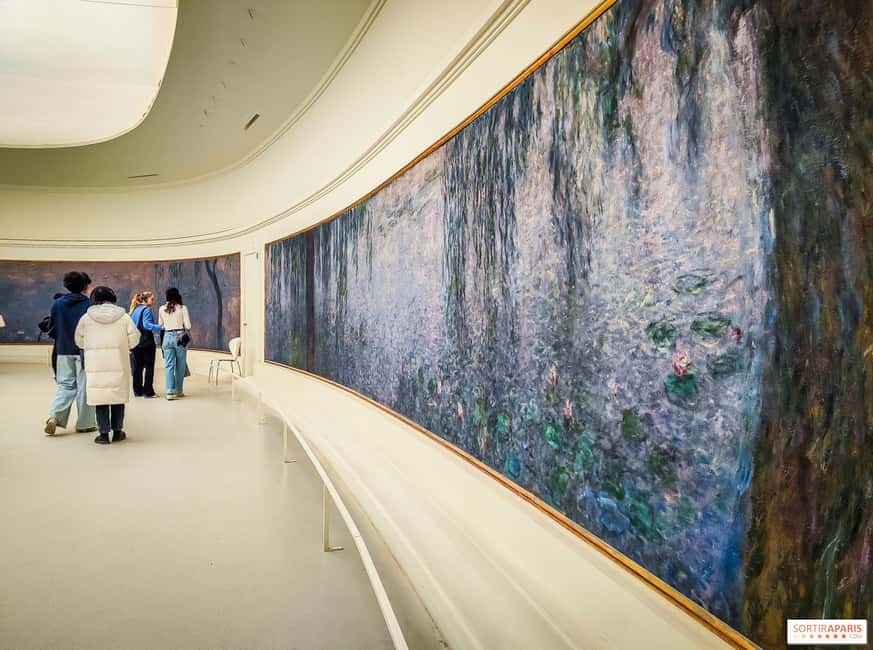
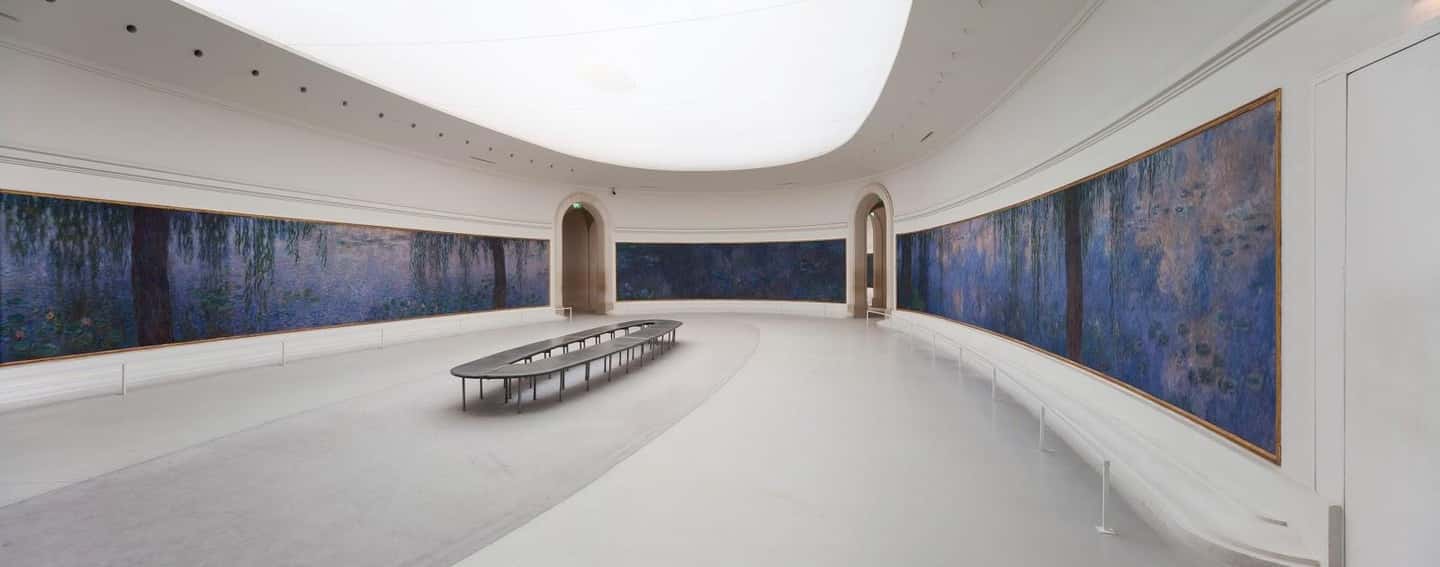
The headline attraction is Monet’s Water Lilies. Expect to encounter them as expansive, immersive-style canvases that fill your field of view. The guide’s role here isn’t to repeat labels. It’s to help you understand what Monet was trying to do with form, light, and space.
Here’s what to pay attention to while you’re listening:
- How the surfaces shift, even when the subject looks simple.
- How the paintings blur the line between a picture and the feeling of being near water.
- Why scale changes your brain’s sense of distance.
Your guide shares insight into Monet’s vision and the impact these works had. That’s key because it turns the visit from appreciation into comprehension. You start noticing the choices—how the composition guides your eye, how the atmosphere feels consistent even as details change.
And one important rule: flash photography is not allowed. It’s not just a policy; it helps preserve the viewing mood. Plan for phone photos only if you’re permitted without flash, and otherwise let your eyes do the work.
Beyond Monet: Cézanne, Picasso, Renoir, and the Modern Art Chain
After Monet’s rooms, you’ll shift into the Orangerie’s wider collection, where the art story gets more complex. This is where the tour becomes more than a famous-name stop.
You’ll see major works connected to the big turning points in modern art, including artists like Cézanne and Picasso, plus Renoir and others. The value of this portion is the way your guide helps you connect the dots. Instead of thinking of each painter as isolated, you start seeing the conversation happening across years and styles.
A good guide will steer you toward comparisons you can actually spot:
- Where one artist simplifies form or pushes structure.
- Where another artist changes color relationships or brush handling.
- Where the subject matter begins to feel less like realism and more like a way to express ideas.
One word of caution: if you’re a die-hard fan of a specific painter, don’t assume every guide will match your preference. A practical approach is to be ready with one question you care about before you enter. If you want more on Picasso, ask for it by name. Good art tours flex when you guide the guide (nicely).
How the Tour Explains the Evolution of Modern Art
This tour is designed around an explanation arc: not just what’s in the building, but how the artworks relate to the evolution of modern art.
In a 3-hour visit, that structure is what prevents “museum brain.” Labels alone can turn into noise, especially when you’re moving from Impressionism-adjacent works toward early modern experiments. With the guide’s narrative, you’ll understand why the changes happened: painters reacting to perception, experimenting with technique, and redefining what a painting can be.
Think of it as learning a visual grammar. Once you know what to look for—shape, color logic, brush decisions, compositional control—you start reading the museum differently. Monet becomes not just a favorite artist, but a key step in the broader shift toward modern art.
And yes, the Orangerie setting helps. It’s serene enough that the story lands without feeling rushed or chaotic.
A Calm 3 Hours in a Busy Paris
Paris museums can be a lot: crowds, lines, and the pressure to move faster than your attention span. This experience works because it’s built for breathing room.
Your visit is organized around a private flow through the museum rather than a high-speed group schedule. The result is that you can linger on the paintings that pull you in and move on when you’re ready. That kind of control matters a ton for the Orangerie because the best moments often happen when you stop trying to “finish” and start actually looking.
Also, because you’re getting an expert guide and a museum ticket included, you’re not stitching together multiple reservations. In practical terms, that reduces stress and keeps your time focused on the art rather than logistics.
You can also read our reviews of more guided tours in Paris






Languages, Pace, and Private-Group Comfort
One of the genuinely helpful parts of this tour is that the guide can run in multiple languages: English, Italian, French, German, Spanish, Chinese, Japanese, and Korean. If you want nuance (and art tours do), choose the language you’re most comfortable using to ask questions.
Pace is also part of the deal. Private group format means your guide can adjust the tempo to how your eyes are responding. Some people want more time in the Monet rooms. Others want more comparisons in the collection. Either way, you’re in control of the feel of the tour.
And with wheelchair accessibility built in, you won’t have to gamble on whether the visit will work smoothly for your mobility needs.
Price Check: Is $224 per Person Worth It?
At $224 per person for a private 3-hour tour with an expert guide plus the museum entrance ticket, you’re paying for three things at once:
1) expert interpretation (not just audio),
2) a reserved, guided pace,
3) and the convenience of having ticket access handled.
Is it cheap? No. But for the Orangerie, you’re paying for a high-impact museum experience where the difference between an OK visit and a great one is usually the guidance. Monet’s Water Lilies can look stunning without help, but the guide is what helps you understand why it’s important and how the artist achieved the effect.
If you’re traveling with a partner or small group and want the museum to feel personal rather than crowded, the cost is more defensible. If you’re solo and comfortable with self-guided museum time, you could potentially save money with an unguided visit. But if your goal is to leave feeling you truly understood what you saw, this is the setup that gets you there.
Tips That Make Your Visit Smoother (No Flash Included)
You don’t need fancy prep, but a few choices make a big difference:
- Wear comfortable shoes. Even a “short” museum visit adds up when you’re stopping to look.
- Plan for slow viewing. The Monet rooms reward patience more than speed.
- Bring one or two art questions. Examples: what Monet changed over time, or how Cézanne’s structure influenced later painting (your guide can help connect the dots).
- Expect a strict photo rule: flash photography is not allowed. Let the paintings be the main event.
If you’re the type who likes to read labels quickly and move on, this tour will still work. The guide’s explanations give you enough structure to enjoy the museum even when you’re not in full textbook mode.
Who This Tour Fits Best
This tour is a strong match if you:
- Love Impressionism and want Monet’s Water Lilies to make more sense, not just look pretty.
- Want a guided route through key modern names such as Cézanne, Picasso, and Renoir, without adding extra ticketing or planning.
- Prefer a private setting where you can ask questions and control how long you stay with each room.
- Want the Orangerie experience without spending your energy figuring out the best way to move through it.
It might not be ideal if you want a very broad, stop-everything overview of every corner of the museum with equal time for every artist. In a 3-hour private plan, someone has to get more attention than someone else—and a good guide will try to match your priorities.
Should You Book Orangerie Or Monet Water Lilies Private Tour?
I’d book this if your goal is to see Water Lilies with real context and come away with a clearer understanding of the modern art shifts that follow. The private format, expert guidance, and included ticket create a smooth, low-stress visit that keeps your attention on the paintings.
Skip it only if your main priority is saving money or you’d rather wander without guided interpretation. In that case, you can still enjoy Orangerie—but you’ll be relying on the museum labels and your own instincts to build the story.
If you do book, choose a guide language you’ll feel confident asking questions in, and go in with one focus artist. The tour works best when you let your curiosity steer the conversation.
FAQ
How long is the Orangerie Museum entry and private guided tour?
The tour duration is 3 hours.
Is this tour private or shared?
This is a private group experience.
What is included with the ticket?
The activity includes an expert guide and a museum entrance ticket.
Where do I meet my guide?
Meet outside the Orangerie Museum on the right side of the entrance, which is located inside the Tuileries Garden. You should look for someone with a small llama mascot from Tour Up in Europe.
Is the tour wheelchair accessible?
Yes, it is listed as wheelchair accessible.
What languages are available for the live guide?
Live guide languages include English, Italian, French, German, Spanish, Chinese, Japanese, and Korean.
Are flash photos allowed inside the museum?
No, flash photography is not allowed.
Can I cancel for a refund?
Yes. Free cancellation is available up to 24 hours in advance for a full refund.