REVIEW · PARIS
Montmatre Walking Tour: the essential highlights+
Book on GetYourGuide →Operated by Black Cat Tours Paris · Bookable on GetYourGuide
Montmartre feels like Paris with the volume turned up. You get Sacré-Cœur for that big-statement view and Place du Tertre to see the artists at work in the open air, all wrapped in stories that make the hill’s creative reputation feel real. I also like that you’re not rushed through ticket-only spots; the magic comes from streets, squares, and the people-watching Montmartre does best.
One thing to consider is timing. If you book a later start, the experience can shift toward dark streets and cold air, and parts of the square may be winding down, including moments around the basilica visit.
In This Review
- Quick hits
- Why Montmartre Feels Like a Different Paris
- Starting at Anvers Metro: Easy Access, Less Stress
- Sacré-Cœur Basilica: The View, the Vibe, and No Ticket Hassles
- Place du Tertre: Outdoor Art, Real Atmosphere
- Cabaret Patachou, the Old Vineyard, and the Little Details That Make It Click
- Lapin Agile, Passe-Muraille, and the Hill’s Famous Footsteps
- Moulin de la Galette: Windmills and a Taste of Belle Époque
- Le Bateau-Lavoir: Where Creative Life Looks Closer
- How Long You’ll Be Walking (and How to Not Get Miserable)
- Price and Value: Is $41 a Fair Deal?
- Who This Tour Fits Best (and Who Might Want Something Else)
- The Practical Stuff: Meeting Point, Weather, and What’s Included
- Should You Book This Montmartre Walking Tour?
- FAQ
- How long is the Montmartre walking tour?
- Where do we meet for the tour?
- What language is the tour in?
- Does the tour include entering paid attractions?
- What sights will we see?
- Is the tour outdoors?
- Is the tour wheelchair accessible?
- Is there a coffee stop included?
- How much does the tour cost?
Quick hits
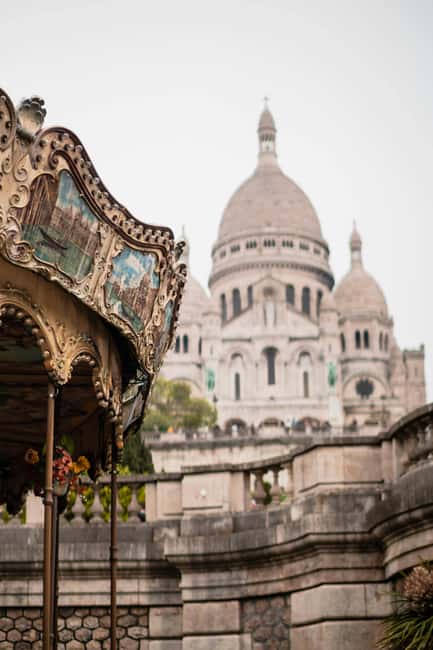
- Sacré-Cœur first: take in the view and the spiritual atmosphere before your feet start exploring the side streets.
- Place du Tertre on display: watch artists painting outdoors and learn what the square is known for.
- Old Montmartre landmarks: you’ll pass key stops like Lapin Agile, Passe-Muraille, and Le Bateau-Lavoir without hunting around alone.
- Cabaret and windmill energy: you get that belle époque imagination at Moulin de la Galette plus a look toward Moulin Rouge.
- A guide who keeps it human: guides like Johnny and Ewan have stood out for being fun, funny, and heavy on useful context.
- Rain or shine walking style: bring shoes you trust; it’s about moving and looking, not staying inside.
Why Montmartre Feels Like a Different Paris
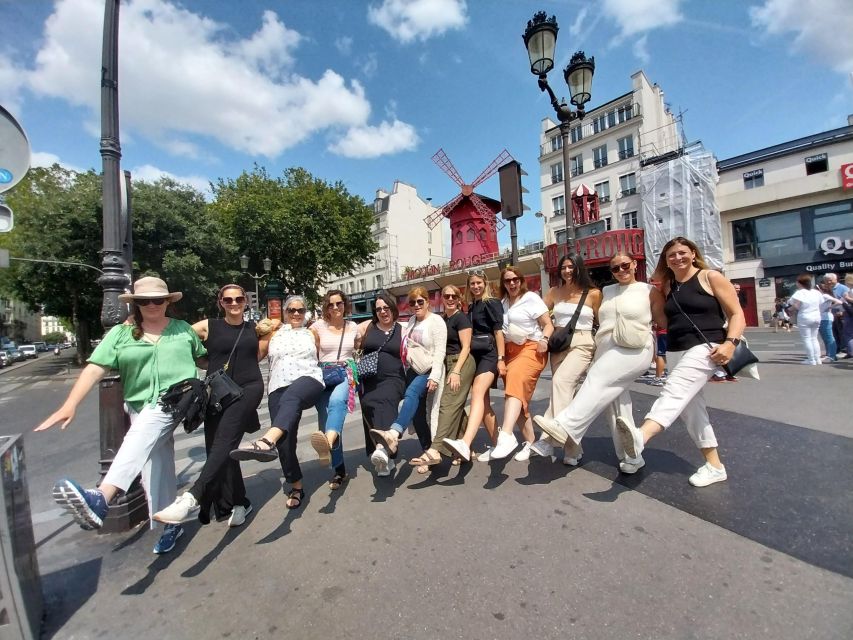
Montmartre has a personality you can feel within minutes. It’s the part of Paris where creativity and nightlife have lived side-by-side for generations, from cafes and cabaret halls to the famous late-night atmosphere that’s never fully gone away. That mix is what makes the area more than just a photo stop.
What makes this walking tour work is that it treats Montmartre like a story you walk through. You’re not only looking at sights; you’re hearing why they matter—how this neighborhood became a magnet for artists, dreamers, and anyone drawn to the edge of what’s acceptable. Even if you only have a short amount of time, you’ll get the sense of why the hill has such a legend.
You can also read our reviews of more walking tours in Paris



Starting at Anvers Metro: Easy Access, Less Stress
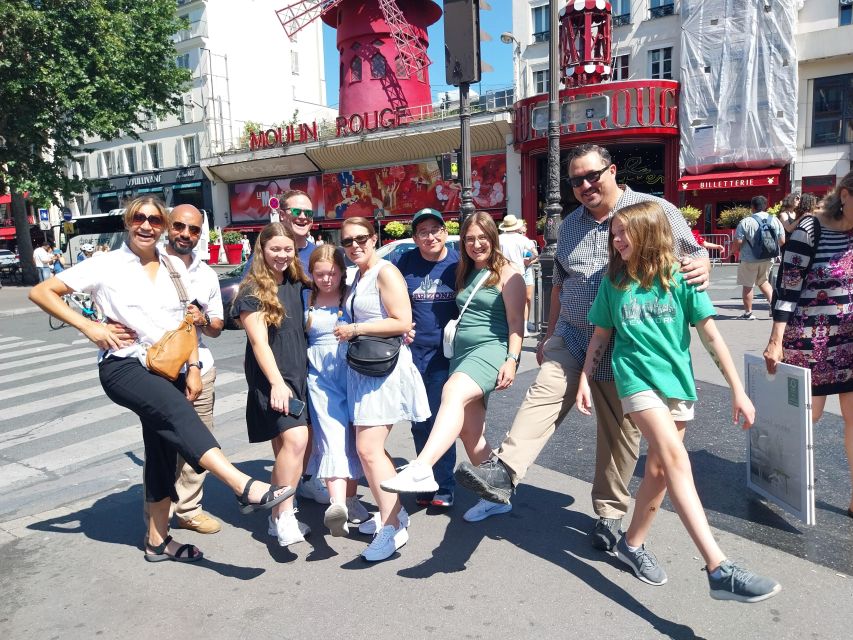
You meet at the Anvers metro station, near the kiosk, where the guide holds a sign. That’s a practical detail because it keeps you from doing a time-wasting Metro hunt while you’re already in sightseeing mode. Anvers is also a good launching point because it puts you right where the Montmartre climb and discoveries begin.
Bring a small amount of flexibility with you. This isn’t a long, museum-heavy route. It’s a guided walk, which means you’ll get the most out of it if you’re ready to keep your eyes up and your pace steady for about 2.5 hours.
Sacré-Cœur Basilica: The View, the Vibe, and No Ticket Hassles
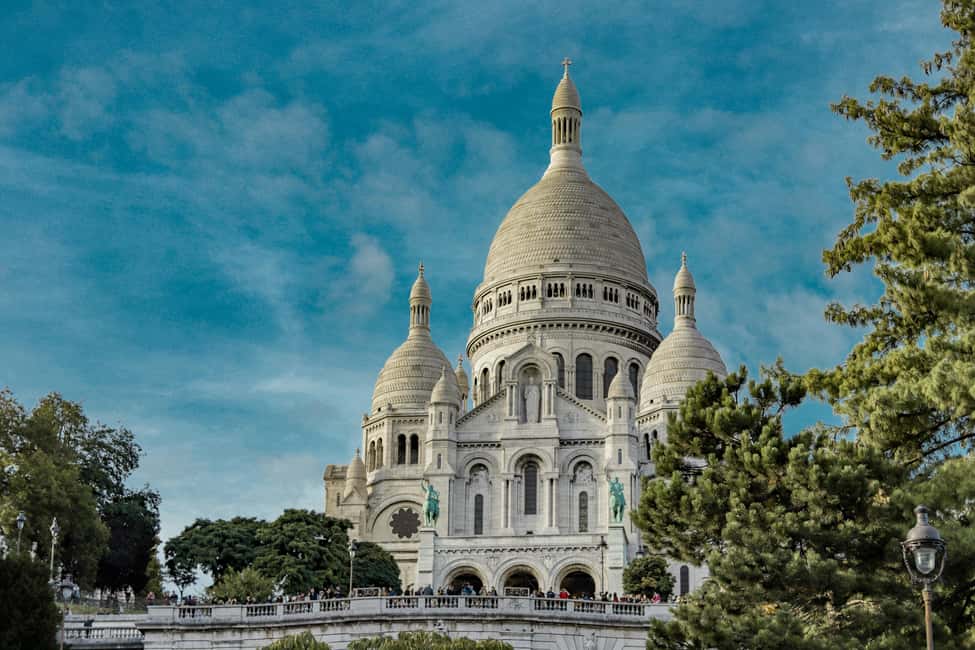
Sacré-Cœur is the obvious anchor for Montmartre, but the best part is how it changes your mood. The basilica’s presence gives you that spiritual pause people are chasing, then the walk continues so you don’t lose momentum. The tour includes a guided look here, plus time on foot.
A practical bonus: this is a walking tour that does not enter paid, ticketed attractions. That matters because you can stay focused on what you’re seeing instead of thinking about timed entry or extra fees.
One consideration: sometimes visits can be affected by service schedules. In one experience, going inside was delayed by a mass, which nudged the timing of what could be done next. That’s not a deal-breaker, but it’s a good reason to avoid expecting every moment to be perfectly timed, especially on busier days or later starts.
Place du Tertre: Outdoor Art, Real Atmosphere
If you want the classic Montmartre picture—artists painting in open air—this is where you get it. At Place du Tertre, you’ll see the square as an active workspace, not just a backdrop for selfies. You’ll also get a guided take on what the area represents in Montmartre’s artistic myth.
The square is also a “look-around” stage. It’s a place where you naturally slow down: watch brushwork, notice how artists frame their scenes, and take in the density of street-life that can’t be manufactured. This is the kind of moment you can’t recreate by reading about Montmartre later.
Timing again matters. If your tour starts in the evening, you may find the square beginning to pack up as the light fades, and that can affect the feel of the artists’ presence and how long you can linger comfortably.
Cabaret Patachou, the Old Vineyard, and the Little Details That Make It Click
This tour doesn’t only hit the biggest names. You’ll also pass smaller, Montmartre-specific markers that add texture. The route includes stops and views around places like Cabaret Patachou and an old vineyard area, plus landmarks such as the bust of Dilada.
Those details matter because they show Montmartre isn’t one big postcard. It’s layers: performers, neighborhood life, local legends, and the history people attach to corners you might otherwise walk past without noticing.
This is also where a good guide earns their spot. When you’re on the hill, it’s easy to feel like you’re just moving through streets. A great guide turns those movements into understanding—what you’re seeing, why it’s there, and what role it played in shaping Montmartre’s reputation.






Lapin Agile, Passe-Muraille, and the Hill’s Famous Footsteps

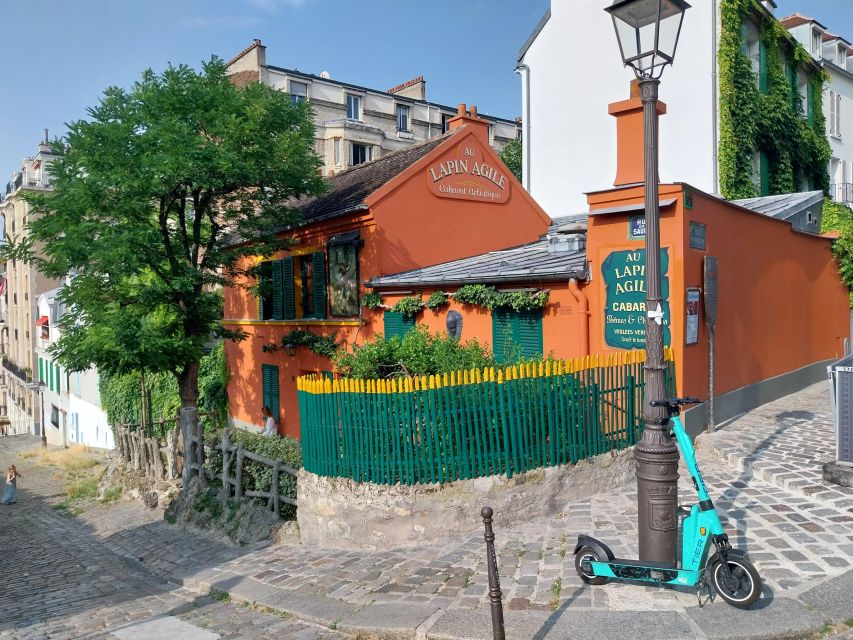
Lapin Agile is one of those Montmartre names that instantly signals you’re in the creative zone. With a guided stop here, you’re not just looking at a landmark—you’re learning how this kind of space became part of the area’s identity.
Then there’s Passe-Muraille, another spot that’s famous precisely because it feels a little magical. It’s the sort of landmark that works well with anecdotes: even if you’ve seen a photo before, standing nearby with context makes it feel more than a curiosity.
The alleyways are part of why you book a guided walk. On your own, you might miss the right turns or spend time backtracking. With a guide, you keep moving in the direction that reveals the neighborhood rather than repeating it.
This is also the portion of the tour that many people appreciate most: you get the sense of following in the footsteps of the neighborhood’s creative legends, without needing insider knowledge.
Moulin de la Galette: Windmills and a Taste of Belle Époque

At Moulin de la Galette, you get that signature Montmartre windmill-era atmosphere. The tour invites you to imagine the belle époque vibe here—more than just the structure itself. This is where the setting starts to feel theatrical: the hills, the views, and the idea of old Paris social life.
And even if you’ve only seen modern versions of these landmarks, a guided context can connect them to the stories that made Montmartre famous. That’s the value of pairing “sight” with “meaning.” You remember what you saw because you understand what it symbolizes.
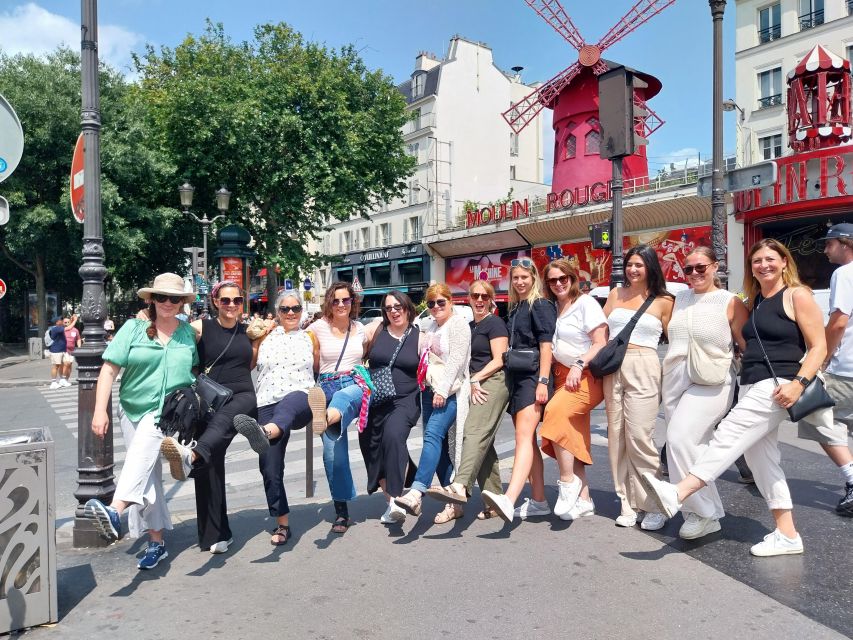
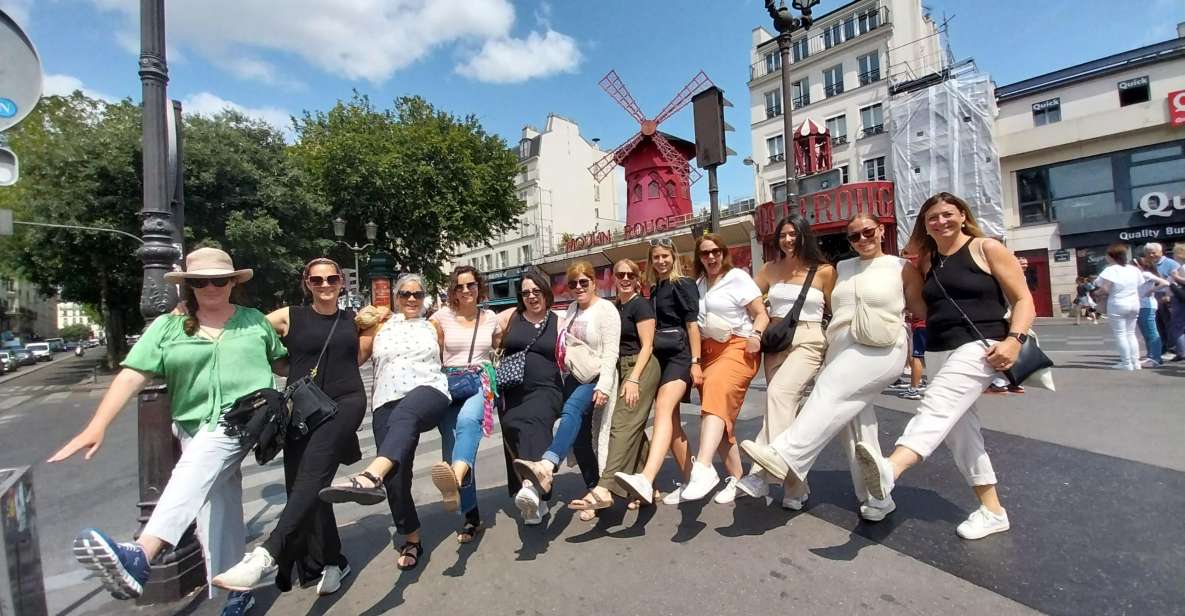
You’ll also come across views toward Moulin Rouge. You’re not going inside as a ticketed attraction, but seeing the area from the right angles helps the whole day feel like one connected Montmartre picture.
Le Bateau-Lavoir: Where Creative Life Looks Closer
A special stop on the route is Le Bateau-Lavoir. It’s a name that carries artistic energy, and with a guided explanation it becomes easier to picture how creative communities formed in real neighborhood spaces.
This part of the walk is valuable if you like seeing how art history overlaps with everyday geography. You’re not only admiring the famous sights; you’re also getting a sense of where creators gathered, worked, and collided.
If you’re the type who enjoys stories that link places to people, you’ll likely enjoy this stop the most. It’s less about “wow, that building” and more about “oh, that’s how the scene worked.”
How Long You’ll Be Walking (and How to Not Get Miserable)
This is a walking tour of around 2.5 hours, and it runs rain or shine. That’s straightforward, but it still matters for planning. Good shoes are the difference between a fun walk and an achy afternoon.
Because the schedule can include basilica timing and street-life changes, think about how flexible you are with the vibe. Late starts can bring cold air and earlier darkness, which can make the outdoor parts feel shorter or less comfortable. One practical tip: if you’re sensitive to temperature drops, you’ll probably enjoy an early or morning slot more than a 5:30pm-ish start.
Bring layers. You’ll move, then you’ll pause for explanations, then you’ll move again. A light jacket or sweater helps you stay comfortable through those cycles.
Price and Value: Is $41 a Fair Deal?
At about $41 per person, this tour is priced like a focused, guide-led experience rather than a budget attraction bundle. The value comes from three things you actually get:
First, you pay for an English live guide, not a self-guided map. Good guides do more than recite facts; they connect dots and point out what matters so you don’t waste time wondering what you’re looking at.
Second, the tour hits multiple key Montmartre touchpoints—Sacré-Cœur, Place du Tertre, Lapin Agile, Moulin de la Galette, Le Bateau-Lavoir, and view passes like Moulin Rouge—without making you juggle paid entries.
Third, the timing is manageable. At roughly 2.5 hours, you can fit it into a day that also includes other Montmartre exploring. It’s a good “core Montmartre” option if you don’t want a half-day van or a full-day museum commitment.
If you want to spend the rest of your time wandering independently, this tour can set you up with the right mental map so you know where to go next.
Who This Tour Fits Best (and Who Might Want Something Else)
This Montmartre walking tour is a strong match if:
- You’re seeing Paris for the first time and want Montmartre’s artistic identity in a concentrated dose.
- You like street-level history—stories that explain why a square or landmark matters.
- You prefer spending time walking and looking rather than sitting inside ticketed attractions.
- You want a guide who can keep the tone fun. People have praised guides like Johnny and Ewan for being energetic and good at mixing facts with humor.
You might want a different format if:
- You’re chasing long interior visits and paid attractions (this tour keeps things on the walking-and-seeing side).
- You hate walking on hills and uneven streets. It’s only around 2.5 hours, but Montmartre is still Montmartre.
The Practical Stuff: Meeting Point, Weather, and What’s Included
You’ll meet by the kiosk near Anvers metro, with the guide holding a sign. After that, the day moves through the neighborhood on foot.
The tour is set up to be simple to join: it’s wheelchair accessible, and it’s designed for rain or shine. If you’re bringing a stroller or you have mobility concerns, it’s still a walking experience, so plan for uneven sidewalks and short pauses for explanations.
You may also get an optional coffee stop, depending on how the guide works it in. If you’re the caffeine-and-snacks type, it can be a nice break without turning the day into a long detour.
Should You Book This Montmartre Walking Tour?
I’d book it if you want Montmartre’s highlights with enough context to make them stick. The biggest strength is the mix: Sacré-Cœur’s atmosphere, Place du Tertre’s outdoor art, and then the smaller legends like Lapin Agile and Passe-Muraille—all tied together by a guide who keeps the stories lively.
My best booking advice is about timing. If you can, choose a start that’s earlier in the day so you see the square in full swing and feel comfortable when you’re outside. If you only have an evening slot, go in knowing the light and temperatures can change the feel of the outdoor stops.
If you want a smart, guided orientation to Montmartre without ticket headaches, this $41 tour is a solid way to spend a short window on the hill with Black Cat Tours Paris.
FAQ
How long is the Montmartre walking tour?
It’s about 2.5 hours of walking.
Where do we meet for the tour?
You meet near the kiosk at Anvers metro station, and the guide is holding a sign.
What language is the tour in?
The tour is offered in English.
Does the tour include entering paid attractions?
No. It’s a walking tour and it does not enter paid, ticketed attractions.
What sights will we see?
You’ll visit or pass by Sacré-Cœur, Place du Tertre, Lapin Agile, Moulin de la Galette, Le Bateau-Lavoir, and you’ll also pass by places like Cabaret Patachou and view Moulin Rouge.
Is the tour outdoors?
Yes. It’s a walking tour and takes place rain or shine.
Is the tour wheelchair accessible?
Yes, it’s wheelchair accessible.
Is there a coffee stop included?
There may be an optional coffee stop included.
How much does the tour cost?
The price is $41 per person.