REVIEW · PARIS
Paris: Louvre or Orsay, Eiffel Tower, City Walk & Cruise
Book on GetYourGuide →Operated by Walks France-Spain · Bookable on GetYourGuide
One Paris day, five big scenes. It’s a smart way to knock out iconic sights with an expert guide, starting in Montmartre and ending at the Eiffel Tower with a Seine cruise. You’ll also get the Louvre or Orsay depending on the day, plus the Notre-Dame area and key photo stops along Île de la Cité.
I love how focused this tour is: a small group (max 16), headset audio, and pre-reserved museum entry so you can spend your time looking at art instead of sorting logistics. I also like the pacing breaks up the big hitters with a true lunch window, then switches gears from museums to walking viewpoints and river views.
One thing to think about: this is a walking-heavy day and it’s not suitable for wheelchairs, mobility impairments, or strollers. If you’re not comfortable walking at a moderate pace for hours, you’ll feel it by late afternoon.
In This Review
- Key things I’d prioritize on this tour
- A full Paris highlights loop (without wasting time on the basics)
- Montmartre by funicular: Sacré-Cœur and the bohemian vibe
- Louvre vs Orsay: how this tour protects your Tuesday plan
- Entering the Louvre for the Mona Lisa and more
- Orsay on Tuesdays: Impressionists where you can actually find the thread
- Your lunch break and why that free hour is a real benefit
- Île de la Cité and Notre-Dame: best viewpoints, real historical grounding
- Sainte-Chapelle and the Latin Quarter: the fast turn into old Paris
- Eiffel Tower walking time plus the cruise finale on the Seine
- Group size, headsets, and pacing: what “moderate walking” really means
- Value check: is $153 per person a good deal?
- Who this tour fits best (and who should look elsewhere)
- Should you book this Louvre, Montmartre & Seine day tour?
- FAQ
- What museums are included, and does it change by day?
- Do I get to see the Mona Lisa?
- Is lunch included?
- How long is the Seine River cruise?
- Where do I meet the guide?
- How big is the group?
- Is this tour suitable for wheelchairs or strollers?
Key things I’d prioritize on this tour
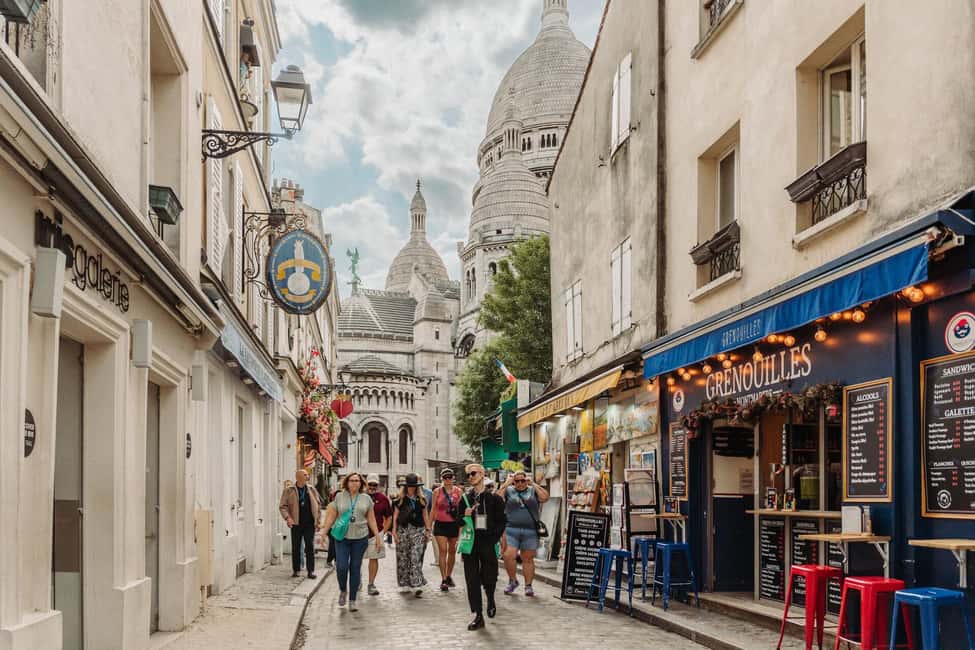
- Skip the step-stress in Montmartre with a funicular ride up to Sacré-Cœur
- Louvre on most days, Orsay on Tuesdays so you never miss the museum anchor
- Notre-Dame from the best angles around Île de la Cité after the restoration
- Sainte-Chapelle plus a quick Latin Quarter walk keeps the afternoon from feeling rushed
- A guided Seine cruise ticket for evening glow (or even a later timing)
A full Paris highlights loop (without wasting time on the basics)
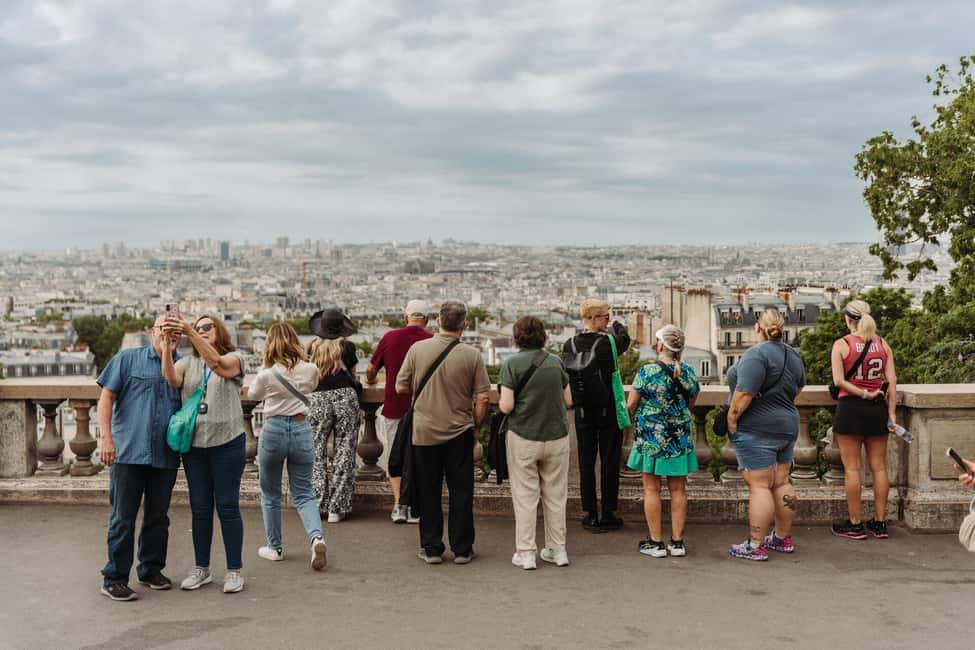
This is the kind of day tour that’s built for first-time visitors—or anyone who wants a fast overview without turning Paris into a scavenger hunt. You start in the north at Anvers, work your way through Montmartre, then move into the museum spine of the city. After that, you shift to Île de la Cité and end by the Eiffel Tower with a river cruise.
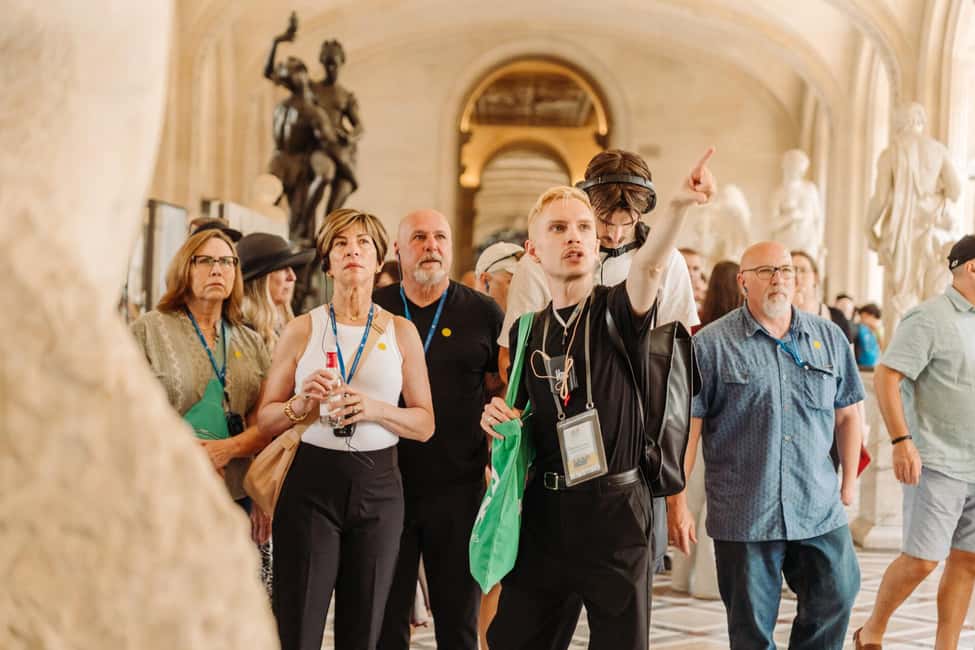
You’ll use the metro with your guide, and you’ll have a headset so you can actually hear explanations while walking and stopping for photos. That combo matters in Paris, where you don’t just want to see famous buildings—you want to understand what you’re looking at before you drift off into photo mode.
Also, group size is capped at 16. That helps the guide keep everyone together during tighter museum moments and busier street crossings.
You can also read our reviews of more boat tours in Paris


Montmartre by funicular: Sacré-Cœur and the bohemian vibe
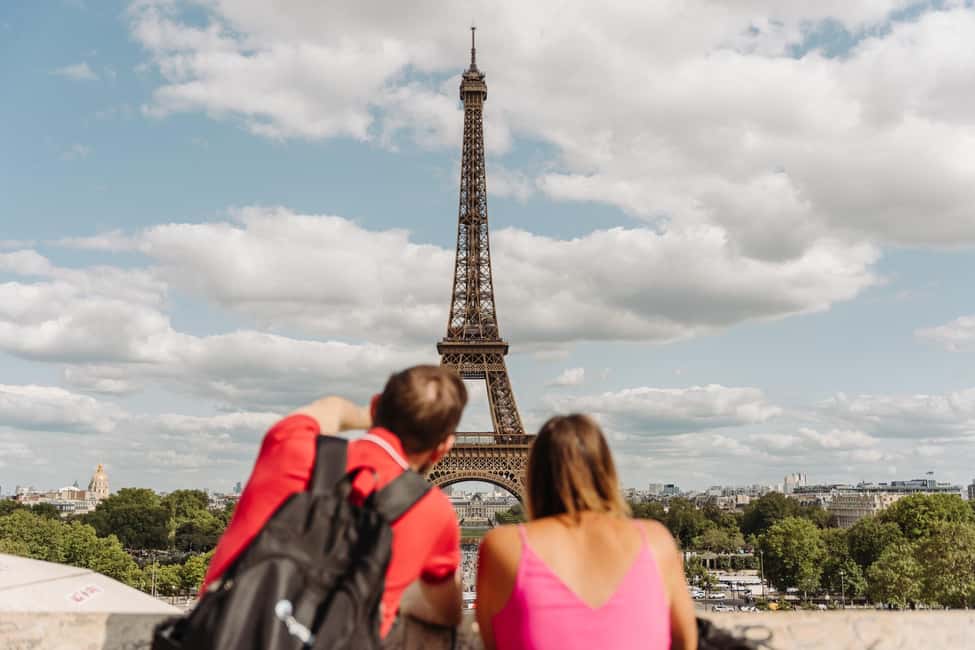
Montmartre is famous for a reason. Even if you’ve seen it in a hundred photos, being there in person feels different—steep streets, artists’ energy, and that unmistakable white façade of Sacré-Cœur catching the light.
You’ll start with a funicular ride to get up to the basilica area without hauling yourself up hundreds of steps. Then you’ll have a photo stop and time to visit, followed by a guided walking stretch through Montmartre’s neighborhood streets.
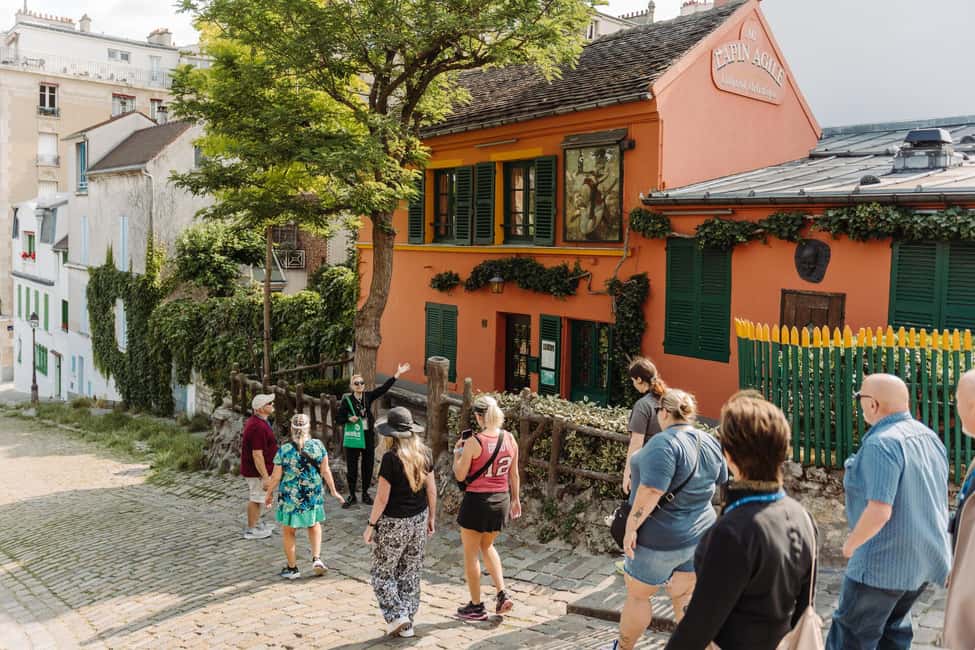
One of the more charming parts is the variety your guide adds to the walk: you’ll see iconic landmarks like windmills, and you’ll even visit a vineyard tied to the area. That’s the kind of detail that makes a sightseeing day feel like more than a list.
The practical catch: Montmartre is still uphill and there are cobblestones. This tour is manageable for people who can walk at a moderate pace, but it’s not the day to bring a stroller or plan on slow strolling.
Tip for your morning: wear shoes you’re happy to put through uneven streets, because Montmartre is not smooth-floor sightseeing.
Louvre vs Orsay: how this tour protects your Tuesday plan
A lot of Paris museum days fall apart when you hit a closure day. This tour handles that by swapping the museum anchor.
- If it’s not Tuesday, you go to the Louvre with your pre-reserved ticket.
- If it’s Tuesday, the Louvre is closed, so you visit the Musée d’Orsay instead.
You get a guided museum experience either way, so your day doesn’t shrink. This is especially valuable if you have limited days in Paris and you don’t want to gamble on an opening schedule.
That “choice architecture” is part of the value here. You’re not just buying access—you’re buying a plan that adjusts when Paris inevitably changes the schedule on you.
Entering the Louvre for the Mona Lisa and more
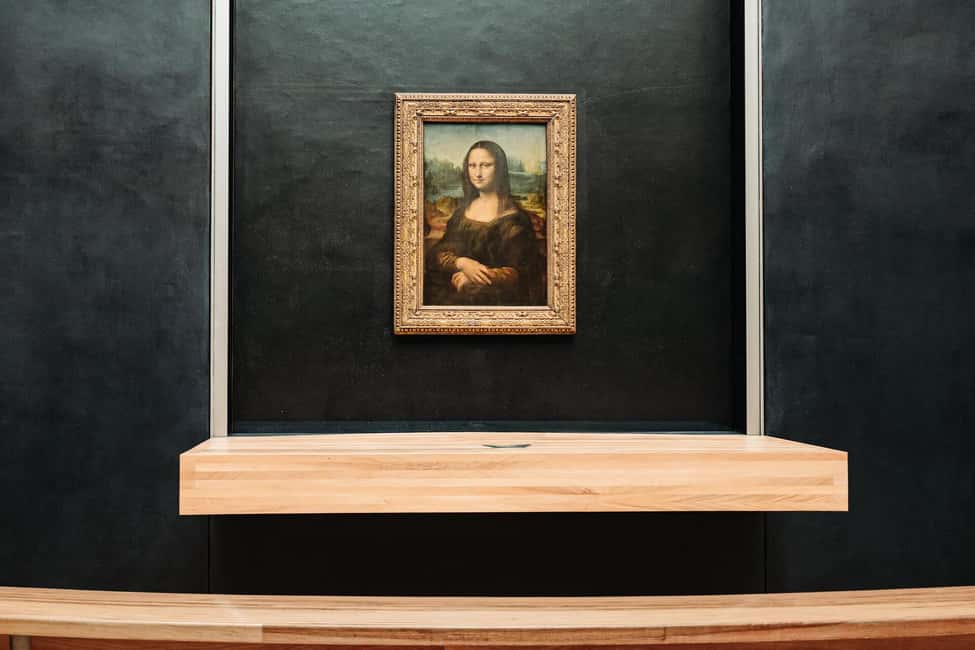
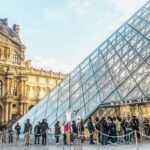
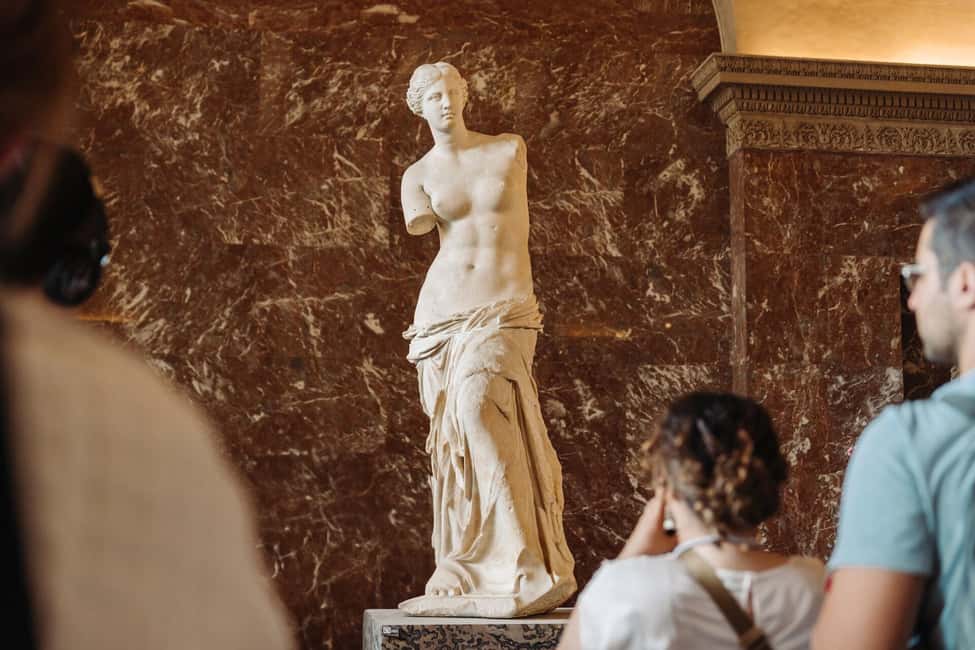
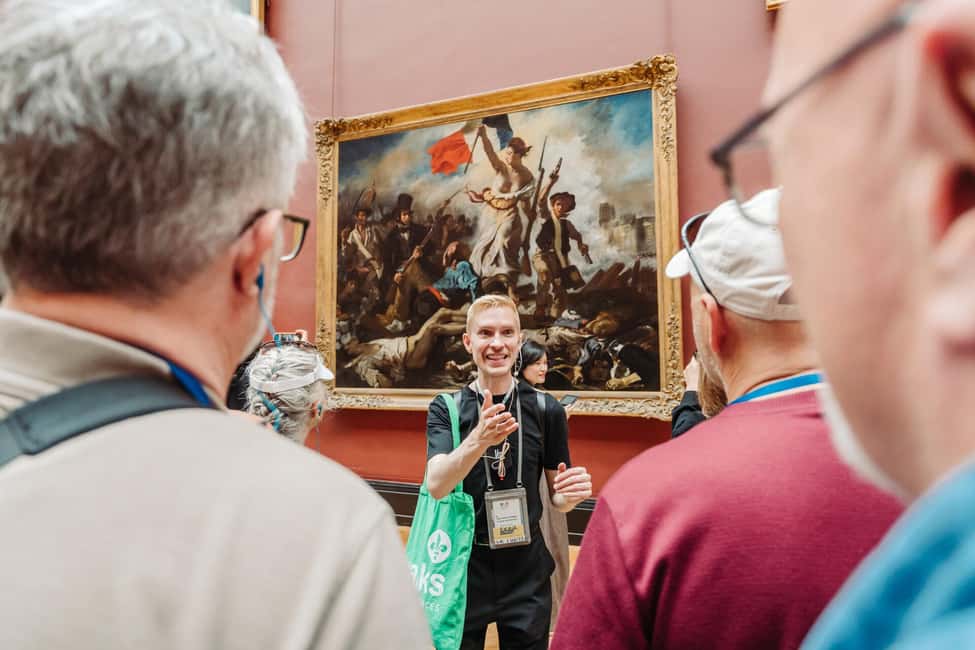
When you step into the Louvre with pre-reserved tickets, the focus becomes simple: see the highlights and learn what matters. You’ll get about a 90-minute guided tour inside, and the route is built around major works, including the Mona Lisa.
The real advantage of a guided Louvre isn’t that someone points at famous paintings. It’s that you move through the museum with context. You also don’t waste time guessing where to go first, which is the fastest way to end up staring at “a lot of stuff” and remembering almost none of it.
You’ll spend additional time walking in the museum area as part of the tour flow, so plan on wearing your museum stamina. The Louvre can be physically draining even when it’s mentally exciting.
One more practical thing: the tour does not allow oversize luggage or large bags, so keep your pack situation tight. You’ll also want to be ready for typical museum security rhythms—fast, but unavoidable.
Orsay on Tuesdays: Impressionists where you can actually find the thread
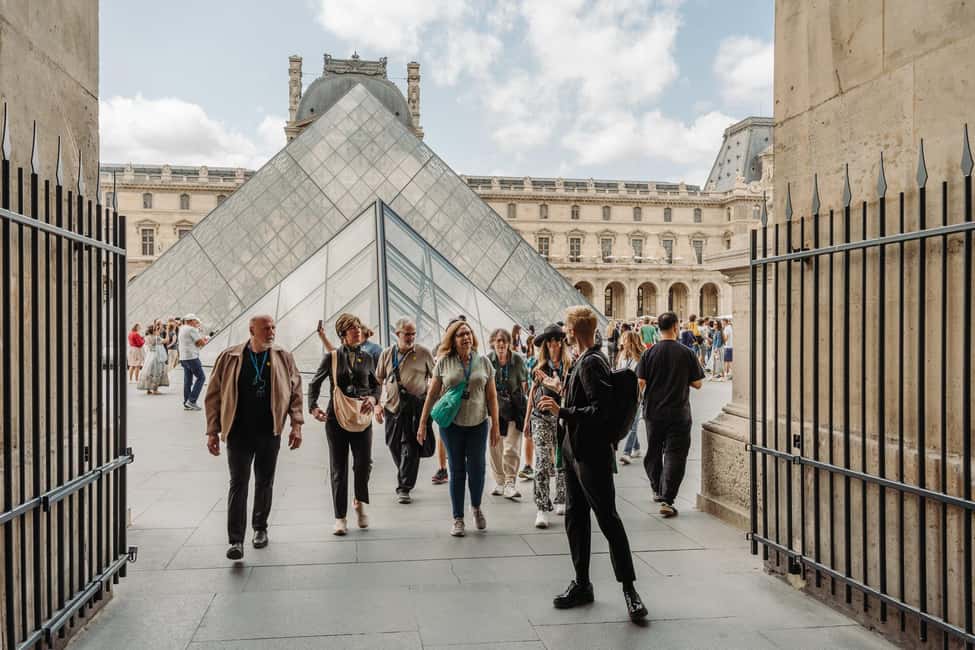
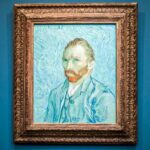
On Tuesdays, you don’t get stuck in disappointment. You go to the Musée d’Orsay, which is known for Impressionist masterpieces—this collection includes major names like Van Gogh and Monet.
The Orsay experience tends to feel more approachable than the Louvre because the museum has a different layout and vibe. The guide’s job here is to connect the dots for you—what to look for, how styles evolved, and why these works landed the way they did.
If you care about painting, this is a strong substitute. If you’ve been to museums before, you’ll still find value because this isn’t a quick walk-by. You’re getting an organized guided visit, so you come away with a clearer understanding of the movement rather than a handful of random favorites.
You can also read our reviews of more city tours in Paris





Your lunch break and why that free hour is a real benefit
After the morning museum time, you’ll get an intentional 1-hour break with lunch on your own. This is great because it prevents the whole day from turning into a nonstop museum line marathon.
You can keep it easy with a classic French bistro or grab something quick at a patisserie. The tour experience is specifically set up so you can refuel without losing momentum, so you can return to the walking portions with energy.
What I’d do in that window:
- If you want an iconic snack, go for something simple like a baguette sandwich or a fromage-heavy plate.
- If you want to avoid decision fatigue, pick one close to where you feel the least lost.
This break is part of the tour’s design. It keeps the afternoon from feeling like a grind.
Île de la Cité and Notre-Dame: best viewpoints, real historical grounding
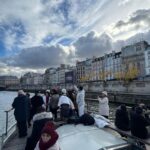
Next comes the “Paris postcard but with meaning” section. You’ll walk through Île de la Cité, the island in the Seine that’s treated as the birthplace of Paris. After you’ve seen art, this part helps you see the city itself as a living timeline.
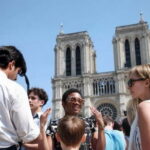
The big moment is Notre-Dame. You’ll have photo stops and a guided walk with the best viewpoints, plus a short overview of the cathedral’s history and how it endures after the devastating fire. This restoration is a central reason Notre-Dame feels so immediate right now—you can see the building, but you can also feel why it matters to the city.
Your guide will also point out nearby references that most people miss on their own, including:
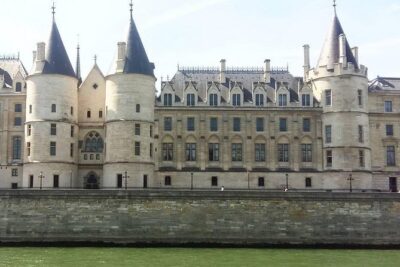
- the building where Marie Antoinette was imprisoned
- Place Dauphine
- the Pont Neuf bridge
That kind of guidance helps you turn what could be a quick “look and leave” moment into a story you can keep.
Sainte-Chapelle and the Latin Quarter: the fast turn into old Paris
After Notre-Dame, the itinerary keeps the momentum with Sainte-Chapelle—you’ll have a photo stop, then a guided visit and passing stops along the way. This is where you get more of that medieval Paris texture without needing extra tickets from you.
Then you’ll shift into a short stretch of the Latin Quarter. You’re not here long, but the guided walking time and sightseeing portion gives you just enough orientation that you understand what area you’re in and why it became known as a student and literary district.
This section is also a reminder of what makes this tour work: it’s not just famous stops. It’s famous stops connected with enough context that you start recognizing patterns in Paris—from architecture to street layout to how neighborhoods evolved.
Eiffel Tower walking time plus the cruise finale on the Seine
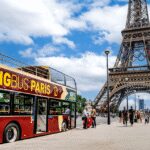
The tour closes with Paris at evening pace. You’ll head toward the Eiffel Tower with your guide, with time for photo stops and sightseeing. If you’re interested in going up, your guide will show you where to buy tickets for the climb—but the Eiffel Tower ticket itself is not included.
That matters because it gives you a choice. You can stay in the “view and walk around” mode, or you can spend extra time earning your viewpoint from above.
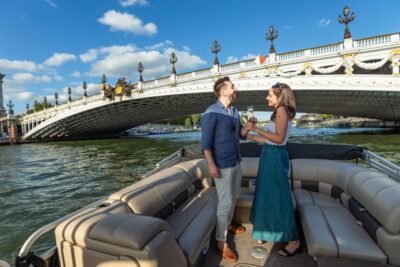
Then you finish with the Seine River cruise. This is a one-hour cruise with a flexible ticket, and it’s guided. You can use it at your convenience, and the schedule may allow you to shift it to another timing if needed.
Real-world note: the cruise can be delayed or canceled due to high water. That’s not a reason to avoid it—it’s just Paris being Paris and working with river conditions.
Either way, the cruise ties the whole day together. Morning felt like walking through Paris’s cultural identity; evening feels like seeing that identity reflected back at you on the water.
Group size, headsets, and pacing: what “moderate walking” really means
This tour is described as a walking tour with moderate pace. That’s accurate, and it’s also why I’d suggest it mainly to people who:
- are comfortable walking for multiple hours
- can keep up during museum and street transitions
- don’t need frequent seating breaks
Included items help a lot: metro tickets, headset, and a local English-speaking guide mean you aren’t constantly stopping to figure out transportation. The tour is also capped at 16, so the guide can keep the group together.
But you should still plan your day mentally for walking. The tour has enough moving parts—funicular areas, museum interiors, Île de la Cité viewpoints, and the trek toward the Eiffel Tower—that it’s not ideal if you’re nursing sore knees or relying on mobility aids.
Value check: is $153 per person a good deal?
For $153 per person, you’re getting a guided day that bundles multiple major ticketed experiences and transport support. Here’s the value math in plain terms:
- You get Louvre or Orsay tickets depending on the day.
- You get a Seine cruise ticket (one hour, guided).
- You get a local English-speaking guide with headsets, plus guided walking time.
- You also get metro tickets.
What you don’t get: lunch, and an Eiffel Tower climb ticket. That’s normal for a day tour.
So where does the value land? It lands in your time. Paris is efficient only when you have a plan. Pre-reserved museum entry plus guided routing tends to save hours of deciding and wandering. If you value a structured day that covers major sights without you building the route yourself, this price can be very fair.
Who this tour fits best (and who should look elsewhere)
This tour is best if you want:
- a high-coverage Paris overview in one day
- a guided museum experience in the Louvre (or Orsay on Tuesdays)
- a city walkthrough that includes Notre-Dame surroundings and Île de la Cité context
- an ending that feels like Paris at night via the Seine
You should look elsewhere if:
- you need wheelchair access, a stroller-friendly route, or minimal walking
- you want a slower day focused on just one or two neighborhoods
- you hate crowds and tight museum scheduling
Should you book this Louvre, Montmartre & Seine day tour?
If you’re trying to cover the biggest Paris icons efficiently and you’re willing to walk, I think this is an easy yes. The Louvre-or-Orsay swap is a strong planning feature, and the mix of Montmartre views plus Notre-Dame area context plus an ending Seine cruise gives you a complete “Paris in one pass” feel.
Book it if:
- you want a guided plan that reduces decision fatigue
- you like museums but also want time outside the museum doors
- you want the Eiffel Tower area to feel finished with a cruise, not just a photo stop
Skip it if:
- you need mobility accommodations or stroller support
- you want an unhurried day with lots of downtime built in
- you don’t like walking-heavy schedules
FAQ
What museums are included, and does it change by day?
The tour includes Louvre tickets except on Tuesdays. On Tuesdays, it includes Orsay instead.
Do I get to see the Mona Lisa?
Yes. The Louvre portion includes a guided visit where you’ll see the Mona Lisa.
Is lunch included?
No. Lunch is not included, but you do get a 1-hour break for lunch on your own.
How long is the Seine River cruise?
It’s a 1-hour Seine River cruise, and your cruise ticket is flexible for use at your convenience.
Where do I meet the guide?
Meet near Anvers Metro Station Exit in front of the information kiosk labeled Paris Tourisme, directly across from the staircase down into the metro station. Arrive about 15 minutes early.
How big is the group?
The group size is max 16 people.
Is this tour suitable for wheelchairs or strollers?
No. It is not suitable for guests with mobility impairments, wheelchair users, or strollers.