REVIEW · PARIS
Montmartre: Guided tour to Sacré-Coeur
Book on GetYourGuide →Operated by My Super Tour · Bookable on GetYourGuide
Montmartre is one of those places where art, streets, and religion all collide, and this guided walk does it in a tight 2 hours. I especially like the Sacré-Cœur inside visit (not just a quick look from outside) and the payoff view over Paris, with the Eiffel Tower in sight. The main drawback is that the route isn’t wheelchair-friendly, even though the guide uses an easier climb with only a short run of stairs.
You’ll start down at Blanche on metro Line 2, meet your guide holding a sign for My Super Tour, and head up through Montmartre’s artist world—Moulin Rouge history, Abbesses, Bateau-Lavoir, Place du Tertre, and plenty of story-stops in between. It’s a small group capped at 8 people, and that matters here: the guide can actually point out details and keep the pace moving.
In This Review
- Key Takeaways Before You Go
- Montmartre Starts at Blanche: Quick Meeting, Tight Time
- Moulin Rouge to Montmartre’s Art Scene: Where Stories Begin
- Abbesses, Bateau-Lavoir, and the “Wait, What Is That?” Stops
- Sacré-Cœur Basilica: The Inside Visit Is the Point
- Windmills, a Vineyard, and a Pink Restaurant With a Story
- Place du Tertre, Painters, and the Best View Over Paris
- Price and Value: Is $50 Worth It for a 2-Hour Walk?
- Who This Tour Suits (and Who Might Want Something Else)
- Practical Tips to Make This Feel Effortless
- Should You Book This Guided Montmartre: Sacré-Cœur Tour?
- FAQ
- Where is the meeting point for the Montmartre tour?
- How long is the tour?
- What is the group size?
- Which languages are available for the live guide?
- What does the tour include?
- What is not included in the price?
- Does the tour visit Sacré-Cœur inside or only from outside?
- Is this tour suitable for wheelchair users?
- Where does the tour end?
- What’s the suggested way to get back down after Place du Tertre?
Key Takeaways Before You Go
- Sacré-Cœur, inside: you get time in the basilica, not only photos from the steps
- Sunset-style Paris view: the big goal is a wide look over the city, including the Eiffel Tower
- Real Montmartre stops: Moulin Rouge area, Abbesses, Bateau-Lavoir, Maison Rose, Place du Tertre
- Easy-ish climb plan: designed to limit stairs to just a short segment (but still not accessible for wheelchairs)
- Small group pace: limited to 8 participants, so questions don’t get lost
- Local-flavored stories: anecdotes that connect artists, writers, and the hill’s landmarks
Montmartre Starts at Blanche: Quick Meeting, Tight Time
I like tours that respect your time, and this one does. You meet outside the metro access at Blanche (Line 2), and if you’re using taxi you’ve got a clear drop-off point: 80 Boulevard de Clichy, 75018 Paris. The guide holds a sign that makes it easier to find the group.
With a 2-hour duration and a small headcount, you’re not stuck waiting around. The walk is paced like a guided stroll with photo stops and short guided segments, so you get momentum. The flip side is that you shouldn’t plan to add long breaks for coffee or shopping mid-tour—this is built to get you to Sacré-Cœur and the view first, then leave you near Place du Tertre afterward.
You can also read our reviews of more guided tours in Paris



Moulin Rouge to Montmartre’s Art Scene: Where Stories Begin
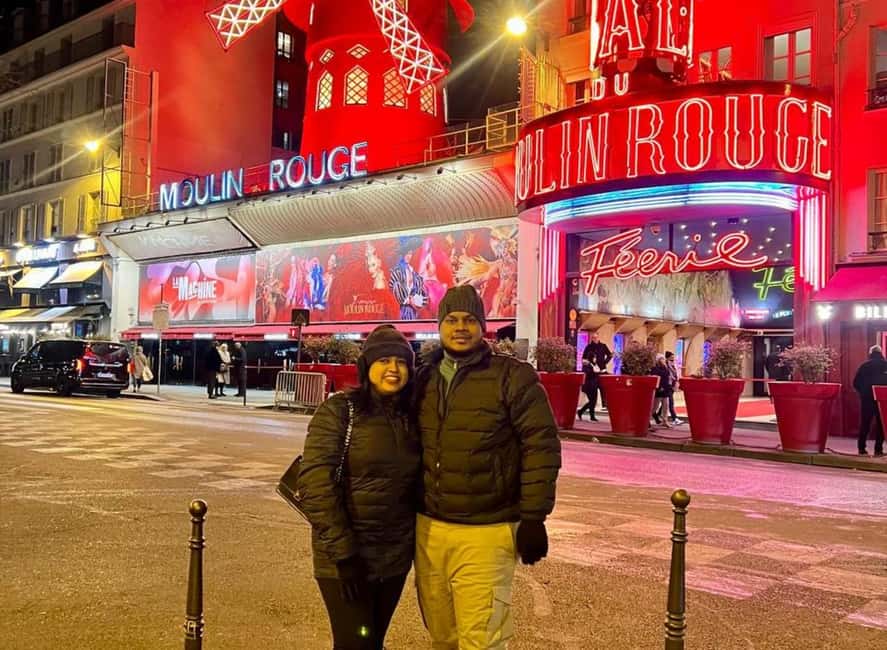
You kick things off near Blanche with a quick photo stop at Moulin Rouge (about 15 minutes). This isn’t treated like just a postcard spot. The tour frames it as part of the wider creative machine of the area, including its connections with artists and writers—perfect for setting the tone before you climb.
Then you start moving into Montmartre proper. Along the way you’ll hit Place des Abbesses for a guided sightseeing stop, and that’s where the hill starts to feel different: tighter streets, visual charm, and the feeling that you’re walking through an old studio district rather than just a neighborhood.
For anyone who’s watched Montmartre from afar—photos, paintings, films—this is where it becomes real. You’re not only seeing sites; you’re getting the context of why these places matter.
Abbesses, Bateau-Lavoir, and the “Wait, What Is That?” Stops
One reason I like Montmartre on foot is how many surprise moments show up when you turn a corner. This tour builds in several of them, each with a short guided explanation.
You’ll visit Le Bateau-Lavoir (about 15 minutes). This is one of those stops that makes the artist quarter click in your head—an area remembered for creativity and for how artists lived, worked, and gathered. Even if you’re not an art expert, the guide’s job is to connect the dots between place and people you recognize.
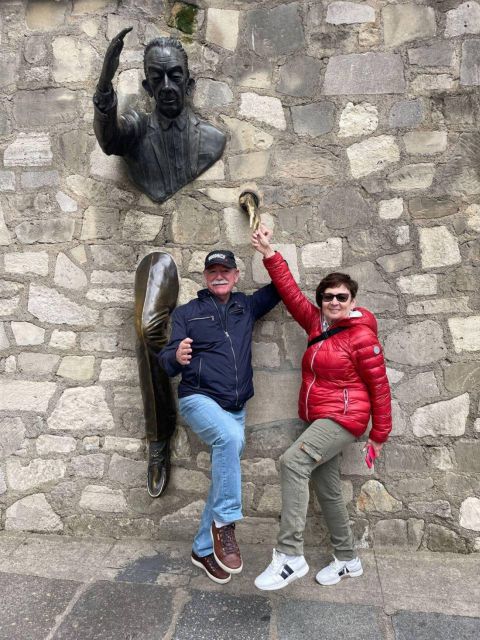
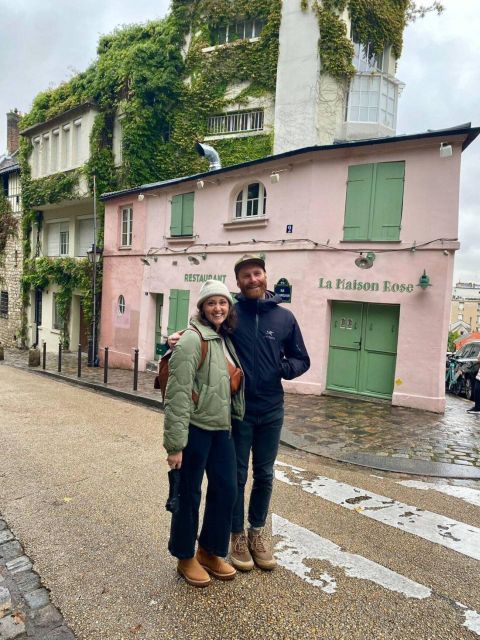
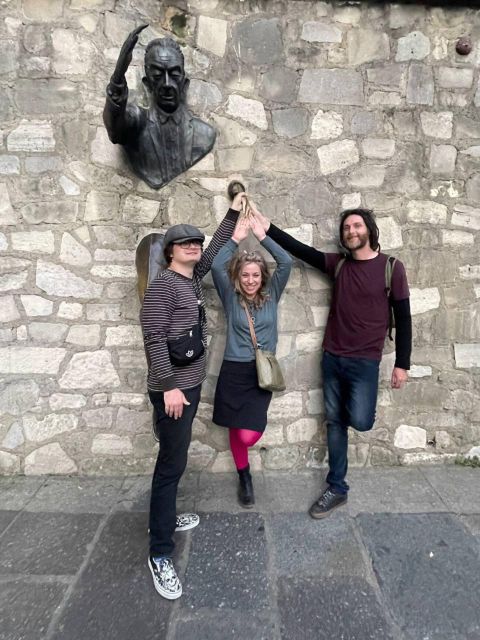
Next up is Le Passe-Muraille for a photo stop and quick sightseeing. It’s the kind of landmark where a guide’s story helps you see it beyond the photo. You’ll also pass through Square Suzanne Buisson and then head toward La Maison Rose. The Maison Rose is exactly what you want it to be: visually unforgettable, and worth pausing for photos while the guide explains what’s around it and why it became part of Montmartre’s identity.
The tour also includes Square Marcel Bleustein Blanchet for guided sightseeing. By this point, you’re halfway up the hill and your eyes are trained to notice the details—the shapes of streets, the way buildings sit against the slope, and the little visual cues that make Montmartre feel like a place with its own rules.
Quick reality check: Montmartre streets can be uneven, and you’ll be on cobblestones in spots. Comfortable shoes matter more than you think, especially if you’re also trying to hold a camera steadily.
Sacré-Cœur Basilica: The Inside Visit Is the Point
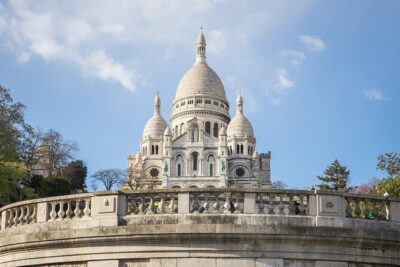
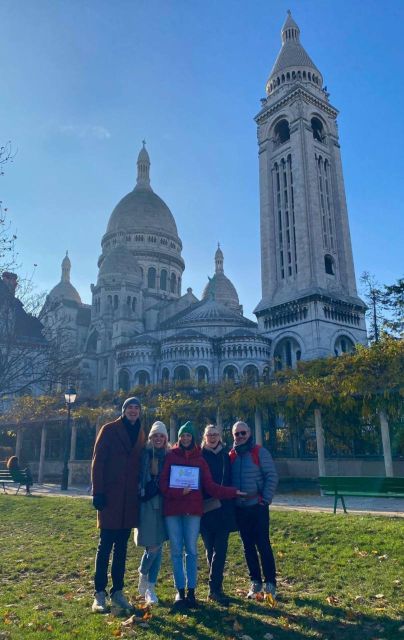
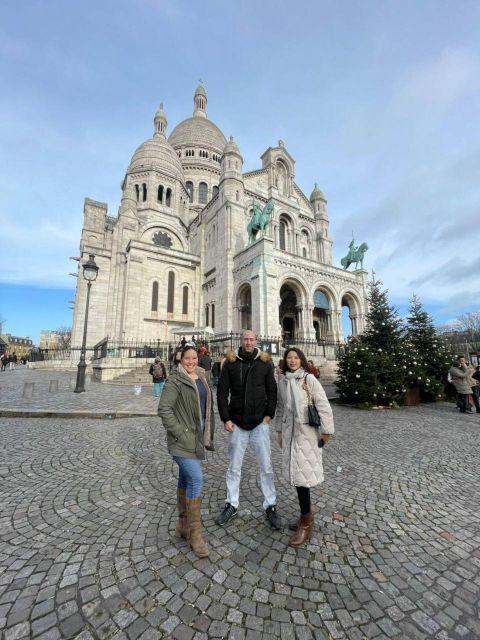
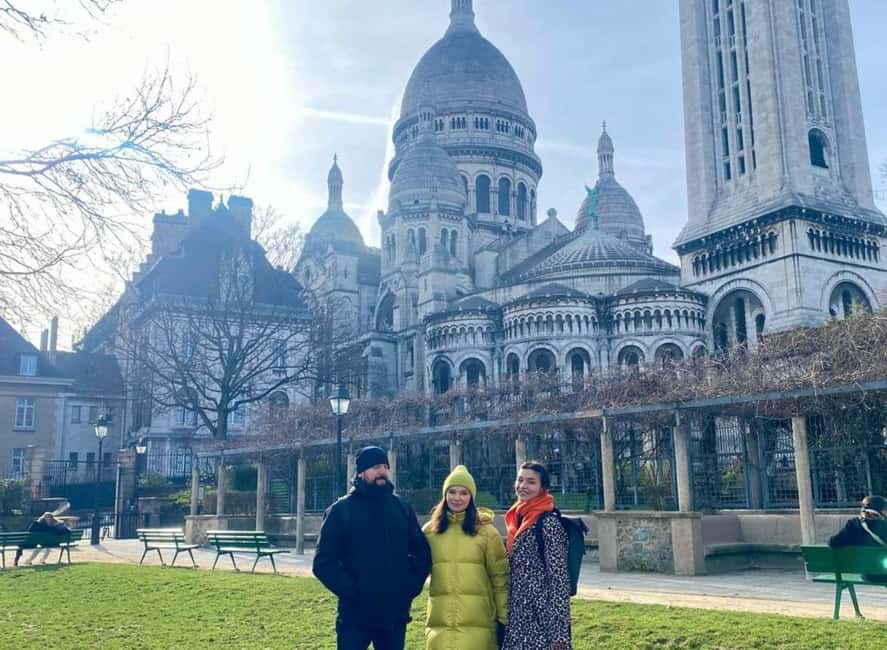
The big centerpiece is Sacré-Cœur Basilica, where you get both a photo stop and a guided visit inside (with your ticket including entrance). This matters because Sacré-Cœur is the kind of landmark that can feel like a “see it from outside” stop—until you’re actually inside with a guide explaining what you’re looking at.
The tour’s pacing gives you time to absorb the basilica as a place, not just a viewpoint. You’re not racing through in a crowd; the tour frames Sacré-Cœur as a moment where you slow down, look closely, and understand how the building fits into the hill’s character.
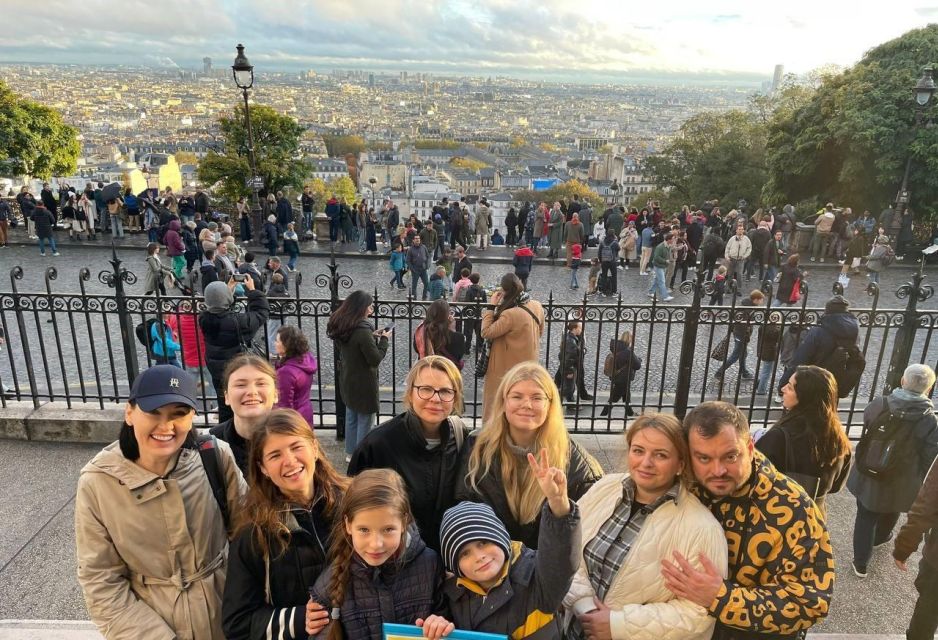
After that, the tour’s energy shifts to the viewpoint phase—the part many people remember most. The guide also works toward the wide-angle payoff: a 180-degree view over Paris that includes the Eiffel Tower. If your tour runs around sunset, you’ll likely feel why this is the hill’s signature moment. Even without perfect weather, the scale of the city view is the win.
Windmills, a Vineyard, and a Pink Restaurant With a Story
Once you’re up near the basilica area, the tour keeps surprising you with landmarks that don’t look like they belong in a modern major city—yet they do, because Montmartre has always layered past and present.
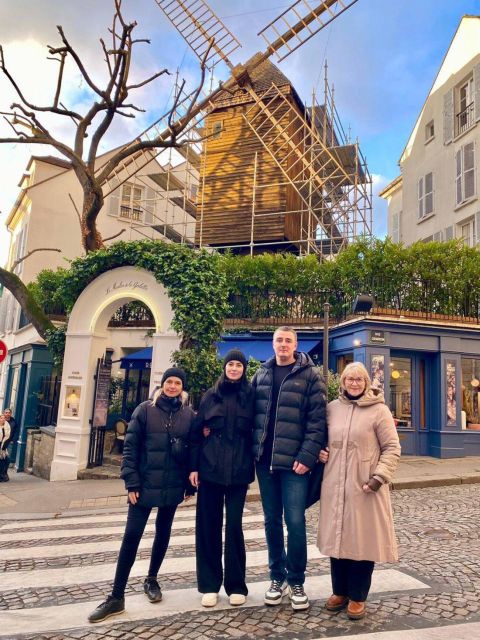
You’ll see the last still-existing windmills on the hill. Then comes a stop that feels almost unreal: a vineyard created by artists that’s still producing wine. This is a great reminder that Montmartre isn’t only famous for paintings and nightlife; it also has a working, living connection to the hill itself.
Then you’ll hear the story behind a completely pink restaurant, and why it became that way—because of a drunk artist. It’s the kind of anecdote that makes the neighborhood feel human, not museum-like. And that’s exactly what I want from a walking tour: details that explain the vibe, not just the facts.






Place du Tertre, Painters, and the Best View Over Paris
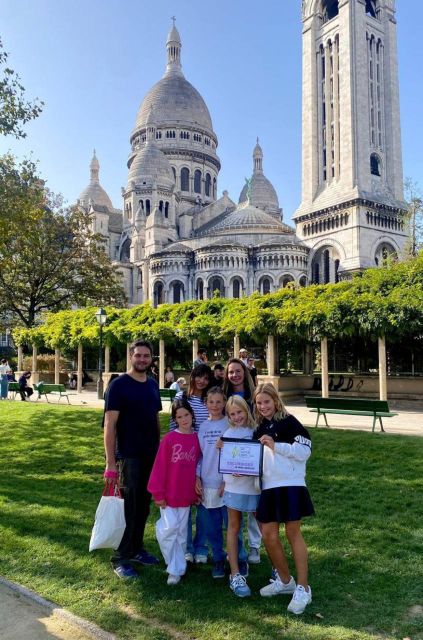
You’ll end at Place du Tertre. This square is where Montmartre most strongly sells you the image of artists at work, and the tour uses it well. You’ll see painters on the famous square, and the guide helps you connect the scene to the neighborhood’s longer reputation as a creative zone.
Once you reach Place du Tertre, you’re free to choose your next move. Since food and drinks aren’t included, this is a good point to decide if you want a typical French restaurant option on the highest spot in Paris or if you’d rather keep exploring smaller shops first. The tour experience is built to get you to this moment and then let you take it from there.
One practical bonus: getting back down is easy to plan. You can use the open stairs or the cog railway that links to the metro station Anvers. That gives you options depending on your energy level and how your legs feel after the climb.
Price and Value: Is $50 Worth It for a 2-Hour Walk?
At $50 per person for a 2-hour small-group tour (max 8 people), the value comes down to what you actually get. Here, you’re paying for three things: a professional guide, guided storytelling that ties the landmarks together, and an inside visit to Sacré-Cœur.
If you were to do Montmartre on your own, you could absolutely see a lot. But you’d miss the connective tissue—why Moulin Rouge belongs in the same creative conversation as Bateau-Lavoir, why Place du Tertre matters beyond the souvenirs, and why Sacré-Cœur feels different when you understand what you’re looking at. Plus, the tour is designed to manage timing, so you get the Eiffel Tower view within your allotted time rather than trying to “figure it out” on the hill.
For me, the best buyers are people who want a guided overview with high payoff. If you’re the type who enjoys stopping, looking up, taking photos, and learning how the pieces fit, this is a strong match.
Who This Tour Suits (and Who Might Want Something Else)
This tour fits best if you:
- want a guided introduction to Montmartre’s main landmarks without committing to a long day
- care about the inside experience at Sacré-Cœur, not just outdoor photos
- enjoy stories that connect artists, writers, and specific buildings
- like small-group pacing rather than big bus-tour chaos
It may be less ideal if you:
- need wheelchair access (it’s not suitable for wheelchair users)
- want lots of free time for long café stops during the climb
- dislike walking on uneven cobblestones and stairs, even if the climb is designed to keep stair segments short
From the guide side, the tour also seems to attract strong personalities. Names that show up in past sessions include Sacha/Sasha and Dina, and the common thread is a lively mix of humor, flexibility, and practical neighborhood knowledge—like pointing you toward good food choices after the walk.
Practical Tips to Make This Feel Effortless
A few small choices can make a big difference on this kind of hill walk.
- Wear good walking shoes. Cobblestones and stairs are part of the experience.
- Bring a small layer. Views are great, but weather on the hill can shift fast.
- If you care about the city view at its best, pick a start time close to sunset. The tour is designed to hit the Eiffel Tower panorama then.
- When you meet, look for the guide sign for My Super Tour outside Blanche so you don’t lose time.
- Plan for no hotel pickup and no included meal. You’ll be in the area for shops and cafés after Place du Tertre, so treat the tour as the story walk, then let dinner be your choice.
Should You Book This Guided Montmartre: Sacré-Cœur Tour?
I’d book it if you want the classic Montmartre highlights with real guidance—especially the Sacré-Cœur inside visit and the promise of a wide Paris view including the Eiffel Tower. The small group size helps keep the experience personal, and the route feels built for first-timers who want more than a checklist.
I wouldn’t book it if you’re relying on wheelchair access or if you need a slower pace with long sit-down breaks during the climb. For everyone else who wants a smart, story-driven Montmartre overview in just 2 hours, this one is a very practical way to spend your day.
FAQ
Where is the meeting point for the Montmartre tour?
You meet outside the only metro access at Blanche (Line 2). The guide holds a sign reading My Super Tour.
How long is the tour?
The tour lasts 2 hours.
What is the group size?
The group is small, limited to 8 participants.
Which languages are available for the live guide?
The tour is offered with a live guide in English and Russian.
What does the tour include?
The tour includes a professional tour guide and a guided visit inside Sacré-Cœur.
What is not included in the price?
Food and drinks are not included, and there is no hotel pickup.
Does the tour visit Sacré-Cœur inside or only from outside?
It includes a guided tour inside the basilica.
Is this tour suitable for wheelchair users?
No. It is not suitable for wheelchair users.
Where does the tour end?
The tour ends at Place du Tertre.
What’s the suggested way to get back down after Place du Tertre?
You can return using the open stairs or the cog railway that connects to the metro station Anvers.