REVIEW · PARIS
Paris: Plein Air Sketching Course, Drawing & Watercolor
Book on GetYourGuide →Operated by Pauline Fraisse Art & Culture · Bookable on GetYourGuide
A sketch class in the open air beats another museum stop. You’ll learn plein air sketching in Paris with professional guidance, drawing in a different neighborhood each week while you practice composition and perspective. I like that it’s built for both first-timers and people who already draw.
One more thing I like: the teaching is hands-on in a small group (about 3 to 6), so you’re not just left to figure it out alone. The only real drawback to plan for is weather—if it’s extremely hot or bad, the class may shift to a studio instead of staying fully outdoors.
In This Review
- Key Things to Know Before You Go
- A 3-Hour Sketch Safari With Artist Pauline Fraisse
- Meeting Point at 9:30AM, Then Sketch at a Cafe
- The Class Flow: From First Lines to Better Proportion
- Beginner-Friendly Without Talking Down
- Watercolor and Ink Supplies: What to Bring (and What You Can Skip)
- Paris Neighborhoods Change Weekly (So You Can Repeat)
- Weather Reality: When It Gets Too Hot or Too Wild
- Price and Value: What $112 Buys You in Paris
- Who Should Book This Class (and Who Should Skip It)
- Should You Book This Paris Plein Air Sketching Course?
- FAQ
- What time does the class start, and where do we meet?
- How long is the Paris plein air sketching class?
- How big is the group?
- What languages is the class taught in?
- What art supplies should I bring?
- Are art supplies included in the price?
- Can children or teens join?
- What happens if the weather is very hot or extremely bad?
- Do I need to budget for café expenses or museum tickets?
Key Things to Know Before You Go
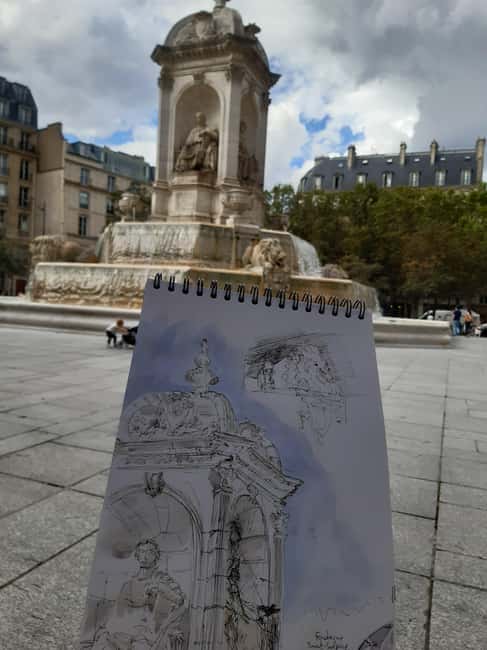
- Meeting time is fixed: 9:30AM at a cafe, then you move around the neighborhood to sketch.
- Different Paris neighborhood each time: you can join once or repeat on other weeks.
- You’ll practice real drawing skills: composition, perspective, proportion/figure basics, and quick sketching with ink.
- Supplies are not included: bring your own or order ahead from Pauline’s site.
- Plan for indoor backups: cafes and possible museum stops may happen when conditions are rough.
A 3-Hour Sketch Safari With Artist Pauline Fraisse
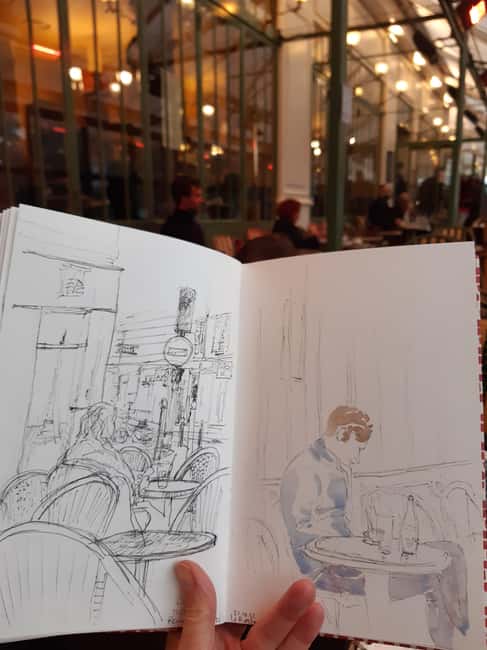
This is a 3-hour plein air drawing and watercolor class led by Pauline Fraisse Art & Culture. Expect professional teaching, not a casual hangout. The format is simple: you meet, you draw, you walk a bit, you draw again, and you leave with a clearer sense of how to build what you see.
You’re learning in Paris itself, not from photos or a slideshow. That matters because sketching is a speed game: you’re training your eye to simplify shapes, place landmarks correctly, and capture the feel of a scene—without waiting for perfect conditions.
I also like that you can choose your level. If you’re new, you’ll get help making a sketch that actually looks like something. If you’re more experienced, you’ll get targeted coaching to tighten your perspective and composition.
You can also read our reviews of more tours and experiences in Paris.

Meeting Point at 9:30AM, Then Sketch at a Cafe
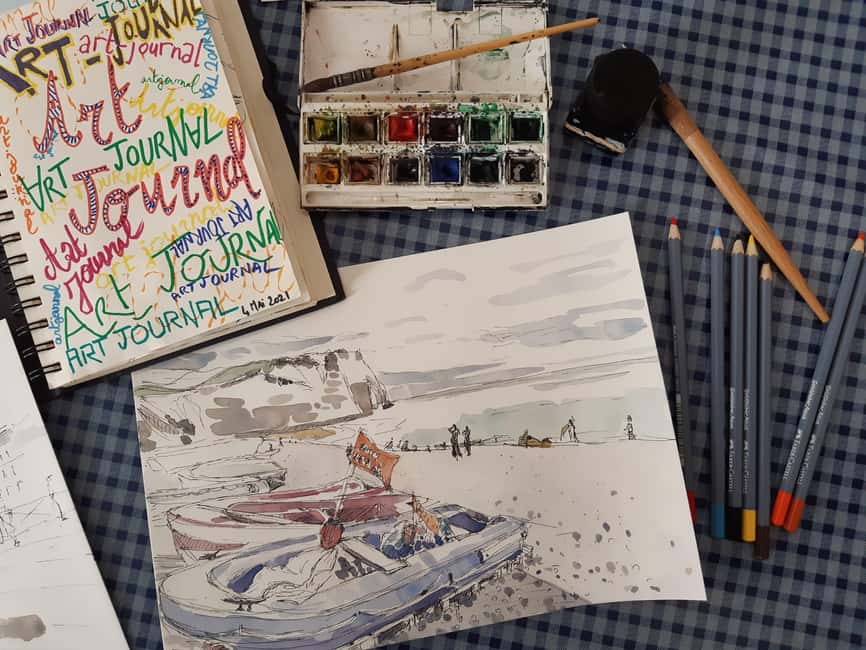
You’ll meet at 9:30AM at a cafe. A few days before class, you receive the exact meeting point by email, and it’s worth reading it carefully (check spam too). You’ll start drawing right there—so even if you’re nervous, you’re not immediately thrown into the street with nothing to do.
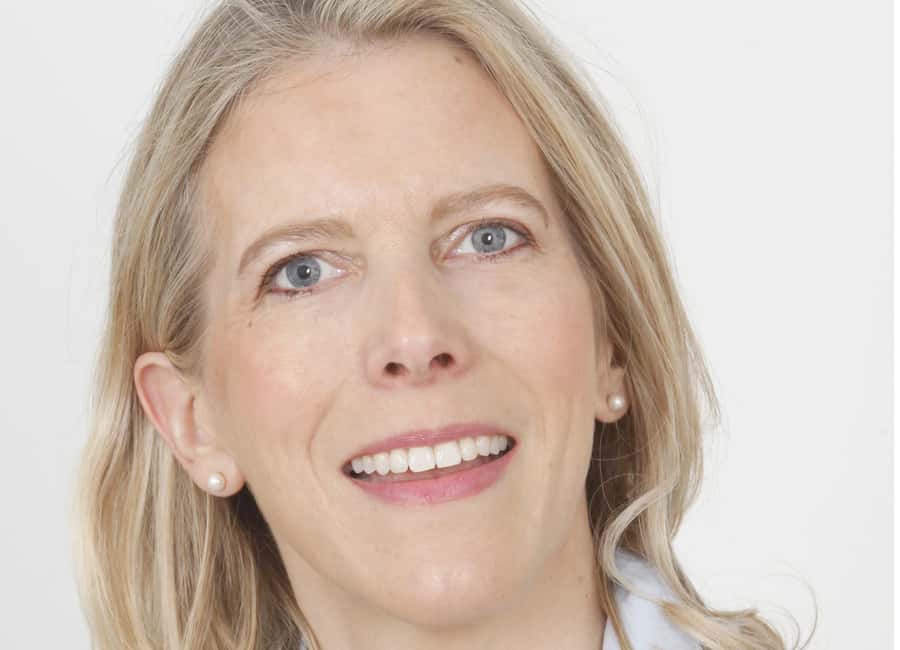
Pauline will be easy to spot: she’s blond with mid-long hair and holds a sketchbook. If you’re running late, the organizers provide Pauline’s phone number, which is a nice safety net when Paris traffic or your feet don’t cooperate.
After the quick start, you’ll head out to draw around the neighborhood. In cold weather, or if it’s more comfortable, you may continue at a cafe so you can keep working without freezing your hands.
The Class Flow: From First Lines to Better Proportion
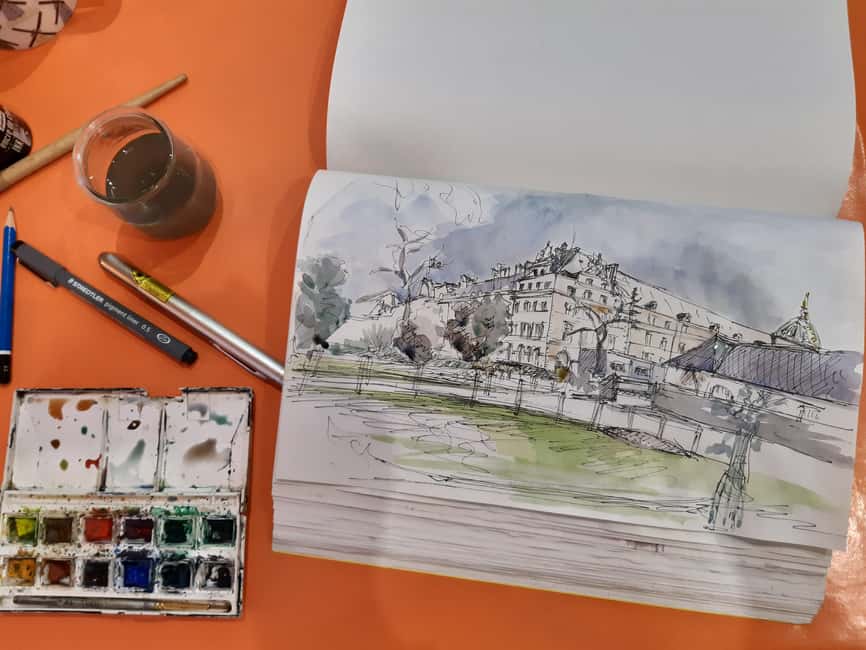
The rhythm is designed to help you progress in a short time. You’ll begin at the cafe, then you’ll move into the neighborhood and keep sketching from real angles—building confidence as you go.
Here’s what you’re practicing:
- Composition: choosing what to include (and what to leave out), so your sketch reads fast.
- Perspective: getting buildings and streets to behave, even when you’re standing at street level.
- Figure and proportion basics: learning how people and poses fit into the scene.
- Watercolor use: if you bring watercolor tools, you can add color in a way that supports the drawing.
One smart technique Pauline uses is encouraging quick drawing with stronger tools like a water-resistant black pen. The goal isn’t perfect art; it’s learning how to see and place things under time pressure. If you’re used to slow pencil sketches, this approach can feel liberating.
You’ll also work as a group of about 3 to 6 people, and Pauline provides individual attention while still keeping everyone included. That’s especially helpful if your group includes mixed comfort levels—or mixed languages.
Beginner-Friendly Without Talking Down
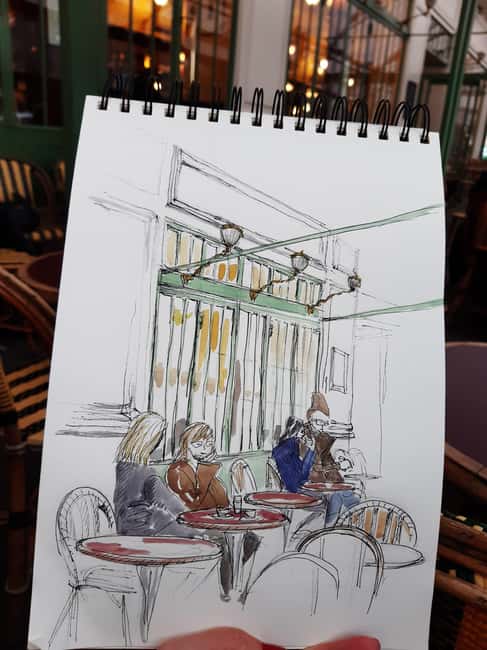
This class is genuinely set up for both beginners and confirmed artists. Beginners aren’t treated like they’ll need to start from zero forever. You’ll still learn skills like proportion and perspective, just with clearer steps and supportive guidance.
For more experienced artists, it’s not just a repeat of the basics. The exercises focus on tightening the essentials: where lines land, how objects relate to each other, and how to keep the sketch readable.
In practice, the class gives you structure so you’re not stuck wondering what to do next. That’s huge for a short 3-hour session in a city where everything is moving fast.
Watercolor and Ink Supplies: What to Bring (and What You Can Skip)
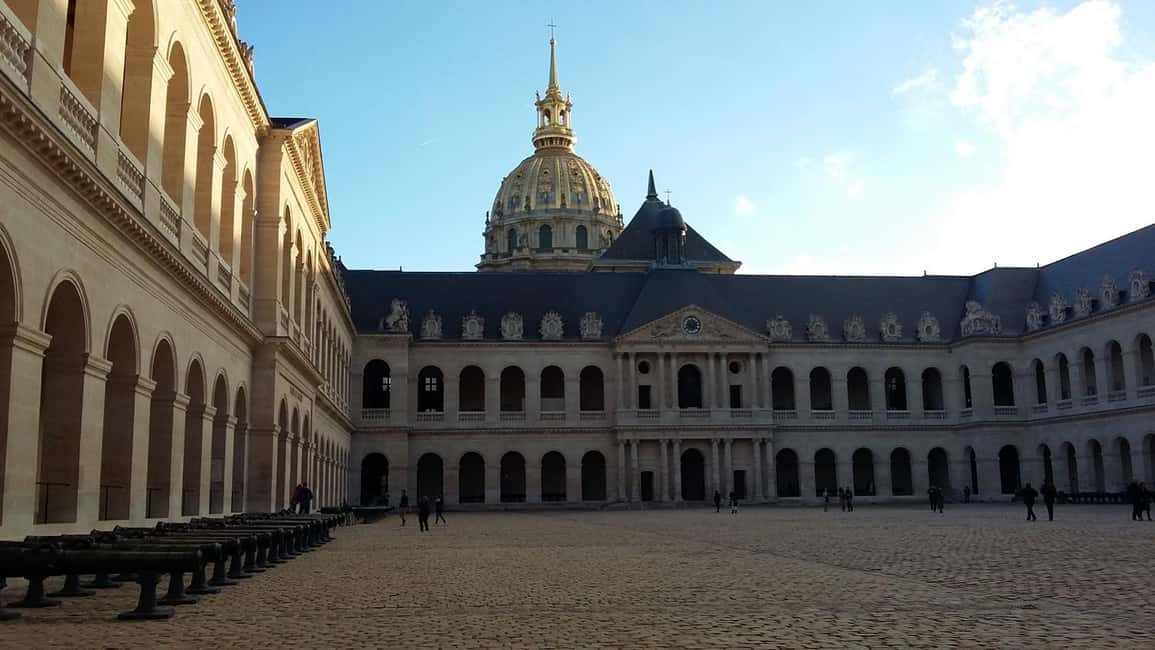
Supplies are not included, so you’ll want to come ready. The list can look big, but it breaks down into a few essentials.
Bring the core kit:
- A paper sketchbook (A4, standard photocopy size is recommended)
- Watercolor box
- Small water jar with lid
- Watercolor brush
- Rag or kitchen paper
- Pencil(s)
- Pencil sharpener
- A water-resistant black pen (examples include a Pigma Micron pen)
Optional tools (useful if you have them):
- Nib holder, nib, and India ink
- Felt pens
- Color pencils
- Glue stick
Practical travel advice: pack a small rag/paper and keep your pen dry. Watercolor days get messy fast if you’re juggling streets, benches, and café tables.
Also think about comfort items:
- Sunglasses, hat, and sunscreen
- Warm clothes in winter
- Comfortable walking shoes
- A water bottle
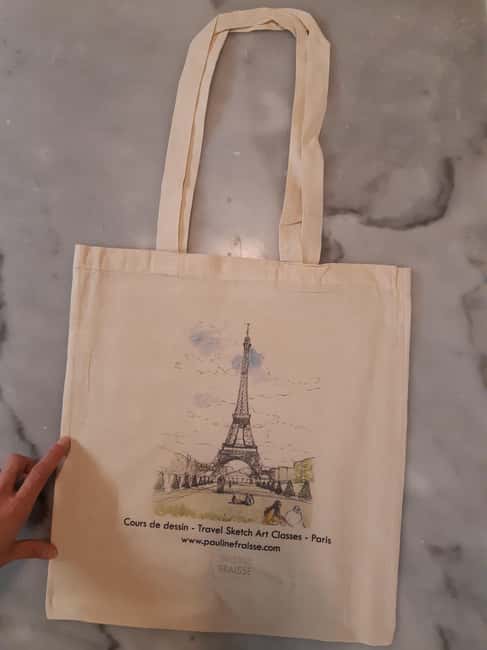
If you don’t want to hunt for supplies right before your trip, you can buy art supplies from the Gifts & Goodies section of Pauline’s website up to 5 working days before class. There’s also a list of art supply stores in the FAQs, which helps if you prefer shopping in Paris.

Paris Neighborhoods Change Weekly (So You Can Repeat)
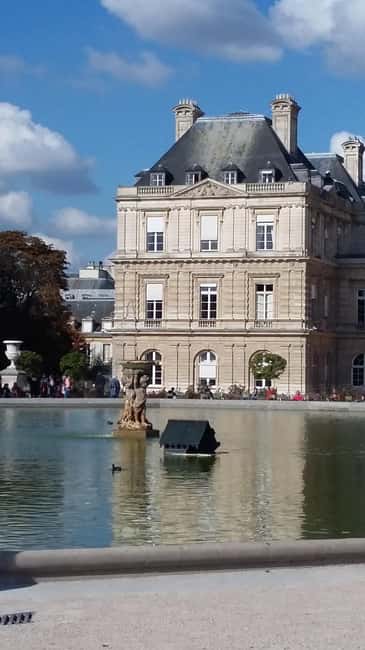
Each class happens in a different Paris neighborhood. That makes it more than a one-off experience. If you’re in Paris for a while—or you want to build skills over multiple sessions—repeating can be a smart move because you practice your drawing in new streets and new sightlines.
This weekly rotation also helps you avoid the “same photo angle, different day” problem. You’ll be exposed to varied architecture and street rhythms, and your sketching will improve because the world keeps changing.
Weather Reality: When It Gets Too Hot or Too Wild
Plein air is weather-dependent. The organizers tell you classes are likely to be transferred at the studio in cases of high heat or extremely bad weather. That’s the one potential drawback to plan for, especially if you booked specifically to sit outside.
That said, the plan is flexible. In cold weather, you might sketch at a cafe instead of dragging everyone through uncomfortable conditions. When it’s windier or rainy, you’ll still have a working solution—just not always the exact same outdoor setup you imagined when booking.
My advice: treat this as an all-weather sketching workshop, not a guaranteed “sun on your easel” day. Bring the right layers and you’ll stay happier when conditions shift.
Price and Value: What $112 Buys You in Paris
At $112 per person for 3 hours, you’re paying for more than time on the street. You’re paying for:
- Professional instruction from Pauline (the real value in a short workshop)
- A small group size (up to 6), which makes feedback practical
- Skill-focused practice: composition, perspective, and figure/proportion foundations
- A lesson that adapts to weather, rather than canceling quietly
Art supplies aren’t included, so factor that in if you’re traveling light. Still, if you can bring your own basic watercolor kit and a sketchbook, the cost can feel very fair for the teacher-to-student ratio.
Also consider the “series effect.” This outdoor class is complementary to Pauline’s studio watercolor sessions on Tuesdays (2:30PM–4:30PM). If you’re staying long enough, doing both can help you connect what you learned outside with what you refine inside—using watercolor with more control after you’ve practiced seeing.
Who Should Book This Class (and Who Should Skip It)
This is a good fit if you:
- Want a structured art class without needing a background
- Like learning by doing, in a real Paris setting
- Have limited time and want a concentrated 3-hour skill session
- Prefer small groups and direct coaching
It also works for families, since the class can accommodate an adult with children, but it’s not suitable for children under 7. If kids or teens under 18 join, they must have an accompanying adult.
One practical note: you should expect walking and sitting on benches, on the floor, or standing for part of the session. Comfortable shoes aren’t a suggestion here—they’re the difference between enjoying the class and rushing through it.
Should You Book This Paris Plein Air Sketching Course?
Yes, you should book it if you want an authentic Paris experience that trains your eye—not just your camera roll. The small group size and the focus on perspective/composition make it worth doing even if you only have a short window in the city.
Before you commit, think about two things:
- If you’re booking mainly for the outdoors, remember the weather plan. Hot days and wild conditions can shift you indoors.
- Pack smart for supplies and comfort. If you arrive with the core kit and weather-appropriate clothing, you’ll spend the 3 hours drawing instead of improvising.
If you want a hands-on way to experience Paris while learning a skill that you can keep using long after your trip, this is an easy yes.
FAQ
What time does the class start, and where do we meet?
The class meets at 9:30AM at a cafe. The exact meeting point for that week is emailed to you a few days before the workshop.
How long is the Paris plein air sketching class?
It lasts 3 hours.
How big is the group?
It’s a small group of 3 to 6 participants.
What languages is the class taught in?
The class is taught in French and English.
What art supplies should I bring?
You’ll want a paper sketchbook (A4 recommended), a watercolor box, a small water jar with lid, a watercolor brush, a rag or kitchen paper, pencil(s), a pencil sharpener, and a water-resistant black pen. Optional items include nib holder/nib/India ink, felt pens, color pencils, and a glue stick.
Are art supplies included in the price?
No, art supplies are not included. You can order supplies from Pauline’s website up to 5 working days before class.
Can children or teens join?
Children and teenagers under 18 can join if an accompanying adult joins too. The class is not suitable for children under 7.
What happens if the weather is very hot or extremely bad?
Classes are likely to be transferred to the studio in cases of high heat or extremely bad weather. In colder weather, drawing may continue at a cafe.
Do I need to budget for café expenses or museum tickets?
You should plan a cafe budget. If the session involves indoor drawing at a museum, you may also need to cover museum ticket costs.