REVIEW · PARIS
Le Marais District & Jewish Quarter Guided Walking Tour 12ppl Max
Book on Viator →Operated by Babylon Tours Paris · Bookable on Viator
Paris shifts gears fast in the Marais. In about 2.5 hours, you’ll get a clear, walkable route through Le Marais and the Jewish Quarter, with an English-speaking guide who keeps the story moving. Two things I especially like: the semi-private size (12 max) and the fact that you see both the postcard Marais sights and the neighborhoods tied to Jewish community life. One consideration: synagogue entry is not part of this tour, mainly because access is restricted for security and worshippers.
What makes this feel worth the $59.69 price tag is the mix of famous landmarks and the smaller streets you’d miss on your own. I also appreciate that the tour is built for real city time—standing where buildings make sense, then walking on—rather than treating Paris like a checklist. It’s a guided route that sets you up to snack, shop, and plan your next museum stop with your bearings already in place.
In This Review
- Key highlights to watch for
- Le Marais and the Jewish Quarter in one smooth 2.5-hour loop
- Price and value: why $59.69 makes sense here
- Where you start and how the walk feels on your feet
- Stop 1: Saint-Paul-Saint-Louis to the Marais core
- A practical tip
- Stop 2: Hotel de Sully courtyard and garden (Renaissance meets Baroque)
- Stop 3: Place des Vosges and the square-planning idea
- Stop 4: Rue des Francs-Bourgeois for fashion street energy
- Stop 5: Musée Carnavalet area (entry is optional)
- Stop 6: Pletzl streets on Rue des Rosiers
- Stop 7: Jardin des Rosiers and Joseph Migneret’s WWII story
- Stop 8: Centre Pompidou exterior (tickets not included)
- Stop 9: Ending at Hôtel de Ville and Saint-Gervais-Saint-Protais
- Guides are the difference: what the best ones do
- What you can and can’t enter during the tour
- Planning tips so you get more from the walk
- Who should book this tour
- Should you book Le Marais District & Jewish Quarter Guided Walking Tour?
- FAQ
- How many people are in the group?
- Is the tour in English, and does it run in bad weather?
- How long is the walking tour?
- Are synagogues included in the tour?
- Are Musée Carnavalet and Centre Pompidou tickets included?
- Can I cancel and get a full refund?
Key highlights to watch for
- 12 people max keeps the pace friendly and questions possible at tight street corners
- Saint-Paul-Saint-Louis + Hotel de Sully explain how the Marais grew, block by block
- Place des Vosges is the centerpiece you’ll get context for, not just a photo moment
- Pletzl streets and Jardin des Rosiers connect everyday shopping streets to WWII memory
- Outside views of Centre Pompidou without pressure to buy extra time inside
- No synagogue interior visits: you learn from landmarks and the street-level history instead
Le Marais and the Jewish Quarter in one smooth 2.5-hour loop
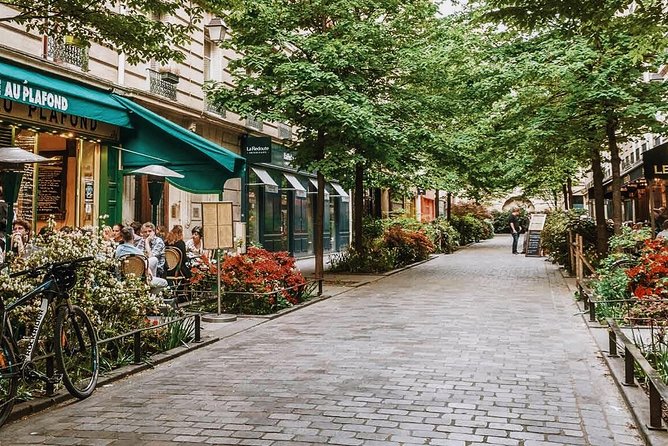
This tour is built for first-timers and repeat visitors alike. You start near Saint-Paul, then walk your way through the old core where royal Paris, Jesuit architecture, and civic buildings sit close to the streets known as the Pletzl. The guide helps you read what you’re seeing—courtyards, square planning, mansion facades—so the Marais starts to feel navigable instead of overwhelming.
You also get the Jewish Quarter story without turning it into a single-topic lecture. The route connects major Marais landmarks (like Place des Vosges) to the streets where community life played out in the 18th and 19th centuries, plus a WWII memorial stop tied to Joseph Migneret. If you want a single walk that gives you context before you go deeper on your own, this does that job fast.
You can also read our reviews of more walking tours in Paris



Price and value: why $59.69 makes sense here
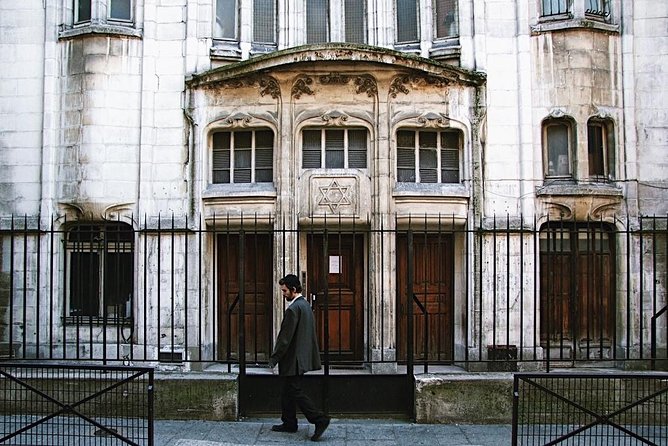
At $59.69 per person, you’re paying for more than “someone to point at buildings.” You’re buying an English-speaking guide, a structured route that hits top sights, and a group size capped at 12. That matters in the Marais, where streets are narrow and the best photo angles are often in specific spots—not in random positions down the block.
Most stops are outdoors or free to view from the outside, including major landmarks like Saint-Paul-Saint-Louis, Place des Vosges, Rue des Francs Bourgeois, Rue des Rosiers, Jardin des Rosiers, Hôtel de Ville, and Saint-Gervais-Saint-Protais. The two big-ticket exceptions are Musée Carnavalet and Centre Pompidou, and even then you’re not required to go inside—tickets are not included. So you can stay fully “walk-and-look” for the full experience, and only pay entry if you want the interiors.
Where you start and how the walk feels on your feet
The tour starts in the Saint-Paul area (Paris 75004) and ends back in the Marais. It’s set up as a walking tour of about 2 hours 30 minutes, and it runs in all weather. That rain-or-shine promise is helpful in Paris, where plans can change fast when the sky decides to do its thing.
The pace is doable if you have moderate fitness. You should expect enough walking and standing that comfortable shoes are non-negotiable. Also, this isn’t designed for wheelchair use or guests with walking disabilities. If that describes you, it’s better to plan a lighter option with fewer stops.
Stop 1: Saint-Paul-Saint-Louis to the Marais core
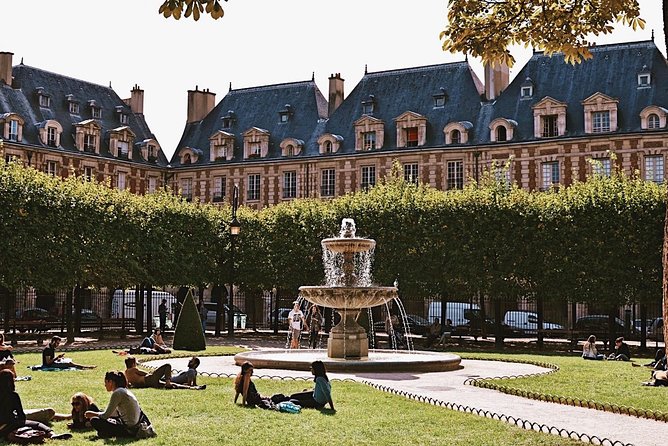
You begin with the 17th-century church of Saint-Paul-Saint-Louis. It was built by the Jesuits, with inspiration drawn from the Gesù church in Rome. That detail is the kind of fact that makes the architecture click—suddenly you’re not just looking at a church, you’re seeing how ideas traveled from Italy to Paris.
From there, the tour threads into the core Marais story: courtyards and monumental buildings. You’ll pass the Hotel de Sully, and you’ll understand why the Marais is not just charming streets—it’s a planned, evolving district where power and taste left long architectural fingerprints.
A practical tip
If you want good photos of the facades and courtyards, arrive ready to stop more than once. The best views are often just around corners, and the guide will tell you where to stand.
You can also read our reviews of more guided tours in Paris






Stop 2: Hotel de Sully courtyard and garden (Renaissance meets Baroque)
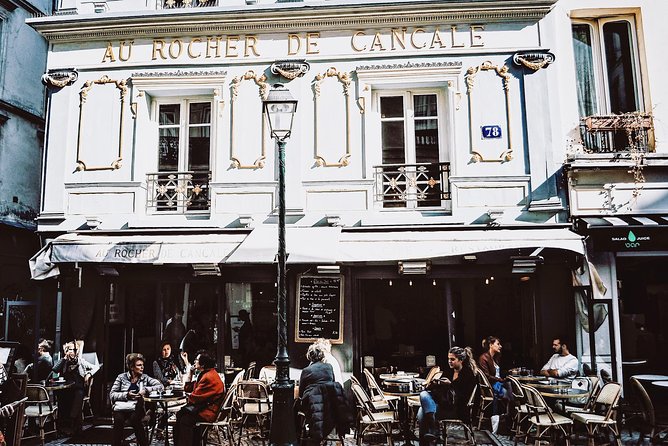
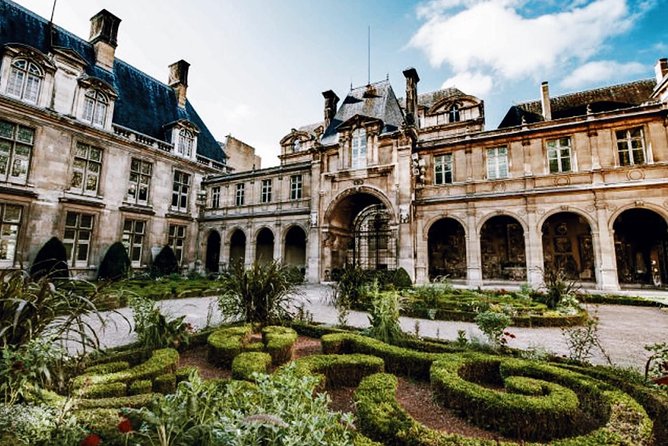
Hotel de Sully is one of the Marais buildings where you start to feel the district’s “royal era” gravity. It was built between 1624 and 1630, designed with Renaissance style and Baroque elements. The architects named in the tour plan are Jean 1er Androuet du Cerceau and Yves Boiret.
This stop is short, but it helps you notice how the Marais uses space—how a big hotel (private in intent) can still shape public streets through scale and placement. Even if you don’t go inside (and many stops here are exterior-focused), you’ll leave with a better eye for what you’re seeing later when you wander on your own.
Stop 3: Place des Vosges and the square-planning idea
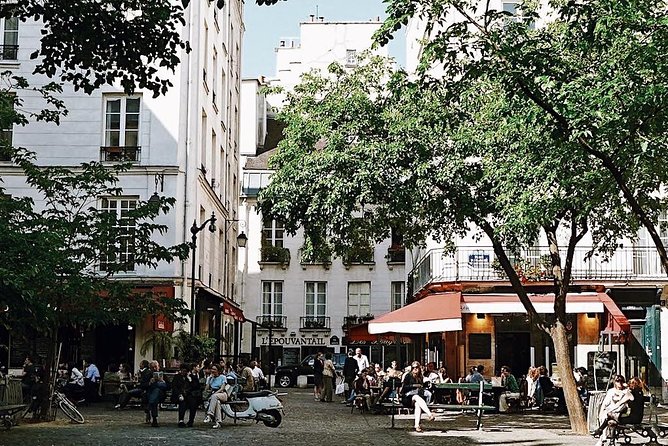
Place des Vosges is the kind of stop that can feel obvious until someone gives you the why. The tour frames it as the oldest planned square in Paris, which changes how you experience it. Instead of just being a pretty place, you understand the planning logic behind why squares exist and why this one matters.
Here’s the value: the guide connects the square to the Marais’s larger growth story. Then you get to enjoy it in person. If you’re the type who loves people-watching and architecture at the same time, this is a good place to slow down for a few minutes and take in how the light hits the buildings.
Stop 4: Rue des Francs-Bourgeois for fashion street energy
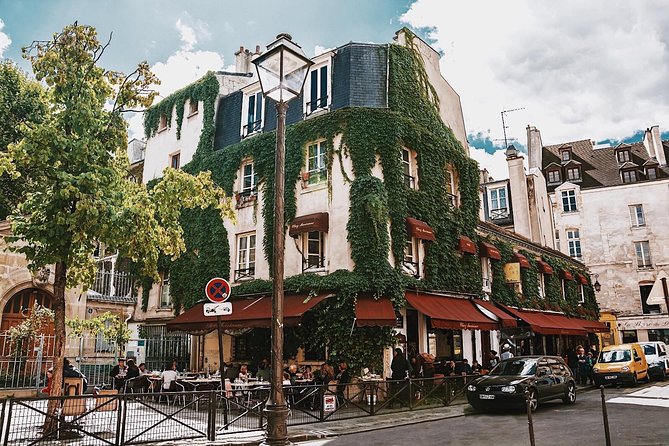
Next comes Rue des Francs-Bourgeois, known for trend-forward fashion boutiques. The tour uses this stretch as a contrast: old Paris structures and royal-era planning give way to streets that feel commercial, modern, and stylish.
In practical terms, this is also where the guide’s knowledge becomes useful for your next step. You’ll be walking through the kind of street where it’s easy to drift into shops aimlessly, and a guide can help you decide what fits your taste and timing.
Stop 5: Musée Carnavalet area (entry is optional)
You’ll see Hôtel Carnavalet, described as a rare example of Renaissance architecture in Paris, and the tour points toward Musée Carnavalet, the museum highlighting Paris’s past. Admission to the museum is not included, and the stop is short.
So what should you do with that information? If you love museums, this is a logical “yes” to buy a ticket later. If you prefer your art time focused, this tour still works because you get the architectural and historical setup without forcing museum time into the walk.
Stop 6: Pletzl streets on Rue des Rosiers
Now you shift into the Jewish Quarter core, with La Rue des Rosiers at the center of the Jewish quarter area. This is one of the stops where street life matters. You’re in a place tied to community life over centuries, and you’re also in a place that feels lived-in today.
The tour keeps the emphasis on context while you walk past the kind of storefront energy that defines the Marais. It’s not about sitting in one spot and reading a sign—it’s about understanding why the streets are where they are and what the community built around them.
Stop 7: Jardin des Rosiers and Joseph Migneret’s WWII story
Jardin des Rosiers is the kind of stop that makes you grateful for a guide. It’s tucked between hotels and hidden behind boutiques, so you’d likely pass it without noticing if you didn’t know to look.
The garden is named for Joseph Migneret, a school principal who helped dozens of students by hiding them in his home during WWII. He was eventually arrested and killed. This is a heavy story in a small space, and the guide’s job here is to connect a memorial name to a real human action—what danger looked like and what courage looked like.
If you want a moment of quiet during the walk, this is the one.
Stop 8: Centre Pompidou exterior (tickets not included)
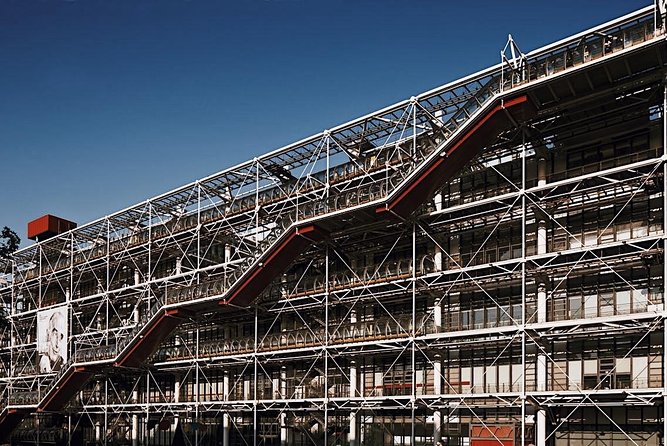
Near the end, you’ll make your way to Centre Pompidou, famous for its contemporary, high-tech style architecture. The tour frames it as a multicultural complex concept meant to bring together art and literature, linked to ideas of France’s first Minister of Cultural Affairs.
You’ll see it as a strong visual “modern bookend” to the older Marais fabric. Entry isn’t included, so don’t expect full museum time. Still, seeing the building from the right spot helps a lot if you later decide whether it’s worth going inside.
Stop 9: Ending at Hôtel de Ville and Saint-Gervais-Saint-Protais
You finish at Hôtel de Ville, Paris city hall. It’s been the headquarters of the municipality since 1357, and the tour also includes a glimpse of Église Saint-Gervais-Saint-Protais next door.
This church is described as the first example of French Baroque style in Paris. It served as a parish church until 1975, and it is now tied to the Monastic Fraternities of Jerusalem. That arc—religious function, then later a new role—fits the Marais pattern of change over centuries.
Guides are the difference: what the best ones do
One reason this walk earns such high marks is the guide style. Names that have shown up with strong customer praise include Eden Mele, Hugo, Adrien, Francois, Tamari, Manu, Georgia, and others. The common thread is how they tell stories at street level: warm delivery, quick answers, and a real sense of place.
I like when a guide doesn’t just list dates. Good guides point out what you’d walk past: the architectural clues in a courtyard, the planning idea behind a square, and the street-level context that makes the Jewish Quarter make sense in your head.
If your guide is especially animated—one praised for joie de vivre and another for infectious joy—that usually means you’ll spend less time feeling lost and more time enjoying the walk.
What you can and can’t enter during the tour
Two admissions are explicitly not included: Musée Carnavalet and Centre Pompidou. Everything else is described as free in the tour structure. In addition, some interiors may not be available due to security measures at attractions.
Most importantly for anyone hoping for synagogue access: synagogues are not part of the tour. Access is restricted to worshippers for security reasons. You’ll still learn a lot, but your “inside” moments won’t be synagogue visits.
Planning tips so you get more from the walk
A few small choices will make the tour smoother:
- Bring a bottle of water. You’ll be walking for a while and Paris heat or rain can steal your energy.
- Wear comfortable shoes. The route covers enough distance that blisters are the enemy.
- Use a phone you can actually access. You’re asked to provide a mobile phone number with the country code.
- Leave big bags at the hotel. No large bags or suitcases are allowed.
- Keep an umbrella handy. The tour runs rain or shine.
Also, there’s a note that national celebrations can affect the route. When that happens, you’ll be given an alternative route that still aims to show the main highlights, but refunds/discounts aren’t offered for rerouting.
Who should book this tour
Book it if you want:
- A first-hit orientation to the Marais with a Jewish Quarter focus
- A structured route you can use as a base for the rest of your Paris days
- A small group setting that supports questions and pauses
It’s also a smart option if you’re mixing interests: architecture, Paris civic buildings, WWII memory, and neighborhood history in one walking session.
Skip it if:
- You need wheelchair accessibility or a very low-walking format
- You’re expecting guaranteed synagogue interior visits
Should you book Le Marais District & Jewish Quarter Guided Walking Tour?
I think you should book it if you want a guided way to see the Marais with context baked in. The small group size (12 max) and the mix of landmarks—Saint-Paul-Saint-Louis, Hotel de Sully, Place des Vosges, Pletzl streets, Jardin des Rosiers, Hôtel de Ville—add up to more than the sum of the stops. You’ll also get the most important caution upfront: synagogue interiors aren’t included, so set your expectations around street-level history and landmark visits.
If you’re deciding between doing the Marais on your own versus with a guide, this is the easier choice on your time. You’ll walk away with better bearings fast and more “why does that look like that?” moments than you’ll get from wandering casually.
FAQ
How many people are in the group?
The group is capped at a maximum of 12 travelers, and it’s described as semi-private.
Is the tour in English, and does it run in bad weather?
Yes, it’s offered in English, and the tour runs rain or shine.
How long is the walking tour?
It runs for about 2 hours 30 minutes.
Are synagogues included in the tour?
No. The tour does not include entry into any synagogues because access is restricted to worshippers for security reasons.
Are Musée Carnavalet and Centre Pompidou tickets included?
No. Musée Carnavalet and Centre Pompidou admission tickets are not included.
Can I cancel and get a full refund?
You can cancel up to 24 hours in advance for a full refund. If you cancel less than 24 hours before the start time, the amount paid won’t be refunded.