REVIEW · PARIS
Skip-the-line Rodin Museum – Exclusive Guided Tour
Book on Viator →Operated by Babylon Tours Paris · Bookable on Viator
Skip the lines, then meet Rodin properly. This exclusive skip-the-line Musée Rodin tour (English, about 2 hours) gets you past the busiest entry moments and into the heart of Rodin’s world—sculpture, study sketches, and the famous works that are hard to connect on your own. I really like the way the guide shepherds you through the collection highlights with clear stories, including what Rodin was chasing in the human form and why pieces like The Gates of Hell and The Thinker hit so hard. My only caution: even with skip-the-line access, security can still create some waiting, and the museum can occasionally close with limited notice.
Before you go, note a few practical rules so you don’t lose time: you’ll meet at 77 Rue de Varenne and it ends back there, and you’ll need your mobile phone number (with country code) for your mobile ticket. Also, no large bags or suitcases inside—security allows handbags or small thin bag packs only—so travel light or plan a quick bag drop elsewhere.
In This Review
- Key things to know before you go
- Skip-the-line at Musée Rodin: what you’re really paying for
- Meeting point on Rue de Varenne and the logistics that save stress
- Inside Musée Rodin: sculpture, paintings, and the human form
- The stories behind The Gates of Hell and The Thinker
- Gardens time: Rodin’s sculptures outside, in daylight
- Rules you’ll want to know: bags, quiet rooms, and skip-the-line reality
- Private vs small-group options (and what changes for you)
- What’s included, what’s not, and how to plan your afternoon
- Who this Rodin Museum tour fits best
- Should you book the Skip-the-line Rodin Museum guided tour?
- FAQ
- FAQ
- How long is the Rodin Museum skip-the-line guided tour?
- Is the tour offered in English?
- Does the price include museum admission?
- Is this tour wheelchair friendly?
- Are temporary exhibitions included?
- Where does the tour meet?
- What bag can I bring inside the museum?
- What happens if the museum has a closure or delayed opening?
- Is the tour truly private?
Key things to know before you go

- Skip-the-line entry at Musée Rodin helps you start faster, even if security lines can still happen.
- A guided story arc connects Rodin’s sculptures, study drawings/paintings, and his modern influence.
- Hands-on-the-human-form focus includes repeated studies like the “many hands” theme and The Walking Man.
- The Gates of Hell and The Thinker get the spotlight with context, not just photo ops.
- You finish outside with a stroll through the manicured gardens where more sculpture lives.
Skip-the-line at Musée Rodin: what you’re really paying for

At $142.89 per person for about 2 hours, you’re not just buying admission. You’re paying for two things that matter at Rodin: time and interpretation.
Museums like this can eat your day in waiting lines and aimless wandering. A skip-the-line setup means you’re more likely to spend your paid time looking closely instead of standing around. And because the tour is built around Rodin’s process—his studies of the body, the way he developed ideas, and how his contemporaries fit in—you’ll come away with a sense of how the pieces talk to each other.
One more practical note: this tour is often booked around 52 days in advance. If you’re traveling in peak season or you have a tight schedule, reserve early so you’re not stuck choosing a late time.
You can also read our reviews of more guided tours in Paris



Meeting point on Rue de Varenne and the logistics that save stress
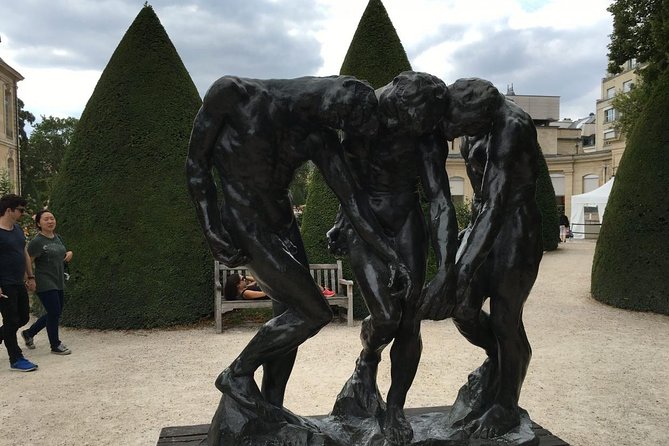
Your tour starts at Musée Rodin, 77 Rue de Varenne, 75007 Paris, and it ends back at the same spot. That’s helpful if you want to continue exploring nearby afterward or grab dinner without a new meeting point.
You’ll also want to be ready with a few details:
- You’ll receive confirmation at booking.
- You’ll use a mobile ticket, so having your phone charged matters.
- You’re asked to provide a mobile phone number with country code.
The experience is listed as near public transportation, which is good news in Paris—you shouldn’t have to build your whole plan around a specific taxi line. And because the museum includes indoor galleries plus outdoor time in the gardens, plan for moderate walking.
Inside Musée Rodin: sculpture, paintings, and the human form
The main stop is the museum itself, where the rooms are packed with sculpture and selections from a major body of work Rodin accumulated over his life. What I like about this tour format is that it’s not just a tour of famous objects. It’s a tour of Rodin’s obsession: the human form as a living thing—gesture, weight, tension, and touch.
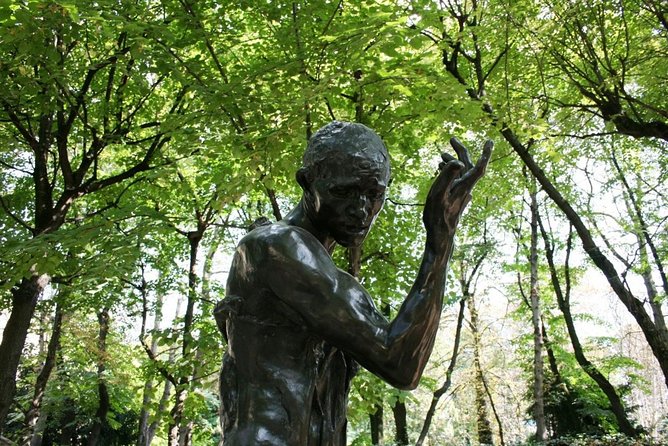
You’ll move through studies that focus on anatomy and movement. Expect repeated themes like hands and the way Rodin used the body as a kind of language. A highlight is The Walking Man, a life-sized figure that helps you see Rodin’s interest in motion and form rather than static “poses.”
You’ll also spend time with the idea that Rodin wasn’t working in a vacuum. The museum visit includes discussion of contemporaries he depicted in clay—one named example is the French writer Honoré de Balzac. That matters because it turns Rodin into a person working among real cultural figures, not just a name on a museum wall.
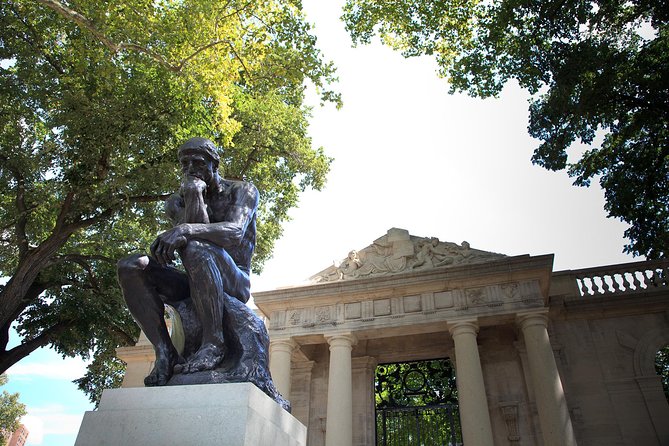
And yes, the tour makes time for The Gates of Hell—including the recognizable portion The Thinker. The key value here is not simply seeing the work. It’s learning what to look for: how Rodin built a larger world of figures, and how the famous head and pose became an icon because it expresses something bigger than a single character.
The stories behind The Gates of Hell and The Thinker
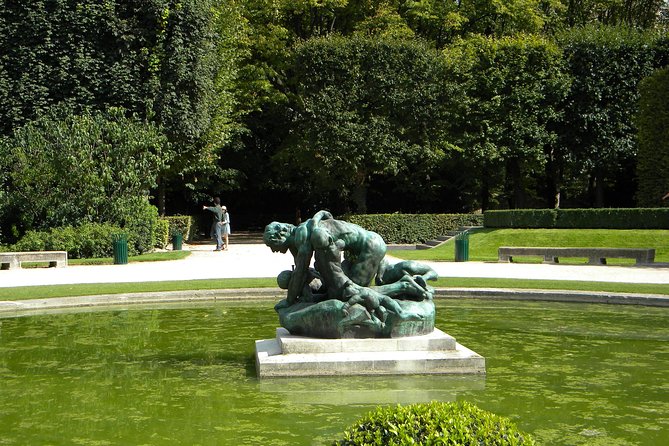
When you see The Gates of Hell in photos, it can look like a dense crowd of forms. In person, it’s something else: layered intention. This tour gives you the background so the mass of sculpted figures starts to feel organized.
What you get is the “why” behind Rodin’s choices—especially the way he represented ideas through form. The Thinker doesn’t just become a famous statue you recognize. It turns into the kind of moment Rodin built repeatedly: thoughtful stillness, expressed through body mechanics and posture.
This is also where a strong guide can change your whole experience. I’ve seen tour styles where guides like Donja or Ana (names that show up as standout guides for their teaching style) focus on cultural context and clear explanations that help you connect Rodin’s artistic decisions to the era around him. Even if you only catch part of that during a busy museum visit, it’s the difference between watching art and understanding it.
Gardens time: Rodin’s sculptures outside, in daylight

After the indoor highlights, you’ll get a stroll through the beautifully manicured gardens, where additional sculptures are on display. This is more than a break from galleries. The outdoors changes how sculpture reads: you’ll notice shadows, spacing, and how figures interact with open air.
Gardens also give you a calmer pace. Inside, you’re often moving from room to room. Outside, you can slow down, look at the scale, and take in how the museum’s outdoor spaces shape the viewing experience.
If you tend to rush through museums, this part helps you rebalance. If you like photography, you’ll also get better lighting than in many indoor rooms.
You can also read our reviews of more museum experiences in Paris



Rules you’ll want to know: bags, quiet rooms, and skip-the-line reality
A couple of museum rules can affect your day if you show up unprepared:
- No large bags or suitcases inside the museum. Only handbags or small thin bag packs are allowed through security.
- Some areas have very quiet or restricted speaking rules. When that happens, your guide will explain what you need to know before entering those rooms.
Also, a reality check: increased security measures at many attractions can still create lines on tours with skip-the-line or no-wait access. In other words, your time savings are likely, but not guaranteed down to the minute.
Private vs small-group options (and what changes for you)
The tour is described as private, meaning your group participates. But there’s an important distinction tied to the option you choose.
If you book the option where the guide is exclusively for your group, you’ll get that focused attention. If you choose the semi-private pricing option, the listing notes that the guide exclusivity does not apply.
Wheelchair friendliness is also tied to the option: it’s listed as wheelchair friendly, but it does not apply if you choose the semi-private SAVE option. If mobility access is a priority, confirm you’re choosing the right tour format before you go.
In plain terms: if you want maximum interaction and smoother pacing for questions and turns, prioritize the private/exclusive-guide style. If you mainly want highlights with less back-and-forth, the small-group/semi-private format can still work.
What’s included, what’s not, and how to plan your afternoon

Here’s what you can count on:
- A skip-the-line guided museum tour.
- A guide-led experience lasting 1.5 to 2 hours.
- All entrance fees.
- A mobile ticket.
- Wheelchair friendly is listed, depending on which option you choose.
What’s not included:
- Hotel pickup or drop-off (use Uber or a taxi instead).
- Gratuities (optional).
- Temporary exhibitions.
A quick planning tip: since temporary exhibitions aren’t included, don’t expect the tour to cover every rotating display. This is a Rodin-focused experience built around his major works and the collection highlights tied to his career and ideas.
Dress matters too. The tour notes that appropriate dress is required for entry into some sites on the tour.
Who this Rodin Museum tour fits best
This tour is a good fit if you want:
- A structured 2-hour visit that hits the core works and the “why” behind them.
- Clear guidance on Rodin’s themes, especially studies of the human form and the development of major masterpieces.
- An experience that moves you past crowds so you can actually spend time looking.
It’s also a solid option for first-timers who feel overwhelmed by major museums. Instead of scanning room labels, you’ll have a storyline that connects sculptures to sketches/studies and to context like Rodin’s contemporaries (including Balzac).
If you have moderate mobility needs, note the moderate fitness level guidance and the wheelchair details that depend on tour option.
Should you book the Skip-the-line Rodin Museum guided tour?
Book it if you want your Rodin time to feel intentional: skip line entry, a tight 2-hour plan, and guided context for works like The Gates of Hell and The Thinker, plus Rodin’s broader study focus and the gardens.
Skip it (or at least think twice) if you dislike structured routes, or if you’re planning a schedule that can’t handle occasional museum hiccups. The listing warns that the museum may face occasional closures without prior warning. If opening is delayed by more than 1 hour from the tour start time, an alternative is provided, but refunds or discounts aren’t offered in those cases.
My bottom line: for most people, this is good value because it trades expensive time-wasting (lines, wandering) for a guided story you can carry home. Rodin is a sculptor where “what you see” improves a lot when someone explains “what it means.”
FAQ
FAQ
How long is the Rodin Museum skip-the-line guided tour?
The tour is listed at about 2 hours (with duration stated as 1.5 to 2 hours).
Is the tour offered in English?
Yes, the tour is offered in English.
Does the price include museum admission?
Yes. Entrance fees are included with the skip-the-line guided museum tour.
Is this tour wheelchair friendly?
Wheelchair friendly is listed, but it does not apply if you choose the SAVE! BOOK SEMI-PRIVATE option.
Are temporary exhibitions included?
No. Temporary exhibitions are not included.
Where does the tour meet?
The meeting point is Musée Rodin, 77 Rue de Varenne, 75007 Paris, France. The tour ends back at the meeting point.
What bag can I bring inside the museum?
No large bags or suitcases are allowed. Only handbags or small thin bag packs are allowed through security.
What happens if the museum has a closure or delayed opening?
Rodin Museum may occasionally close without prior warning. If opening is delayed more than 1 hour from the tour start time, you’ll be provided an appropriate alternative, but refunds or discounts are not available.
Is the tour truly private?
It’s described as private, meaning only your group participates. Note that some inclusions like exclusive guide attention can depend on whether you choose the semi-private option.