REVIEW · PARIS
Skip-the-line Centre Pompidou Guided Museum Tour – Exclusive Guided Tour
Book on Viator →Operated by Babylon Tours Paris · Bookable on Viator
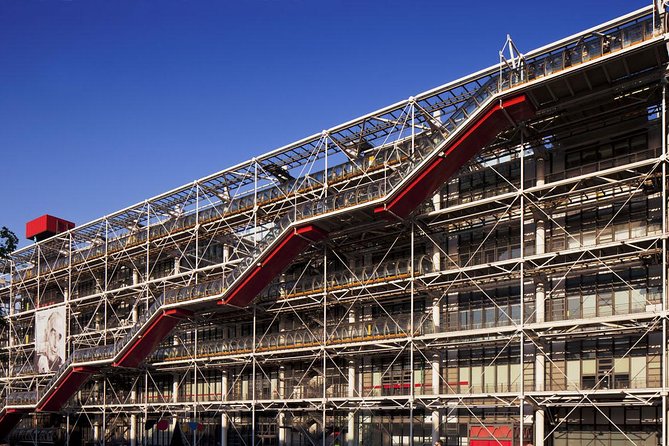
That building alone changes your mood. This skip-the-line Centre Pompidou tour turns Renzo Piano’s loud, color-coded design into context, then walks you through modern art from Picasso and Matisse to Pop Art. I especially love how the guide connects movements like Cubism and Dada to what you’re actually seeing, and I like that the museum’s architecture gets real attention instead of being treated like a photo backdrop.
One key consideration: museum security is strict. You can’t bring large bags or suitcases inside, and some rooms have rules about speaking quietly, so plan to travel light and keep your voice low.
In This Review
- Key things to know before you go
- Entering The Centre Pompidou’s Inside-Out World
- Getting There and Timing: A 5:00 PM Start With Real-World Security
- Tour Flow in Plain English: What 2.5 Hours Feels Like
- Renzo Piano and the Architecture Lesson You’ll Actually Use
- Picasso, Matisse, and the Big Break in Modern Art
- World Wars, Dada, and the Art of Contradiction
- Pop Art in the 50s and 60s: When Art Meets Everyday Life
- How a Private Guide Changes Everything (and Why That Matters Here)
- What’s Included in the Ticket and What Isn’t
- Price Check: Is $75 Good Value for Paris?
- Who This Tour Fits Best
- Should You Book This Centre Pompidou Skip-the-Line Tour?
- FAQ
- How long is the Centre Pompidou guided museum tour?
- What time does the tour start?
- Where does the tour start and end?
- What is included in the ticket price?
- Are temporary exhibitions included?
- Is this a private tour?
- Do I need to provide a mobile phone number?
- Are there restrictions on bags inside the museum?
- Is the tour wheelchair friendly?
- What if the museum closes or the start is delayed by more than an hour?
- What is the cancellation policy?
Key things to know before you go
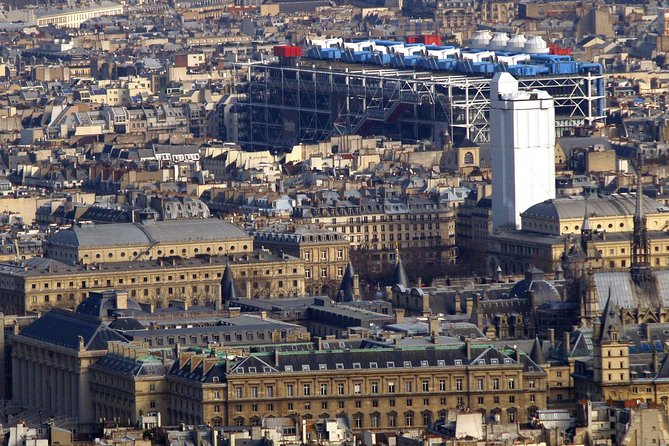
- Renzo Piano’s inside-out design is part of the story, not just the setting
- Private guide for your group makes it easier to ask questions about modern art
- Modern movements on the route can include Cubism, Dada, Futurism, and Bauhaus
- Security rules matter: no large bags, only small handbags or thin bag packs
- Skip-the-line helps, but some lines can still happen because security can be busy
Entering The Centre Pompidou’s Inside-Out World
If you only know Impressionism, the Centre Pompidou can feel like culture shock—in the best way. The point is simple: Paris didn’t build this museum to be polite. It’s famous for its controversial look, and the building design is tied to its mission. The guide helps you understand that the exterior is basically an ongoing explanation of the museum’s idea of art and space.
The structure is credited to Renzo Piano, and that matters. The galleries feel spacious and intentional, but the building itself teaches you how to read it. You’ll learn how the museum’s technical, colorful, and very visible systems create a sense of motion and openness. That makes your visit easier, because you’re not wandering in and hoping modern art will explain itself.
The other big win is the pace and focus. This is not a museum sprint where you race from room to room. With a guide, you get a clean narrative for modern art—how styles break rules, react to world events, and sometimes bounce back as new pop culture arrives.
You can also read our reviews of more guided tours in Paris



Getting There and Timing: A 5:00 PM Start With Real-World Security
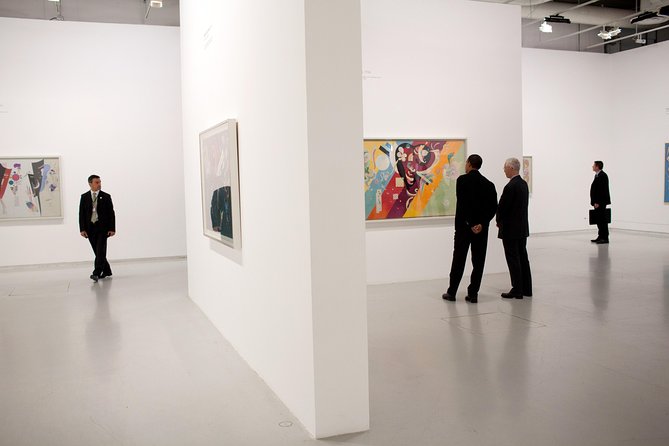
This tour starts at 5:00 pm and runs about 2.5 hours. You meet at Centre Georges Pompidou (75004 Paris) and you end back at the same meeting point. No hotel pickup is included, so I’d plan on a short taxi or rideshare drop, then a walk the last bit.
The “skip-the-line” part is useful, but don’t assume Paris security is ever effortless. The museum’s own security procedures can still create lines for even no-wait access. Also, this tour includes entry, but the building can be subject to occasional closures. If openings get delayed by more than an hour from tour start, an alternative is provided—but refunds or discounts aren’t available in those cases.
Dress should be appropriate for entry to some sites. The tour doesn’t ask for anything fancy, but I’d go for comfortable shoes and weather-ready layers. One more practical thing: you’ll need to provide a mobile phone number (with country code) for this experience. That’s how the operator can coordinate day-of changes or confirmations.
Tour Flow in Plain English: What 2.5 Hours Feels Like
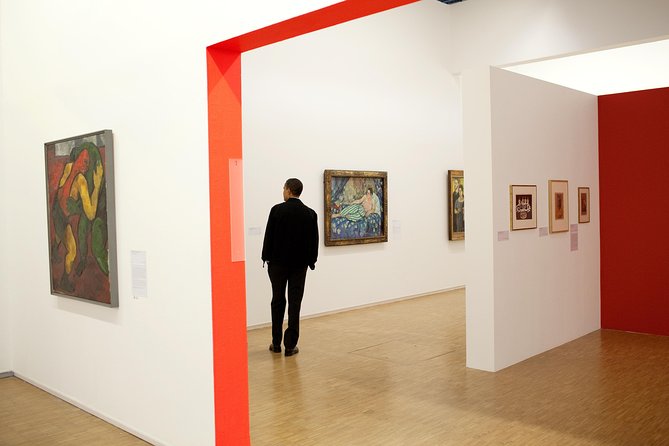
You’re going in for one main stop: the Centre Pompidou itself. But the time gets used in smart chunks.
First, your guide frames the building concept. Then you move into galleries for art you can’t really appreciate without a little structure. The goal isn’t to memorize dates. It’s to understand why artists broke rules, why movements look the way they do, and how that connects across decades.
Along the way, the guide points you toward major modern masters and gives you the basic “decoder ring.” Think Picasso and Matisse for the early modern break with tradition, then World War–era works for the shock-and-reaction mindset behind movements like Dada, and finally the postwar leap toward Pop Art as the 1950s and swinging 1960s take over.
Renzo Piano and the Architecture Lesson You’ll Actually Use
A lot of museum tours treat architecture like a quick handshake: see the building, get a photo, move on. Here, it’s part of the meaning. You’ll learn about the inside-out concept and the reason the building looks like its technical guts are exposed.
That matters because it changes how you move through the museum. When you understand the building idea, you pay better attention to the spaces and the way galleries connect. You also stop treating the museum like a random Modern Art box that happens to be in Paris. It becomes a designed argument.
And yes, the design can feel controversial—especially if you’re used to Haussmann-era elegance. But that reaction is part of the experience. Modern art in Paris is often about discomfort turning into curiosity. The architecture is basically the museum’s opening line.
Picasso, Matisse, and the Big Break in Modern Art
In the galleries, the guide sets up modern art as a set of rule-breaking answers to old questions. Two artists anchor the experience strongly: Picasso and Matisse.
You’ll connect Picasso’s contribution to Cubism—the feeling of multiple viewpoints and fractured space. The point isn’t only seeing bold shapes. It’s understanding how Cubism changes your job as a viewer. Instead of looking for a single “correct” view, you learn to read a construction.
Then you’ll shift toward Matisse and Fauvism, which is where color takes a leading role. The museum makes this easier than many smaller collections, because the modern galleries are designed for you to compare styles and keep context in your head. If you’ve ever wondered why some works look too intense to be “real,” you’ll get the answer here: the intensity is often the point.
You can also read our reviews of more museum experiences in Paris


World Wars, Dada, and the Art of Contradiction
Modern art isn’t only about new techniques. It’s also about new emotional logic. The tour gives you a World War–era thread and ties it directly to Dada.
Dada can be hard to understand from a label alone. It can look chaotic, even like it’s refusing to behave. With a guide, you get the historical push behind it. The movement becomes less about being random for fun and more about responding to a world that felt broken beyond repair.
This is also where you’ll likely appreciate how the tour organizes the museum’s collection into a story, rather than a checklist. You move through eras with a sense of cause and effect: world events shape mindsets, mindsets shape what artists decide art should do.
The tour also mentions other movements in the modern spectrum, such as Futurism and Bauhaus. Even if your route emphasizes some more than others, the guide’s framework helps you spot how different schools chase different ideas of the future, design, and form.
Pop Art in the 50s and 60s: When Art Meets Everyday Life
Then comes the swing into the 1950s and swinging 1960s, where Andy Warhol and Pop Art take the spotlight. This section is fun, even if you’re not already a Pop Art fan.
The guide helps you see why Warhol’s approach is more than celebrity images or repetition. Pop Art is a reaction to highbrow art culture and a shift toward everyday media as worthy subject matter. It also shows how modern art can be funny and sharp at the same time—sometimes both in the same piece.
You might also encounter international modern names depending on how the museum’s collection and galleries line up in the year you visit. The tour may include artists such as Mondrian, Pollock, and Georgia O’Keeffe, but collections and room-to-room focus can vary.
How a Private Guide Changes Everything (and Why That Matters Here)
This is a private tour for your group, with a guide exclusively for you—unless you book a different option. That matters at a museum like the Pompidou, where modern art can feel abstract in the wrong way.
With a private guide, you get two practical advantages:
- You can ask questions without having to wait for the group to catch up.
- The guide can adjust the pace if you’re stuck on a style, or speed up if you’re already following the story.
The tour also includes a few “inside baseball” rules that help you feel less lost. Some parts of the museum have quiet or restricted rules about speaking. Your guide will point out those areas before you enter, so you don’t accidentally get out of sync with the museum’s expectations.
What’s Included in the Ticket and What Isn’t
You’re paying for skip-the-line guided entry with admission fees included. You also get a tour time of about 2.5 hours and the guide is part of that package.
Two things not included matter if you’re planning your expectations:
- Temporary exhibitions aren’t included, so you’re focusing on the main collection and what the guide can teach from it.
- Some collections can vary by season, so exact highlights can shift a bit through the year.
Still, for a first serious modern art visit in Paris, this structure is a solid way to get oriented fast.
Price Check: Is $75 Good Value for Paris?
At $75, this isn’t a bargain-basement ticket, but it’s also not overpriced for what you get. Here’s the value math in human terms:
- You get guided explanation (which is the real currency for modern art).
- You get admission included, so you aren’t paying extra for entry.
- You get skip-the-line access, which saves time you can actually spend looking, not waiting.
- You get a private group format, which tends to reduce wasted time and lets the guide tailor the flow.
If you’re the type who likes museums but needs help making sense of movements like Cubism and Dada, this price starts looking pretty fair. If you already know modern art well and you don’t want a guide, you could build your own self-paced route cheaper. But most first-timers in the Pompidou benefit from someone who can turn labels into meaning.
Also remember: you’re visiting at 5:00 pm. That’s often a calmer window than mid-day, so the time you pay for is more likely to feel focused rather than rushed.
Who This Tour Fits Best
This tour is a strong match if you:
- Want modern art in a guided, story-driven format
- Prefer asking questions over silently decoding labels
- Are curious about architecture and how it connects to the museum’s mission
- Plan to pair this with other major art stops, like a day at Musée d’Orsay or the Louvre, where you can compare periods back-to-back
It’s also a good choice if you want a clear route through a large museum without spending the whole visit feeling overwhelmed.
The tour notes a moderate physical fitness level. It’s a museum visit, so you’ll be walking and standing at times, but nothing here suggests extreme exertion. Wheelchair access applies to the exclusive guided tour option, not the semi-private discount option.
Should You Book This Centre Pompidou Skip-the-Line Tour?
I’d book it if you want the Pompidou to make sense quickly. The combination of inside-out architecture explained, a guided tour through major modern movements, and a private format is exactly how you get value from a museum that can otherwise feel intimidating.
Skip it if you’re traveling ultra-light and hate security rules, or if you’re only looking for temporary exhibitions and nothing else. Remember: temporary shows aren’t included here, so if that’s your main goal, plan accordingly.
If you’re doing a first major art day in Paris, this is a smart way to add contemporary art without turning your museum time into a guessing game.
FAQ
How long is the Centre Pompidou guided museum tour?
The tour lasts about 2 hours 30 minutes.
What time does the tour start?
The start time is 5:00 pm.
Where does the tour start and end?
It starts at Centre Georges Pompidou (75004 Paris, France) and ends back at the meeting point.
What is included in the ticket price?
The price includes the skip-the-line guided museum tour, entry fees, and the tour guide for your group (for the exclusive option). Mobile ticket access is part of the experience.
Are temporary exhibitions included?
No. Temporary exhibitions are not included.
Is this a private tour?
Yes. This is a private tour/activity, and only your group participates.
Do I need to provide a mobile phone number?
Yes. You must provide a mobile phone number, including country code.
Are there restrictions on bags inside the museum?
Yes. No large bags or suitcases are allowed inside. Only handbags or small thin bag packs are allowed through security.
Is the tour wheelchair friendly?
It is wheelchair friendly for the exclusive guided tour option. This does not apply if you choose the SAVE! BOOK SEMI-PRIVATE option.
What if the museum closes or the start is delayed by more than an hour?
The Centre Pompidou may have occasional closures without prior warning. If the opening is delayed more than 1 hour from tour starting time, an appropriate alternative is provided, but refunds or discounts are not available.
What is the cancellation policy?
You can cancel for a full refund if you cancel at least 24 hours in advance. If you cancel less than 24 hours before the start time, you do not get a refund.