REVIEW · PARIS
Sainte Chapelle & Conciergerie Private Guided Tour
Book on GetYourGuide →Operated by Paris in person private tours · Bookable on GetYourGuide
Gothic light, in a tiny space. This private Sainte-Chapelle & Conciergerie tour focuses on two heavyweight chapters of Paris: courtly Gothic splendor and the drama of the French Revolution. I love how Sainte-Chapelle feels like Paris’s center—compressed, precise, and built for awe.
What makes it better than wandering on your own is the way the guide connects art to meaning. I like the explanations of color in the medieval period, the symbolism of contracted and expanded space, and the engineering that makes the light do what it does. The tour also adds extra context around the Sorbonne and even Picasso’s favorite drinking dens, so you leave with more than just pretty windows.
One thing to consider: at 90 minutes, it’s focused rather than slow. If you want a long, unhurried second look in either building, you’ll probably want to plan extra time on your own.
In This Review
- Key highlights you’ll feel right away
- Sainte-Chapelle: Paris’s Gothic core, tightly packed
- The guide’s Gothic “decoder ring”: color, space, light, and engineering
- What Sainte-Chapelle teaches about relics and the “house of God”
- Conciergerie: where royal power turns into Revolutionary reality
- How your guide adds extra Paris flavor: Sorbonne and Picasso context
- Orsay Museum skip-the-line ticket: the value add you might miss
- Price and value: what $265 buys in real-world time
- Timing, meeting point, and languages that matter
- Who should book this private Sainte-Chapelle and Conciergerie tour?
- Should you book it?
- FAQ
- How long is the tour?
- What’s the meeting point?
- Is this a private tour?
- What does the guide include?
- Do I get skip-the-line access?
- Is the Orsay Museum ticket included?
- What languages are available for the guide?
- What’s the price per person?
- Is food or drinks included?
- Can I cancel and get a full refund?
Key highlights you’ll feel right away
- Sainte-Chapelle as “perfect jewel” Gothic: a small building that still hits with big ideas
- A guide who explains symbolism, not just facts (color, space, relics, and light)
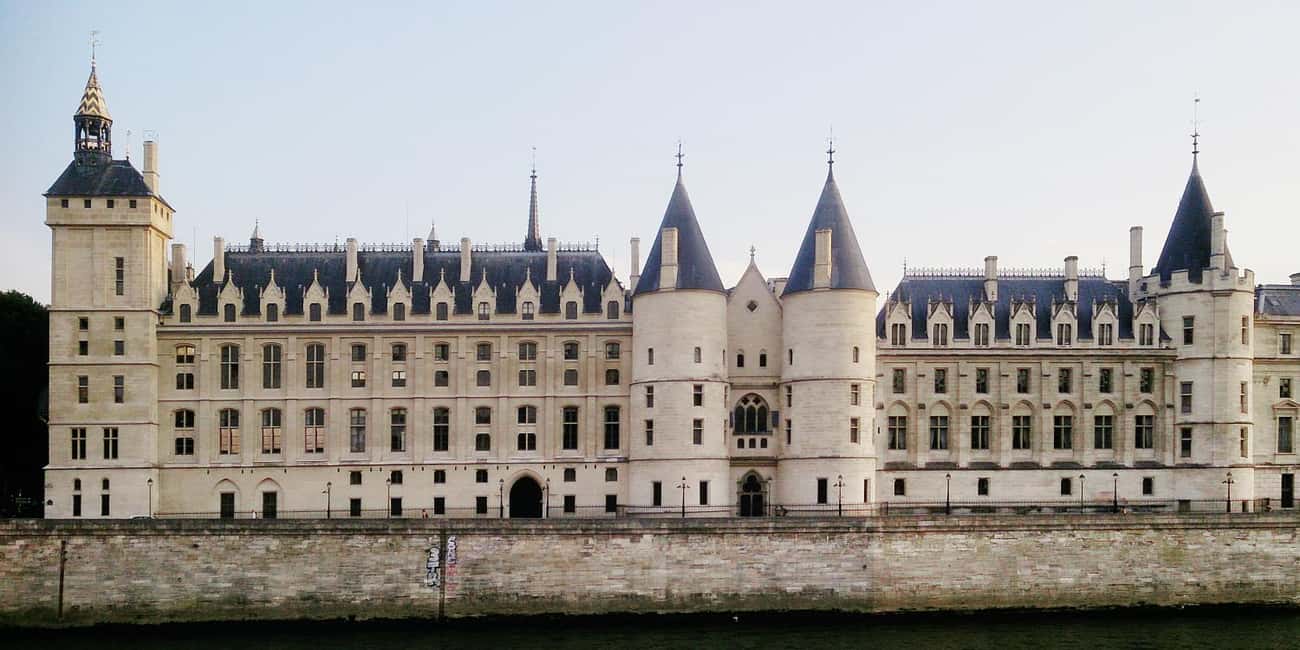
- Conciergerie’s shift from royal palace to Revolutionary prison
- Express security help, so you spend more time seeing and less time waiting
- An included Orsay Museum skip-the-line ticket, even though this tour is about Sainte-Chapelle and the Conciergerie
Sainte-Chapelle: Paris’s Gothic core, tightly packed
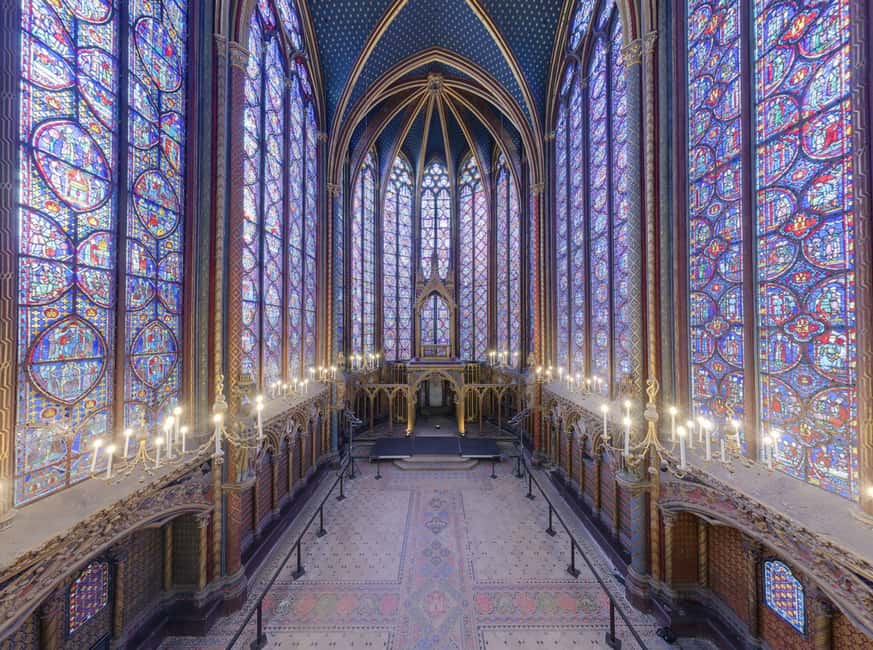
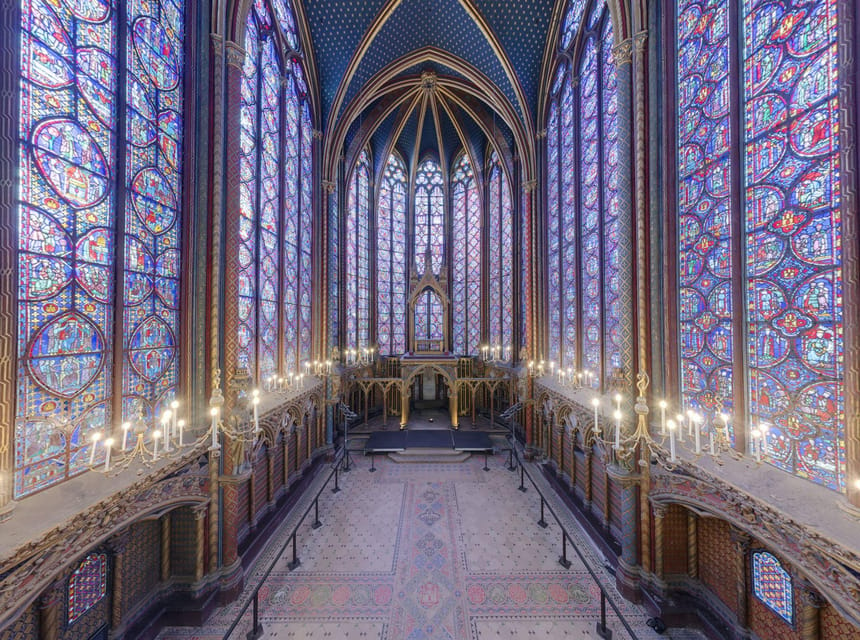
Sainte-Chapelle is the kind of place that makes you stop, even if you usually keep moving. It’s not huge like Notre-Dame, and that’s part of the magic. The scale is smaller, but the ambition isn’t—this chapel is designed so every element matters, down to the way the space guides your eyes.
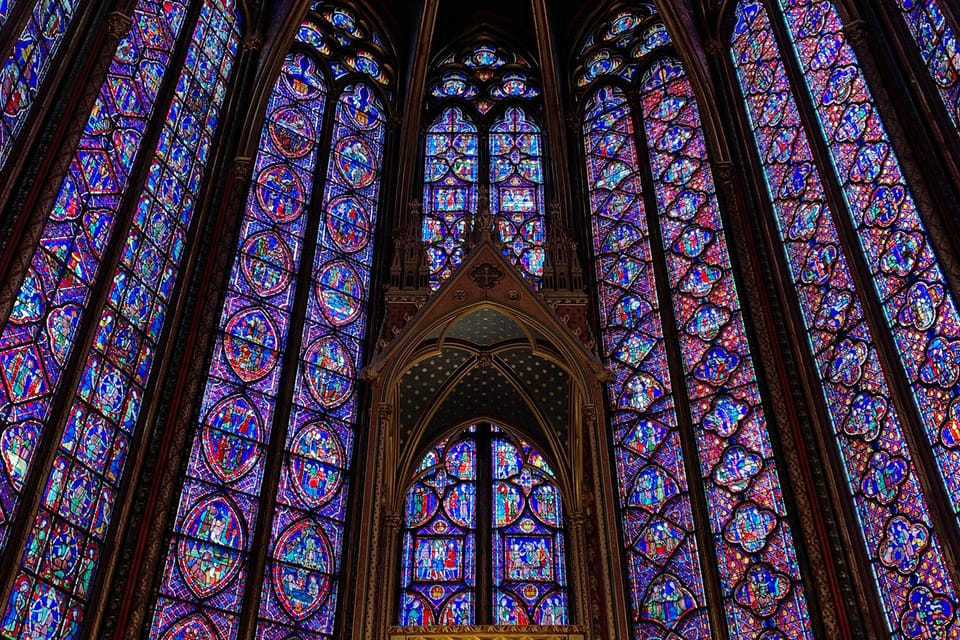
From the practical side, I like how the tour is structured around getting you inside and understanding what you’re looking at. Sainte-Chapelle is all about visual impact—stained glass, elevated atmosphere, and that feeling that the building is doing something more than “just” being a church. You’ll get the chapel framed as a truly central part of Paris, not as a random stop on a list.
And you’ll get more value if you’re the type of person who likes context. The guide takes you through what Gothic architecture is trying to accomplish here: the “mystery of light” as a concept, not just a visual effect. That turns the visit from sightseeing into interpretation.
If you’re expecting a quick photo-op, you can still do it—but you’ll likely enjoy it more if you slow down and let the guide’s story change how you see the glass and the interior space.
You can also read our reviews of more guided tours in Paris



The guide’s Gothic “decoder ring”: color, space, light, and engineering
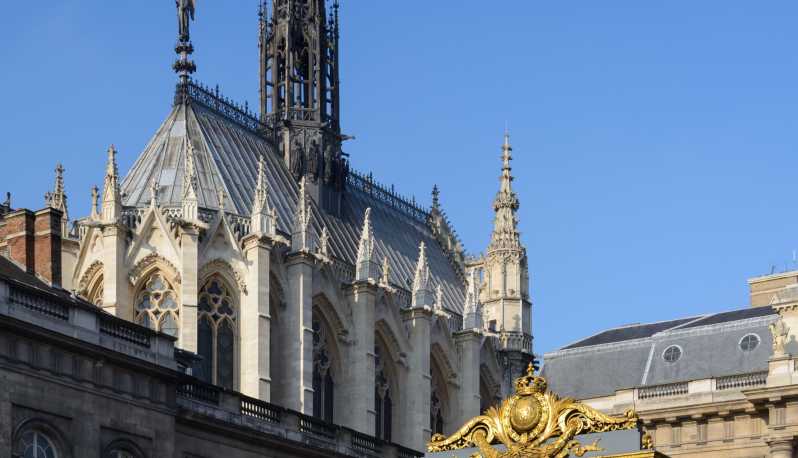
This tour’s biggest strength is how the guide pulls ideas out of the building. Instead of treating Sainte-Chapelle like an art museum where you only read labels, you’ll hear how medieval people understood sacred space—how “holy” and “sacred” overlap, and how the building marks what’s consecrated versus what’s profane.
You’ll learn some useful distinctions that help you navigate not only this chapel, but other religious sites in France. The guide explains the difference between a chapel, a church, and a cathedral—small wording changes, big shifts in meaning. You’ll also hear the role relics played in medieval life and why that mattered for how sacred spaces were designed and experienced.
One of the most interesting parts is the discussion of medieval color. Stained glass isn’t just decorative here; the guide explains what different colors were meant to communicate in the period. Then comes the “why” behind the illusion: the symbolism of contracted and expanded space—how the chapel changes your sense of scale, even if you’re standing in one spot.
And yes, there’s engineering. Gothic architecture looks like it should be fragile, but it’s surprisingly clever. You’ll hear about the ingenuity behind this chapel and how it makes light behave the way it does.
This kind of explanation is exactly what you want if you’re the sort of visitor who keeps thinking, I see what it looks like, but what was the point? The guide gives you the point.
What Sainte-Chapelle teaches about relics and the “house of God”
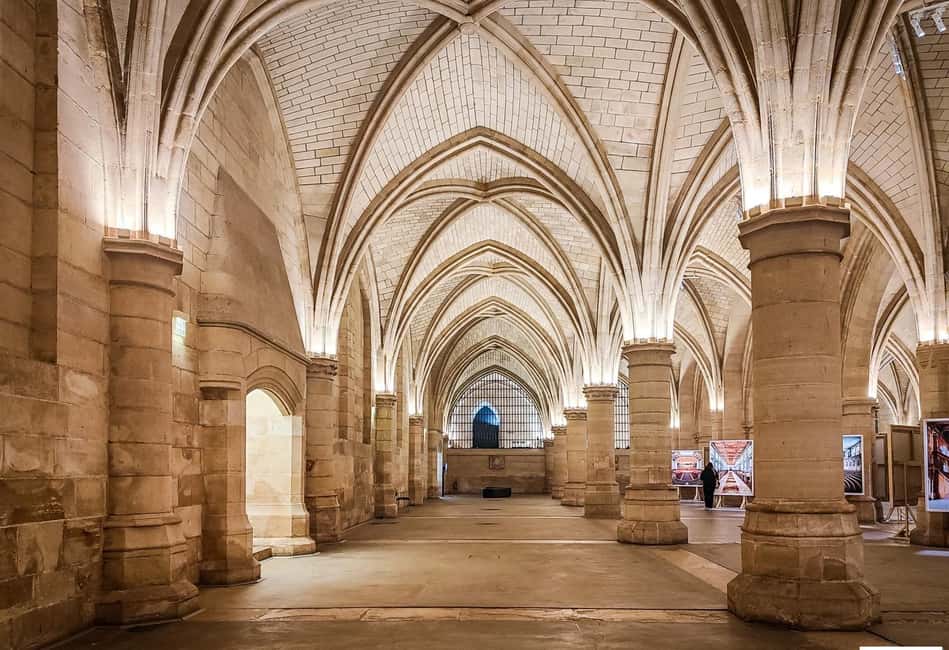
Relics can be a confusing topic if you only know the modern version of religion. Here, the guide uses relics as a key to understanding medieval mindset. You’ll hear why relics mattered—why they were connected to belief, status, and ritual life—and how that drove the feeling and purpose of sacred space.
The tour also addresses what the building says about “the house of God.” That phrase can sound poetic, but in this chapel it becomes practical. The guide connects architecture, symbolism, and the idea of the sacred as something defined—by space, by consecration, and by what is believed to be present.
For me, this is where Sainte-Chapelle becomes more than a pretty interior. It gives you a mental framework for why the architecture pushes certain emotions. Even if you’re not religious, you can still understand the logic of how people created meaning.
Conciergerie: where royal power turns into Revolutionary reality
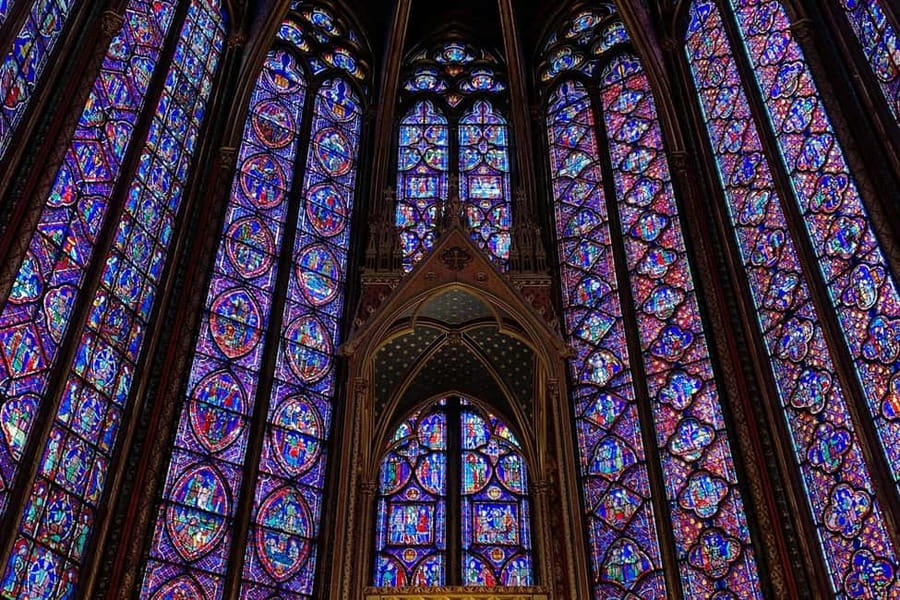
After Sainte-Chapelle, the tour shifts gears to the Conciergerie. This former royal palace has a totally different mood, and the contrast matters. Sainte-Chapelle is about sacred design; the Conciergerie is about history’s sharp edge—where daily life, power, and punishment collide.
Your guide walks you through the building’s timeline from Gothic origins into the Revolutionary period. The big story here is how the French Revolution changed the place—and what that meant for inmates inside. You won’t need a list of names to get the impact; you’ll understand the logic of the transformation: a palace tied to monarchy becomes a site tied to revolution.
What I like most about this portion is that it’s not only historical. The guide ties the Conciergerie to the broader theme of sacred and profane coming together in one place. That’s a useful lens. It helps you feel the building as a hinge between eras: courtly authority on one side, political violence on the other.
Even if you’ve heard about the Revolution before, this is the kind of site that makes it physical. You can feel how architecture and power reinforce each other. And because the tour is private, your guide can adjust how much detail you want about the Revolutionary context.
How your guide adds extra Paris flavor: Sorbonne and Picasso context
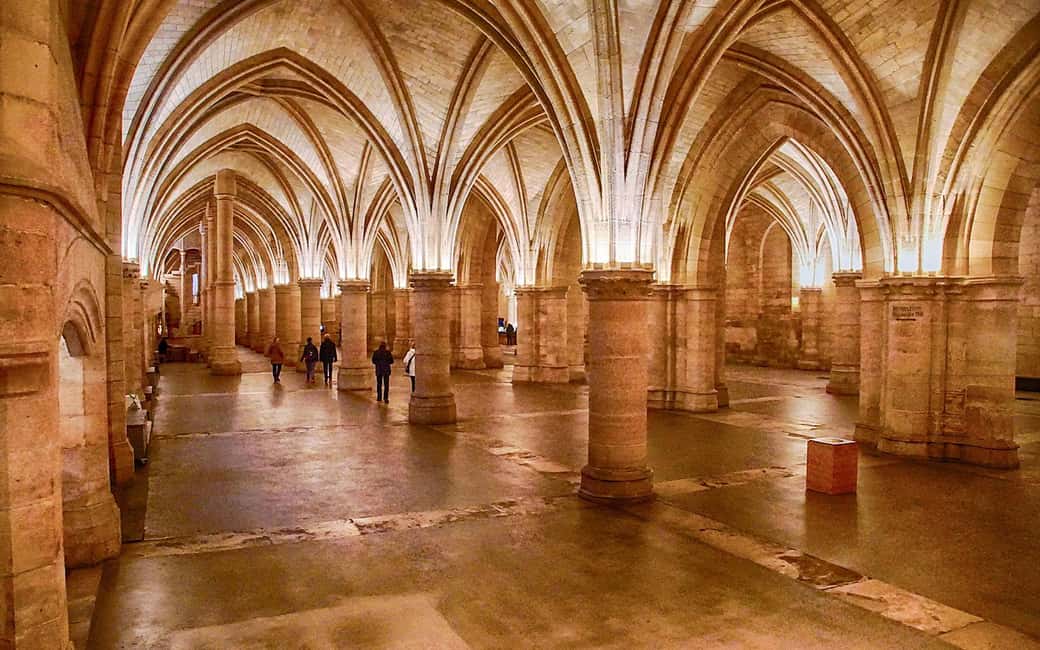
The tour description includes extra learning beyond the two main monuments, and that kind of seasoning is where a good guide earns their fee. You’ll learn more about the Sorbonne, one of Europe’s oldest universities, and you’ll get context that helps explain why certain streets, neighborhoods, and institutions became so influential over time.
There’s also mention of discovering Picasso’s favorite drinking dens. You shouldn’t expect this to replace a full neighborhood tour, but it gives your visit a living-city feel. It connects the official Paris of cathedrals and palaces to the Paris of writers, artists, and late-night talk.
If you like the “then and now” idea, this tour will scratch that itch. You end up with a richer map in your head, not just a couple of impressive buildings.
You can also read our reviews of more private tours in Paris






Orsay Museum skip-the-line ticket: the value add you might miss
One detail that really changes the math: the package includes a skip-the-line entrance ticket to the Orsay Museum. That’s a separate benefit you can use during your trip, even though your guided portion is focused on Sainte-Chapelle and the Conciergerie.
Practically, this matters because Orsay can be a popular museum. If you’re planning to see it anyway, the included skip-the-line ticket helps you move through your days with less waiting and more flexibility.
Because the tour itself is only 90 minutes, this Orsay ticket can be a smart way to turn the same day into a stronger itinerary. You’ll just want to plan the Orsay visit on a day and time that works for you, since the information here doesn’t tie the Orsay ticket to a specific moment during the 90 minutes.
Price and value: what $265 buys in real-world time
At $265 per person for a 90-minute private guided experience, you’re paying for two things: access help and interpretation.
The access help is practical. You get skip-the-line entry support and express security screening for the sites. That means your guide time is spent inside and learning, not stuck in queues.
The interpretation is the bigger part of the value. A good guide can make Sainte-Chapelle feel like a coded message instead of a decorative stop. The guide’s focus on medieval symbolism—color meaning, contracted and expanded space, the role of relics, and even the difference between chapel/church/cathedral—turns your ticket into something you’ll remember.
If you’d rather listen to history than read it, this price starts to make sense. If you only want photos and you’re okay reading on a phone, you could see these places more cheaply. But you won’t get the same framing and explanations that help the buildings make sense.
Also, it’s a private group. That usually means less distraction and more room for your questions—helpful when the subject matter can be layered.
Timing, meeting point, and languages that matter
You meet your guide in front of the Conciergerie main entrance. Your guide will carry a red canvas tote bag, which makes it easier to spot the right person quickly.
The tour runs for 90 minutes, so it’s designed to be intense and focused. That works well if you want a high-quality hit of architecture and history without losing a whole afternoon.
Language options include French, English, and Serbo-Croatian. If you’re choosing between languages, pick the one where you can comfortably follow the more conceptual parts—especially the explanations about sacred space, symbolism, and architectural meaning.
Food and drinks aren’t included, so plan a snack break elsewhere if you need one.
Who should book this private Sainte-Chapelle and Conciergerie tour?
I’d book this if you want to understand what you’re seeing, not just collect sights. It’s especially a fit for you if:
- You like architecture with an explanation, especially Gothic design and symbolism
- You want a clear bridge between medieval sacred culture and Revolutionary history
- You’re visiting with someone who appreciates guided context and prefers learning over aimless wandering
- You plan to visit Orsay Museum anyway and want the included skip-the-line benefit
It may be less ideal if you want a long, slow, self-guided experience where you control every minute. The 90-minute format is tight by design.
Should you book it?
If you’re deciding between saving money and getting meaning, I’d lean toward booking this. Sainte-Chapelle is impressive on its own, but the guide’s explanations—color symbolism, the sacred/profane idea, relics, and the engineering behind the light—are what make the visit feel like more than decoration.
Pair that with the Conciergerie’s Revolutionary transformation and the included Orsay skip-the-line ticket, and the package becomes easier to justify. You’ll leave with a stronger story of Paris, from palace to prison, from light-filled glass to harsh history.
FAQ
How long is the tour?
The tour duration is 90 minutes.
What’s the meeting point?
You meet your guide in front of the Conciergerie main entrance. The guide will carry a red canvas tote bag.
Is this a private tour?
Yes, it’s a private group tour.
What does the guide include?
A live tour guide is included.
Do I get skip-the-line access?
Yes. The tour includes skip-the-line entrance support through an express security check.
Is the Orsay Museum ticket included?
Yes. The package includes a skip-the-line entrance ticket to the Orsay Museum.
What languages are available for the guide?
The tour is offered in French, English, and Serbo-Croatian.
What’s the price per person?
The price is $265 per person.
Is food or drinks included?
No. Food and drinks are not included.
Can I cancel and get a full refund?
You can cancel up to 24 hours in advance for a full refund.