REVIEW · PARIS
Private Louvre Tour for Teenagers
Book on GetYourGuide →Operated by MEET THE LOCALS FOR FAMILIES · Bookable on GetYourGuide
A museum day that feels like a game. This private Louvre tour for teenagers turns the Mona Lisa theft into an interactive case where you hunt clues across iconic galleries. It’s built for the way teens actually pay attention: short tasks, real questions, and a story that keeps moving.
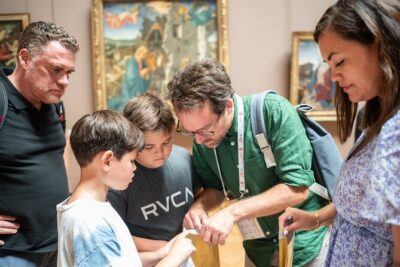
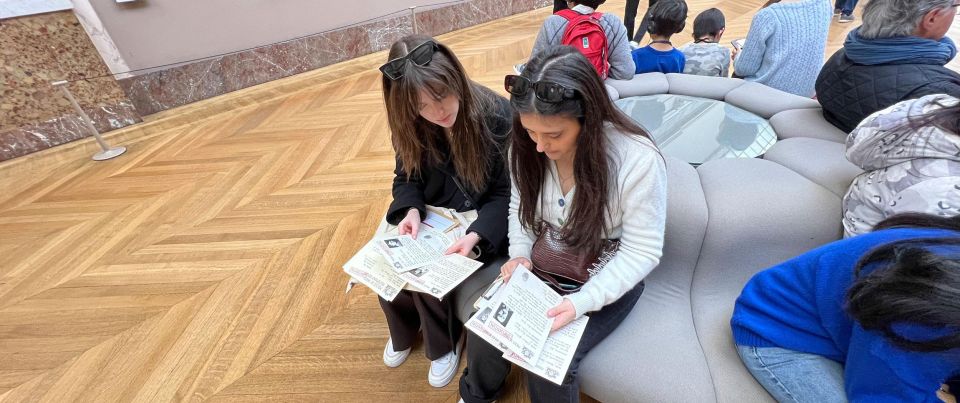
I especially like the teen treasure-hunt kit for each teen. It gives everyone something to do, so the time doesn’t slide by with just walking and listening. I also like the pacing with skip-the-line tickets, which matters in a place that can feel overwhelming fast.
One drawback to plan for: it’s not a casual stroll. You’ll be on your feet in busy public spaces for about 150 minutes, and there are clear limits on bags—so you’ll want to travel light.
In This Review
- Quick hits before you go
- First steps at the Louvre: meeting by Louis XIV
- The 1911 Mona Lisa case: how the story drives the tour
- Entering with skip-the-line tickets: saving energy for the puzzles
- Eleven challenges across famous rooms: what you’re really doing
- The “crime scene” approach: learning without feeling like school
- Pacing, comfort, and what to bring (and not bring)
- Price and value: is $784 per group worth it?
- Who this tour suits best
- What the experience feels like at the end
- Should you book this teen Louvre mystery?
- FAQ
- How long is the private Louvre tour for teenagers?
- Where does the tour start?
- Is this a private tour and in what language?
- What’s included in the price?
- Are large bags allowed inside the museum?
- Are tips included, and what should I bring for entry?
Quick hits before you go

- Skip-the-line advantage at the Louvre so your 150 minutes start strong
- A true-crime 1911 plot with 11 challenges and multiple suspects
- A teen kit for each participant, built to keep focus during the tour
- Masterpiece-to-mystery connections across works like Venus de Milo and Samothrace
- Private group format, so your guide can pitch it right for your teens
- Guides like Claudia and Sebastian have been noted for keeping kids attentive and engaged
First steps at the Louvre: meeting by Louis XIV
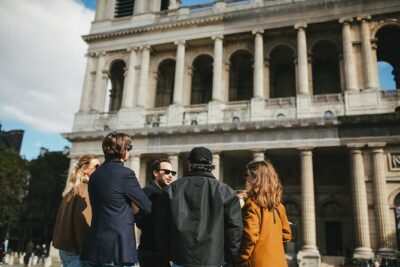
Your tour starts at 8 Pl. du Carrousel, and you’ll meet your guide by the equestrian statue of Louis XIV, near the glass pyramid. That’s a smart choice because it’s easy to spot once you’re there—no complicated back-and-forth around the museum grounds.
Once you’re with the group, the mood shifts quickly. Instead of a standard “here’s what you’re looking at” lecture, your guide frames the Louvre as a crime scene. You’re not just going to see famous art; you’re going to use it to solve a theft that made headlines for years.
Bring comfortable shoes and comfortable clothes. You’ll cover ground, and the Louvre’s indoor halls can still feel warm on busy days. And because the tour is private, you can usually move at a pace that matches your group—especially if your teens get restless without a job to do.
You can also read our reviews of more private tours in Paris



The 1911 Mona Lisa case: how the story drives the tour
The heart of this experience is the true story behind the Mona Lisa theft. On the morning of Tuesday, 22 August 1911, the painting’s spot was found empty—just an empty frame. No clues. Then a media sensation. The hunt for what happened turned into a case that baffled police for more than two years.
Your guide plays the role of Chief Investigating Officer, and the structure is very deliberate. You’ll work through eleven challenges designed to point you toward answers. The mystery isn’t random either: you’ll study five high-profile suspects and use what you learn from artworks to narrow down who fits the clues.
For teens, that’s a big deal. A museum lesson can feel abstract. A mystery gives them a reason to pay attention to details. Even if they already love art, this turns art knowledge into something closer to problem-solving.
Entering with skip-the-line tickets: saving energy for the puzzles
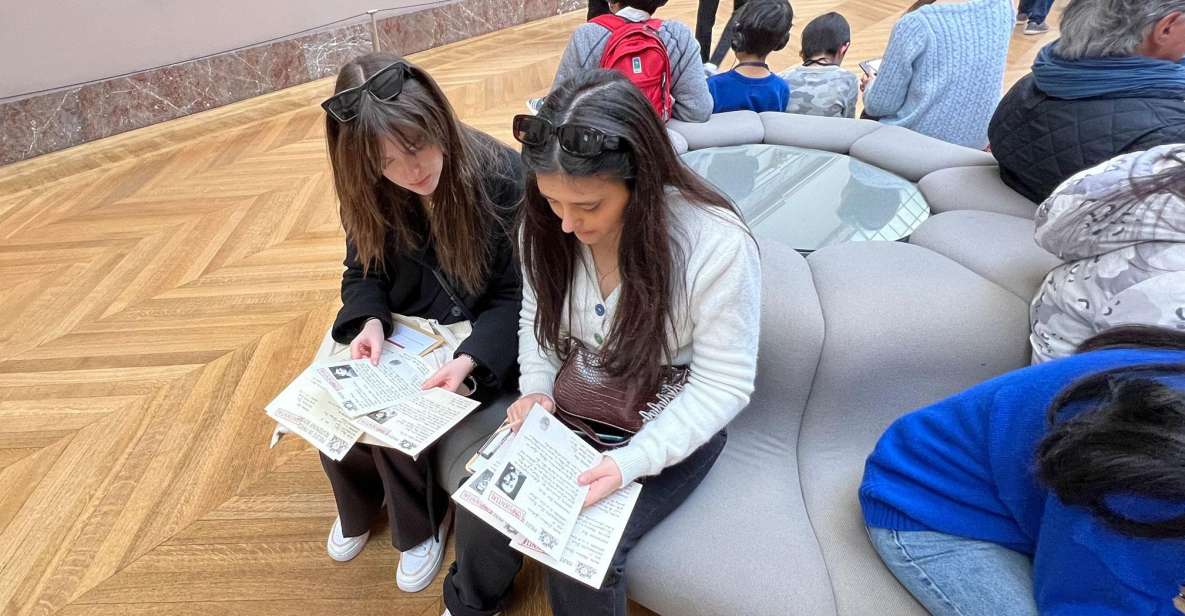
You get entrance tickets to the Louvre, and the tour highlights skip-the-line access. In plain terms: you lose less time waiting, which means your teens aren’t burning their attention before the real fun starts.
That time-saving matters because the entire experience is only 150 minutes. When you’re already limited by a tight window, every minute counts. Skip-the-line doesn’t make the museum small, but it helps you spend more of the tour actually doing the challenges instead of coping with a queue.
Another practical benefit: you can keep the group together. A private tour works best when everyone arrives at the same starting moment with the same momentum, and skip-the-line supports that.
Eleven challenges across famous rooms: what you’re really doing
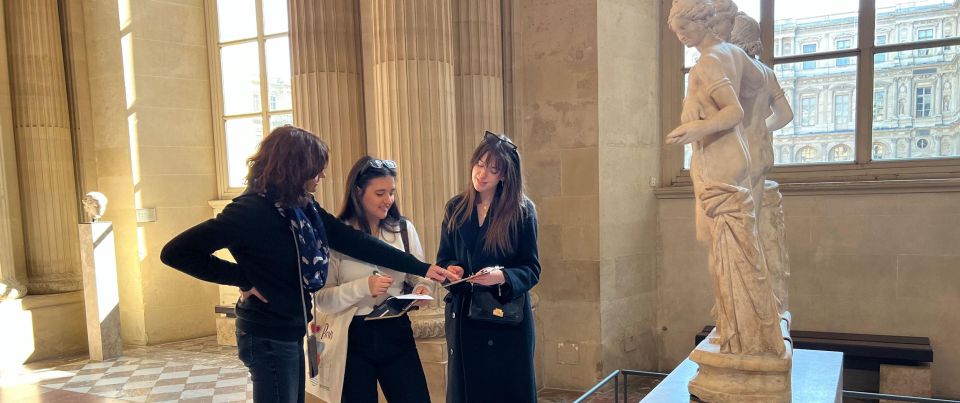
What makes this tour feel different isn’t only the Mona Lisa connection. It’s the way the case is built around recognizable masterpieces, so teens get both the thrill of a mystery and the satisfaction of learning art context.
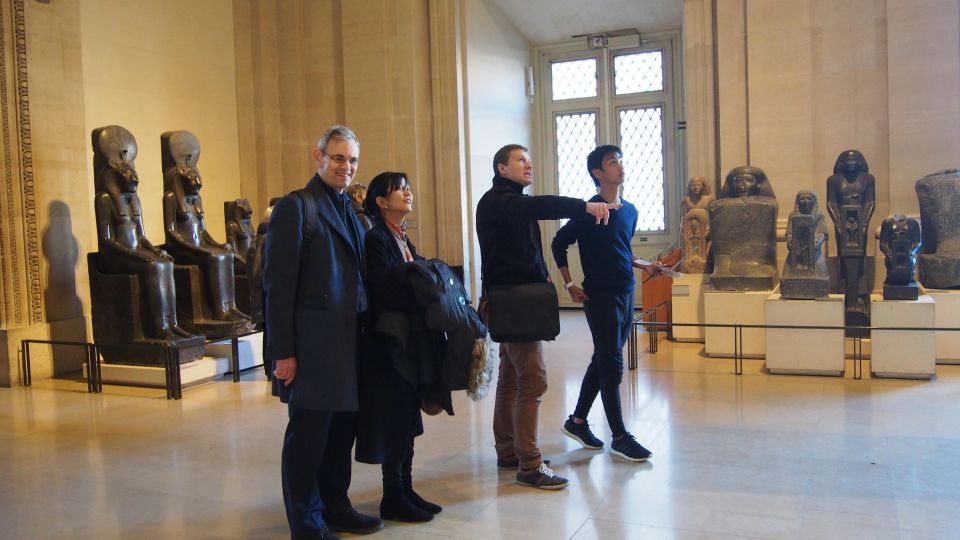
As you move through the museum, you’ll complete challenges that require close attention to visual details and story clues tied to specific works. The itinerary is described as moving through well-known masterpieces, including:
- Venus de Milo
- Victory of Samothrace
- Apollo’s gallery
You also follow the clues toward the stolen painting, with the goal of identifying who stole the Mona Lisa. The guide supports each step, so this isn’t a “figure it out alone” situation. You’ll get help when you need it, but you still do the work of responding to clues.
Here’s why I think that matters for value: teens aren’t just passively entertained. They’re doing short bursts of attention—then resetting—then doing the next burst. That pattern is hard to pull off in a normal museum visit, especially when everyone is tired or distracted.
The “crime scene” approach: learning without feeling like school
I like the way this tour uses a true-crime framing to teach art concepts. It’s not about making the Louvre scary. It’s about giving a motive for noticing things.
Instead of only hearing general descriptions, you’re asked to connect art details to the case. The guide reveals secrets and clues hidden among major artworks, then pushes you to make the next decision about the suspect list. That’s how a museum becomes a story you actively participate in.
You also get a steady sense of progress. Many museum visits can feel like you’re watching a slideshow in real life. Here, each challenge feels like a step toward solving the case. That makes it easier for teens to stay with you even when they’re not sure they like art yet.
If your kids are into mysteries, this format can flip the switch. If they’re not, the “investigation” angle still gives them a clear reason to engage.






Pacing, comfort, and what to bring (and not bring)
Plan for comfortable shoes and comfortable clothes. You’ll be walking inside the Louvre during the 2.5-hour tour. Even if the spaces are beautiful, your feet will notice the difference between a sitting-down activity and a hands-on museum chase.
You also need to travel light. Luggage or large bags aren’t allowed, and anything exceeding 55x35x20 cm is not permitted inside the museum. This is one of those rules that can ruin your day if you show up prepared to carry too much.
Other small-but-important items:
- Bring your ID (or a photocopy).
- Tips are not included, so keep that in mind for your budget.
If your family tends to pack snacks and water, check what you’re allowed to carry for the museum environment. The tour itself doesn’t include food and drinks, so think about timing and whether you want to eat before or after.
Price and value: is $784 per group worth it?
The price is $784 per group, for up to 4 people, for a 150-minute private experience. That can sound steep at first—until you break it down the way a family actually thinks.
If you split it across the maximum group size (4 people), you’re at about $196 per person. But the more important value is what you get for that money:
- Private guide attention for your group
- Skip-the-line tickets
- A structured teen treasure hunt kit
- A guided story built around specific artworks and a real-world mystery
Compared to a generic “see the highlights” visit, this is better at doing one job: keeping teens focused long enough to learn. For families with teenagers, that can be the difference between a photo op and a memory.
You’re also paying for the time savings. The Louvre is famous, and queues are part of the experience—unless someone helps you avoid them. In a 150-minute window, that matters.
Who this tour suits best
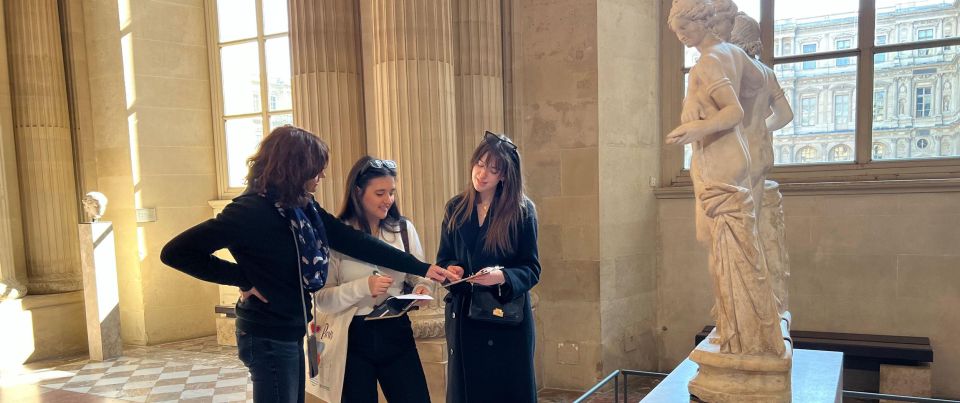
This tour is designed specifically for teenagers, and the format fits best when your teens like:
- mystery stories
- problem-solving
- doing activities instead of only listening
It also fits families that want a private guide who can keep the group on track. If you have younger kids who still want a game but may have trouble with longer museum walking, you might find it works—just note the tour is positioned for teens.
If your teens are curious about how history becomes a story, the 1911 theft angle is a great hook. And if they already know the Mona Lisa is famous, the tour gives them a reason to care beyond the painting’s reputation.
What the experience feels like at the end
Your tour returns to 8 Pl. du Carrousel, so it ends where it started. That means fewer hassles for regrouping and planning next steps after the final challenge.
By the time you finish, the goal is clear: you’re meant to have enough clue-based insight to identify the thief. Even if teens don’t love art, the case structure gives them a payoff that feels earned.
And if you’ve got a good guide, that payoff gets even better. In past bookings, guides such as Claudia have been praised for making the explanations interesting and keeping kids attentive with fun anecdotes, while Sebastian has been highlighted for being engaging with daughters. You should still plan to communicate what your teens like, but those details suggest the experience can be especially strong when the guide reads the room well.
Should you book this teen Louvre mystery?
If you want a Louvre visit that feels like a mission, I’d book it. This is one of the easier ways to keep teenagers engaged in a world-class museum without turning it into a lecture. The combination of skip-the-line entry, a private guide, and a structured clue hunt is exactly what makes the time feel worth it.
Book it if:
- your teens enjoy mysteries or games
- you want a focused 150-minute experience instead of a long open-ended museum day
- you’re traveling with friends or family and can keep the group to about 4
Skip it if:
- you’re looking for slow, quiet, self-paced wandering
- your group struggles with walking in busy indoor spaces
- you can’t travel light enough for the museum’s bag size limits
If you fit the first set, this tour is a strong pick.
FAQ
How long is the private Louvre tour for teenagers?
It lasts 150 minutes (about 2.5 hours).
Where does the tour start?
The meeting point is 8 Pl. du Carrousel, by the equestrian statue of Louis XIV near the Louvre glass pyramid.
Is this a private tour and in what language?
Yes, it’s a private group tour with a live guide in English.
What’s included in the price?
You get entrance tickets to the Louvre and a treasure hunt kit for each teen.
Are large bags allowed inside the museum?
No. Luggage or large bags aren’t allowed, and items larger than 55x35x20 cm aren’t permitted.
Are tips included, and what should I bring for entry?
Tips are not included. You should bring ID (or a photocopy), plus comfortable shoes and clothes.