REVIEW · PARIS
Invader Hunt – Street Art Tour of le Marais
Book on Viator →Operated by Street Art Tour Paris · Bookable on Viator
Paris street art feels like a scavenger game. This Invader Hunt turns Le Marais into a walkable map, led by an artist guide who knows how to spot what most people miss. I love the small-group feel, which keeps the pace friendly for families and teens.
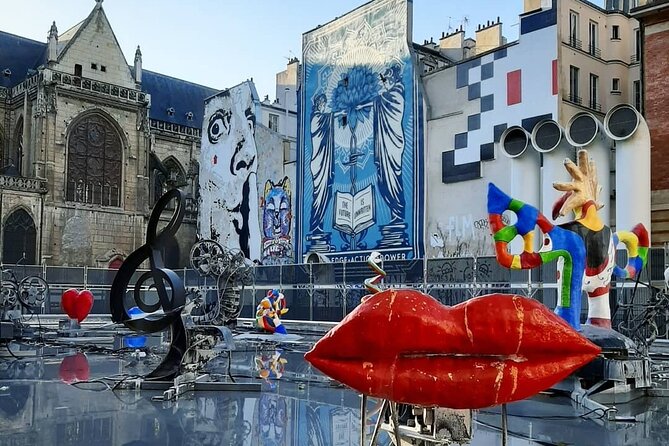
My second favorite part is the mix of big visual landmarks and street corners. You start by the Fontaine Stravinsky artworks by Niki de Saint Phalle and Jean Tinguely, then you swing near the Centre Pompidou to connect architecture and street art. The one drawback to consider: it’s a timed walking tour, so if you arrive late, you may have trouble catching up and could miss parts with no refund.
In This Review
- Key highlights at a glance
- Le Marais turns into a street-art map
- Tour snapshot: price, duration, and small-group comfort
- Finding the meeting point at 2 Rue Brisemiche
- Stop 1: Fontaine Stravinsky and the art you can’t ignore
- Stop 2: Centre Pompidou, high-tech architecture, and street-art clues
- Passing the National Archives gardens without slowing down
- Walking a Jewish neighborhood street for cultural context in the mix
- What you’re really doing: learning to see like a street-art hunter
- Family-friendly pace that doesn’t feel like a compromise
- Price and value: what you get for $47.93
- Getting the most out of the walk (simple, practical tips)
- Should you book the Invader Hunt street art tour in Le Marais?
- FAQ
- How long is the Invader Hunt street art tour of Le Marais?
- Where does the tour start?
- What time does the tour start?
- How many people are in the group?
- Is the tour offered in English?
- Does the tour include admission tickets for the stops?
- Is a mobile ticket used?
- Can I get a full refund if I cancel?
Key highlights at a glance

- Small group size (max 15): more hands-on attention and a calmer experience for kids and teens.
- Invader-focused street art hunt in Le Marais: a clear theme, not a random stroll.
- Art-world stops with street-art context: Fontaine Stravinsky and the Centre Pompidou area.
- English guide plus family-friendly pacing: built for mixed ages without feeling babysat.
- Designed to uncover side-streets: including a pass near the National Archives gardens and the Jewish neighborhood street.
- Mobile ticket included: easier day-of check-in when you’re moving through busy Paris.
Le Marais turns into a street-art map
If you like street art but don’t want to wander lost for hours, this tour makes the hunt feel doable. Le Marais is packed with visual noise, from shop fronts to walls to tiny side lanes. On your own, it’s easy to miss the clues that help the art “click” into place. On this walk, you’re given that structure.
What surprised me is how much more fun it is when you’re hunting for a specific artist—Invader—while also being open to what’s around the corner. You’re not just looking at random graffiti. You’re learning how street art can operate like a language: symbols, placement, repetition, and timing. It’s the kind of activity where adults pay attention and teens still stay engaged.
The tour also keeps a family vibe. The route is short enough to stay lively, not exhausting, and the stops are brief but meaningful. If you’ve ever tried to keep kids on a museum schedule, you’ll appreciate the pace.
You can also read our reviews of more tours and experiences in Paris



Tour snapshot: price, duration, and small-group comfort
This costs $47.93 per person, and it runs about 2 hours 15 minutes. In practical terms, that’s long enough to cover multiple areas of Le Marais and still feel like you did something substantial—not just a quick hit.
Value-wise, I like that you’re paying for an artist guide, not just a walk. Street art changes fast, and context is everything. A good guide helps you read the scenes instead of just staring at them. Here, you get an artist guide experience plus a clear, themed route.
You’ll be in a group of up to 15 travelers. That’s a sweet spot. Big tours can turn into crowd management. This one is small enough that questions don’t disappear into the back row, which matters a lot when you have families, teens, or anyone who needs the explanation to land.
Also, it’s offered in English, and a mobile ticket is included. That helps on a day when you’re already juggling metro lines, walking shoes, and water.
One small timing note: the tour starts at 10:00 am. If you can, get there a few minutes early—at least 5 minutes—because the organizer starts on schedule.
Finding the meeting point at 2 Rue Brisemiche
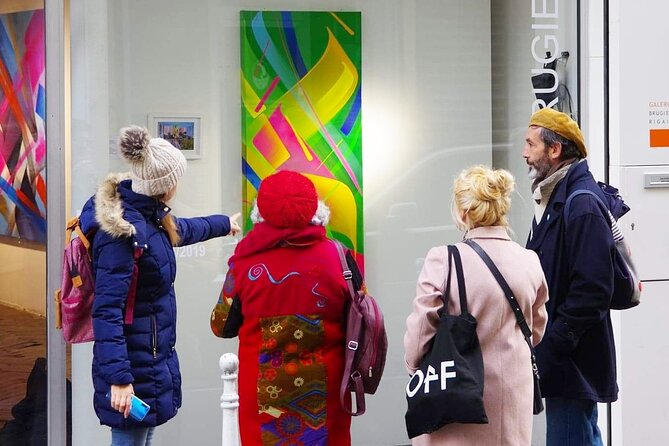
The start is at 2 Rue Brisemiche, 75004 Paris. This is squarely in the Le Marais area, which helps because you don’t lose time figuring out where to begin. The meeting point is also described as near public transportation, so it’s straightforward to reach without turning your morning into a logistics puzzle.
I like that the tour is a “start here, end somewhere else” setup. It fits how walking tours should work in dense neighborhoods. You’re likely to end closer to other things you want to see next, rather than heading back exactly the same way.
If you book close to travel day, confirmation timing can vary, but you’ll receive confirmation as soon as possible when space is available. That reduces the stress of wondering if you’re set.
Stop 1: Fontaine Stravinsky and the art you can’t ignore
Your first stop is at Fontaine Stravinsky. You’ll be there about 10 minutes, and the admission ticket is free.
This stop works well because it gives you a real “Paris art” anchor right away. You’ll admire works by Niki de Saint Phalle and Jean Tinguely, and then you’ll look at the street art around the area. That combination is smart. It helps you start seeing parallels: how art can be public, playful, and meant for passing people—not just ticket holders.
For families, Fontaine Stravinsky is especially useful. Kids can be drawn into the visual action quickly. Teens often like spotting details, and this kind of landmark gives them something solid to react to before the street-art hunt begins.
The only consideration here is time. It’s short, so don’t plan to “hang out” and also expect to catch everything else. Use the ten minutes to get your bearings, then let the guide lead you into the surrounding street art.
Stop 2: Centre Pompidou, high-tech architecture, and street-art clues
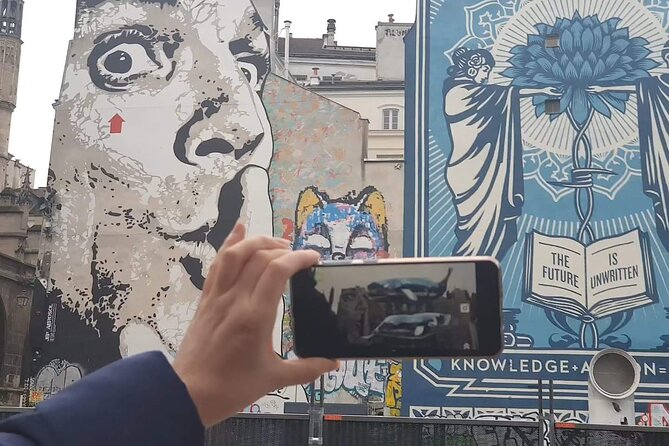
Next you walk to the area around the Centre Pompidou, with about 5 minutes there. Again, admission is free for this stop.
What makes this stop worth it is the way it sets up contrast. You’re looking at a major piece of high-tech architecture designed by Richard Rogers, Su Rogers, Renzo Piano, and Gianfranco Franchini—then you’re hunting for hidden street art nearby. That’s a useful lens. Street art isn’t only about rebellion or mess. It can be dialog with a place.
Even in a short visit, the tour’s structure helps you notice things you’d normally ignore: small figures, placement choices, and how walls and corners create “stages” for the art. If you’re the kind of person who likes visual puzzles, this is where the hunt starts to feel satisfying.
A practical tip: at this stage, you’ll want your attention switched on. Five minutes is quick. You’ll see what your guide points out, not everything on every wall. Trust that focus—it’s part of the value.






Passing the National Archives gardens without slowing down
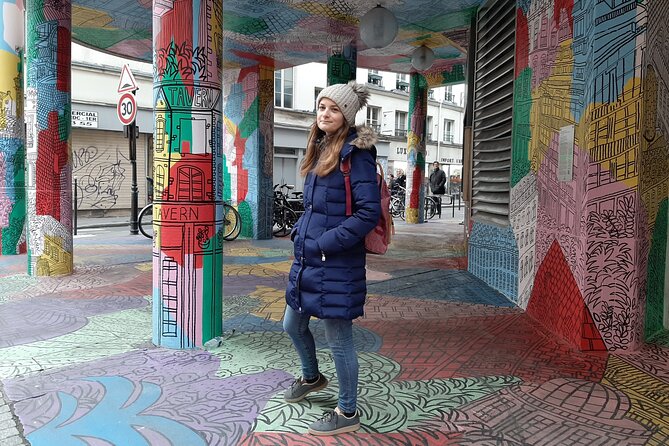
You’ll also pass by the hidden Gardens of the National Archives.
This is one of those moments that can be easy to miss if you’re not looking for it. Since you’re passing by rather than doing a long stop, you’re getting a quick taste of “quiet behind walls” while still staying on the street-art timeline. For me, that works as a pressure release valve after more intense visual zones.
Because the tour doesn’t linger, don’t expect a full garden visit or long photo session. Think of it as a teaser: a hint that Le Marais has layers, and street art fits those layers.
Walking a Jewish neighborhood street for cultural context in the mix
At another point, you’ll walk on a street known as a Jewish neighbourhood of Paris.
This matters because street art isn’t floating in a vacuum. It lives in real neighborhoods with real histories and communities. The tour’s choice to include that street gives your hunt a broader sense of place—less of a theme park, more of a lived-in urban story.
I also think it helps the experience feel more human for families and teens. The streets don’t feel like a stage set. You’re moving through parts of the city where people actually live and walk.
One practical note: since it’s still a walking tour, you’ll want comfortable shoes and a calm pace. You’re absorbing visuals while moving, not stopping to sit with every wall.
What you’re really doing: learning to see like a street-art hunter
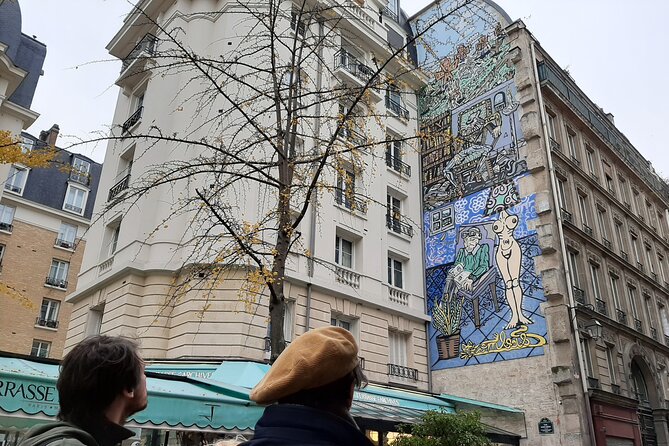
The best street art tours don’t just show art. They teach you how to notice patterns.
On this one, the Invader angle gives you a built-in way to look. Invader works are often small, and they can be tucked into spots you wouldn’t normally stop for. When you know what you’re looking for, your attention changes. You start scanning corners, edges, and unexpected surfaces. Suddenly, the city feels like it’s leaving breadcrumbs.
I also like that the hunt stays playful without turning shallow. You’re not only chasing a single artist. You’re also noticing other street artists in the same areas. That balance keeps it from feeling like a checklist.
From what I’ve picked up during the tour experience, this kind of guide-led hunt works especially well for teens. They like recognition and competition. Adults often like the “how did I miss this?” feeling. Kids tend to enjoy the hunt energy, especially when the guide gives clear targets and the group stays small.
One detail worth knowing: the tour is guided by an artist guide, and one of the guides named in feedback is Thom Thom. That’s a great sign when you care about getting context, not just directions.
Family-friendly pace that doesn’t feel like a compromise
This tour is listed as ideal for families with kids and teenagers, and you can feel that design in the pacing. The stops are short—about ten minutes and five minutes at major areas—so it doesn’t drag.
For parents, that’s gold. You’re not stuck with a long sit-down component. For teens, it helps because it keeps moving and gives them plenty of chances to spot something on their own between explanations.
The small group size (max 15) also helps. In bigger crowds, kids get impatient and teens tune out. Here, the tour stays close enough that your group experience remains shared.
It’s a good choice if you’re traveling with mixed ages and you want a plan where everyone can enjoy at least part of it. Street art is visually accessible, and the hunting adds a game-like energy.
Price and value: what you get for $47.93
Let’s talk money in real terms. $47.93 is not cheap for a walking tour, but it’s also not in museum-ticket territory. You’re paying for three main things:
- A guided street-art experience with an artist guide
- A tight route with specific stops tied to the theme
- A small group setup that makes the explanations practical
The fact that key stops have free admission tickets helps too. At Fontaine Stravinsky and the Centre Pompidou area, you’re not paying extra for entry as part of the tour time. That keeps the spend predictable.
Is it worth it if you’re only mildly interested in street art? Probably not. But if you like the idea of learning how to look, and you want a fun, kid-friendly plan that still feels grown-up, it’s strong value.
Also remember the booking trend: it’s typically booked about 51 days in advance on average. That suggests it’s a popular time slot, so booking earlier can help lock in the day you want.
Getting the most out of the walk (simple, practical tips)
You’ll enjoy this most if you treat it like a scavenger hunt with a goal, not like a leisurely stroll.
- Wear comfortable shoes. You’re doing multiple segments in a 2-hour walk.
- Plan to arrive early. The organizer can start on time, and latecomers may struggle to catch up.
- Bring water, especially if the weather is warm. You’ll be outside most of the time.
- Let the guide set the scan rhythm. You’ll spot more by focusing on the cues they point out.
If you’re traveling with teens, give them permission to “be in charge” of spotting Invader-style details. That turns the tour into teamwork.
Should you book the Invader Hunt street art tour in Le Marais?
Book it if you want a themed street-art walk that’s structured, family-friendly, and small-group focused. The combination of Invader hunting plus landmark stops like Fontaine Stravinsky and the Centre Pompidou makes it feel like more than just walls and photos. It’s also a good pick if you like the idea of learning how to look at public art instead of guessing.
Skip it if you only want museum-style sightseeing or you hate walking schedules with short stop times. This is designed to keep moving and stay focused on the hunt, not to slow down for long indepth hangs.
If your group includes kids or teens, this is one of those rare city activities that can actually work for everyone.
FAQ
How long is the Invader Hunt street art tour of Le Marais?
It runs for about 2 hours 15 minutes.
Where does the tour start?
The meeting point is 2 Rue Brisemiche, 75004 Paris, France.
What time does the tour start?
Start time is listed as 10:00 am.
How many people are in the group?
The tour has a maximum of 15 travelers.
Is the tour offered in English?
Yes, it is offered in English.
Does the tour include admission tickets for the stops?
Admission tickets are listed as free for the Fontaine Stravinsky stop and for the Centre Pompidou stop.
Is a mobile ticket used?
Yes, a mobile ticket is included.
Can I get a full refund if I cancel?
Yes. You can cancel up to 24 hours in advance for a full refund. Cancellation less than 24 hours before the start time is not refunded.