REVIEW · PARIS
Paris: The vibrant city center and Le Marais
Book on GetYourGuide →Operated by Paris through my eyes · Bookable on GetYourGuide
Notre-Dame outside the gates, then straight into old Paris. This is a guided walk that links French Gothic details to Le Marais streets and squares without turning it into a museum slog.
I really like how the guide works as an insider with an outsider lens. That mix makes the city feel personal, not performative. I also love the focus on architecture over trivia, from flamboyant Gothic-era buildings to Middle Ages houses and Renaissance city residences.
One thing to consider: the church visit is not included, so plan for views and stories, not an inside stop.
In This Review
- Key things that make this tour worth your shoes
- Meeting at Shakespeare and Company, then heading to the oldest Paris
- Notre-Dame area start: Gothic architecture, photo moments, and street-level context
- Middle Ages to flamboyant Gothic: what the guide teaches you to notice
- “Oasis-like” secret parks and quiet corners you can actually enjoy
- Le Marais: lively streets, a guided look at architecture, and balcony stories
- The final stretch and how the tour ends near Rue de Thorigny
- Price and value: what $40 buys in a 2-hour small-group walk
- Practical tips so you enjoy every minute
- Who should book this walking tour
- Should you book this Notre-Dame to Le Marais walk?
- FAQ
- Where do I meet for the tour?
- Where does the tour end?
- How long is the walk?
- What languages are the guides?
- Is the Notre-Dame church entrance included?
- What’s included in the $40 price?
- How big is the group?
- Is it suitable for wheelchair users?
- Can I cancel for a full refund?
Key things that make this tour worth your shoes
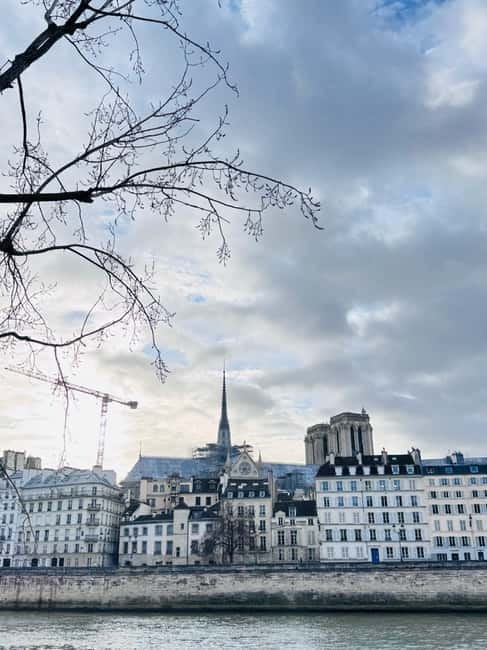
- Small group (up to 8) means you can ask questions without shouting.
- Gothic-to-Renaissance route through the oldest parts of Paris, on foot.
- Quiet pauses with tranquil, oasis-like secret parks for photos and reset moments.
- Le Marais focus on lively streets plus architecture details, including balcony talk.
- English and German live guide, so the history lands clearly.
- Two-hour timing keeps it doable if you want culture without losing your whole day.
Meeting at Shakespeare and Company, then heading to the oldest Paris
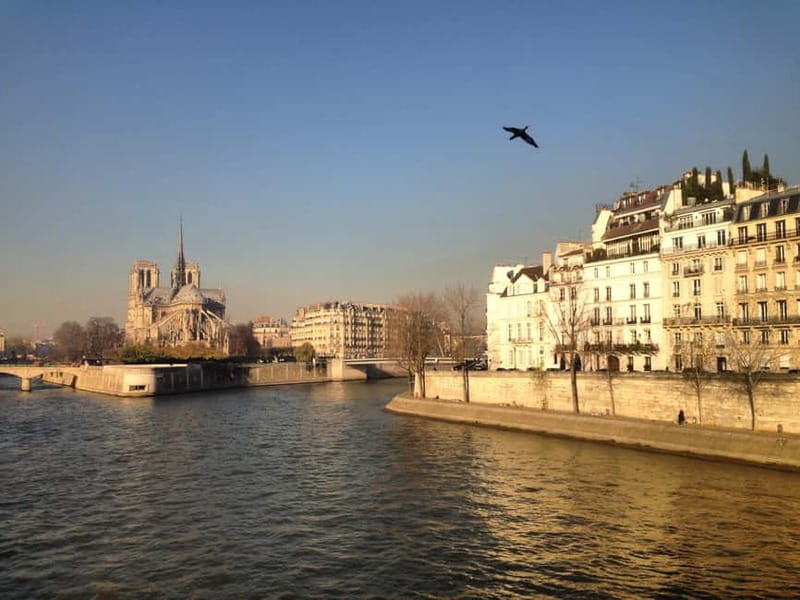
You start where books smell like Paris magic: Shakespeare and Company, at the Wallace fountain right outside. It’s a practical meet-up spot, easy to find if you’re comfortable navigating on foot. From there, the route moves you toward the oldest blocks near the redeveloped Notre-Dame area.
The first big expectation check: the experience starts near the cathedral, but the Notre-Dame entrance is not part of the tour. So you’re getting the architecture and context from the outside and along the surrounding streets—still very worthwhile, just different from the classic “go in and see the big stuff” approach.
You’ll also get a guide who has lived in Paris for many years and brings a German perspective. That sounds small on paper, but in real life it changes the tone. Explanations feel grounded: what things are, why they matter, and how daily life grew around them.
You can also read our reviews of more city tours in Paris



Notre-Dame area start: Gothic architecture, photo moments, and street-level context
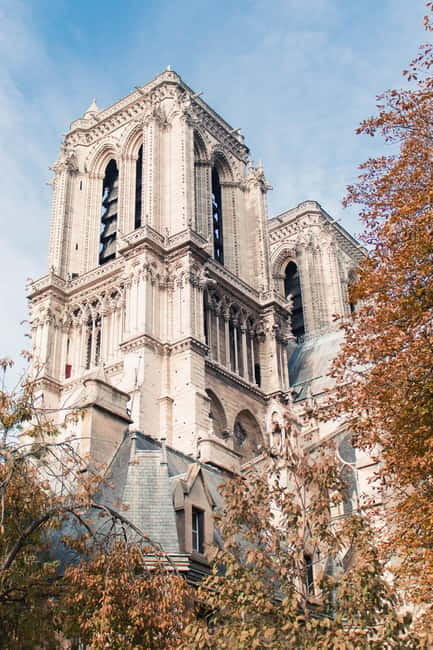
Right around the beginning—near 37 Rue de la Bûcherie—you settle into the historic core. The cathedral is described as one of the finest examples of French Gothic architecture, and that sets the theme for everything that follows: Paris isn’t just pretty streets; it’s design ideas stacked over centuries.
Expect your early segment to be a mix of guided walking and picture-friendly stops. You’ll see views on the way, plus short photo breaks that let the guide point out what to look for. This matters because Gothic details can be hard to spot if you’re just rushing by. With a guide, you start noticing patterns in stonework and proportions instead of only the headline silhouette.
The trade-off is simple: if you’re hoping for an interior cathedral visit, you’ll need a separate plan. Here, the value is the storytelling and the architectural reading you can do on the sidewalk.
Middle Ages to flamboyant Gothic: what the guide teaches you to notice
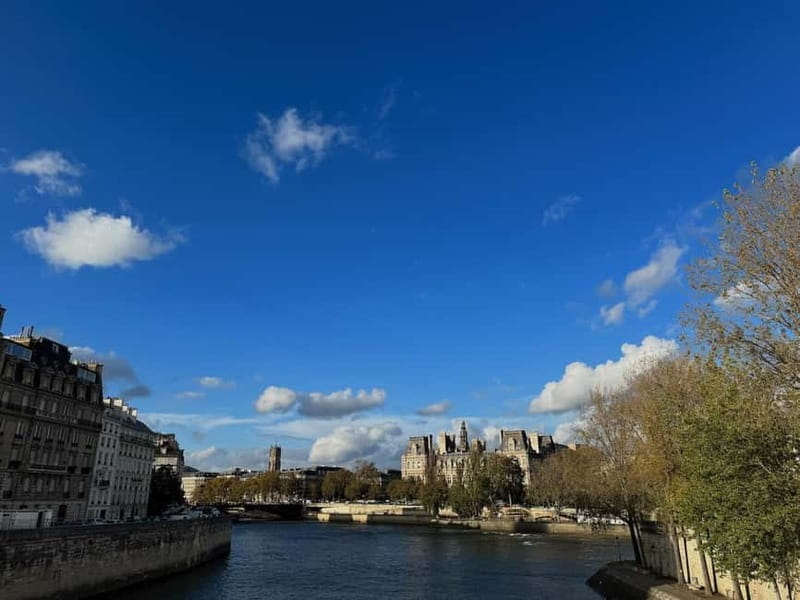
After the initial Notre-Dame momentum, the walk keeps rolling through older Paris layers: houses from the Middle Ages and impressive buildings tied to flamboyant times. The guide’s angle isn’t just “look at that building.” It’s: what time period made it, what the style was trying to communicate, and what that tells you about city life.
This is where a walking format really helps. In a museum, you stare at objects behind glass. On these streets, you can actually relate buildings to space—how they face the street, how they connect to squares, how people would have moved through the area.
You’ll also get “pass by” segments and short on-foot stretches that keep things moving without feeling rushed. It’s a good rhythm for first-timers who want real orientation fast. If you’ve got limited time in Paris, this kind of structure prevents that common problem where you spend hours walking but still feel like you saw random landmarks.
“Oasis-like” secret parks and quiet corners you can actually enjoy

One of the tour’s most appealing parts is the promise of tranquil, oasis-like secret parks. You’re not spending the whole walk in nonstop photo-chasing mode. Instead, you get pauses—places where the city’s noise drops and you can breathe for a minute.
That’s not just pleasant. It changes how you experience architecture and history. When you’re forced to slow down, you start catching the small visual cues: the way a street bends, the calmer feel of a pocket garden, and the mood shift between busy frontages and calmer back streets.
If you like photography, these moments are especially useful. A street with movement behind it is one thing. A small green pause gives you a different shot—often with less visual clutter. Even if you don’t take many photos, those stops help the tour feel like a story with chapters rather than a continuous march.
Le Marais: lively streets, a guided look at architecture, and balcony stories
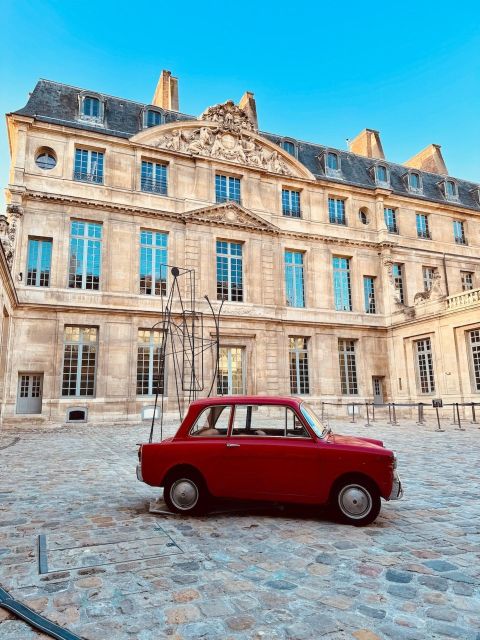
Then comes the main neighborhood stop: Le Marais. This is where the route changes energy. The description points to an exciting area with unique diversions and lively streets. The key is that you’re not just wandering; you’re walking with a guide who knows where to steer your attention.
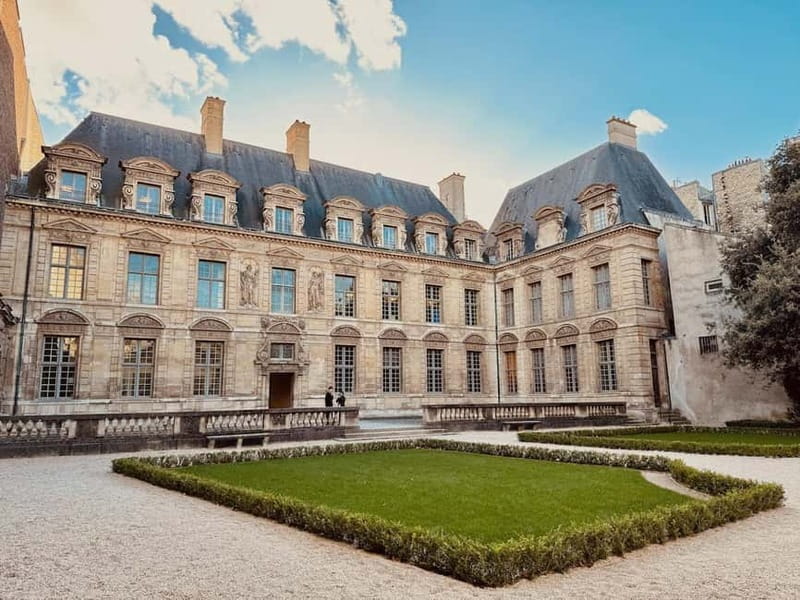
Le Marais is famous for architecture, and this tour treats it as a set of clues. You’ll get photo stops plus a guided walk that highlights what’s special about the streets and buildings. One detail from feedback that stands out: the guide spends time on balconies—how they look, what they signal, and why they became such a recognizable part of the area’s character.
If you’re the kind of person who likes to understand everyday features—doors, windows, street-level details—this is a strong match. Balcony talk is more than trivia. It’s a way to connect buildings to social life: where people looked out, how spaces shaped views, and why certain design choices stayed popular.
You’ll also get a bit of scenic wandering between stops, so the neighborhood doesn’t feel like a single corridor. It feels like a place you could keep exploring on your own afterward.






The final stretch and how the tour ends near Rue de Thorigny
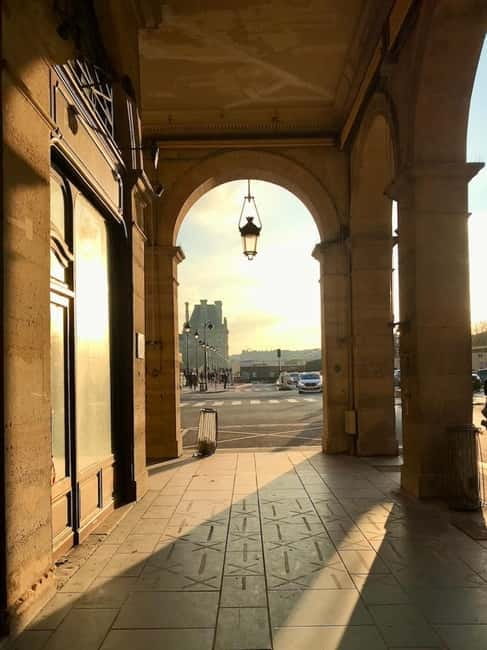
The route doesn’t end right back at Notre-Dame. It finishes at 5 Rue de Thorigny, 75003 Paris. That’s a convenient landing spot because it puts you in the Marais area, ready to keep going: coffee, shopping, or just more streets without needing to backtrack.
There’s also another photo stop and guided segment labeled Île-de-France on the route. That wording may feel broad, but functionally it signals that the tour keeps giving you viewpoint moments and street context as you move. The bigger point: the walk is designed to connect the historic core to the Marais atmosphere, not to send you on a straight line between two points.
In a two-hour window, that’s the real value—your energy doesn’t drain from over-planning. You get a guided storyline and then a practical end location where you can decide what you want next.
Price and value: what $40 buys in a 2-hour small-group walk

At $40 per person for a 2-hour guided walking tour, the price makes sense if you care about orientation and context. You’re paying for a local guide’s ability to explain architecture and development in a way you can’t easily pull from a phone alone while walking.
The small group size helps a lot. With a cap of 8 participants, you’re less likely to feel like one face in a crowd. That tends to matter most for questions—especially if you want the “why” behind what you’re seeing.
Also, this tour includes guided storytelling but does not include any church entry. That keeps the schedule tight and can make the experience feel more flexible if you’re doing other major sights later.
Practical tips so you enjoy every minute
Wear comfortable shoes. The tour is walking-based, and you’ll want your feet ready for uneven sidewalk texture and frequent short stops.
Not everything is optional for this experience. Weapons or sharp objects are not allowed, so keep it simple with everyday travel gear.
And note the format: it’s not suitable for wheelchair users. That’s important for planning your day and choosing a different tour if mobility is an issue.
If you like souvenirs, plan to pay for anything you choose to buy. The tour doesn’t include purchases you might come across.
Who should book this walking tour
You’ll probably love this if you want:
- an easy entry into old Paris with a guide who connects architecture to city life
- time in Le Marais with more meaning than just walking around
- a route that mixes major style periods: Gothic, Middle Ages, and Renaissance
- a small group experience in English or German
It may not be the best fit if you’re hoping for a full church interior visit as part of the main event. This one is built around views, architecture reading, and guided context.
Should you book this Notre-Dame to Le Marais walk?
Yes, if your goal is to understand what you’re looking at while you walk—especially if Le Marais is on your shortlist. The structure works: start near the Notre-Dame area, get a guided education on older building styles, enjoy quiet pauses with secret parks, then shift into Le Marais streets with details like balcony stories.
Skip it only if you’re specifically craving cathedral interior time or if you need wheelchair-accessible routes. Otherwise, for a two-hour window and a small group cap, it’s a solid value way to see the city’s layers without turning your day into an exhausting checklist.
FAQ
Where do I meet for the tour?
You meet at Shakespeare and Company at the Wallace fountain right outside the shop.
Where does the tour end?
The tour ends at 5 Rue de Thorigny, 75003 Paris.
How long is the walk?
It’s listed as a duration of 2 hours.
What languages are the guides?
The live guide is available in English and German.
Is the Notre-Dame church entrance included?
No. The tour starts near Notre-Dame, but the church visit and the cathedral entrance are not included in the experience.
What’s included in the $40 price?
The price includes a guided walking tour with a live guide. Anything you choose to buy is not included.
How big is the group?
The group is small, limited to 8 participants.
Is it suitable for wheelchair users?
No, it’s not suitable for wheelchair users.
Can I cancel for a full refund?
Yes. Free cancellation is available up to 24 hours in advance for a full refund.
If you tell me your travel dates and whether you prefer morning or afternoon, I can help you think through how this fits with the rest of your Paris day.