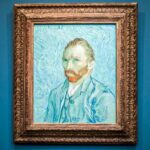
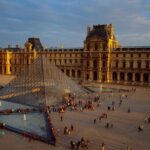
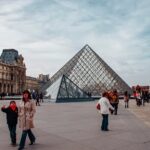
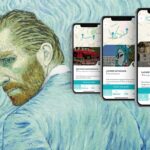
Paris sounds better with your own pace. I like how the audio arrives as a single private playlist and you can hop stop to stop using an interactive map. It also lets you linger, since the visit timing is meant as a loose guide.
I also like the value: 24 attraction stops for $9, including a playlist link and a route map link valid for up to 6 days. One consideration: the guide runs through a SoundCloud web link, so you’ll want internet and earphones when you’re out there.
In This Review
- Key highlights at a glance
- A 5-hour route that you control: the real point of this tour
- Getting rolling at Gare de Lyon: start big, then move smaller
- Place des Vosges: the easiest taste of old Paris
- Picasso, then the opera house glamour: art in different centuries
- Sacré-Cœur views and a garden reset at Parc Monceau
- Arc de Triomphe to Pont Alexandre III: monuments with a built-in photo route
- Eiffel Tower without rushing: pair it with the surrounding stories
- Museums that matter for Monet fans: Marmottan and the Orangerie
- Quai Branly and the Seine crossings: widening what “Paris art” can mean
- Invalides, Rodin, and Orsay: three ways Paris collects art and memory
- Notre Dame Area touches: the private power of shorter stops
- Luxembourg Gardens and Orangerie planning: build breaks into your day
- Louvre to Sainte-Chapelle: royal Paris, Gothic glass, and the big-ticket audio payoffs
- Where you end: Place de la Concorde, plus the National Library’s modern contrast
- Price and value: $9 for 24 stops, but plan for entry tickets
- The one practical drawback: internet and audio setup can make or break the day
- Should you book this Paris self-guided audio tour?
- FAQ
- How do I access the audio guide?
- What does the tour include for $9?
- Do I need earphones or my own device?
- Is admission included at the museums and landmarks?
- Can I start and end wherever I want?
- How long does the audio tour take?
- Is this a private experience?
Key highlights at a glance
- Private audio links in one playlist so you don’t hunt through apps
- Interactive map that connects each location to its matching audio
- 24 stops across central Paris from major landmarks to quieter corners
- Frequent free admission stops mixed in with a few ticketed museums
- Flexible pacing: follow the route or spend longer where you care
- Up to 6 days access gives you wiggle room if your schedule shifts
A 5-hour route that you control: the real point of this tour
This is a self-guided Paris audio tour designed for people who want a plan, but not a leash. You get access links ahead of time, then your day becomes a choose-your-own-wander route: click a stop on the map, press play, and move on when you’re ready.
At 5 hours (approx.), the structure is simple. The stops are spaced with “about 10 minutes” suggested time blocks, with a few slightly longer moments. The practical advantage is that you can treat the audio like a set of walking markers. Want to stay at the Eiffel Tower longer? Do it. Want to skim a museum audio and keep moving? Also fine.
You’re not paying for transport or a live guide here. You’re paying for the audio storytelling system—plus a map that keeps you oriented.
You can also read our reviews of more guided tours in Paris

Getting rolling at Gare de Lyon: start big, then move smaller

Your tour kicks off at Paris Gare de Lyon, one of the city’s major railway stations. This is a smart opening because it’s a real landmark that also feels like a “home base” for getting your bearings. You’ll hear about the station’s clock tower vibe and the famous Le Train Bleu restaurant.
If you like travel that feels grounded—actual places you can stand in, not just tourist bus stops—this start works well. You’re already in the fabric of Paris, and the audio gives you a reason to look up and around instead of just passing through.
Place des Vosges: the easiest taste of old Paris
Next up is Place des Vosges, described as the oldest planned square in Paris, framed by elegant 17th-century architecture. This stop has a “pause here” feel even if you only planned a quick listen.
Why it’s worth it: squares like this change how you walk. You tend to slow down, notice the geometry, and feel how Paris organizes space. Even with a short visit, you’ll get a clearer sense of how the city’s layout shapes the mood.
Picasso, then the opera house glamour: art in different centuries
From Place des Vosges you head to Musée Picasso-Paris, housed in a stunning 17th-century mansion. The audio here is set up for you to focus on what matters: Picasso’s works, in a building that’s already telling you about history and style.
Then you move to Palais Garnier, the 19th-century opera house that inspired The Phantom of the Opera. This stop is all about turning “pretty building” into story. You’ll get the sense that Paris didn’t just collect art—it performed it, built around it, and made it public.
Two practical notes:
- These two museums are not included for admission in the price, so plan to pay entry if you want to go in.
- Even if you’re just doing the outside-to-inside rhythm, the audio helps you know what you’re looking for once you arrive.
Sacré-Cœur views and a garden reset at Parc Monceau
When your route climbs to Basilique du Sacre-Cœur de Montmartre, the big payoff is the panoramic view from Montmartre hill. This is the kind of stop where the audio helps you “read the city,” because seeing the layout makes the stories easier to place.
From there, you get a calmer breather at Parc Monceau, known for English-style gardens and eclectic monuments. If your legs are tired, this is a good place to loosen up. Even if you only do the audio and a slow walk, parks like this give your brain room to rest between headline stops.
You can also read our reviews of more tours and experiences in Paris




Arc de Triomphe to Pont Alexandre III: monuments with a built-in photo route
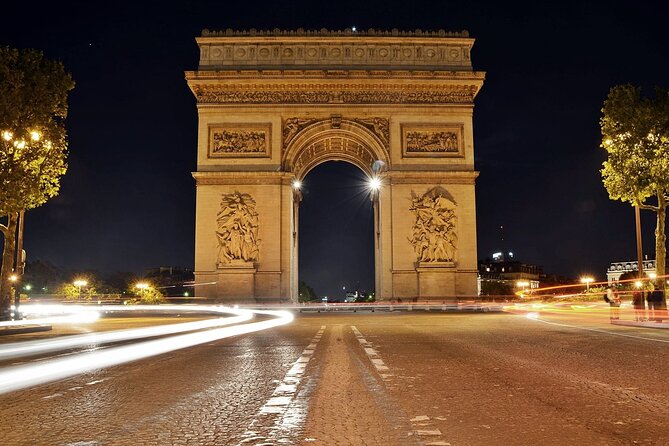
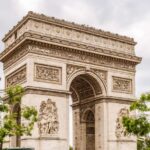
Arc de Triomphe is next, and it’s tied to France’s national story—an arch honoring those who fought for France—plus that famous view down the Champs-Élysées.
You may not spend ages here, but it’s worth treating it like a “zoom out” moment. The audio format works for this: you get a quick narrative, then you look at the lines of the city from above or centered beneath the monument.
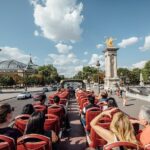
After that, cross Pont Alexandre III, described as one of the most beautiful bridges in Paris, connecting the Champs-Élysées quarter with the Eiffel Tower quarter. This stop is visual math: bridge form, river lines, and the way your route transitions from grand avenue energy to the Seine-and-landmark zone.
Eiffel Tower without rushing: pair it with the surrounding stories
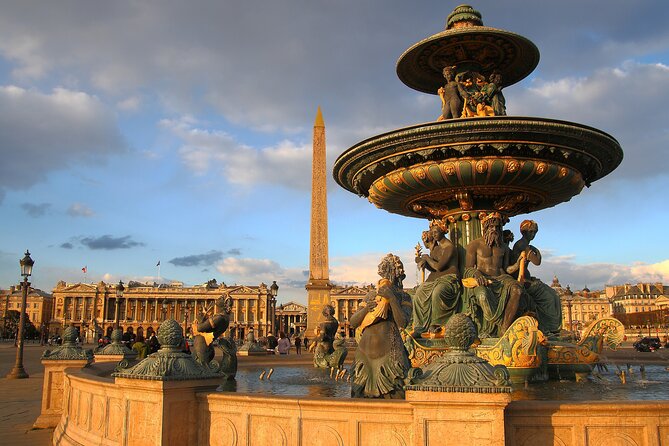
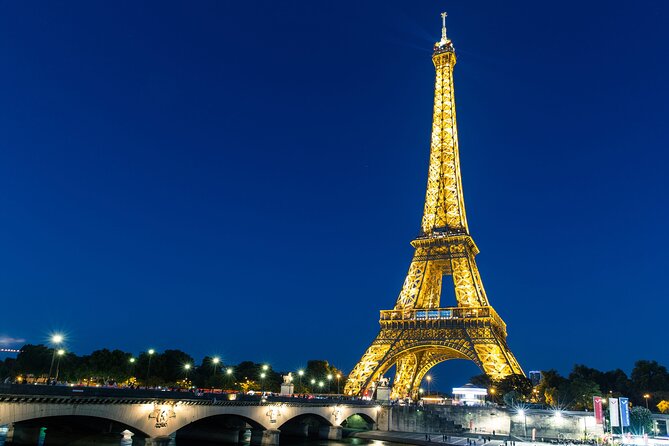
At the Eiffel Tower, the tour frames it as an engineering marvel and a symbol of the city. The practical value here is psychological: you’ll be less likely to treat it like a quick checkmark photo and more like a landmark you’re actually trying to understand.
Just know: the Eiffel Tower stop is not included for admission, so the ticket situation depends on what you plan to do onsite. If you’re only listening from viewpoints outside the paid areas, you may be able to keep your costs down—but the guide audio is still useful either way.
Museums that matter for Monet fans: Marmottan and the Orangerie
If you love Impressionism, this tour gives you two strong stops tied directly to Claude Monet.
First is Musée Marmottan Monet, billed as having the world’s largest collection of Monet’s works. That’s a bold claim in the description, and it tells you what this museum is for: Monet-focused time, not a random sampling.
Then you’ll reach Musée de l’Orangerie, created specifically to show Monet’s Water Lilies series. This is one of those experiences where the building and the artwork are linked; the audio setup makes sense because it’s trying to give context before you stand in front of those pieces.
Both of these are not included for admission. If you’re trying to keep the day budget-friendly, you can still use the audio for understanding, but plan your spending if you want the full museum time.
Quai Branly and the Seine crossings: widening what “Paris art” can mean
A nice mid-to-late stretch includes Musée du quai Branly – Jacques Chirac, focused on indigenous art from Africa, Asia, Oceania, and the Americas. This is a useful balance after spending time on Europe-heavy classics.
The reason this stop works on an audio format: it gives your brain a different lens. You’re not just collecting famous names; you’re learning how Paris can present global art histories.
As always with this tour’s museum list, admission is not included, so treat it like a paid add-on if you want to enter.
Invalides, Rodin, and Orsay: three ways Paris collects art and memory
You’ll also hit three culture magnets that fit together well in a single day.
- Musée de l’Armee des Invalides: tied to France’s military history, and specifically connected to Napoleon’s tomb. If you like story-driven monuments and national memory, this is a strong stop.
- Musée Rodin: focused on sculptures in beautiful gardens, including The Thinker. Rodin outdoors is a different mood than a white-gallery museum. The audio can help you find the emotional meaning in the pieces.
- Musée d’Orsay: housed in a converted railway station, with Impressionist and Post-Impressionist masterpieces. The “converted railway station” detail matters because it explains the museum’s feel: industrial space turned art hall.
All three are not included for admission. Still, the way they’re sequenced can work nicely: you move from national story (Invalides) to human form and gesture (Rodin) to painting eras (Orsay).
Notre Dame Area touches: the private power of shorter stops
Not every stop is a long ticketed event. Some are free, quick, and meant for connecting the dots.
On the lighter side:
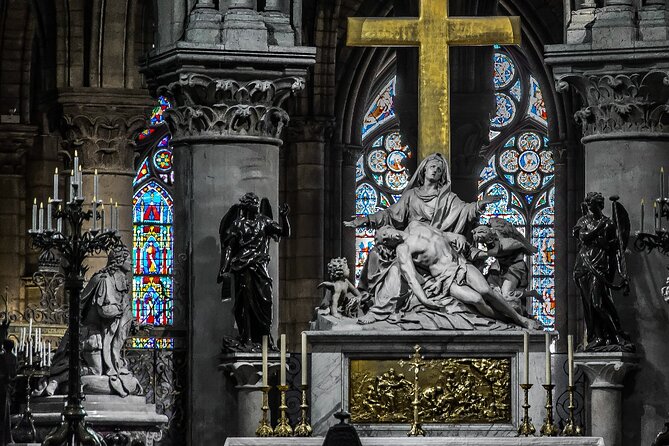
- Chapelle Notre Dame de la Medaille Miraculeuse is described as a serene chapel tied to the Miraculous Medal apparitions.
- Notre-Dame-des-Champs is a lesser-known but beautiful church in the heart of Paris.
- Chapelle and smaller churches like this are often where the audio feels most intimate, because you can step inside, listen, and then leave without “museum mode” feeling.
Also included in the route are:
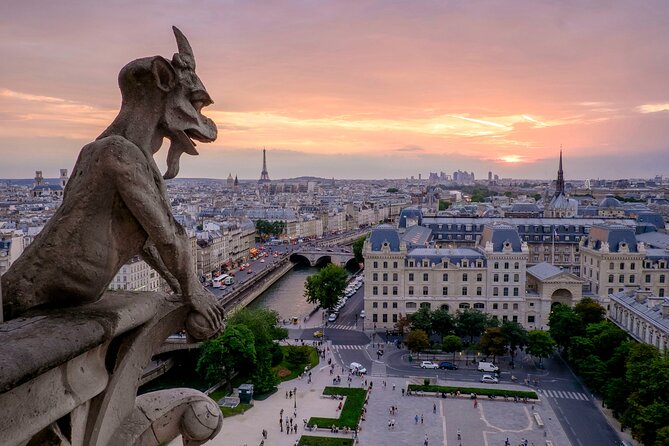
- Towers of Notre-Dame Cathedral, where you can climb for gargoyle-eye views of Paris. This stop is free for admission in the listing information.
- Notre-Dame area viewpoints tend to be about orientation. The audio helps you identify what you’re seeing, not just stare at stone.
Luxembourg Gardens and Orangerie planning: build breaks into your day
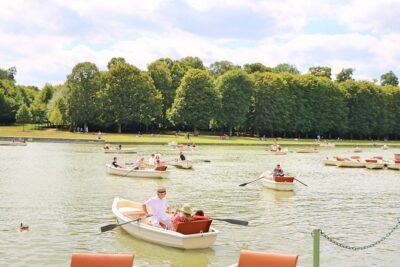
Luxembourg Gardens come up for relaxing—something described as a favorite place for Parisians to unwind. This is your “recharge without feeling like you’re wasting time” moment.
Then comes Jardin des Tuileries, a formal French garden stretching from the Louvre to Place de la Concorde. This makes the day feel continuous instead of stop-and-start. You’re walking on a planned axis, not just moving randomly between paid entrances.
These free stops are valuable because they let you keep spending in check. In a day full of ticketed museums (many are not included), a couple of well-timed free garden stops can keep the experience enjoyable instead of expensive.
Louvre to Sainte-Chapelle: royal Paris, Gothic glass, and the big-ticket audio payoffs
Now you hit the heavy hitters.
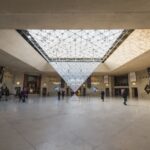
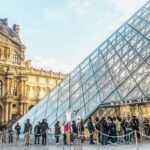
At the Louvre Museum, the audio frames it as the world’s largest art museum, with countless treasures including the Mona Lisa. The tour’s main advantage here is focus. If you’re walking into the Louvre without a plan, you can get lost fast. With audio tied to locations, you at least have a sequence that gives your feet a direction.
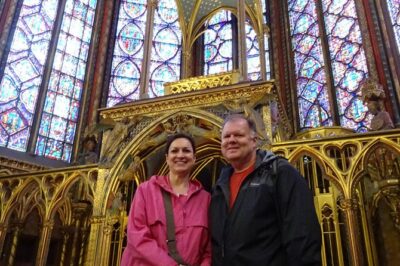
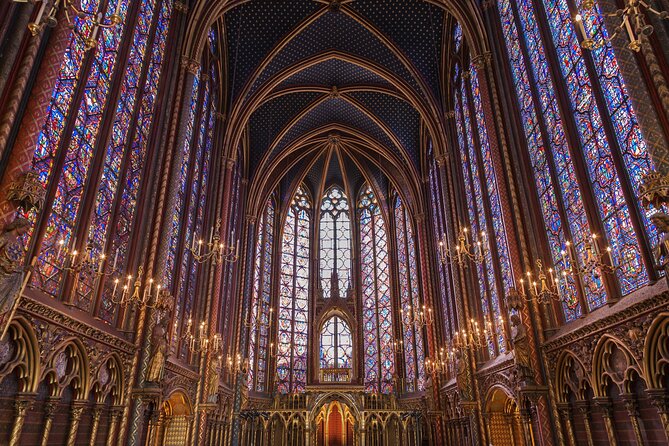
Next is Sainte-Chapelle, described as a Gothic royal chapel famous for its exquisite stained glass windows. Sainte-Chapelle is one of those places where the “first look” matters. The audio helps you understand why the windows aren’t just decoration—they’re the point.
Then there’s a second Notre-Dame angle:
- Towers of Notre-Dame Cathedral for views (free admission).
This is a nice contrast to stained glass. One is upward stone and light; the other is height and city geometry.
Where you end: Place de la Concorde, plus the National Library’s modern contrast
Your route also features Place de la Concorde, described as Paris’s largest square and a site of many key historical events. Even if you only spend a short stretch here, the square gives you a “wide view” feeling—good after dense museum energy.
Finally, you reach Bibliothèque nationale de France (site François Mitterrand), described as a modern architectural marvel and included for free. It’s a deliberate shift from old Paris to newer Paris. If you’re doing this as a single long day, this final contrast can make the whole route feel more complete.
Price and value: $9 for 24 stops, but plan for entry tickets
Let’s talk money. The price is $9.00 per person, and you’re getting mobile-ticket access plus:
- a private access link to a SoundCloud playlist covering 24 attractions
- a private access link to a Google My Maps route map where each stop connects to its audio
- validity for up to 6 days
That’s the value part. You’re not paying for transport or a person. You’re paying for structured storytelling tied to specific places, with enough flexibility that you can adjust as you go.
But the listing also makes it clear: entry fees are not included. Many of the major museums in the route are marked as “Admission Ticket Not Included,” including Picasso, Palais Garnier, Arc de Triomphe, Marmottan Monet, Eiffel Tower, Quai Branly, Invalides, Rodin, Orsay, Orangerie, Louvre, Sainte-Chapelle, and more.
So the honest budgeting approach is:
- treat this as a low-cost way to guide your day and build context
- then add museum/ticket spending only for the stops you truly want to enter
The one practical drawback: internet and audio setup can make or break the day
Here’s the part you should take seriously: the audio is accessed via a secure SoundCloud web link. That means you need internet while you’re using it.
One complaint shows up in the experience: if you don’t have reliable connectivity, you can end up with missing audio at arrival. The lesson is simple: don’t assume you can download everything and play offline. The tour info itself points to internet needs.
So I’d plan like this:
- bring earphones and keep your phone charged
- have a data plan or another way to get online
- test the audio links before you leave (even at home), so you’re not troubleshooting mid-stroll
If your phone battery is low or your connection is weak, you may lose the main benefit you paid for.
Should you book this Paris self-guided audio tour?
I think it’s a good pick if you:
- want a structured route but with freedom to pause and move at your own speed
- enjoy museums and monuments, but don’t necessarily want a live guide running the schedule
- like learning in small doses, then seeing the place for yourself right after the audio
I’d hesitate if you:
- hate relying on mobile internet while walking around
- want a fully offline audio experience
- are hoping the $9 covers museum entries (it does not)
If you’re the kind of traveler who enjoys tapping a map and turning Paris into a personal lesson—this can be a satisfying way to spend a day.
FAQ
How do I access the audio guide?
After booking, you receive an email with two access links before your starting time: one for the audio guides via a secure SoundCloud link and one for the interactive map via a Google My Maps link.
What does the tour include for $9?
You get private access links to the audio guide playlist for 24 attractions and a private map link where each attraction connects to its audio. The links are valid up to 6 days. Entry fees, transportation, audio devices, and food are not included.
Do I need earphones or my own device?
Yes. Audio devices such as earphones and your phone internet/Wi-Fi access are not included, so you’ll need to use your own smartphone and earphones.
Is admission included at the museums and landmarks?
No. Some stops are listed as free admissions, while others are marked as not included. Entry fees are not included in the tour price.
Can I start and end wherever I want?
Yes. Since it’s self-guided, you can decide your starting and ending point in Paris based on your convenience.
How long does the audio tour take?
The duration is listed as about 5 hours.
Is this a private experience?
Yes. It’s described as a private tour/activity, so only your group will participate.