REVIEW · PARIS
Paris Secret Gardens 1.30 hour long Walking Tour
Book on GetYourGuide →Operated by Not a Tourist Destination · Bookable on GetYourGuide
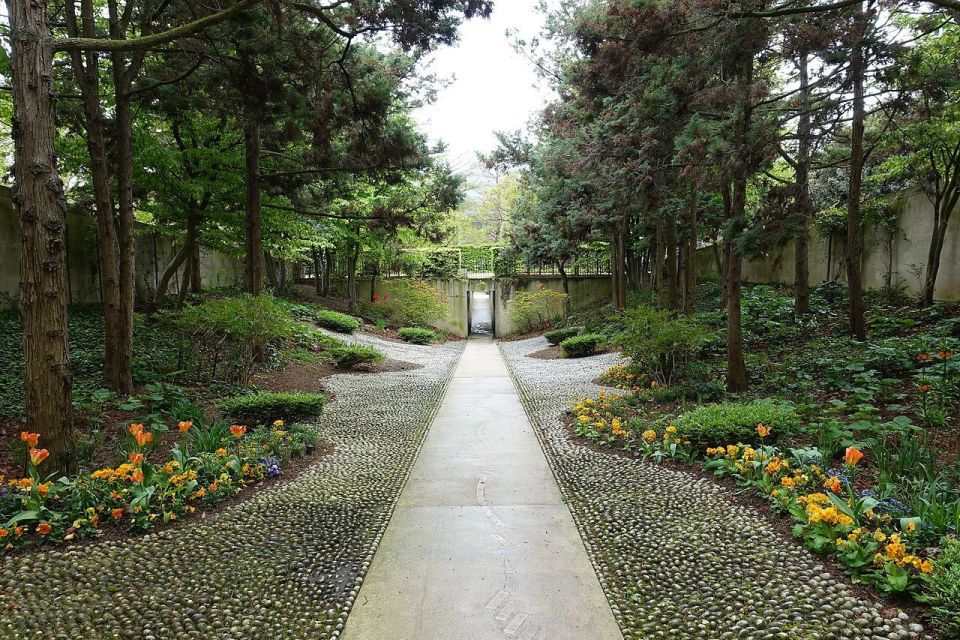
Paris hides quiet green pockets in plain sight. This 1.5 to 2 hour walking tour threads you through lesser-known gardens and hidden squares, then connects those calm corners to the wider story of how French gardens shaped tastes and spaces in the city. You’re not chasing big monuments here; you’re chasing shade, benches, and the feeling of getting away without leaving the city.
I especially like two things: first, the guide-led storytelling that turns everyday streets into a living map of Paris’s garden culture, including the way today’s city leadership is pushing greening plans. Second, the variety of garden types you may run into—leafy squares, church gardens, vegetable patches, and even quieter oddities like chessboards, rose bushes that locals still love, plus views from places that most tourists rush past.
One key drawback to consider: some of what gets called secret is simply publicly accessible garden space. That can still be delightful, but if you’re expecting locked-gate-only exclusives, this tour may feel more like a smart route through normal green spots than a truly rare private experience.
In This Review
- Key things to know before you go
- First stop: why Café La Royale sets the tone
- What you’re really paying for: the guide + the route
- The green thread: how Paris’s “garden network” changes your view
- “Secret” squares and hidden retreats: what to expect on the ground
- Church gardens and vegetable patches: the local-life factor
- Rose bushes, heat, and the questions you should bring
- Cemeteries and hospitals? Yes, and here’s why it works
- Pacing and what to wear: the practical stuff that makes or breaks it
- Weather and conversation: why the tour format can still pay off
- How to tell if it’s the right fit for you
- Price and value: $82 for a garden story walk
- Should you book Paris Secret Gardens?
- FAQ
- Where is the meeting point?
- How long is the tour?
- How much does it cost?
- How big is the group?
- What languages are offered?
- What should I bring?
- Is there a full refund if I cancel?
Key things to know before you go
- Small group size (up to 8) means more time to ask questions and hear details.
- You’ll mix nature with city history, not just sightseeing photos.
- Public-access gardens may be included, so manage expectations about how secret they feel.
- Odd, local-feeling stops can come up, like garden features, vegetable plots, and quiet refuge spots.
- Comfortable shoes matter since it’s a walking tour through multiple corners of the city.
- English and Spanish are available with a live guide.
First stop: why Café La Royale sets the tone
The tour meets at Café La Royale, 11 Boulevard des Filles du Calvaire, Paris. Starting at a café makes sense for this kind of outing because it puts you in a calmer mindset fast. You’re not beginning with a ticket line or a loud attraction. You’re beginning with a place where you can actually talk, listen, and settle in.
Also, this is a walking tour with no hotel pickup or drop-off. That matters because it nudges you to arrive on your own and treat the meeting point as the launch pad for a neighborhood-style experience. If you’re the type who likes to arrive early, grab a quick drink, and then walk out into something more local, you’ll fit the vibe well.
And yes, the timing can be a little confusing at first glance: the title says 1.30 hours, while the duration is listed as 2 hours. Either way, plan for a short but focused walk—enough time to feel you changed neighborhoods, not enough time to “solve Paris” in one outing.
You can also read our reviews of more walking tours in Paris



What you’re really paying for: the guide + the route

The price is $82 per person. That sounds steep until you remember what’s actually included: a live guide and the walking tour. There are no separate admission fees described, and the experience is built around interpretation—how the guide helps you notice what most people pass by.
This is exactly where value can go either way. If you like gardens and you enjoy learning the stories behind spaces, the cost starts to make sense because you’re buying context. But if you only care about seeing dramatic, rarely accessed spaces, you may feel like you paid for a route through gardens you could find on your own.
The guide seems to be the big factor in whether people feel it was worth it. Some participants praised the guide’s warmth and history blending—especially a guide named Sandra, who was described as a delightful companion who connects garden spaces to Paris culture. Others thought the “secret garden” label felt too strong when the spaces were open to the public.
So here’s my practical take: treat this as a guided nature-walk with history and local texture. Not as a backdoor to locked private gardens.
The green thread: how Paris’s “garden network” changes your view
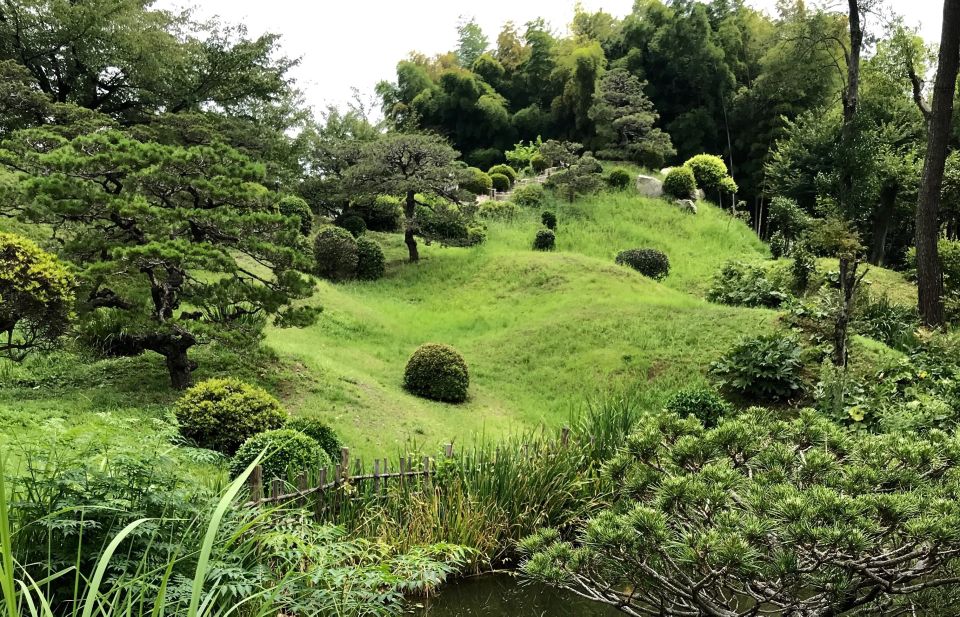
The tour is built on the idea that Paris is one of the world’s green capitals, with around 400 gardens, parks, and woodland pieces contributing to that feeling. That framing matters. It helps you stop thinking of gardens as isolated attractions and start seeing them as part of how Parisians move through quieter life.
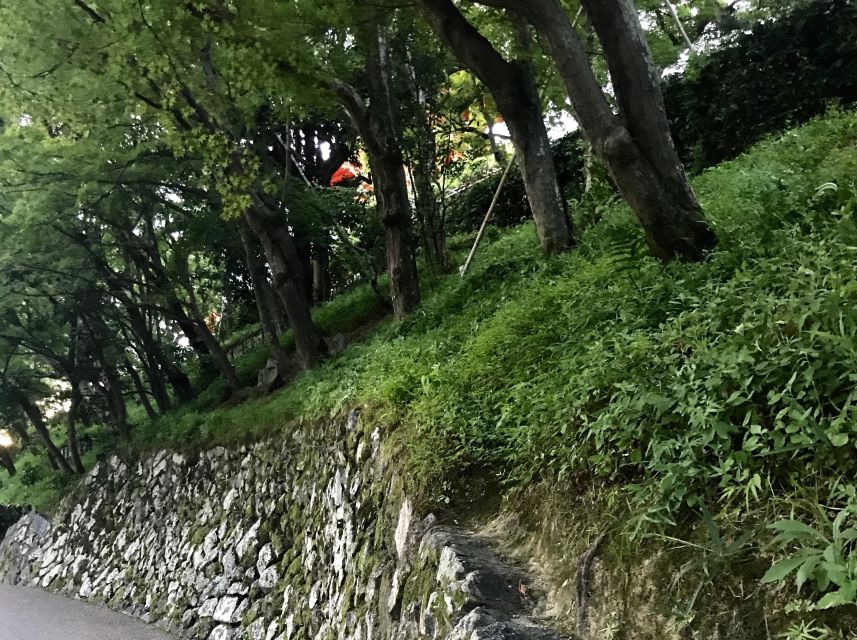
As the walk unfolds, you’re meant to get off the usual tourist path. The goal is to find the smaller corners: hidden squares, leafy patches, and calmer streets where plants actually soften the city’s edges. In other words, you’re buying a shift in perspective. You’ll likely notice more birdsong, more shaded benches, and more everyday gardening touches than you would on a standard checklist day.
And you’ll probably spot how different garden styles coexist. The tour content suggests you can run into spaces used by locals, not just designed for visitors. That’s why places like church gardens or vegetable patches are so interesting here—they’re garden spaces with a job to do, not just a photo to sell.
“Secret” squares and hidden retreats: what to expect on the ground

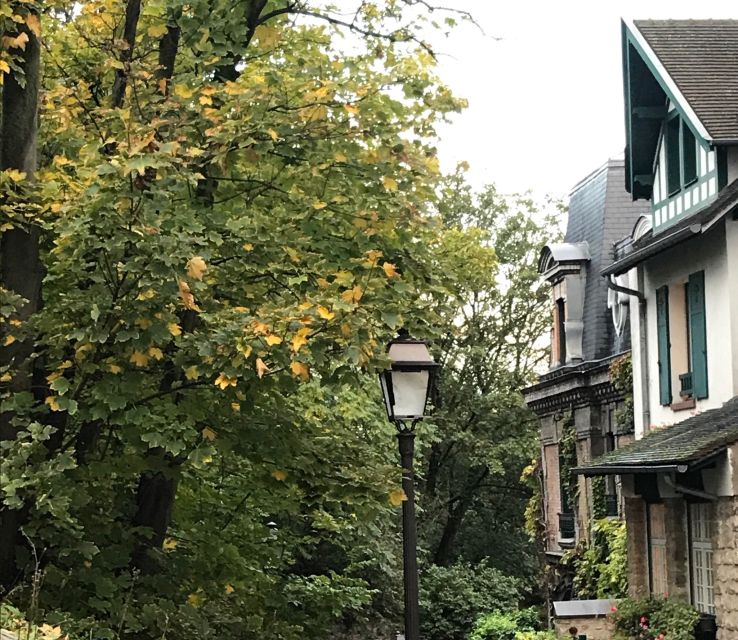
You’ll be introduced to hidden squares and quieter corners. These are the spots that can feel like you turned a page in the city—same Paris streets outside, but a different atmosphere once you cross into the green.
Based on the tour’s description and the feedback patterns, here’s what to expect from these stops:
- You might find garden areas that allow you to linger—places where listening to a concert or gathering nearby feels plausible, because the setting is meant for calm.
- You might come across garden features that feel slightly quirky or playful, such as chessboards or specific garden-room layouts that make the space feel designed for sitting and returning.
- You might see garden elements that locals keep for everyday joy, like rose bushes that are still appreciated rather than locked away behind rules.
One note on expectations: some “secret” spaces are still public gardens. That doesn’t automatically mean they’re disappointing. A publicly accessible garden can still be secret in practice—if you’ve never known it was there. But if your heart is set on truly off-limits surprises, you’ll want to adjust your mindset before you go.
Church gardens and vegetable patches: the local-life factor
A big part of why people enjoy this tour is that it doesn’t treat gardens like museum pieces. The description points to spaces like church gardens and gardens with vegetable patches. That’s a clue you’re going to see plants used with intention, not only admiration.
Why that matters: vegetable patches and church-adjacent gardens can feel grounded. They don’t try to impress you with scale first; they often impress you with regular maintenance and community use. You get the sense that someone—maybe local residents or caretakers—pays attention week after week.
If you like gardening, you’ll likely enjoy these moments because they’re the places where you can mentally step into real routines: what gets planted, what grows well, and what locals keep returning to even when the weather changes.






Rose bushes, heat, and the questions you should bring
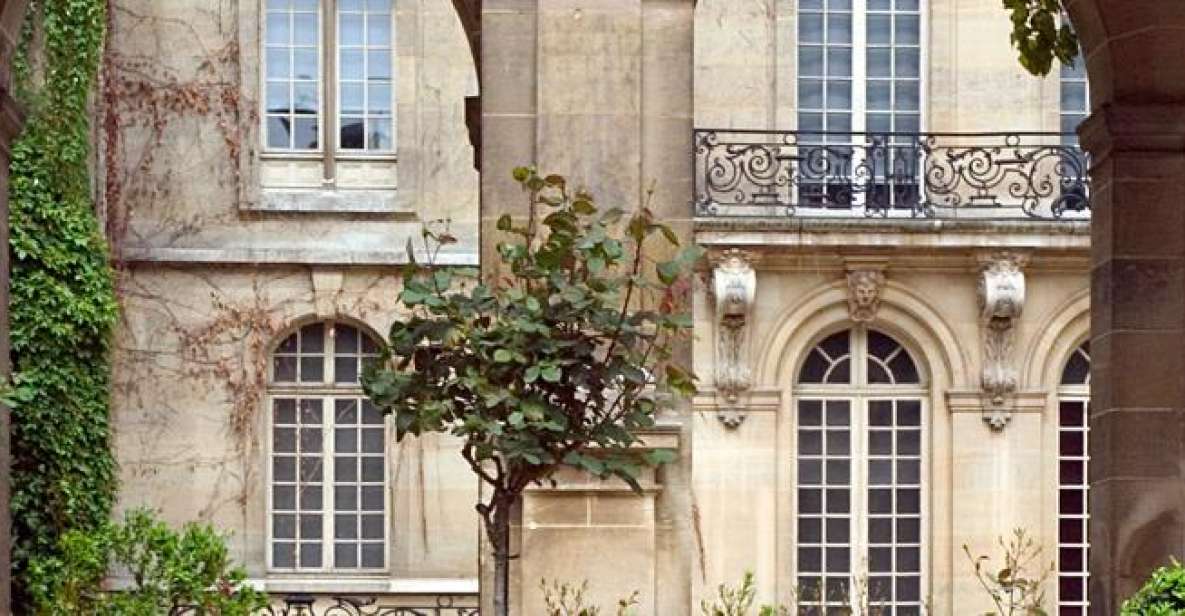
The tour description mentions elements like rose bushes and points toward the idea of historical garden design. One participant specifically hoped for more practical talk on drought or heat-resistant plants they could use in their own garden.
That’s a useful hint for you: if you have a garden at home or you’re thinking about climate-smart plants, come ready with questions. Ask how the guide thinks about plant choice in an urban setting. Ask what survives and why. Even without a full plant workshop, you’re likely to get helpful commentary because the tour is positioned at the intersection of nature and city change.
And if you don’t garden at home, you can still ask a lighter version: what makes this garden thrive in Paris’s specific conditions? The answer can make the walk feel smarter and more personal.
Cemeteries and hospitals? Yes, and here’s why it works
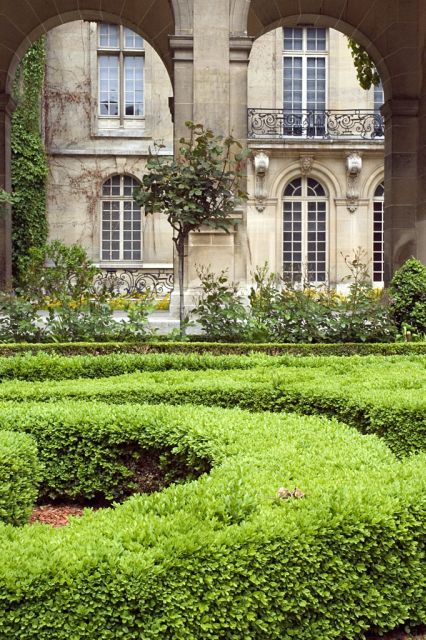
One of the most unusual parts of the tour description is that you may pass through or pause near cemeteries and hospitals, with the promise of views where you can be left alone with the best sightlines.
This is where a guided walk can be especially valuable. A cemetery or hospital grounds area isn’t the kind of place you typically include on a casual itinerary. But with the right framing, it becomes part of the city’s texture: quiet spaces, maintained paths, and plant life that has a different meaning than a show garden.
What you’ll want to remember in these settings is simple: keep your voice low, follow the space’s rules, and treat it like a place with boundaries. If you do, you’ll likely come away with a different idea of where “green space” belongs in a city.
Pacing and what to wear: the practical stuff that makes or breaks it
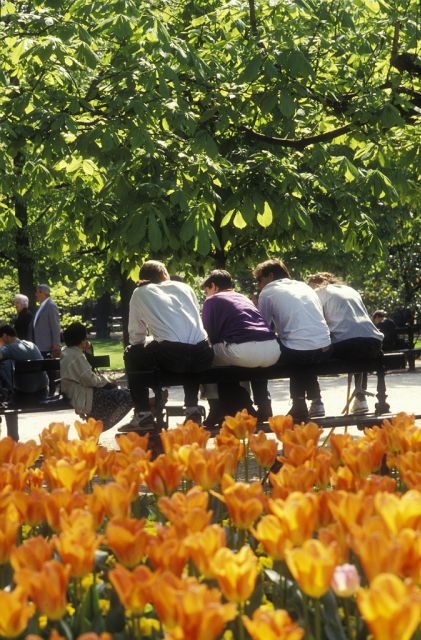
This is a walking tour, so your comfort matters. You’ll want comfortable shoes because you’re moving through multiple outdoor stops.
You also shouldn’t bring luggage or large bags. That rule matters more than it sounds. Garden spaces and quiet squares are often easy to enjoy until someone’s wheeling a heavy bag through narrow paths. Keep your load light. A small day bag you can hold comfortably is the safer bet.
There’s also a small-group setup, limited to 8 participants. That’s a plus for the overall experience because it keeps the group from turning into a noisy parade. It also helps the guide manage pace and adjust if someone needs a quick pause.
Weather and conversation: why the tour format can still pay off
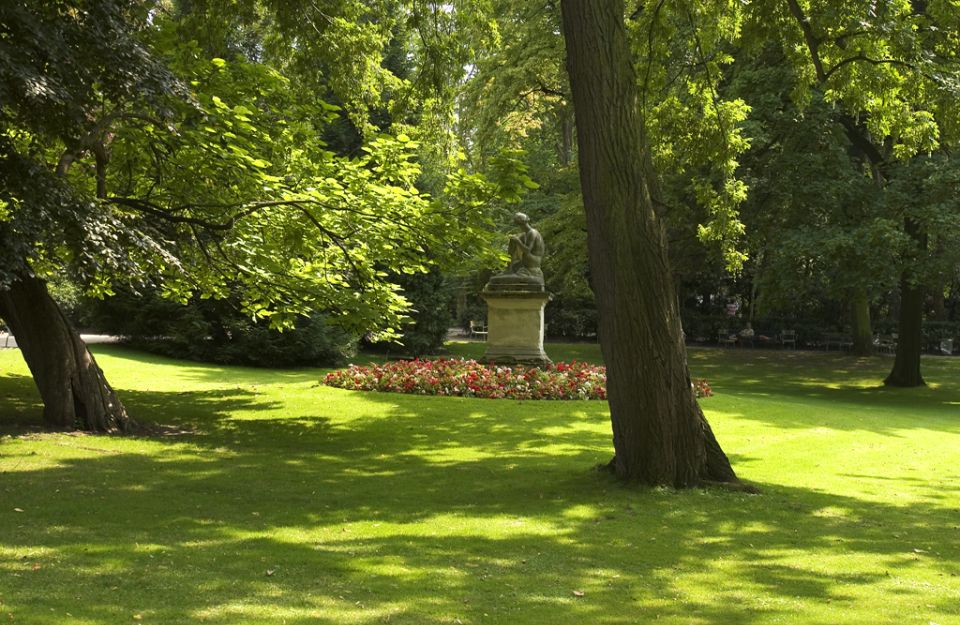
The walk depends on outdoor time, and Paris weather can change fast. The good news is that the tour appears to be guide-driven in a way that can keep the experience useful even if the sky doesn’t cooperate perfectly.
Even when the walk slows due to rain or wind, you’ll still get the core value: the guide’s explanations and the chance to ask follow-up questions. For this kind of tour, that matters as much as scenery because the learning is the point, not just the photo locations.
So if the forecast looks iffy, don’t panic—just plan to wear layers and expect that you’ll shift between walking and short pauses.
How to tell if it’s the right fit for you
This tour is best if you want the softer side of Paris—quiet corners, plant life, and a route built around noticing. You’ll probably enjoy it if:
- You like gardens, parks, and outdoor calm more than major landmarks.
- You care about context—why a space exists and what it reflects about the city.
- You prefer small groups where you can actually hear the guide and ask questions.
- You want a break from the heavy tourist focus without giving up learning.
It may disappoint if:
- You expected only truly private, rarely accessed gardens.
- You want big-ticket spectacle rather than local-feeling greens and small surprises.
- You dislike walking even for a short outing and need frequent transport.
Price and value: $82 for a garden story walk
At $82 per person, you’re paying for two things: a guide and a guided route through lesser-known garden spaces. That can be excellent value if you’re the type who enjoys history tied to everyday places and you’ll actually use the garden knowledge during your walk.
But if you’re primarily shopping for “secret” as in off-limits-only, the value can feel off. The main complaint pattern is that some gardens are public, so the label can sound more exclusive than the experience feels on the ground.
Here’s a smart way to decide: ask yourself what you’d do if you removed the guide. If you’d still enjoy wandering these kinds of gardens anyway, the guide makes it better. If you wouldn’t have gone at all without the promise of exclusivity, you might feel the cost harder.
Should you book Paris Secret Gardens?
Book it if you want a small-group green detour that swaps standard attractions for quieter squares and garden corners, with a guide who connects plant spaces to Paris culture and city greening plans. It’s a solid choice for anyone who enjoys learning while walking and prefers atmosphere over checklists.
Skip it or approach with lower expectations if you’re hunting for truly closed-off, once-in-a-lifetime private gardens. This outing seems geared toward guiding you to lesser-known parts of the city that are often still accessible to the public—secret in discovery, not always secret in access.
If you do book, come with comfortable shoes, keep your bag small, and be ready to ask questions—especially about what makes these urban gardens work through different seasons and heat.
FAQ
Where is the meeting point?
Meet at Café La Royale, 11 Boulevard des Filles du Calvaire, Paris.
How long is the tour?
It’s listed as 2 hours, even though the tour title also mentions 1.30 hours.
How much does it cost?
The price is $82 per person.
How big is the group?
The group is small, limited to 8 participants.
What languages are offered?
The live tour guide offers English and Spanish.
What should I bring?
Wear comfortable shoes.
Is there a full refund if I cancel?
You can cancel up to 24 hours in advance for a full refund.