REVIEW · PARIS
Paris Revolutionary Walking Tour: Iconic French Sights & Stories
Book on Viator →Operated by Dayin · Bookable on Viator
French Revolution stories have a way of changing how you see Paris. This 2-hour walking tour links major sites to the decisions, unrest, and aftermath that shaped the city, with a guide who explains the why, not just the what. I especially like the relaxed pace and the chance to ask questions as you go; one potential drawback is that you’re on your feet for most of the experience, so plan comfy shoes.
You start at 1 Pl. du Palais Bourbon (near the National Assembly area) and you finish at Palais Garnier by the Opéra. The route moves through big-name squares and classic streets, but it’s designed as a conversation walk—rain or shine—so the timing feels steady instead of rushed.
Guides like Lou, Alex, and Walid are repeatedly praised for being well prepared, well spoken, and genuinely into the subject. Expect clear connections between politics, architecture, and how Paris looks today—plus practical restaurant and sightseeing tips to help you keep exploring after the tour.
In This Review
- Key highlights you’ll feel right away
- Why a Revolution-Themed Walk Works in Paris
- Assemblee Nationale: Democracy in Stone (Stop 1)
- Pont de la Concorde: The Fastest Way to Orient Yourself
- Place de la Concorde: Where the Revolution Turned Human
- Jardin des Tuileries: A Breather With Meaning
- Place-Vendome: Luxury After the Storm
- Opéra Finale at Palais Garnier: Art, Power, and Visual Impact (Stop 6)
- Small Group, Big Attention: What Changes When It’s Only Up to 8
- Price and Value: Is $66.23 for Two Hours Reasonable?
- Who Should Book This Paris Revolutionary Walking Tour
- Should you book it?
- FAQ
- How long is the Paris Revolutionary Walking Tour?
- How much does the tour cost?
- Where does the tour start and end?
- Is the tour offered in English?
- Is admission required for the stops?
- What’s included in the ticket price?
- Does the tour run in bad weather?
- Can I cancel for a full refund?
Key highlights you’ll feel right away
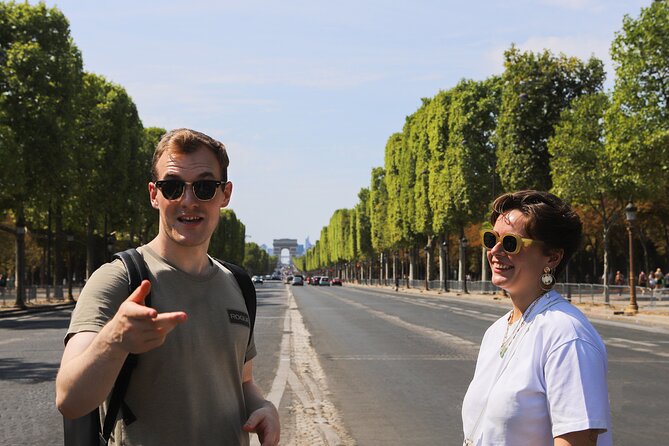
- Small group size (max 8) keeps the pace human and the Q&A real
- Revolution lens turns familiar landmarks (and squares) into cause-and-effect stories
- Multiple monument views from Pont de la Concorde give you instant orientation
- Architecture + history gets tied together at key stops like the Opéra area
- Rain-ready guide energy, even when the weather doesn’t cooperate
- Built-in next-steps tips so you know how to keep navigating Paris after
Why a Revolution-Themed Walk Works in Paris
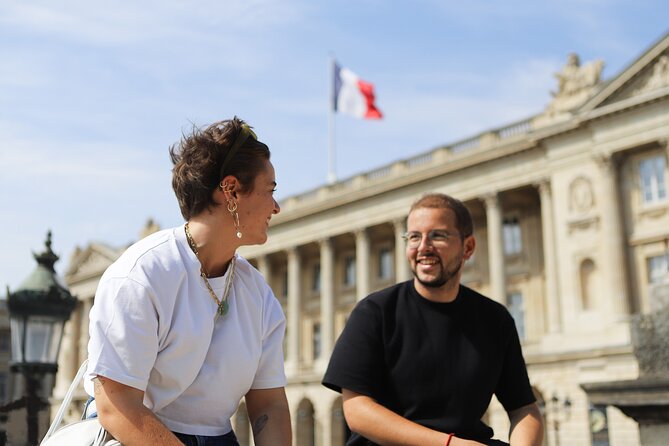
Most Paris days are either about art museums or postcard scenery. This one does something smarter: it uses the French Revolution as a map for understanding why certain places matter. Instead of treating landmarks like isolated photos, you learn what decisions happened nearby, what changed, and how the city’s face shifted afterward.
I like tours that help you read the city. Here, you’ll get explanations you can actually reuse later—when you’re standing in front of a building and wondering why it looks the way it does. And because it’s a walking route with frequent stops, it’s easier to keep the story straight than it is in a single museum room.
One more practical plus: the tour includes tips on navigating the city for your future plans. That matters on your first days in Paris, when the metro can feel like a maze and you’re still learning what’s walkable.
You can also read our reviews of more walking tours in Paris



Assemblee Nationale: Democracy in Stone (Stop 1)
You begin at 1 Pl. du Palais Bourbon, at the Assemblée Nationale area, which is the heart of French politics. The big idea here is simple: this is where major decisions shaping the nation have been made for centuries. That sets the tone for the rest of the walk, because the Revolution wasn’t just street drama—it was power, policy, and competing visions of how France should run.
What you’ll likely pick up at this stop is context you normally miss when you just walk past impressive government buildings. You’ll hear the logic of revolutionary change: why certain institutions mattered, how political authority was challenged, and how those moments still echo in the way you understand the modern French state.
Drawback to consider: this is the “start and set-up” stop. If you prefer action-packed scenes first, give yourself a minute to settle in. The tour’s pace is relaxed, but early context takes a little attention before the story really starts clicking at later squares.
Pont de la Concorde: The Fastest Way to Orient Yourself
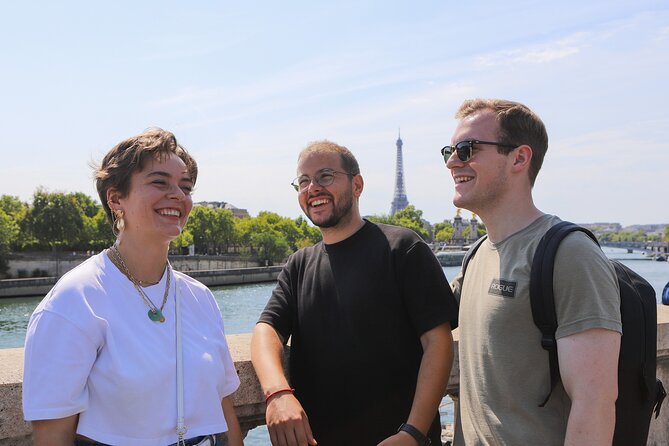
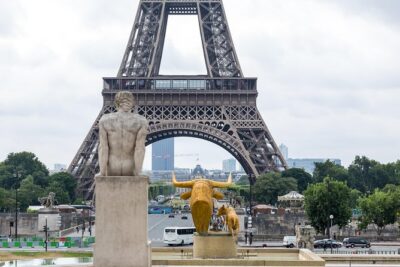
Next comes a classic Paris “wow” moment from Pont de la Concorde. From this bridge, you get an amazing view that ties several major monuments into a single line of sight, including Notre Dame, the Eiffel Tower, the bridge Alexander III, and even Sacré Coeur.
This stop is short, but it’s valuable. It’s basically your orientation tool. After you’ve seen the skyline framed like this, it’s easier to understand where you are in relation to the rest of the city. That makes your non-tour hours more efficient, because you’ll recognize sight lines instead of guessing.
Practical note: bridges can be windy. If you’re going in colder months or during rainy season, dress for the walk and bring a layer. This tour runs rain or shine, so your gear choice matters.
Place de la Concorde: Where the Revolution Turned Human
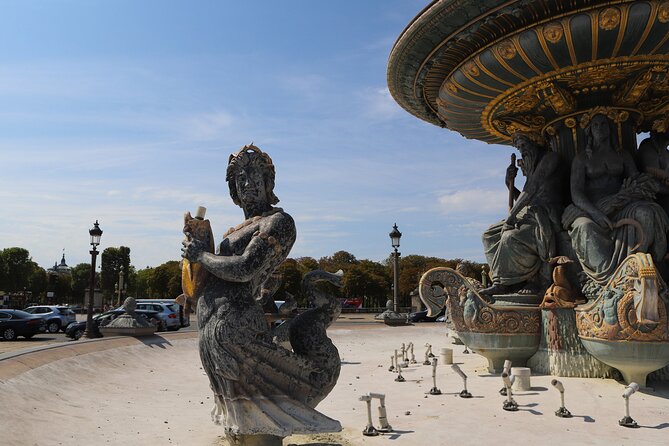
At Place de la Concorde, the walk shifts from politics to the specific moments that turned the Revolution into lived experience. This is where key events took place, including the execution of King Louis XVI. You’ll also admire the fountain and the obelisk, while your guide explains what the square meant and how its identity connects to revolutionary history.
This is the stop where the story becomes harder to forget. Squares in Paris often look timeless, but the guide’s job is to show you that the layout was a stage for real decisions and real consequences. If you pay attention to the surrounding geometry—where people gathered and how movement flows—you’ll understand why public spaces mattered so much in that era.
Possible drawback: because the place is famous, it can also feel busy. The good news is your group is small and your guide keeps the focus tight, so you’re not wandering with no direction. Still, if you’re sensitive to crowds, come prepared to pause and watch instead of trying to get perfect photo angles instantly.
Jardin des Tuileries: A Breather With Meaning
After the weight of Place de la Concorde, the tour takes you into the Jardin des Tuileries. This stop is about pace reset. You stroll along the gardens, and the guide ties what you see to cultural and historical layers connected to the city’s evolution.
I like this part because it stops the tour from becoming only “stop, stare, move on.” The gardens give you room to process the story you just heard. Even if you’re not a “garden person,” you’ll probably appreciate the contrast: political upheaval and public spectacle on one side, calmer ground and long-term cultural shaping on the other.
What to watch for: shade and benches. If it’s hot, take advantage of the slower pace and let the story land. If it’s cold or rainy, the walk is still comfortable because you’re moving as a group with planned timing, not getting stuck waiting around.





Place-Vendome: Luxury After the Storm
Then you head toward Place-Vendome, where you’ll discover a very different Paris personality: polished architecture, prestigious hotels, and high-end shops. The contrast is the point. Revolution changes systems, and it also changes what people value and how power shows itself in the built environment.
Your guide’s job here is to connect the dots—why this kind of elegance exists where it does, and how Paris kept reworking its identity after big political shifts. If you’ve been thinking of the Revolution as only a break in the timeline, this stop helps you see it as a turning point that didn’t end culture or style. It redirected them.
Small consideration: this isn’t the stop for huge drama. It’s more about visual reading and historical framing. If you’re only chasing intense stories, you may find this one slightly more reflective than action-heavy.
Opéra Finale at Palais Garnier: Art, Power, and Visual Impact (Stop 6)
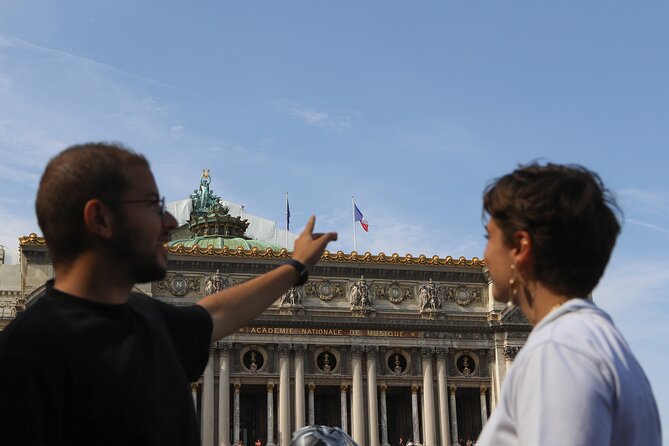
The final stop is the Opéra area, and the tour ends at Palais Garnier. You’ll learn about Paris’s artistic, cultural, and musical heritage, then admire the architecture that makes it one of the most beautiful opera houses in the world.
This is a smart ending because the Revolution story doesn’t just end with outcomes and monuments. It also affects how societies represent themselves—through art, public spending, and grand public buildings. Your guide ties that into what you’ve seen earlier, so you leave with a better understanding of how the same city can hold both hard history and high culture.
You finish where it’s easy to keep going. From the Opéra area, you can branch out to other neighborhoods without feeling stranded. And if you’re the type who likes to plan a second evening, you’ll probably appreciate the advice on where to go next.
Small Group, Big Attention: What Changes When It’s Only Up to 8
Because the group is limited to 8 travelers max (with the option for private), the tour works like a guided conversation with a clear route. That’s why the Q&A feels natural instead of rushed. When guides like Lou are praised for being personable and engaging, it usually means they’re not reading from a script—you’ll get follow-up explanations if your questions match the moment.
You’ll also notice that this tour is designed with a more relaxed pace and time to ask things you’re actually wondering about. That matters in Paris, where “I have questions” often turns into “I wish I’d asked sooner.”
If you’re bringing a family or traveling with mixed ages, this kind of structure helps. One guide was noted for humor that fit well for a family group, which is a good sign that the narration doesn’t talk down.
Price and Value: Is $66.23 for Two Hours Reasonable?
At $66.23 per person for about two hours, you’re paying for more than movement and landmark stops. You’re paying for a guide who connects revolutionary events to the specific places you’re standing in—plus tips to navigate after.
Here’s why the value feels strong:
- You get multiple major sites in a short window without having to plan each segment yourself.
- The stops include places where admission is free, so you’re not stacking costs on top.
- The guide time is the real product: clear explanation, architecture-to-history links, and practical local suggestions.
If you already know the French Revolution inside-out and you just want photos, you might prefer self-guided research. But if you’d rather understand what you’re seeing and save time, this is the kind of tour that earns its price quickly.
Who Should Book This Paris Revolutionary Walking Tour
You’ll get the best match if you fall into one of these buckets:
- You’re a history buff who likes context and cause-and-effect, not just dates.
- You want to see major Paris landmarks but still keep the day’s theme coherent.
- You’re in the “first time in Paris” stage and need orientation fast.
- You enjoy guides who blend architecture and story—the kind of approach highlighted by Alex’s focus on how buildings and the Revolution connect.
- You like practical add-ons like restaurant suggestions, which showed up in the notes from Walid’s guidance.
You might want to skip it if you hate walking, need lots of time at museums, or prefer fully independent travel with no structured narrative. For most people, though, it’s a smart way to learn Paris without burning an entire day.
Should you book it?
Yes, I think you should—especially if you want a Paris day that teaches you how to read the city. The small group size, the relaxed pacing, and the focus on revolutionary context make this more than a checklist tour. And ending at Palais Garnier means you finish in a high-energy area where it’s easy to continue your evening.
If you book, go in with one simple mindset: don’t just look at the buildings and squares. Listen for what changed, why it mattered, and how that shows up in what you see today.
FAQ
How long is the Paris Revolutionary Walking Tour?
It’s about 2 hours.
How much does the tour cost?
The price is $66.23 per person.
Where does the tour start and end?
It starts at 1 Pl. du Palais Bourbon, 75007 Paris, France, and ends at Palais Garnier, Pl. de l’Opéra, 75009 Paris, France.
Is the tour offered in English?
Yes, it’s offered in English.
Is admission required for the stops?
The stops are listed as ticket free, so you won’t be buying paid admission as part of the itinerary.
What’s included in the ticket price?
Included are a local tour guide, a fun walking tour, tips to navigate the city after, and a small group experience (up to 8) or private option.
Does the tour run in bad weather?
Yes. This tour will take place rain or shine.
Can I cancel for a full refund?
Yes. You can cancel up to 24 hours in advance for a full refund.