REVIEW · PARIS
Paris: Private Pastry Food Tour of French Sweet and Desserts
Book on GetYourGuide →Operated by Dayin · Bookable on GetYourGuide
Paris tastes better with a plan. This private Left Bank tour strings together 9 dessert tastings and stories from a Local guide, with markets, landmarks, and plenty of time to slow down and enjoy. If you’re vegan or lactose-intolerant, this won’t be your kind of walk.
I like that the route starts in Saint-André des Arts and ends at La Grande Épicerie de Paris, so the tour feels like both a snack mission and a shopping win. The guides on this Dayin team—people like Benoit, Juliette, and Clara—often work to match your pace, and in some cases they can add a savory bite (think quiche or crepes) alongside the sweets.
In This Review
- Key things that make this pastry tour worth your time
- Starting on Rue Saint-André des Arts: where the tour gets its momentum
- Boulangerie LIBERTÉ and Cour du Commerce Saint-André: the first bites set the tone
- Le Marché Saint-Germain: dessert lessons that start with ingredients
- Saint-Sulpice photo break and tasting time: pacing without losing the story
- La Maison du Chocolat Sèvres: why chocolate belongs in the middle
- Beaupassage and a guided stroll: turning the route into a souvenir
- Philippe Conticini Paris 7ème: the pastry spotlight
- La Grande Épicerie de Paris finale: shop like a local after the last tasting
- The tastings: what you’ll actually eat and what to watch for
- Guides, stories, and the art of learning without lectures
- Price and value: is $165 a fair deal for nine tastings?
- Who this tour suits best (and who should skip it)
- Should you book this Paris pastry tour?
- FAQ
- How long is the Paris Private Pastry Food Tour?
- How many tastings are included?
- Where does the tour start and end?
- What is the price per person?
- What languages are available for the live guide?
- Is this tour private?
- Is the tour suitable for vegans or lactose-intolerant travelers?
- Is it suitable for people with food allergies?
- What’s the cancellation policy?
Key things that make this pastry tour worth your time
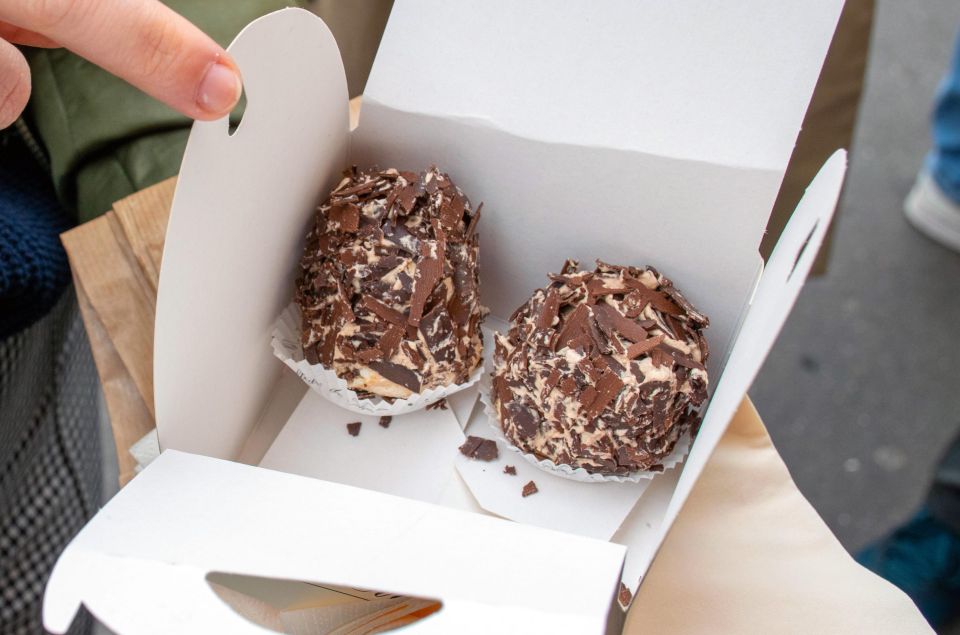
- 9 tastings across classic French pastries and sweet snacks, not just one shop.
- Left Bank focus with a route that ties desserts to places you can easily revisit later.
- Market + pastry stops so you learn both the how and the where of French sweets.
- Chocolate and patisserie heavyweights show up on the list, including Philippe Conticini and La Maison du Chocolat.
- Storytelling that connects flavors to different regions of France through dessert.
- A strong finish at La Grande Épicerie, where you can keep browsing after the last bite.
Starting on Rue Saint-André des Arts: where the tour gets its momentum
Your meeting point is 40 Rue Saint-André des Arts, a smart location if you want an easy start and a classic Paris mood fast. This area is close to the kind of streets where you can pop into small bakeries and feel like you’re moving through neighborhoods, not tourist corridors.
The tour clocks in at 150 minutes and is private, which matters more than it sounds. Private usually means you’re not stuck watching someone else’s pace, and you can ask questions without turning the whole group into a Q&A session. It’s also wheelchair accessible, which is a real plus for a walking food experience.
One practical note: they ask you to meet your guide in front of the bakery and not block the street or shop entrance. That’s the kind of simple etiquette that keeps things smooth for everyone.
You can also read our reviews of more food & drink experiences in Paris

Boulangerie LIBERTÉ and Cour du Commerce Saint-André: the first bites set the tone
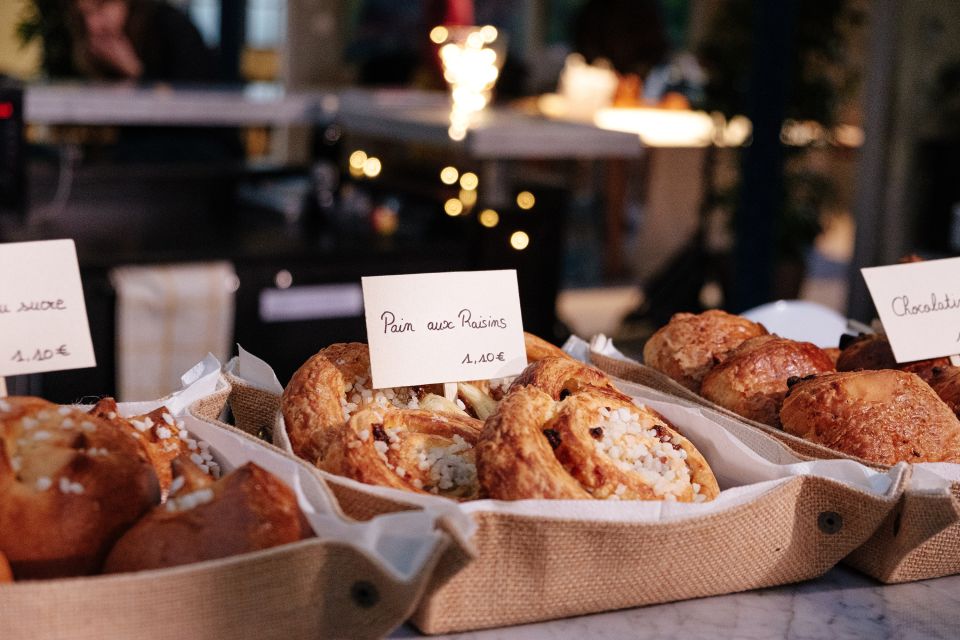
The first stop is Boulangerie LIBERTÉ. You get a tasting here (about 10 minutes), and that matters because it gives you an immediate baseline. Instead of arriving already full of expectations, you start with something concrete: a French bakery rhythm you can recognize, then compare against what comes later.
Next you’ll head to the Cour du Commerce Saint-André for a photo stop and another tasting (around 20 minutes). Courtyards like this are handy on tours for two reasons. First, they give you a breather after walking. Second, they feel like Paris itself—small-scale, lived-in, and a little secret even when you’re standing right in it.
Then you’ll move along Rue de Buci with a short guided walk (about 10 minutes). This isn’t where you’ll suddenly learn a new life philosophy. But it’s a nice way to connect the tastings to the physical streets—so when you’re back on your own later, you’ll know where to wander.
Le Marché Saint-Germain: dessert lessons that start with ingredients
The biggest food-time block happens at Le Marché Saint-Germain. You’ll get a food market visit plus a tasting (about 30 minutes). This is a valuable part of the day because desserts don’t float in a vacuum. They’re built on real supply chains: flour, butter, eggs, fruit, chocolate—plus the seasonal choices that show up in what bakeries stock.
This stop also helps you learn how French sweets vary by style and region. The tour’s concept is clear: you’re exploring France through desserts, not just sampling random items. A market stop makes that idea feel grounded. You get to see how different producers think, even if you’re only there for a short window.
If you love markets, you’ll feel like you’re getting extra value here. If you hate markets, you can still treat this as a structured break—tasting first, then browsing with guidance.
Saint-Sulpice photo break and tasting time: pacing without losing the story
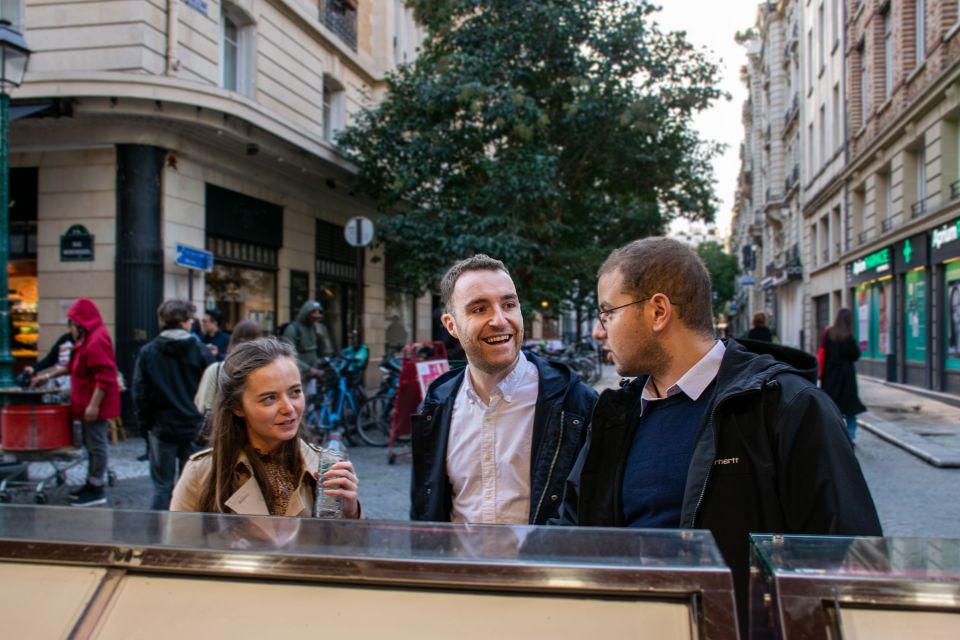
After Saint-Germain, you’ll pause at the Church of Saint-Sulpice. Expect a break time, photo stop, and another tasting (about 30 minutes). For me, this is where a dessert tour earns its keep. Too many food tours cram every minute with food. Here, you get a breather in a major landmark space, which keeps the whole afternoon from turning into sugar haze.
This also gives you a mental reset. Walking between stops is part of the fun, but slowing down at a big church square helps you re-focus on what you’re eating next—like texture, flavor balance, and what makes one pastry different from another.
You’ll still taste something during this stretch, so you’re not just sightseeing. It’s built as a rhythm: eat, walk, look, eat again.
La Maison du Chocolat Sèvres: why chocolate belongs in the middle
Then comes La Maison du Chocolat Sèvres for a tasting (about 20 minutes). Chocolate is a good choice halfway through because it changes the pace. If earlier bites leaned more toward classic pastries, chocolate can feel like a heavier, more deliberate chapter—something you can actually focus on.
One thing I appreciate about having this stop mid-tour is how it helps you gauge sweetness level. By the time you reach a chocolate shop, you’ve already sampled enough to notice how much sugar is too much (for you), and how good chocolate should taste even when it’s rich.
You can also read our reviews of more tours and experiences in Paris


Beaupassage and a guided stroll: turning the route into a souvenir
At Beaupassage, you’ll get a photo stop and a guided tour (about 15 minutes). This is the part where Paris stops being only about food and becomes about places you’ll recognize later.
Passages like this are worth paying attention to because they’re practical souvenirs. You can picture them months later when you’re sorting photos, and you’ll remember how the tour flowed through real streets—not just shop-to-shop.
And yes, it’s still part of a food tour. But it gives you the feeling of moving through a neighborhood, not hopping from one prearranged tasting room to the next.
Philippe Conticini Paris 7ème: the pastry spotlight
Next up is Philippe Conticini Paris 7ème with another food tasting (about 20 minutes). If you care about pastry artistry, this is the moment where the tour starts to feel like a guided look at why French pastries have such devoted fans.
This stop is also one of the best examples of what makes a private guide useful. When someone explains what you’re eating—how it’s built, why it’s shaped a certain way, what to notice—you end up tasting more deeply. Without that, you’re still eating a pastry. With it, you’re learning how to evaluate it.
If you’re the type who wants to take notes so you can repeat the favorites later, this is where you’ll feel most satisfied.
La Grande Épicerie de Paris finale: shop like a local after the last tasting
The tour ends at La Grande Épicerie de Paris, with a visit, shopping time, and a food tasting (about 30 minutes). This finish is smart. You’re not walking out into the afternoon empty-handed and disappointed. You’re stepping into a place that’s designed for browsing, gifts, and repeat purchases.
Also, since this tour includes restaurant recommendations, it’s a good spot to ask your guide what pairs well with your dessert picks. Maybe you want something savory next. Maybe you need ideas for how to turn one pastry into a full mini-meal.
The practical win here is timing. At the end, you can buy what you want while your preferences are still fresh. You’ll remember what tasted best on this exact route.
The tastings: what you’ll actually eat and what to watch for
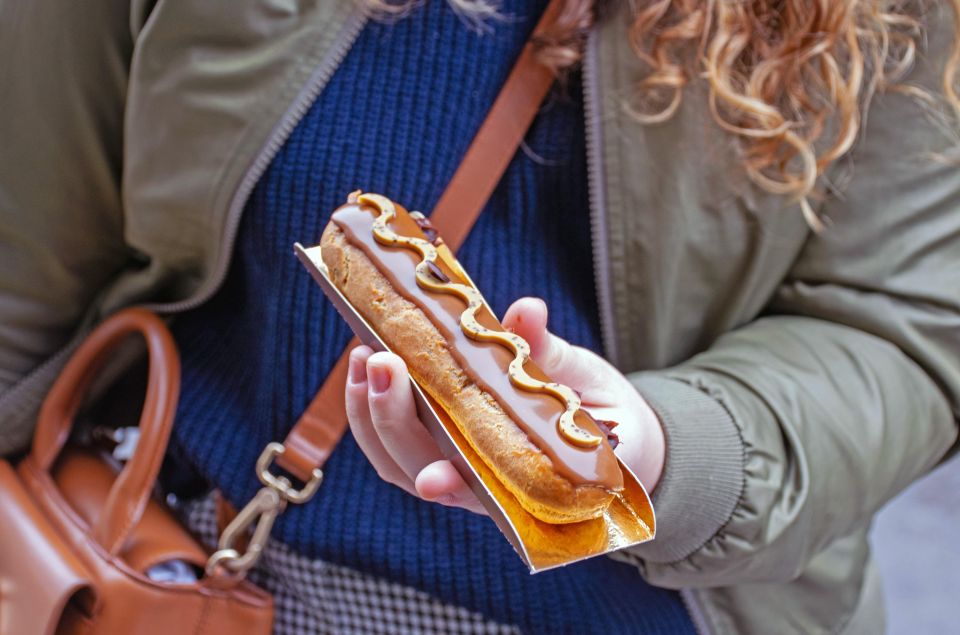
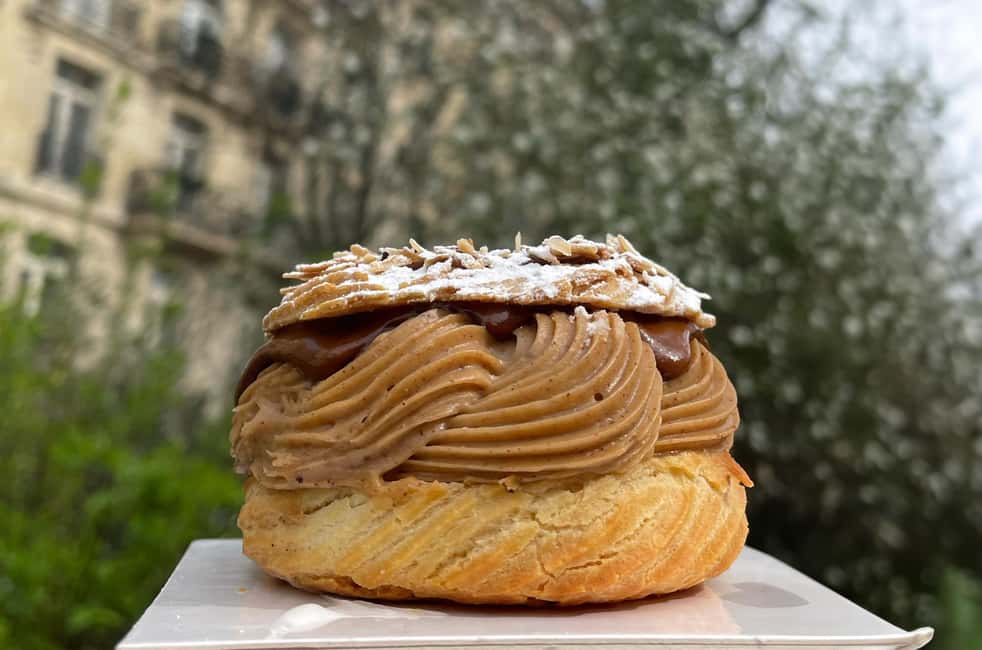
You’ll enjoy 9 sweet food tastings over the course of the experience. The pastry list you can expect includes famous French items such as éclairs, paris-brest, and canéle, plus sweet snacks.
One key limitation: it’s not suitable for vegan or lactose-intolerant travelers, and it’s also not built for people with food allergies. If you have dairy issues, this is a hard stop. Even if you’re flexible with dairy in normal life, the tour is explicitly not designed for that.
What about additional variety? The tour can include savory add-ons in some cases. In past experiences with guides on this team, guests have mentioned being able to add items like quiche and crepes. I’d treat that as a possible extra, not a guaranteed part of every run—what you can count on is the core set of sweet tastings.
Guides, stories, and the art of learning without lectures
A big part of the value here is how the guide turns eating into learning. You’ll get captivating stories and tips for how to navigate the city, plus recommendations for where to go after you leave. That means you’re not just consuming. You’re collecting a mini-game plan for your next day or two.
The tour also aims to teach you about different parts of France through desserts. That’s not just trivia. It helps you understand why two pastries can look similar yet taste totally different—because the style, technique, and regional influences are distinct.
And since you’re with a private group, the guide can adjust the pace so you don’t feel rushed. A private format tends to make the whole experience less stressful, especially if you like asking follow-up questions like what’s best to eat the same day versus later.
Price and value: is $165 a fair deal for nine tastings?
At $165 per person for 150 minutes, you’re paying for more than food. You’re paying for a guided route, a dedicated private setup, and the work of lining up nine tastings plus storytelling and a final shopping stop.
Whether that feels like a bargain depends on what you’d do otherwise:
- If you planned to wander on your own and buy pastries one by one, you’d likely spend a similar amount quickly, and you’d miss the explanations that make each bite meaningful.
- If you’re the type who likes pastry shops but hates decision fatigue, the guide’s selection is the real value. You won’t have to guess what’s worth your money in each case.
One practical tip for making the value feel higher: come hungry but not desperate. You want enough room for tastings, plus you’ll end at La Grande Épicerie where you may want extra items.
Who this tour suits best (and who should skip it)
This is ideal if you:
- Love French pastries and want a structured route with tastings, not guesswork.
- Enjoy learning through food—especially when desserts are tied to regions of France.
- Want a private, paced experience around the Left Bank and landmarks like Saint-Sulpice.
- Appreciate a guide who can tailor the experience when possible (including potential savory add-ons like quiche or crepes).
Skip it if:
- You’re vegan, lactose-intolerant, or need to avoid allergens. This tour is not set up for those needs.
- You only want a quick bite-and-go. This is 150 minutes and designed to be a full afternoon.
Also keep your expectations honest: you’re eating dessert-heavy. The tour includes a bottle of water, which helps, but you’ll still feel the sugar. Plan a lighter dinner.
Should you book this Paris pastry tour?
If you want an efficient way to taste top French desserts while learning what makes each one different, I think this is a strong pick. The private format, the nine tastings, and the way the day ends at La Grande Épicerie create real value, especially if you’re short on time and want a plan you can trust.
But don’t book if dairy is off-limits for you or if you have allergies. For everyone else, it’s an enjoyable way to turn a sweet tooth into an actual Paris itinerary you can remember.
FAQ
How long is the Paris Private Pastry Food Tour?
The tour lasts 150 minutes.
How many tastings are included?
You’ll have 9 sweet food tastings.
Where does the tour start and end?
The meeting point is 40 Rue Saint-André des Arts. The tour ends at La Grande Épicerie de Paris.
What is the price per person?
The price is $165 per person.
What languages are available for the live guide?
The live tour guide offers English and Spanish.
Is this tour private?
Yes, it’s listed as a private group experience.
Is the tour suitable for vegans or lactose-intolerant travelers?
No. It’s not suitable for vegan or lactose-intolerant travelers.
Is it suitable for people with food allergies?
No. It’s listed as not suitable for people with food allergies.
What’s the cancellation policy?
You can cancel up to 24 hours in advance for a full refund.