REVIEW · PARIS
Paris: Paris Zoological Park Entrance Ticket
Book on GetYourGuide →Operated by Distributor: GetYourGuide Tours & Tickets GmbH · Bookable on GetYourGuide
Five biozones, zero jet lag.
Paris Zoological Park (the former Bois de Vincennes Zoo) turns one outing into a tour of the world, with animals grouped by biozones and a refurbishment that refreshed the grounds. After the upgrade work, the park’s layout makes it easy to keep moving and still feel like you’re stepping into different ecosystems.
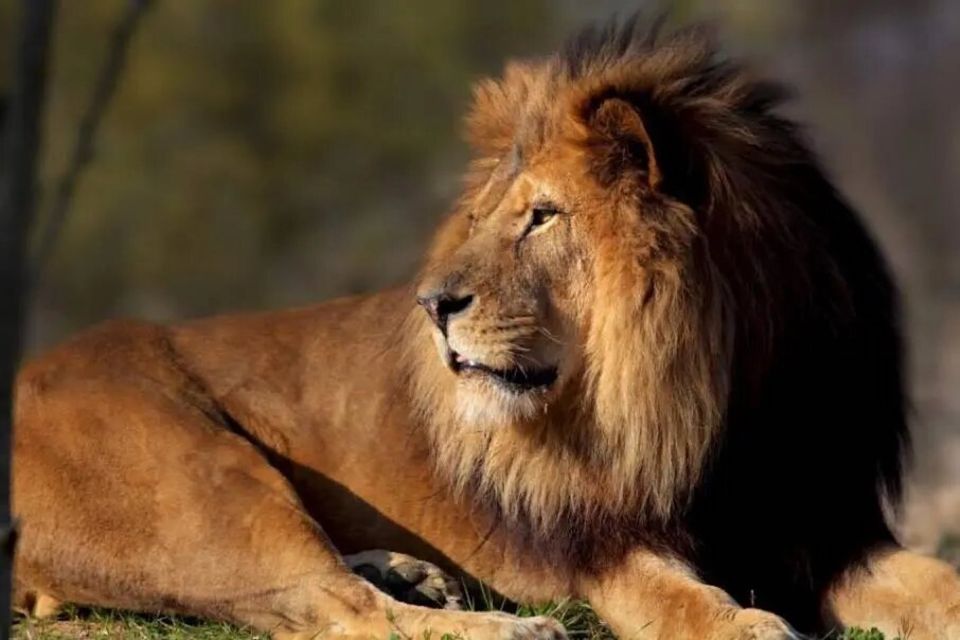
What I love most is how quickly you get real animal time. The African zone gives classic thrills like lions, giraffes, and zebras, and you can usually watch the action without feeling rushed. I also really liked the way the park stages its far-flung habitats: the rainforest-style areas can include caimans, sloths, and anacondas, and you’ll find other big surprises too like jaguars, macaws, and more.
One drawback to keep in mind: on occasion, there may be photo shoots going on inside the enclosures, which can get in the way if you’re trying to film or watch in peace.
In This Review
- Key things to know before you go
- Paris Zoological Park: A Five-Biozone World Off Avenue Daumesnil
- Refreshed Zoo Grounds + Easy Walking That Works in City Heat
- African Zone: Lions, Giraffes, Zebras, and the Classic Zoo Feeling
- Europe and Madagascar: Wolves, Lynxes, Otters, and the Joy of Moving On
- Amazon and Patagonia: Reptile-Heavy Surprises Plus Penguins and Pumas
- Bird Walk-Through, Sea Lion Displays, and the Small-Animal Stops
- How Long Should You Spend: 3–4 Hours or a Full Day?
- Tickets, Price, and Value: Is $25 Worth It?
- Food, What to Bring, and Small Practical Notes
- Should You Book Paris Zoological Park?
- FAQ
- Where is Paris Zoological Park located?
- What’s included with the ticket?
- Are food and drinks included?
- What time should I plan to arrive?
- How long should I spend at the zoo?
- What animals can I expect to see in the African zone?
- Is the zoo wheelchair accessible?
Key things to know before you go
- Five biozones across multiple continents: Africa, Europe, Madagascar, Patagonia, and the Amazon
- A family-friendly mix of sizes, from lions and giraffes down to frogs, lizards, snakes, tarantulas, and fish
- Refurbished for the long haul, after a two-year upgrade to refresh enclosures and visitor flow
- Plan for a real visit: 3–4 hours is a common minimum, and a full day works if you love lingering
- Photo and viewing logistics vary: sometimes photo shoots happen near animal areas
Paris Zoological Park: A Five-Biozone World Off Avenue Daumesnil
Paris Zoological Park sits at the intersection of Avenue Daumesnil and Ceinture du Lac, 75012 Paris. That matters because you’re not spending half your day commuting—you’re staying in the city, but switching gears from museums and cafés to something hands-on.
The park is organized into five biozones, and the idea is simple: as you walk, you move from one region of the world to another. You’ll go from Europe to Madagascar, from Africa to Patagonia and the Amazon—so even if you’ve been to a zoo before, the routing keeps it from feeling repetitive.
If you like planning, set a basic route in your mind: do the continent highlights first, then use the rest of your time for the smaller exhibits and animal-feed moments. That approach keeps you from power-walking the whole place and missing the detail stops like reptiles and small mammals.
You can also read our reviews of more tours and experiences in Paris


Refreshed Zoo Grounds + Easy Walking That Works in City Heat
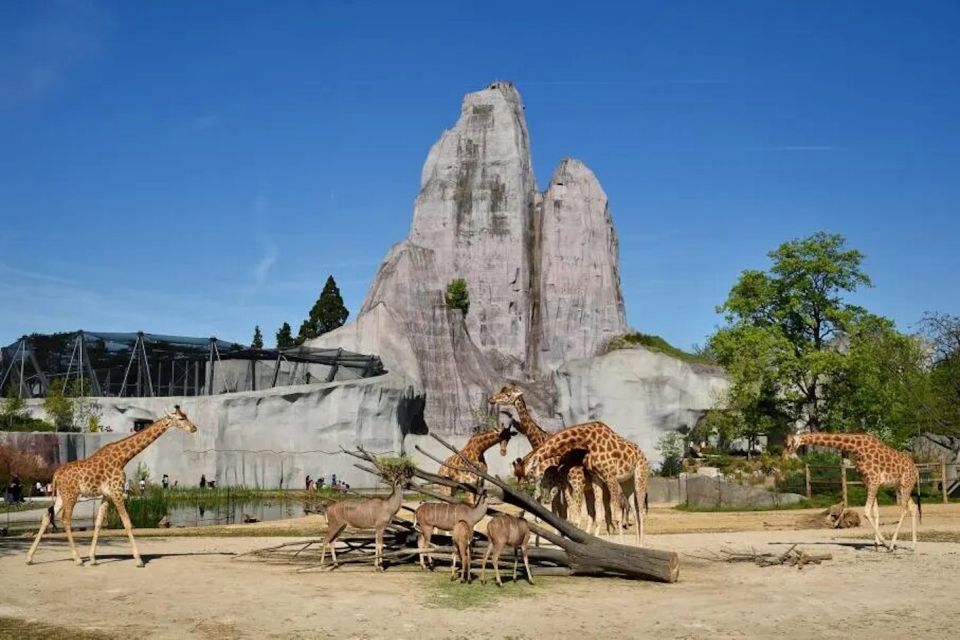
This park underwent two years of refurbishment (completed in 2014), and you can feel the upgrades in how the grounds support visitors. Many people find the zoo clean, well signposted, and not overly chaotic, which is a big deal in a busy city.
One of the most practical wins is how it handles comfort. You can find benches in lots of spots, including shaded areas, and that helps when you’re visiting in warmer weather. I also like that the park feels manageable: it’s not trying to be a giant theme park where you’re exhausted from the walk before you even see the animals.
Logistics are built for smoother entry too. Your ticket includes skip-the-line access through a separate entrance, which helps when you’re arriving with kids or limited time.
Quick timing note: last admission is 1 hour before closing, and ticket offices close 1 hour before the park closes. I’d build your day so you’re already inside well before that last window.
African Zone: Lions, Giraffes, Zebras, and the Classic Zoo Feeling
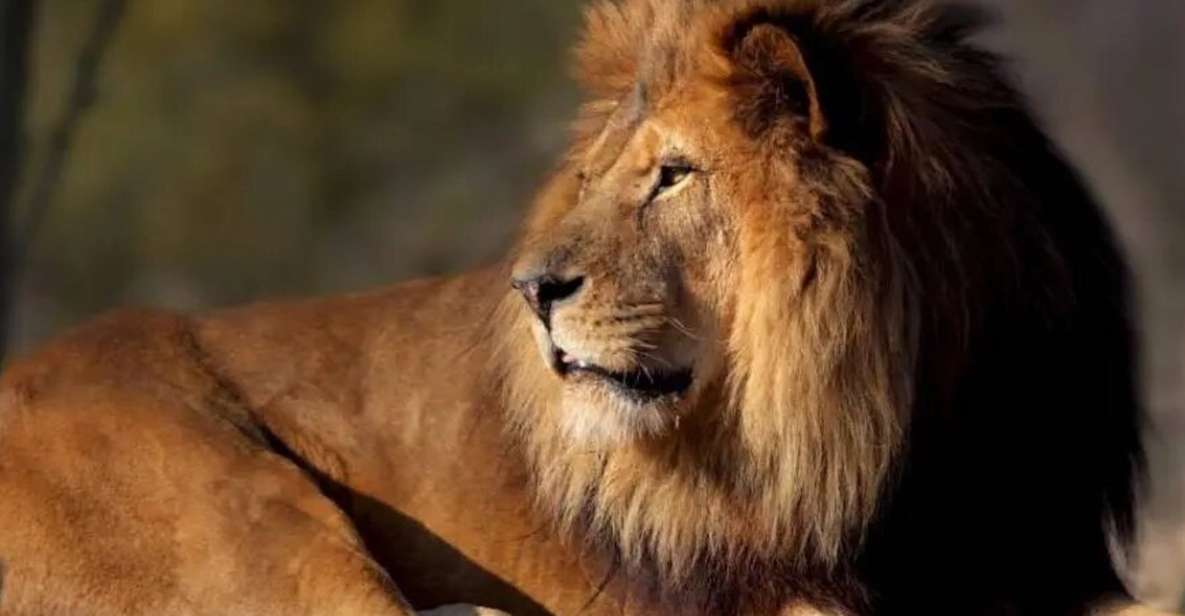
The African zone is the section you’ll want early if you’re traveling with kids or anyone who just wants the headline animals first. This zone includes lions, giraffes, zebras, and more—so it scratches that instant-connection itch.
Why it works so well: it’s familiar enough to hook first-timers, but you still get variety in animal sizes and behaviors. Big cats and grazers tend to move differently, so your viewing time feels active instead of waiting for one animal to perform.
If you’re photographing, keep a simple routine. Find your best sightline, take a few shots, then give yourself permission to step back and just watch for a while. Even when you miss a moment, you usually still get plenty of animal time because the enclosures are designed for ongoing viewing.
Europe and Madagascar: Wolves, Lynxes, Otters, and the Joy of Moving On
In the Europe biozone, you’ll see animals like wolves, lynxes, and otters. This is a fun change of pace from the big African megafauna, because these animals tend to feel more surprising in an urban setting. It also gives you a chance to slow down and notice details, like how aquatic or forest-edge animals use space.
The park also includes a Madagascar biozone. The exact species list beyond what’s already listed isn’t provided here, so I’d treat Madagascar as a wildcard you discover on arrival.
My practical advice: don’t rush Europe and Madagascar. After the big mammals, this is where you can enjoy the smaller wildlife and the different enclosure styles without feeling like you’re sprinting to the next must-see.
Amazon and Patagonia: Reptile-Heavy Surprises Plus Penguins and Pumas
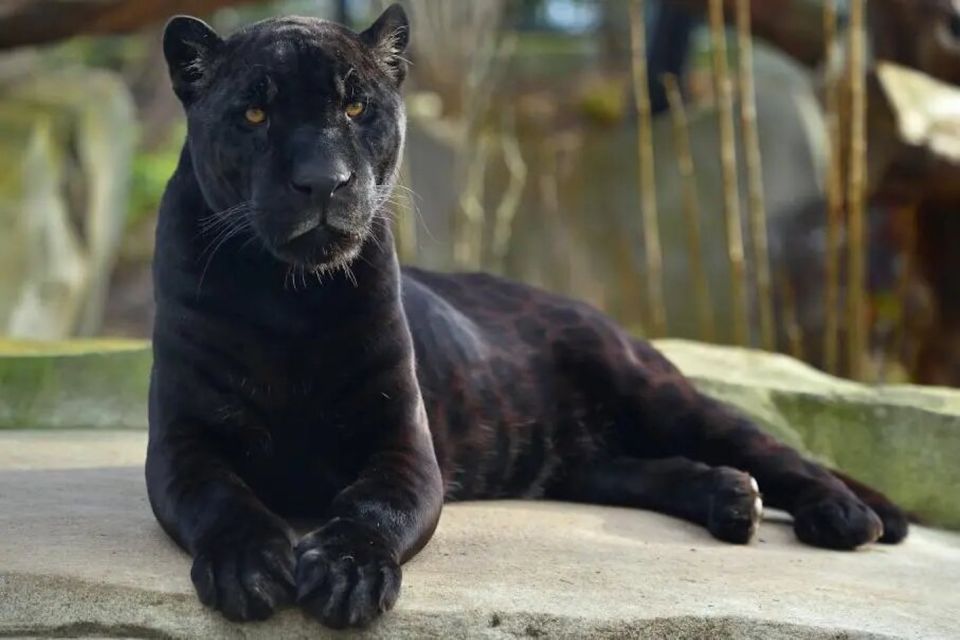
The Amazon zone is where the park turns more experimental. You can expect animals including jaguars, monkeys, and macaws, and the rainforest-style areas may include caimans, sloths, and anacondas. That combination is exactly why a city zoo can still feel like a world trip.
Patagonia adds a cool-weather vibe to the route, and you’ll find penguins, pumas, and pudus. Pudu sightings are a special kind of thrill because they’re small and unusual, and that makes the Patagonia section feel different even if you came for big animals.
Here’s how I’d plan your viewing order:
- Do Amazon-style zones earlier if you want more energy for walking and looking closely.
- Save Patagonia for later if you prefer a calmer pace and a change of mood.
If heat is a factor, remember you can use breaks strategically. People note there’s shade, and that helps you keep going without feeling worn out too fast.




Bird Walk-Through, Sea Lion Displays, and the Small-Animal Stops
A zoo shouldn’t be only about the big mammals, and this one isn’t. Across the park you’ll also find birds, plus reptiles and amphibians like lizards and snakes, tarantulas, frogs, and even fish.
One of the most enjoyable ways to experience the variety is to mix in different exhibit types during your walk. For example, the park includes a bird walk-through, which people found memorable, and there’s also a sea lion display that comes up as a standout moment.
Small-animal viewing is often what makes the visit feel complete. You’ll see more than the headline list, and you get to compare how different animals live—some thrive in open viewing spaces, while others do their best work with a slower pace and a longer look.
How Long Should You Spend: 3–4 Hours or a Full Day?
I’d plan at least 3–4 hours if you want a real visit without constantly checking your watch. That’s a common recommendation, and it gives you enough time to see most of the biozones and still stop for resting.
If you love animals, you’ll likely want more. People also describe spending the whole day, and the extra time makes sense because the park isn’t just one straight hallway—it’s multiple habitats, plus birds and smaller exhibits you may want to linger over.
A simple strategy works well:
- Do the major biozones first (Africa and Amazon often take the longest).
- Then loop back for the smaller animals and any displays you want to catch again.
Also, because last admission is 1 hour before closing, leaving it too late can cut the visit short. You don’t want to arrive near the final hour and have to choose between sections.
Tickets, Price, and Value: Is $25 Worth It?
At about $25 per person for the entrance ticket, this is priced like a sensible day activity—especially in a city where many attractions cost more for less time outside.
The value comes from three things:
- Range and variety: big animals like lions and giraffes, plus reptiles and small wildlife.
- Biozone routing: you’re not just seeing the same type of enclosure over and over.
- Refurbished facilities and easy entry: skip-the-line access and an easier flow make the ticket feel efficient.
Food and drinks are not included, so build that into your budget. Some visitors note that lunch options can be overpriced, and a few mention quality issues at the café. That doesn’t ruin the day, but it’s a reason to either plan for a simple meal or bring snacks if that fits your style.
If you’re comparing options, I’d think of this ticket as a half-day to full-day nature break that still fits inside a Paris itinerary. When you’re already walking the city, that matters.
Food, What to Bring, and Small Practical Notes
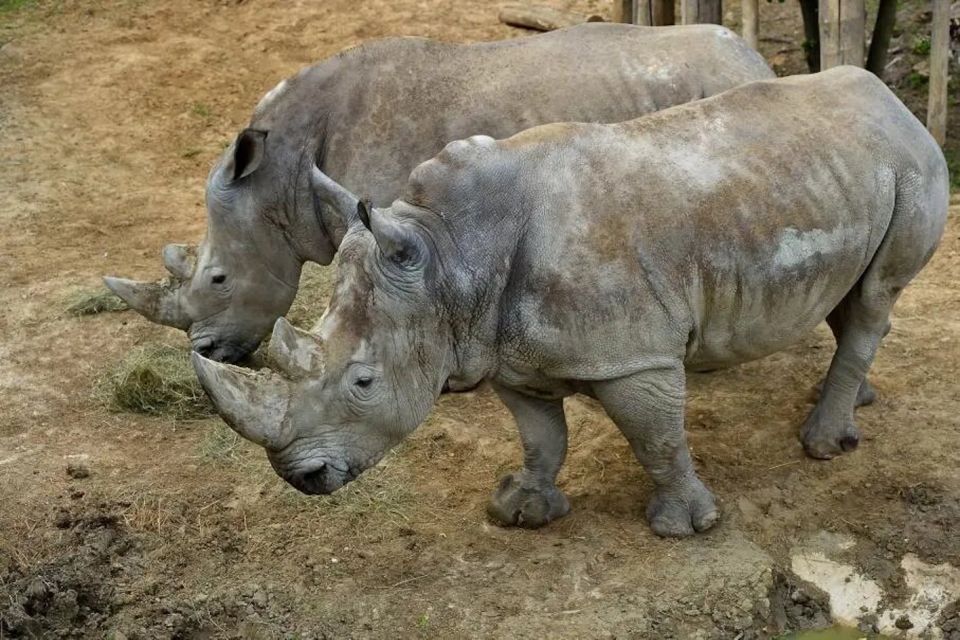
You’ll want to bring a camera—it’s specifically listed as what to bring, and with so many different animals and zones, you’ll probably want to capture moments beyond just the classic mammals.
Food-wise, you’re responsible for snacks and meals. The café gets mixed notes: some people appreciate lunch options, while others say prices are high for what you get. If you’re picky or traveling with kids who need predictable meals, plan ahead so nobody gets cranky mid-walk.
There are also comfort details worth knowing. People mention there are plenty of benches and shaded spots, which makes it easier to pace yourself. On the other hand, one visitor noted that not every toilet near the main entrance has a seat, so if that matters to you, it’s worth planning for alternatives.
Finally, a heads-up if you use ride-hailing. One note suggests that the pickup location code can route you down the wrong stretch, so it helps to use the park name clearly in your map app or ask the driver for the exact park entrance.
Should You Book Paris Zoological Park?
Book it if you want a family-friendly, city-based animal day with real variety across continents. The biozone design helps you see more than one type of habitat without getting bored, and the refurbishments make the experience smoother.
I’d skip or double-check your expectations if your must-see list is very specific. For example, at least one visitor said they would have liked to see elephants, and you shouldn’t assume every iconic species is part of the collection.
Also consider your style: if you’re sensitive to filming or want uninterrupted viewing, go earlier in the day so you’re more likely to avoid time windows when photo shoots happen.
If your goal is a low-stress break from Paris sightseeing that still feels like an adventure, this ticket is a strong choice.
FAQ
Where is Paris Zoological Park located?
It’s located at the intersection of Avenue Daumesnil and Ceinture du Lac, 75012 Paris.
What’s included with the ticket?
The entrance ticket is included.
Are food and drinks included?
No, food and drinks are not included.
What time should I plan to arrive?
Last admission is 1 hour before the park closes. Ticket offices close 1 hour before closing as well.
How long should I spend at the zoo?
Many people recommend at least 3–4 hours, and you can easily spend a full day if you like to linger.
What animals can I expect to see in the African zone?
The African zone includes lions, giraffes, and zebras.
Is the zoo wheelchair accessible?
Yes, the park is wheelchair accessible.