REVIEW · PARIS
Paris: Musée d’Orsay Walking Tour With Reserved Access
Book on GetYourGuide →Operated by Get Paris Tours · Bookable on GetYourGuide
A station turned art palace has a trick. This Musée d’Orsay walking tour with reserved access mixes a smart outside orientation with time inside the museum for Impressionist and Post‑Impressionist art.
I like that it keeps the focus on what matters: the museum’s setting, the building itself, and a clear plan for how you’ll spend your time once you’re through the door. The group is small, limited to 8 participants, so your questions don’t get swallowed by a crowd.
Two things I genuinely like: the emphasis on Beaux-Arts architecture and the practical help you get before you step inside, plus access to both the permanent and temporary collections. You’ll also have an audio guide to shape your visit without locking you into a rigid route.
One consideration: the guide gives a briefing outside and then you go in on your own. And because the experience relies on “reserved” ticket handling, you should pay close attention to whether you’re given the right timed entry or the right entrance when you arrive.
In This Review
- Key takeaways before you go
- What This Orsay Tour Actually Includes (and What It Doesn’t)
- Orsay’s Beaux-Arts Building: Why the Outside Part Matters
- From Outside Briefing to Your Own Museum Time
- Reserved Access and the Real World: Avoiding Entrance Confusion
- Inside Orsay: What to Prioritize with Audio Guide Time
- Price and Value: Is $49 Worth It?
- The Pace, the Group Size, and Who This Tour Suits
- Logistics That Matter: What to Bring and Know
- Should You Book This Orsay Reserved-Entry Tour?
- FAQ
- FAQ
- How long is the Musée d’Orsay walking tour?
- What’s the main focus of the tour?
- Is there an inside guide included?
- Do you get access to both permanent and temporary collections?
- Is audio included?
- Is transportation included?
- Is the tour suitable for mobility impairments?
- What should I bring?
Key takeaways before you go

- 30 minutes of outside orientation helps you understand what you’re looking at before you walk into the galleries
- Small group (up to 8) keeps the pace relaxed and questions answerable
- Permanent + temporary access means you’re not stuck only on the famous highlights
- Audio guide included gives you structure for a self-paced visit
- No inside guide: after the tickets, you’re basically doing Orsay your way
What This Orsay Tour Actually Includes (and What It Doesn’t)
This is a walking tour focused on the museum’s front story, then a self-guided museum experience. You’re paying for three concrete things: reserved entry, access to the permanent and temporary collections, and an audio guide. The exterior guidance is real value because it gives you context on the museum’s origins and transformation.
What you’re not paying for is a full “sit with me in every gallery” inside tour. There’s no inside guide included. The host or greeter (English-speaking) does a short briefing outside, hands over your entry tickets, and then steps away while you explore on your own.
That trade-off can be perfect if you like museums but hate being herded. Or it can be frustrating if you wanted an expert to point things out step-by-step inside. If you fall into the second group, plan your day so you can still make the museum work without a live guide.
You can also read our reviews of more walking tours in Paris



Orsay’s Beaux-Arts Building: Why the Outside Part Matters
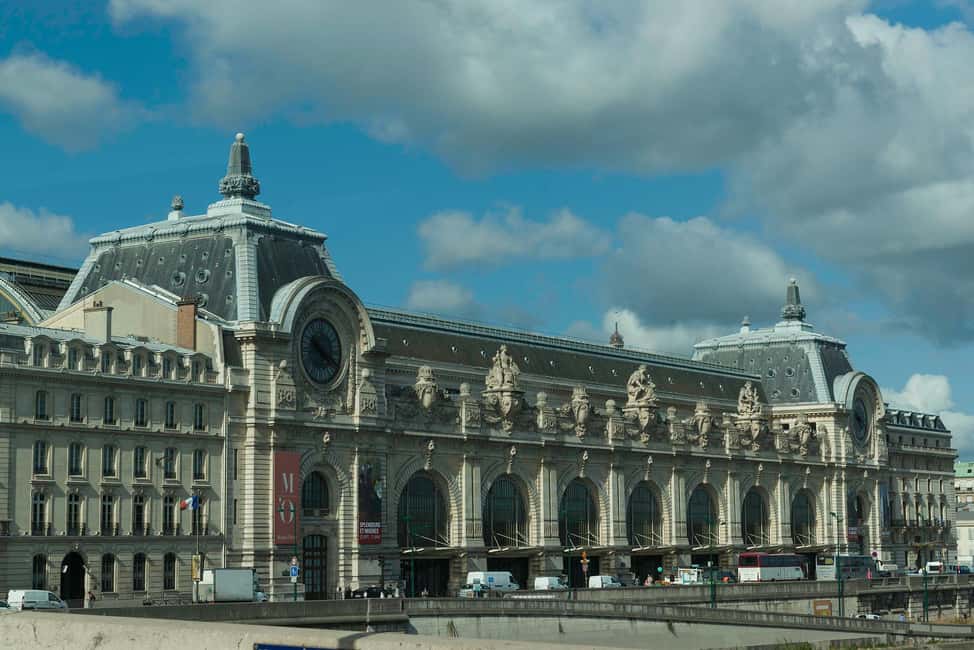
The Musée d’Orsay isn’t just a container for paintings. It’s a former railway station turned cultural landmark, and the building’s Beaux‑Arts look is part of the experience. On this tour, you start with the outside exploration, so you’re not walking into the museum blind.
You’ll get help connecting the dots between what Paris did with architecture and how that shaped what you’re going to see inside. Expect stories about the museum’s transformation and what makes the facade such a recognizable part of the cityscape. This matters because Orsay’s art is 19th and early 20th century, and the building itself belongs to that same “grand public culture” idea.
I also like that the orientation sets expectations for the kind of museum you’re walking into. Instead of treating Orsay like a random list of masterpieces, you’re seeing it as a deliberate Paris institution with a history you can read on the outside first. It’s a small step that makes the interior feel more meaningful.
From Outside Briefing to Your Own Museum Time
Plan on the tour rhythm being simple. You’ll start with a ~30-minute briefing outside, then you’ll receive entry tickets and head in. After that, it’s self-guided time with your audio guide and your own pace.
That structure affects how you should prepare mentally. You’re not getting a full guided “course” inside, so you’ll want to have a loose game plan. I recommend deciding up front what you want most: the Impressionist and Post‑Impressionist masterpieces, the sculpture and decorative arts, or the temporary exhibition.
The good news is that you’re allowed to pick. You have access to both permanent and temporary collections, so you can spend extra time where your interests pull you. The not-so-good news is that you’ll have to do the navigation yourself. Orsay is popular, so you’ll want comfortable shoes and enough time to wander without feeling rushed.
Reserved Access and the Real World: Avoiding Entrance Confusion
The headline benefit is reserved entry and skip-the-ticket-line style access. But the fine print of real life is this: reserved access can still mean you need to line up for the correct door and the correct check-in process.
Some guests have run into a mismatch between what their ticket says and where they were directed to enter, which led to extra waiting. The lesson is straightforward. When you receive your entry tickets, double-check the timed entry type and the entrance information. If something doesn’t look like it matches what you were expecting, ask immediately before you commit to a line.
Also, don’t assume reserved entry makes you instantly frictionless. If Orsay is busy, you may still face a queue while staff verify your ticket details. You’re buying access and guidance, not invisibility.
Inside Orsay: What to Prioritize with Audio Guide Time
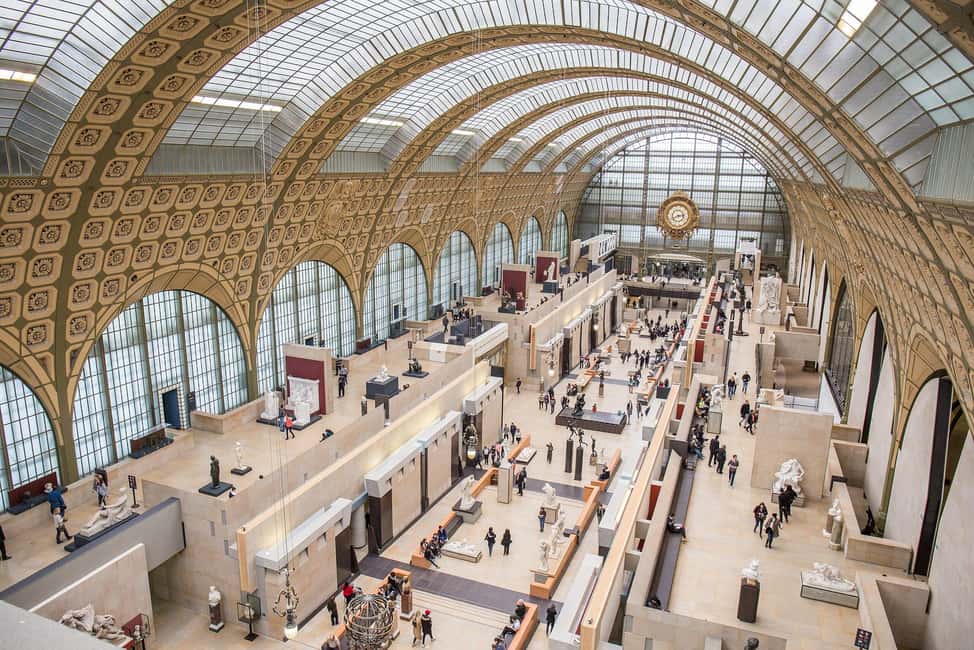
Once you’re inside, you have access to the permanent collections and the temporary collections, plus an audio guide. Since you’re going without an inside guide, the audio guide becomes your best friend for turning visual impressions into context.
Here’s a practical approach that works well for first-timers:
- Start with the Impressionist and Post‑Impressionist highlights, so you get oriented to the “voice” of the museum quickly.
- Next, look for sculpture and decorative arts. Those pieces help you understand the broader 19th and early 20th century taste, not just painting.
- If you still have energy, add the temporary exhibition. Temporary shows can change your visit from a repeatable museum routine into a “this trip is special” moment.
Because you have both permanent and temporary access, you can adapt if one area is too crowded. Use the audio guide to keep you moving, but don’t feel chained to it. The goal is to enjoy what you’re seeing, not complete a checklist.






Price and Value: Is $49 Worth It?
At $49 per person for 2 hours to 150 minutes, you’re paying for a bundle: reserved access, a guided orientation outside, and an audio guide. You’re not paying for a private guided tour through every gallery, because the inside guide isn’t included.
So the value depends on how you travel:
- If you like museum time that you control, and you can appreciate having context first and then exploring, this price can feel fair.
- If you expect the reserved ticket to guarantee a zero-wait, never-mind-the-entrance experience, you may feel disappointed when lines still happen or when ticket details and entrance routes don’t line up cleanly.
The best way to protect your value is to treat this as a “head start plus audio” plan. Get there with your ID ready, verify your ticket details early, and use that inside freedom to focus on what you actually came for.
The Pace, the Group Size, and Who This Tour Suits
This is a small group: limited to 8 participants. That size matters. It usually means your questions can get answered during the outside briefing, and you’re less likely to feel lost in a herd.
The pace is designed for a 2-hour window. Outside orientation, ticket handoff, then your own exploration. In other words: it’s not built for slow-motion gallery wandering or for rushing straight to the famous rooms without breathing room.
This tour is a strong fit for:
- art lovers who want Impressionist art context but prefer self-paced museum time
- first-timers who like a museum intro that helps you interpret what you see
- visitors comfortable managing museum navigation on their own
It’s a weaker fit if you want a true inside guided experience with commentary in every room. The tour won’t supply that, since the guide won’t join you inside.
Logistics That Matter: What to Bring and Know
Bring passport or ID card, plus comfortable shoes. The tour is built around walking and standing during the outside orientation and entry process.
Comfort matters because you’ll be moving from outside briefing into the museum, then exploring for the rest of your visit on your own. Comfortable clothes also help you stay present and not focused on how long you’ve been standing.
A few things to keep in mind:
- You’ll be in a museum environment with rules like no pets and no alcohol or drugs.
- The host provides a 30-minute briefing outside, then hands off entry tickets. The guide does not go inside with you.
If you have mobility concerns, note that this experience is not suitable for people with mobility impairments. That’s important for your planning because the tour relies on walking and navigating museum spaces.
Should You Book This Orsay Reserved-Entry Tour?
If you want a practical start to your Orsay visit, I’d consider booking it. The outside orientation plus reserved access and an audio guide can turn a busy museum day into something calmer and more understandable. And the building itself, with its Beaux-Arts character and former railway story, is worth seeing with context before you step into the galleries.
I’d hold off if your main priority is an inside, hands-on expert guided experience. This tour’s value is front-loaded: context outside, then self-guided time inside. Also, be strict about ticket details and entrance instructions. If reserved entry feels like it’s supposed to eliminate line trouble completely, you’ll want to lower expectations and plan for the possibility of some queue time.
Book it when you want: a guided intro, reserved entry, audio help, and freedom inside. Skip it when you want a full guided walkthrough from door to door.
FAQ
FAQ
How long is the Musée d’Orsay walking tour?
The duration is listed as 2 hours to 150 minutes, depending on the starting time.
What’s the main focus of the tour?
You get an outside walking introduction to the museum’s history and Beaux-Arts architecture, then you enter to explore the permanent and temporary collections on your own.
Is there an inside guide included?
No. The guide provides a briefing outside, then gives you entry tickets. You explore inside by yourself using the included audio guide.
Do you get access to both permanent and temporary collections?
Yes. Access to the permanent collections and the temporary collections is included.
Is audio included?
Yes. An audio guide is included.
Is transportation included?
No. Transportation is not included.
Is the tour suitable for mobility impairments?
No. It is not suitable for people with mobility impairments.
What should I bring?
Bring a passport or ID card and wear comfortable shoes and clothes.