REVIEW · PARIS
Paris: Macaron Baking Class in Central Paris
Book on GetYourGuide →Operated by Studio Pâtisserie · Bookable on GetYourGuide
Macarons start with science, then end in pride. This hands-on class in central Paris teaches you how shells and fillings come together in a small group of up to 10, plus you’ll taste what you bake.
I love the way the instructor focuses on process, not just vibes. You get practice with the key steps like mixing batter and piping the rounds, and you’ll leave with a take-home recipe and macarons you made yourself for day-after snacking.
The main catch is dietary fit. This isn’t suitable for nut allergies and it’s also not a good match for vegans, plus children under 12 aren’t recommended.
In This Review
- Key highlights worth your time
- Why this central Paris macaron class feels like a mini lab
- Studio Pâtisserie and the grey storefront meeting point
- The history and ingredient talk that actually improves your macarons
- Shells: mixing, piping, and the texture cues that make or break it
- Fillings and sandwiching: building the perfect bite
- Baking results and the moment you finally see progress
- What you take home: recipe plus macarons for days
- Price and value: what $122 buys you in real terms
- Who should book this macaron class in Paris
- Should you book this Paris macaron baking class or skip it?
- FAQ
- FAQ
- How long is the Paris macaron baking class?
- What is the group size?
- Is the class taught in English?
- What do I take home after the class?
- Where do I meet the instructor?
- Is this class suitable for children?
- Are vegan options available?
- Is it safe if I have a nut allergy?
- What should I wear or bring?
Key highlights worth your time
- Small-group format (max 10) means you get real coaching while you’re hands-on.
- Hands-on piping and sandwiching, not just watching macarons happen.
- Macaron science explained in plain terms, including how to get the right shell texture.
- You taste your batch right after baking, so you learn by seeing results.
- You take home a recipe plus enough macarons to keep the bragging going.
Why this central Paris macaron class feels like a mini lab
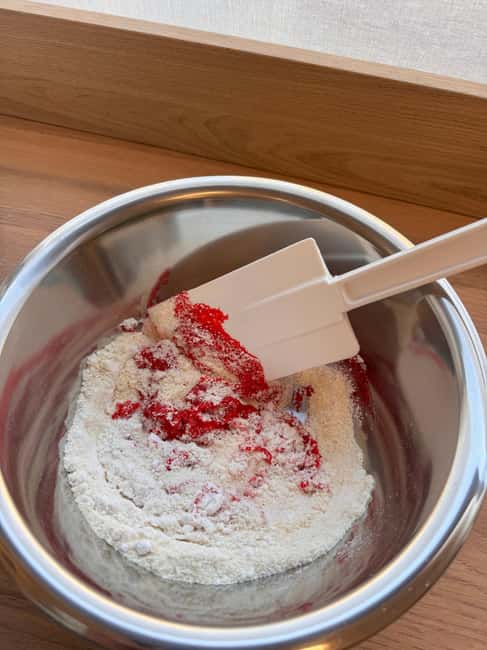
If you like food that looks fancy but rewards method, you’ll enjoy this. Macarons are basically a controlled experiment: whipped whites, almond-based batter, drying time, heat, and then patience. In a well-run class, it stops feeling mysterious and starts feeling doable.
The best part is the hands-on pace. You’re not just learning how macarons work in theory; you’re practicing the steps that make the difference between flat rounds and that classic “feet” and clean bite. You’ll also get that rare travel win: you leave with something edible that you made in the city, not just photos.
I also like that the class treats accuracy like a skill you can learn. The instructor’s job is to help you correct small things in real time, whether that means mixing technique, consistency, or when to pipe and how to handle the tray. That’s why the class lands for beginners and for people who’ve tried at home and want better results.
One more reason this works in Paris: it’s a compact activity that fits a normal day. It’s 150 minutes, so you’re not sacrificing half a vacation, and you can plan the rest of your afternoon or evening around it.
You can also read our reviews of more cooking classes in Paris
Studio Pâtisserie and the grey storefront meeting point
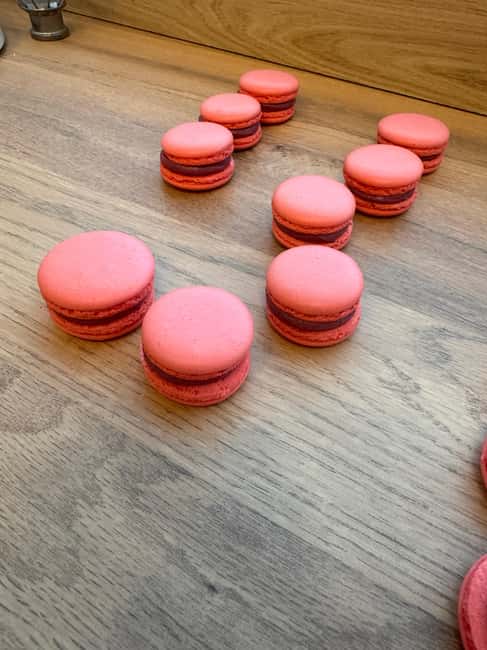
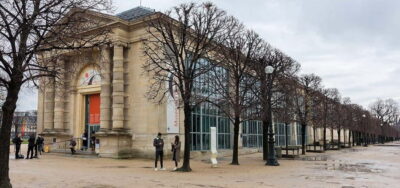
This experience runs through Studio Pâtisserie, and you’ll meet at a grey-colored store front on the main road. It’s the kind of meeting point that’s easy to miss if you’re rushing, so I suggest arriving a few minutes early and double-checking the storefront color before you step inside.
The studio setup matters more than people think for baking classes. From what you can expect in this kind of space, you’ll want clear work stations, clean surfaces, and everything measured and arranged so you’re not hunting for tools mid-mix. The class is designed around guided production, so you’re working at stations that keep the group from feeling cramped.
Also, the instruction language is English. That sounds basic, but it changes the whole experience. When you’re learning timing and texture cues, small wording differences matter. English helps you keep up with the “why” behind each step, not just the “do this.”
If you’re the type who likes to share your trip, the instructor can help with photos or short videos for your content. Not every class does that, and it’s a nice touch when you want to remember the moment you finally got the batter right.
The history and ingredient talk that actually improves your macarons
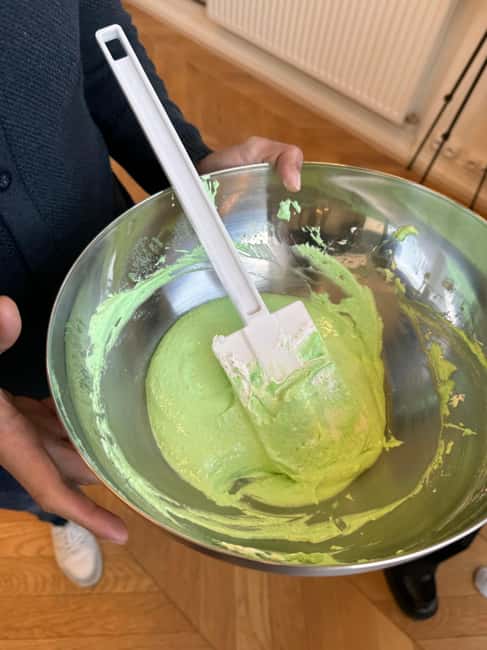
Before you start piping, you’ll get an introduction to the story and artistry of macarons, plus the role of the ingredients. This part isn’t there to fill time. It’s your shortcut to better baking because you learn what each component is doing.
Here’s the practical angle: macarons depend on consistency. That’s true for the shell, but it also affects how the filling tastes when the two halves are sandwiched. When the instructor explains what’s happening as you mix and rest the batter, you’re less likely to panic when things look different than you expected.
You’ll also learn the origins and cultural significance of these iconic treats as part of the briefing. It makes the class feel more tied to Paris than a generic cookie workshop. Then the instructor pivots back to the kitchen with a plan: shells first, then filling, then assembling.
One tip from how classes like this tend to run: listen for texture cues and timing. The “look” of macaron batter and shell formation is easy to oversimplify, so the instructor will likely point out what to watch for as you move through steps. If you can catch those cues, you can reproduce the results at home later.
Shells: mixing, piping, and the texture cues that make or break it
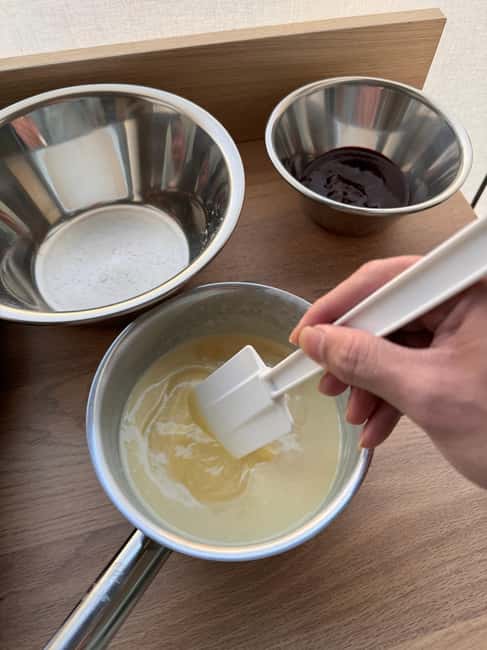
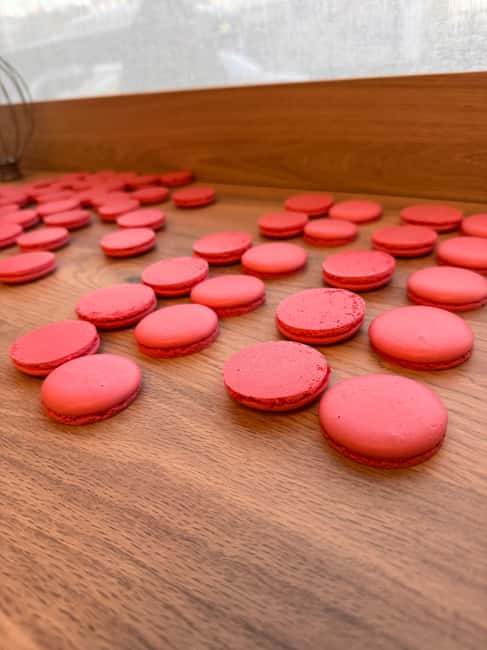
This is where the class becomes real. The shells are the challenge: you need the right batter flow, the right consistency, and the right moment to pipe onto the tray. Then you need the shells to bake with enough structure to set, while still staying tender inside.
You’ll work through making macaron shells with the help of your instructor. That typically means:
- getting the batter to the correct thickness and sheen
- piping uniform rounds so they bake evenly
- learning how to troubleshoot issues early instead of after the oven
What I like about this class structure is that it reduces the biggest beginner mistake: guessing. Instead of telling you to follow a recipe like a robot, you learn what “correct” looks and feels like at each stage. That makes your first batch less like trial-and-error and more like guided problem-solving.
You’ll also work with fillings as part of the hands-on portion, but the shell is the foundation. If you nail the shell consistency and piping, the final result feels like instant proof that the method works.
Also, it’s a small group. With up to 10 people, you don’t get ignored while your batter sits too long or while your piping needs adjustment. That’s the difference between leaving with a few “okay-ish” macarons and leaving with macarons you’re proud to show.
Fillings and sandwiching: building the perfect bite
Once the shells are baked and ready, it’s time to make the macarons into actual macarons. That means prepping the filling and assembling each sandwich with a careful amount.
In class, this step matters because it teaches you how the flavor lands with the shell texture. Too much filling can make macarons slide or feel heavy. Too little and you lose that signature balanced bite. The instructor helps you understand portioning so the final cookie isn’t just pretty, it’s satisfying.
Flavor choices can vary by class. One participant noted a lineup that leaned adventurous, including chocolate plus other less standard flavors like black currant and passionfruit. If you have strong preferences, keep an open mind when you book. You’ll still learn core technique that works for mainstream flavors too, even if your batch doesn’t match every home fantasy.
Assembling also teaches patience. The shell might be tempting to eat immediately, but classic macaron texture improves after resting and filling. That’s part of the lesson: technique isn’t only about the oven; it’s also about letting the components do their thing.
You can also read our reviews of more tours and experiences in Paris

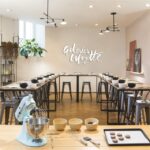

Baking results and the moment you finally see progress
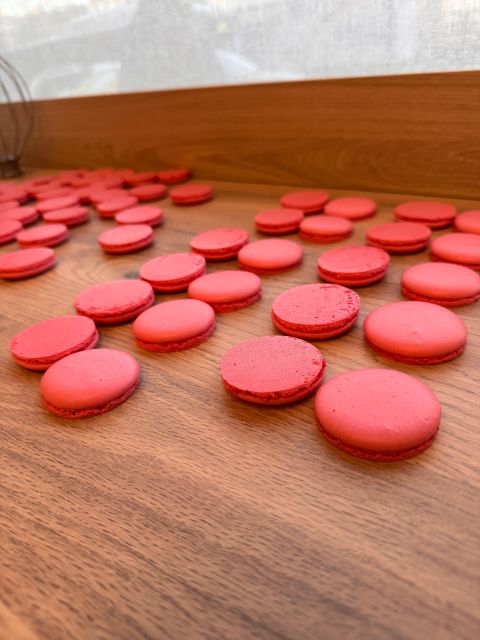
After the hands-on steps, it’s time to bake, then taste. This is a big deal psychologically. When you’re making something temperamental, progress can feel invisible until the oven reveals whether your batter was right.
The class includes a tasting, so you’re not left with uncertainty. You’ll sample what you made, get quick feedback, and (ideally) feel that rush of accomplishment when the shells come out with the right structure and the filling tastes balanced.
This is also where the “science” part pays off. If your batch didn’t turn out exactly as expected, the instructor can point out what changed: mixing level, piping technique, drying time, or oven timing. That kind of troubleshooting is how you improve for next time, not just move on.
And because the class runs for 150 minutes, you’re not spending the whole session waiting around. There’s a rhythm: briefing, prep, hands-on work, bake, then taste. It keeps your attention and helps you learn without burning out.
What you take home: recipe plus macarons for days
The class includes a recipe to take home, which is one of the most valuable parts for me. In a lot of cooking experiences, you leave with a memory and maybe a vague recollection of steps. Here you get something actionable that you can use to repeat the method.
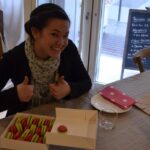
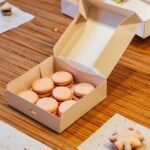
You’ll also leave with macarons you made in class. Multiple participants described getting a box with plenty for snacking over the next days. Some reports mentioned around 15 macarons per person, depending on how the session is arranged, which is a strong value for a 150-minute workshop.
This take-home package is what turns a Paris activity into a personal skill. It’s one thing to eat macarons in a café. It’s another to bring home a technique you can repeat, then surprise friends later with a batch that looks like it belongs in a pastry case.
If you’re planning your trip, this is also a simple logistics win. No need to hunt for a gift on your way out. You’ve already got one.
Price and value: what $122 buys you in real terms
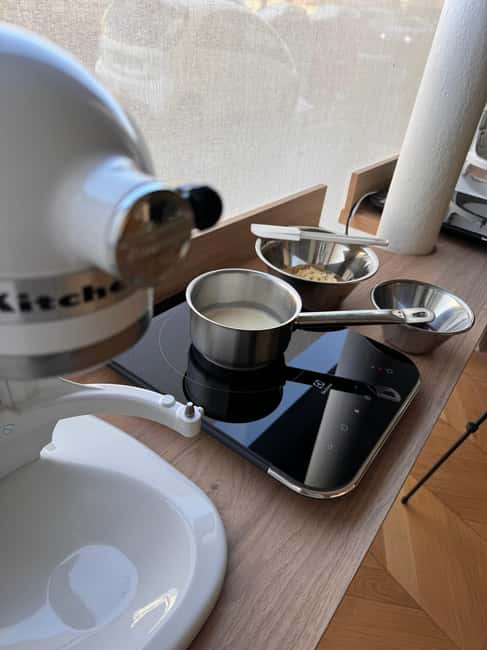
At $122 per person for 150 minutes, the cost isn’t the cheapest Paris “food thing.” But it’s also not just paying for dessert. You’re paying for instruction, hands-on practice, tasting, and a take-home recipe, in a small group format.
Here’s the value math in plain language:
- You get a structured lesson, taught in English.
- You get direct coaching while you work, which matters for a technique-heavy food.
- You leave with macarons plus the recipe, so the experience keeps going after your class ends.
Also, the studio and equipment setup likely saves time and frustration. When ingredients and tools are ready, you focus on learning the method instead of improvising with what you have at home. That’s the kind of value that’s hard to price, but it’s real.
Is it worth it? If you enjoy hands-on cooking and want to come home with a skill, yes. If you only want a casual snack and have no interest in technique, the price might feel steep for what it is.
Who should book this macaron class in Paris
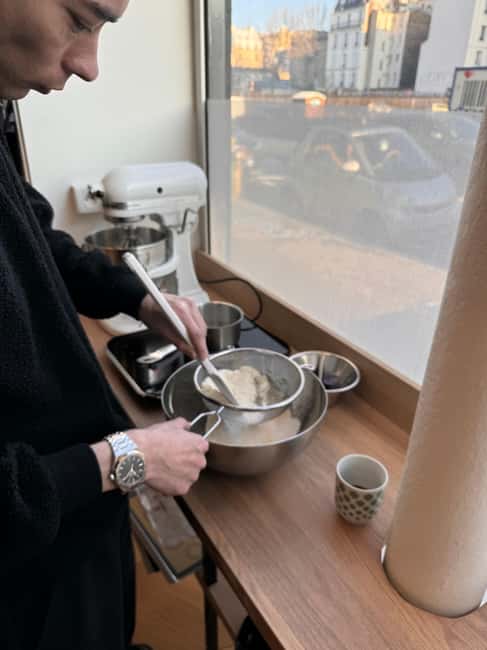
This class fits best if you like:
- hands-on activities more than museum-style sightseeing
- cooking lessons where you can ask questions and adjust in real time
- the idea of learning a specific skill you’ll use again at home
It’s also a solid couple activity. One benefit of small groups is that the vibe stays friendly, and the work stations support conversation without turning it into a loud party. Solo travelers often enjoy this too because the instructor can help you stay on track.
A key limitation: it’s not suitable for children under 12. It also isn’t for vegans or for anyone with nut allergies. Since macarons commonly use almond flour, the nut issue isn’t a side note here. Plan accordingly so you don’t waste your booking.
Should you book this Paris macaron baking class or skip it?
Book it if you want a fun Paris experience with a clear payoff: you’ll learn macaron technique, taste what you made, and take home a recipe plus a box of macarons. The small group size and English instruction are a big part of why this works for beginners and improving bakers alike.
Skip it if you’re only looking for a quick treat and you don’t want to spend 150 minutes doing a process-heavy food. Also, don’t book if nut allergies or vegan requirements affect your group. This isn’t positioned as an allergy-friendly or vegan class.
One final practical note: starting times vary, so check the schedule before you plan your day. And if plans change, you can cancel up to 24 hours in advance for a full refund, plus you can usually reserve now and pay later to keep flexibility.
FAQ
FAQ
How long is the Paris macaron baking class?
The class runs for 150 minutes.
What is the group size?
It’s a small group limited to 10 participants.
Is the class taught in English?
Yes, the instructor teaches in English.
What do I take home after the class?
You’ll take home a recipe and macarons you make during the session.
Where do I meet the instructor?
Meet at a grey-colored store front on the main road.
Is this class suitable for children?
No. It’s not suitable for children under 12 years old.
Are vegan options available?
No. It’s not suitable for vegans.
Is it safe if I have a nut allergy?
No. It’s not suitable for people with nut allergies.
What should I wear or bring?
Wear comfortable clothes and comfortable shoes.