REVIEW · PARIS
Paris: Louvre Museum Skip-The-Line Tour
Book on GetYourGuide →Operated by Paris in person private tours · Bookable on GetYourGuide
One fast route through the Louvre’s biggest art. In this skip-the-line private tour, I like the tight focus on Renaissance-to-Romanticism highlights and the way the guide turns famous names into clear stories. One drawback: two hours can feel short if you want to linger in every room on your own.
The guide approach really matters here. In particular, Boris is noted for strong historical context, including how artists used light and the sun in their work, and another guide was praised for being flexible and attentive—especially when navigating the Louvre with two teenage boys. If you’re the type who likes questions answered in real time, this format fits well.
In This Review
- Key highlights at a glance
- Why this 2-hour Louvre plan beats trying to wing it
- Meeting at Arc de Triomphe du Carrousel: fast starts matter
- Skip-the-line tickets: what you save (and how to use it)
- From Ancient power to Renaissance thinking: early stops that set the tone
- Botticelli, Mantegna, and Bellini: the Renaissance route you can actually follow
- Botticelli fresco and the Humanist mood
- Mantegna and early Florentine intensity
- Bellini and Venetian painting style
- The painting hits: Leonardo, Veronese, and what the guide points out
- Leonardo and the weight of fame
- Veronese’s Marriage at Cana: scale and storytelling
- Romanticism and the politics of emotion: Gericault to Delacroix to David
- Gericault’s Raft of the Medusa
- Delacroix’s July Revolution energy
- Ingres: a different kind of intensity
- Jacques-Louis David: Neoclassicism’s discipline and power
- How a private group changes your Louvre experience
- Price and value: is $294 per person worth it?
- Practical tips so your tour feels smooth
- Should you book this Louvre skip-the-line tour?
Key highlights at a glance
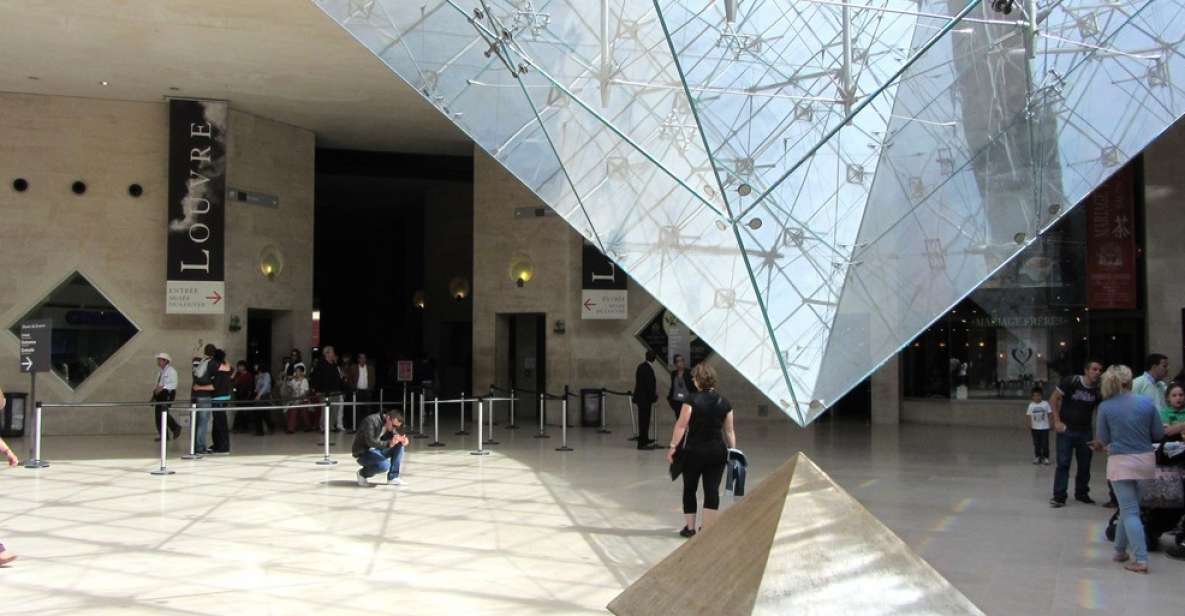
- Skip-the-line entrance so you spend time looking, not queuing
- A guided sweep across Renaissance, Neoclassicism, and Romanticism with specific masterworks
- Iconic stops you can actually make sense of, from Nike of Samothrace to Liberty Leading the People
- Guide-led stories that connect art to the ideas of the time, not just the artist’s name
- Private group pace that can work well for couples and families who need structure
Why this 2-hour Louvre plan beats trying to wing it
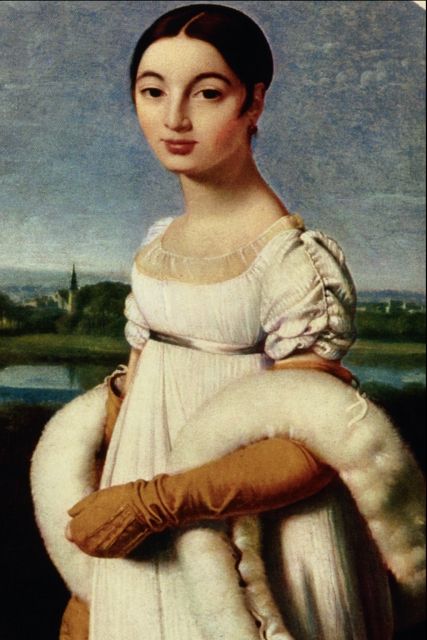
The Louvre is huge. Even with good map skills, you can waste a lot of energy wandering hallways that don’t match your interests. This tour solves that problem by building a short route through the museum’s Renaissance, Neoclassicism, and Romanticism, instead of trying to cover everything.
I also like the way the tour frames the collection as a timeline. You’re not only seeing masterpieces; you’re learning how styles shift—moving from the Medieval world toward Humanism in the early Renaissance, then into the more formal language of Neoclassicism, and finally the emotional, political energy of Romanticism.
The big value for you is focus. In just two hours, you get a concentrated “greatest hits” sequence plus enough context to keep the art from feeling like a random list. If you already love these periods, it feels efficient. If you don’t, the storyline still gives you a way to start connecting dots fast.
You can also read our reviews of more museum experiences in Paris
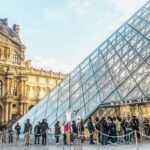
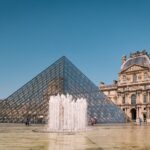
Meeting at Arc de Triomphe du Carrousel: fast starts matter
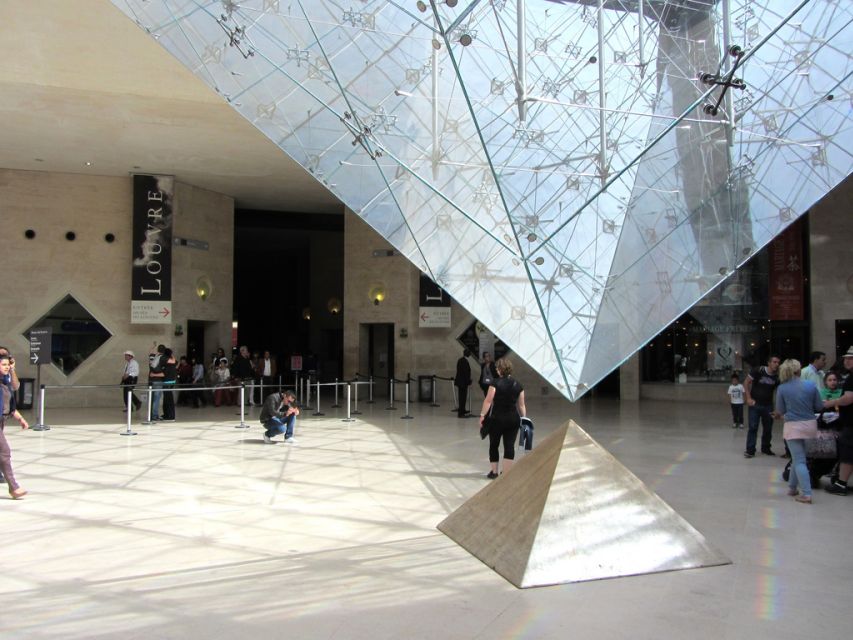
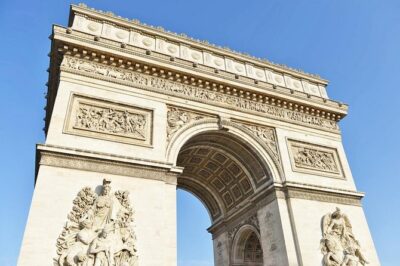
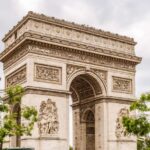
Your meeting point is easy to remember: Arc de Triomphe du Carrousel. The guide will be carrying a red tote canvas bag, which makes it simpler to spot them before you head toward the Louvre.
Because this is a private group tour, you’re not forced into a rigid crowd flow where you’re trying to hear over other people. That said, it still helps to arrive a bit early, so you can settle and get ready to move.
Also note the practical reality: this tour runs rain or shine. That means you should dress like you’re going to walk between museum entry points and galleries. You don’t want to spend the first 20 minutes worrying about sleeves, shoes, or whether your camera is safe in wet weather.
Lastly, there’s a luggage rule. Oversize luggage isn’t allowed, and any items exceeding 55 x 35 x 20 cm aren’t permitted in the museum. So pack light. A daypack is usually the right choice.
Skip-the-line tickets: what you save (and how to use it)
The ticket itself is included, and the tour offers skip-the-line entrance. In a museum like the Louvre, time is your most limited resource. The line time you avoid is the time you can actually spend in front of art—where the experience happens.
But skip-the-line doesn’t mean you’ll have unlimited freedom to wander forever. You’ll still be moving as a group along a planned route. That’s the tradeoff: you give up some “choose-your-own-adventure” control, and you gain a guided pathway that keeps you from missing the key works that match the tour theme.
You also get the guide’s interpretive power. The goal isn’t just to point at a painting and say it exists. It’s to help you understand what you’re seeing and why it mattered. That’s especially useful in the Renaissance-to-Romanticism arc, where the subject choices and artistic goals change from room to room.
From Ancient power to Renaissance thinking: early stops that set the tone
Even though the tour concentrates on Renaissance, Neoclassicism, and Romanticism, it starts you in the broader sweep of the Louvre’s collection, going from major classical works through to major early-19th-century art.
One early anchor is the statue of Nike of Samothrace—a 2nd-century BC marble sculpture of the Greek goddess Nike (Victory). This kind of stop matters because it reminds you what “classic” form meant before the Renaissance artists reinterpreted it through Humanism and new techniques.
From there, you shift into the Renaissance story. The tour focuses on the transition from the Medieval world to Humanism. That’s not just a lesson title—it’s visible in how art emphasizes people, ideas, emotion, and a renewed interest in classical themes.
If you’re new to Renaissance art, this is the advantage: you’re not thrown into individual masterpieces without context. You’re shown how the thinking evolves, and then you meet the artists who represent those changes.
Botticelli, Mantegna, and Bellini: the Renaissance route you can actually follow
This tour doesn’t treat Renaissance art as one block. It highlights multiple corners of the movement.
You can also read our reviews of more tours and experiences in Paris



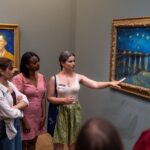
Botticelli fresco and the Humanist mood
You get to admire Botticelli’s fresco Venus and the Three Graces Presenting Gifts to a Young Woman. Botticelli is often associated with myth and symbolic imagery, and this kind of subject is a good entry point for Humanist themes—where classical stories and moral or philosophical ideas blend together.
In practical terms, the guide’s job is to help you see beyond the surface. You’ll likely get cues about composition, symbolism, and the way Renaissance artists used classical material to talk about contemporary ideas.
Mantegna and early Florentine intensity
You’ll also see Mantegna’s Saint Sebastian, described as part of early Renaissance highlights, including the transition toward Humanism. Mantegna’s work is known for its intensity and clarity of form, and a guided stop helps you catch those qualities without needing art history homework first.
Bellini and Venetian painting style
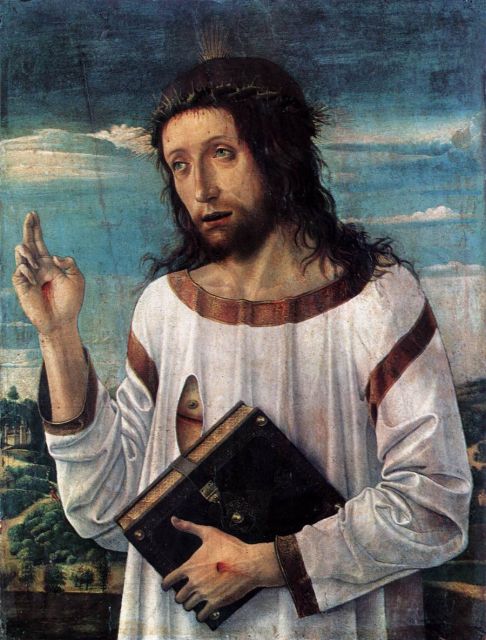
The tour highlights Bellini’s Venetian paintings. Bellini’s Venetian connection matters because Venetian Renaissance art often emphasizes color, light, and a painterly feel more than strict linear draftsmanship. Even if you’re not comparing brushwork styles yet, you’ll notice the different mood compared to other Renaissance schools.
Put together, these stops give you a sense of how the Renaissance wasn’t one uniform style. It was a shift in ideas—and then multiple regional takes on how to express those ideas.
The painting hits: Leonardo, Veronese, and what the guide points out
The Louvre is famous for paintings, and this tour aims you directly at standout works so you’re not left scanning walls like a tourist with a checklist.
Leonardo and the weight of fame
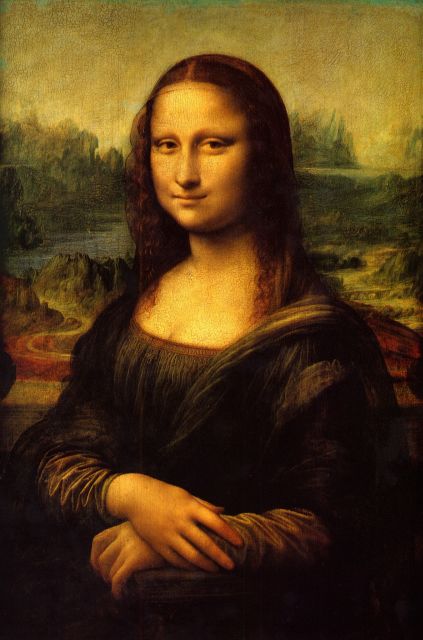
You’ll see Leonardo da Vinci represented by Mona Lisa. Yes, it’s crowded sometimes. The point of a guided plan is that you don’t just arrive at the landmark and hope you understand it. The guide can help you interpret what you’re looking at and how to focus your attention.
Even in a short visit, you can get value by learning what features to notice first—like expression, atmosphere, and how Renaissance portraiture communicates more than just likeness.
Veronese’s Marriage at Cana: scale and storytelling
You’ll also see the vast painting Marriage at Cana by Veronese. The tour notes it as the largest painting by Veronese in the Louvre. That matters because scale changes how you experience a work. Instead of “front and center,” you have to learn how the story unfolds across a wide scene.
A good guide helps you avoid the common problem: trying to process a huge composition like it’s a small canvas. You’ll likely get tips on what areas to start with so the painting makes sense as a whole.
Romanticism and the politics of emotion: Gericault to Delacroix to David
Once the tour reaches Romanticism, the art starts feeling louder. It’s less about calm balance and more about emotion, drama, and ideas you can sense immediately.
Gericault’s Raft of the Medusa
You’ll see Raft of the Medusa by Gericault, a key Romantic work. This is the kind of painting where composition and subject both do emotional work—so a guide’s explanations can really help you read the painting’s urgency rather than treating it like a scene you just happened to stop at.
Delacroix’s July Revolution energy
Then comes Delacroix’s Liberty Leading the People, connected to the July Revolution of 1830. This is art as political statement. You can feel the momentum. With a guided stop, you get a clearer sense of what the symbols likely meant and why this theme landed so hard in the historical context.
Ingres: a different kind of intensity
You’ll also see Ingres’ Une Odalisque—a sinuous nude. Ingres is often linked with controlled line and polished finish, so this is a useful contrast after the more tumultuous Romantic drama. Even if you don’t go into technical detail, you’ll feel the shift in how bodies and mood are presented.
Jacques-Louis David: Neoclassicism’s discipline and power
Neoclassicism lands with works by Jacques-Louis David—including Crowning of Napoleon and The Oath of the Horatii. David’s art is often built around clarity, authority, and moral or civic messaging. A guided explanation helps you see why that matters: it’s not just about a moment, it’s about what the moment tries to teach or justify.
If you’re hoping to understand how Neoclassicism differs from Romanticism, these stops are perfect. Neoclassicism tends to look like order and message. Romanticism looks like feeling and consequence.
How a private group changes your Louvre experience
A private group tour sounds like a marketing phrase until you feel the difference. Here, you’re led through a theme with a guide who can adjust the pace. That’s especially helpful if you’re traveling with kids or teens. One review praised a guide for being accommodating and attentive while navigating the Louvre with two teenage boys, and that’s exactly the kind of pressure this format reduces: you’re not juggling attention spans alone.
I also like that the guide options include English, French, and Serbo-Croatian. So if your group includes someone more comfortable in one of those languages, you’re more likely to get meaningful explanations rather than simplified “tick-box” commentary.
And because it’s wheelchair accessible, the tour structure can help you plan a route that’s physically manageable. You’ll still be walking in the museum, but the guided organization often makes it simpler to avoid dead ends.
Price and value: is $294 per person worth it?
Let’s talk money. At $294 per person for a 2-hour private tour, this is not the cheapest way to see the Louvre. The value comes from three places:
- Skip-the-line entrance
In peak periods, the time you save can be substantial. Since you only have two hours, saving even 20–30 minutes can mean seeing whole sections you might otherwise miss.
- Private guiding during a short time window
The Louvre is too big for a vague plan. Here, the route is built for a specific arc across Renaissance, Neoclassicism, and Romanticism. That tight focus is what you’re paying for.
- Real interpretation, not just facts
Guides like Boris were praised for connecting artworks to historical context and even the way artists treated light and the sun. That’s the difference between seeing a famous work and understanding why it hit its moment.
Who should feel good about this price? People who already care about Renaissance-to-Romantic art, first-timers who want a guided framework, and groups that hate waiting around. Who might hesitate? If you plan to spend many hours exploring on your own, or if you’re on a strict budget and only want to see one or two iconic works, you may be better off with a lower-cost option.
Practical tips so your tour feels smooth
A few small choices will make your two hours feel calmer and more rewarding:
- Bring a small bag that fits within the museum’s size limits (anything over 55 x 35 x 20 cm isn’t permitted).
- Wear comfortable shoes. Even a short Louvre visit includes a lot of walking between major rooms.
- Go in with one or two artists you already like. Then let the guide do the connecting work to other names on the route.
- Plan for no food on the tour. Food and beverages aren’t included, so eat beforehand or schedule a snack afterward nearby.
If you do those things, the tour becomes what it’s meant to be: a structured introduction that helps you feel oriented in a huge museum.
Should you book this Louvre skip-the-line tour?
I’d book it if you want a guided, theme-driven Louvre visit that doesn’t eat your day. The reason is simple: the Louvre can overwhelm you, and this tour gives you a storyline across Renaissance, Neoclassicism, and Romanticism with clear stops—Nike of Samothrace, Botticelli’s Venus and the Three Graces, Mantegna’s Saint Sebastian, Veronese’s Marriage at Cana, and major Romantic and Neoclassical anchors like Gericault, Delacroix, Ingres, and David.
Skip this tour if you’re happy wandering freely for hours and you don’t need structure. Also think twice if you’re bringing a lot of luggage; the museum has strict size rules, and oversize items aren’t allowed.
If your goal is to leave feeling like you understood what you saw—even in just two hours—this is a strong value play. You’re paying to avoid line stress and to get guided clarity on some of the Louvre’s most important art transitions.