REVIEW · PARIS
Paris Le Marais Walking Tour: Small Group Experience
Book on GetYourGuide →Operated by Dayin · Bookable on GetYourGuide
Le Marais has stories you can walk. This tour is interesting because it mixes Le Marais’s medieval roots with real street-level sights and why they matter. I love the small group size (8 people max) because the guide can actually talk with you, not just perform at you. I also love the stop choices, especially the way you get both classic landmarks and quieter architectural corners. One thing to consider: the walk is only 2 hours, so anything you want to linger on afterward is on you.
You’ll spend the time moving through the neighborhood’s “old Paris” feel while learning how it became today’s design, art, and shopping hotspot. Expect 1600s-era details, little side streets, and a story thread that connects major places like Place des Vosges with the Jewish Quarter and Templar Order legends.
Logistics are simple, but plan accordingly. Meeting points can vary (Temple at 89 Rue de Turbigo or Hôtel de Sens), and there’s no hotel pickup. It runs rain or shine, and wheelchair access is only available with the private option.
In This Review
- Key highlights to expect
- Why a 2-hour Le Marais walk works so well
- Temple (Rue de Turbigo) or Hôtel de Sens: choosing your start point
- Hôtel de Sens photo stop: the kind of Paris you don’t notice fast
- Marché des Enfants Rouges and Rue des Rosiers: food, faith, and street life
- A quick Picasso Museum moment: art energy without the long museum commitment
- Place des Vosges: the 1600s centerpiece you’ll remember
- Hôtel de Sully and the art of reading side streets
- Le Village Saint-Paul: where the neighborhood feels smaller
- Hôtel de Ville and Paroisse Saint-Paul Saint-Louis: closing with big landmarks
- Price and value: is $64 for 2 hours worth it?
- The guides: pacing and personalization make a difference
- Rain or shine, and what to pack for this walk
- Should you book this Le Marais walking tour?
- FAQ
- How long is the Paris Le Marais walking tour?
- What’s the group size?
- Where does the tour start?
- What are the main stops?
- Are there guided parts of each stop or is it mostly photos?
- What languages is the live guide available in?
- Does the tour run in bad weather?
- Is hotel pickup and drop-off included?
- Is it wheelchair accessible?
- Can I cancel for a refund?
Key highlights to expect
- Max 8 people means you get a more personal pace and better questions
- 1600s architecture + hôtels particuliers show up in unexpected places
- Marché des Enfants Rouges gives you a sensory break mid-walk
- Rue des Rosiers and the Jewish Quarter add context to what you see
- Place des Vosges + Hôtel de Ville anchor the tour with major Paris landmarks
- Post-tour navigation tips help you keep exploring without getting lost
Why a 2-hour Le Marais walk works so well
Le Marais is one of those neighborhoods that can feel like a maze—pretty streets, yes, but also a lot of “Where do I look first?” That’s exactly why this format works. You’re only out for 2 hours, which keeps the energy high and makes it easier to hit the best points without burning the whole day.
The small group size is a big part of the value. With no more than 8 people, you’re more likely to get real conversation, quick clarifications, and a sense of what to notice next. And because you’re with a local guide, you’re not just seeing buildings—you’re learning the layers that made the area matter.
This is also a solid pick if you’re the type who likes context. You’ll hear how Le Marais moved from medieval roots to its current role as a cultural and shopping hub. That history isn’t taught in a classroom way. It’s attached to streets, courtyards, and doorways you’d otherwise walk right past.
You can also read our reviews of more walking tours in Paris



Temple (Rue de Turbigo) or Hôtel de Sens: choosing your start point
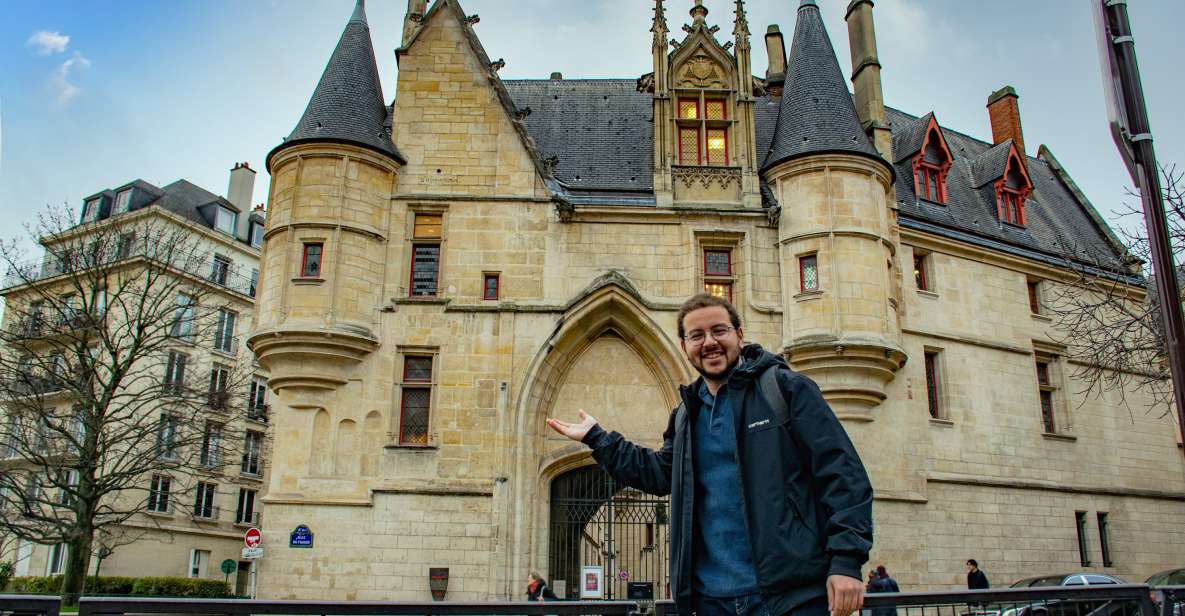
Your morning start can vary depending on the option you book. One start is Temple, at 89 Rue de Turbigo. Another is Hôtel de Sens.
If you’re staying anywhere near central Paris, either option can work. Still, it’s worth thinking about what you want first:
- If you like starting in the thick of the neighborhood vibe, Rue de Turbigo is a natural first step into the street rhythm of Le Marais.
- If you’d rather begin with a more formal, architecture-focused mood, starting at Hôtel de Sens sets the tone early.
Either way, you’ll be oriented fast. The tour’s payoff is that it saves you from “just walking around and guessing what you’re looking at.”
Hôtel de Sens photo stop: the kind of Paris you don’t notice fast
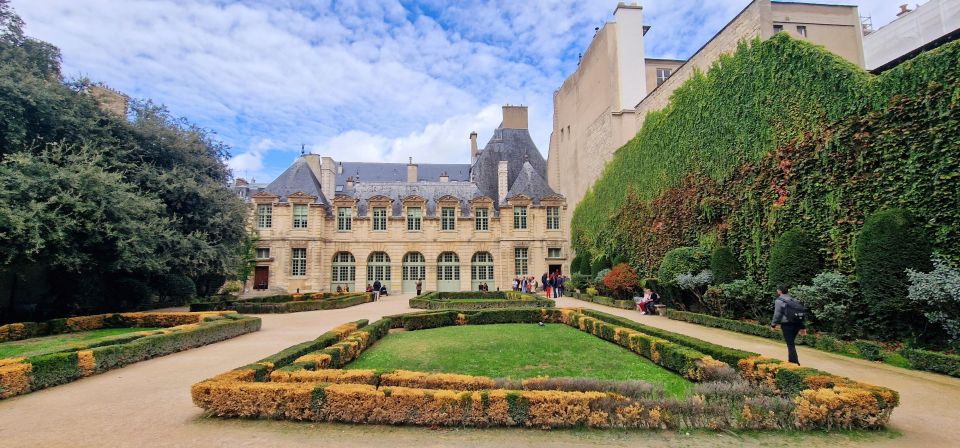
Your tour includes an early photo stop and guided visit at Hôtel de Sens (about 10 minutes). Even if you’re not a hardcore architecture person, this is the part that helps you reset your eyes.
Le Marais has plenty of pretty facades. But hôtels particuliers—those grand private mansions—are the real clue to how wealth, power, and design played out in the area. A short visit here is smart because it gives you a mental template. Later, you’ll recognize similar cues as the tour moves along.
What to watch for: the structure and layout cues that hint at how these buildings functioned. When you get even a small explanation up front, the rest of the walk becomes easier.
Marché des Enfants Rouges and Rue des Rosiers: food, faith, and street life
Next comes Marché des Enfants Rouges with a photo stop and guided visit (about 15 minutes). This is one of those places that gives you a break from the “look, look, look” part of sightseeing. Markets are where neighborhoods show how locals actually live—especially in a place like Le Marais, where old buildings and modern culture rub shoulders.
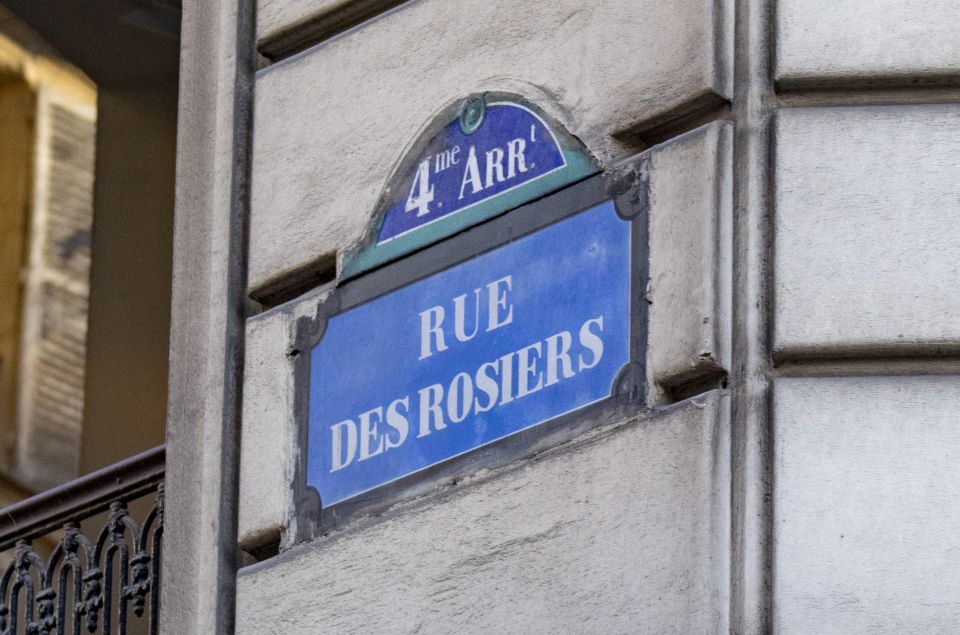
Then you move toward Rue des Rosiers, including another photo stop and guided segment (about 20 minutes). This street is strongly associated with the Jewish Quarter, and the tour’s value is in connecting that cultural identity to what you’re seeing around you.
Why this matters: Without context, Rue des Rosiers can look like just another shopping street. With a guide’s story thread, you understand why certain sights and traditions are concentrated here and how the area’s identity has evolved over time.
A practical tip: this part of the walk is where you’ll likely feel the most “human scale.” Pause when the guide tells you to. If you rush through the market area, you lose the sensory contrast that makes Le Marais feel real.
A quick Picasso Museum moment: art energy without the long museum commitment
You’ll also get a photo stop and a short visit related to the Picasso Museum Paris (about 10 minutes). This isn’t meant to replace a full museum day. It’s more like a time-saving bridge: you see how modern art culture fits into an old neighborhood.
That’s a neat trick. Le Marais can feel timeless, but it’s not stuck in the past. Art galleries and boutiques are part of the current story, not just decoration. So a brief Picasso Museum stop helps you track that shift.
One drawback to keep in mind: if you want an in-depth museum experience, 10 minutes won’t scratch that itch. Think of this stop as a taste that sets you up to choose a longer visit later if you want it.






Place des Vosges: the 1600s centerpiece you’ll remember
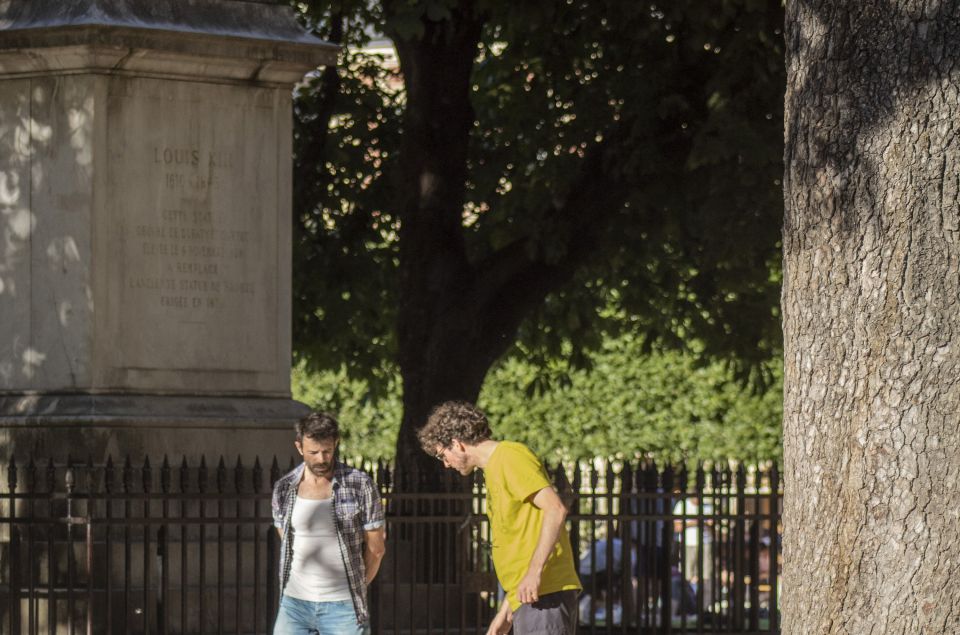
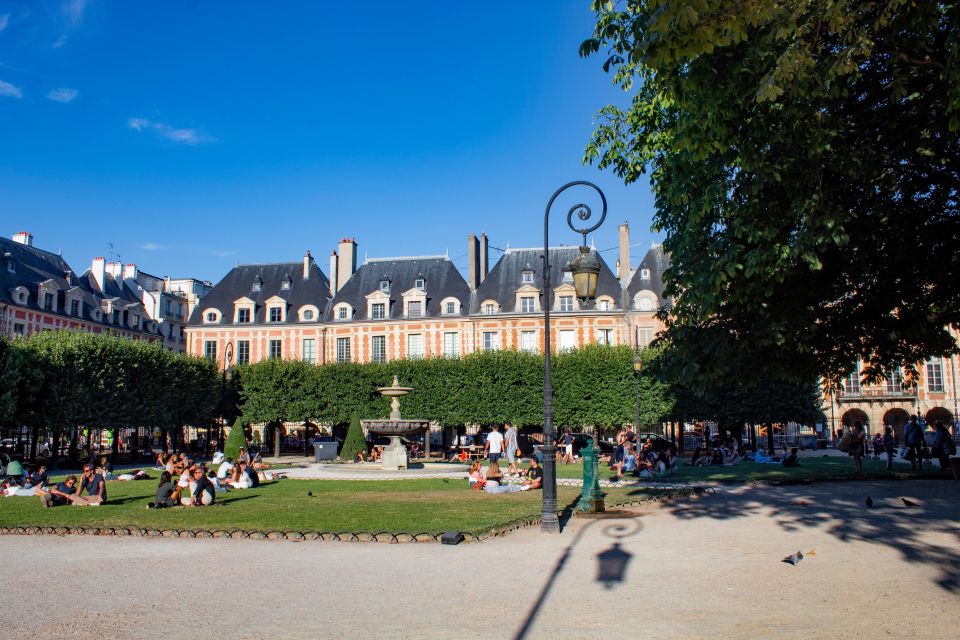
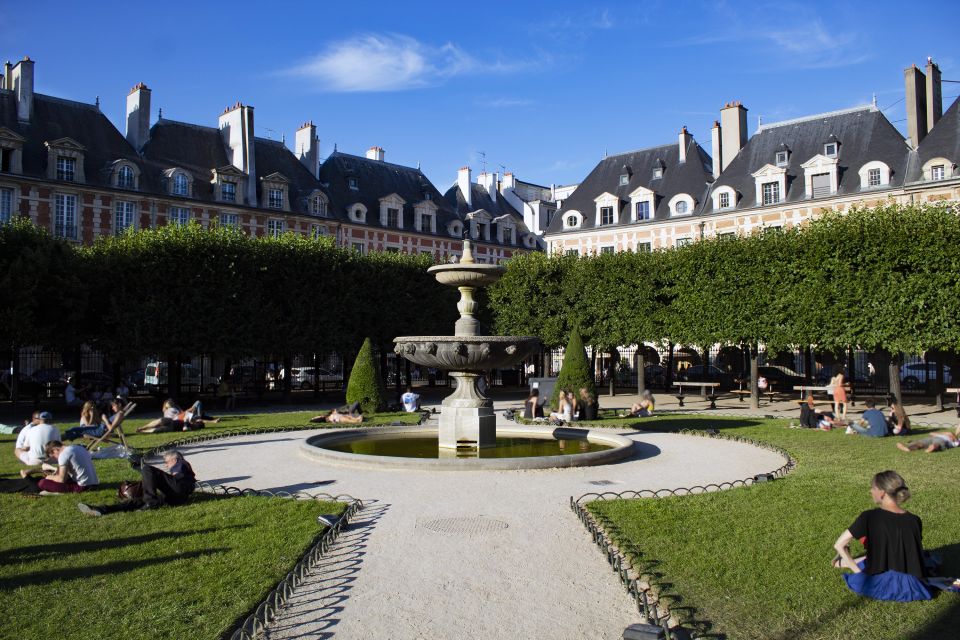
You’ll spend time at Place des Vosges with a photo stop and guided visit (about 20 minutes). This is the moment when the tour becomes visually “textbook Paris,” but with added meaning.
The key detail here is the 1600s architecture. Place des Vosges is laid out in a way that instantly feels intentional—symmetry, proportions, and a sense of enclosure. The guide’s job in this stop is to explain what you’re seeing so you don’t just admire it as a postcard. You learn how the square’s design relates to how power and society organized themselves back then.
What I like about this stop: it gives you a breather and a strong waypoint. Even if your brain feels crowded with street names by then, Place des Vosges gives you something stable to anchor the rest of the story.
Hôtel de Sully and the art of reading side streets
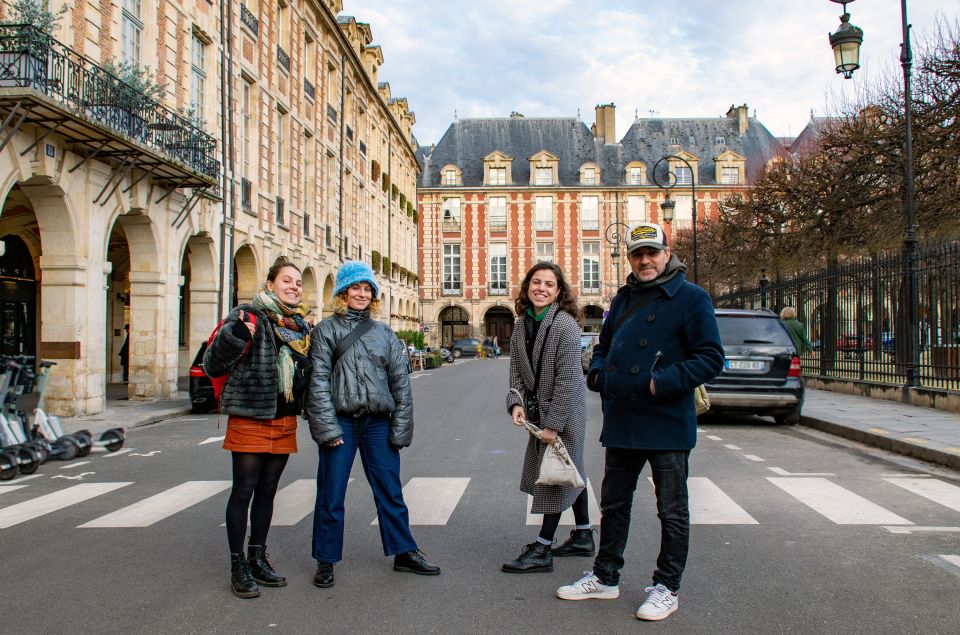
Next up is Hôtel de Sully, with a photo stop and guided visit (about 15 minutes). This is one of the tour’s smarter moves because Hôtel de Sully-style mansions are not always obvious from the sidewalk.
Here’s where you start “reading” the neighborhood. Le Marais is famous for hôtels particuliers tucked behind walls and courtyards. Once you learn what to look for, you start noticing clues everywhere: entrances, layouts, and the way the street and the property boundary interact.
Also, this is a good section for your memory to catch up. By now you’ve seen market life and cultural streets, plus you’ve hit the classic square. Hôtel de Sully ties the experience together by emphasizing architecture and the big-picture evolution of the area.
Le Village Saint-Paul: where the neighborhood feels smaller
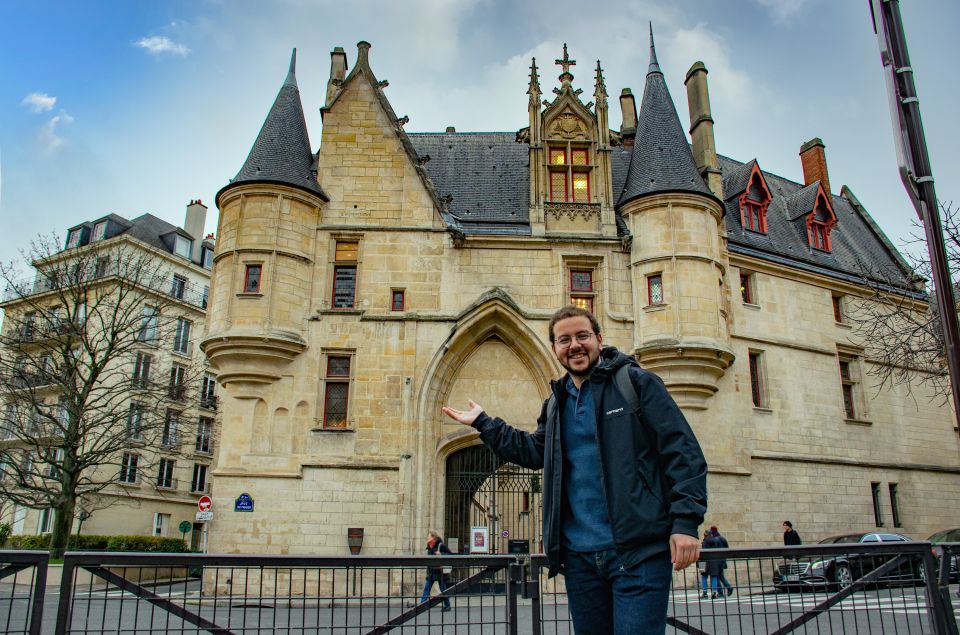
Your walk continues to Le Village Saint-Paul, with a photo stop and guided segment (about 10 minutes). This stop works because it’s a contrast. After broader landmarks and architecture lessons, you get a more intimate, village-like feel.
This is also where you can think about Le Marais as a living neighborhood, not just a checklist. Shops, galleries, and quieter lanes all contribute to why people keep coming back. The guide’s job is to connect that modern energy to what the area became over time.
Practical advice: if you want souvenirs or a quick browse, this is a better place than the major squares. It feels more like you’re stepping into the neighborhood’s daily rhythm.
Hôtel de Ville and Paroisse Saint-Paul Saint-Louis: closing with big landmarks
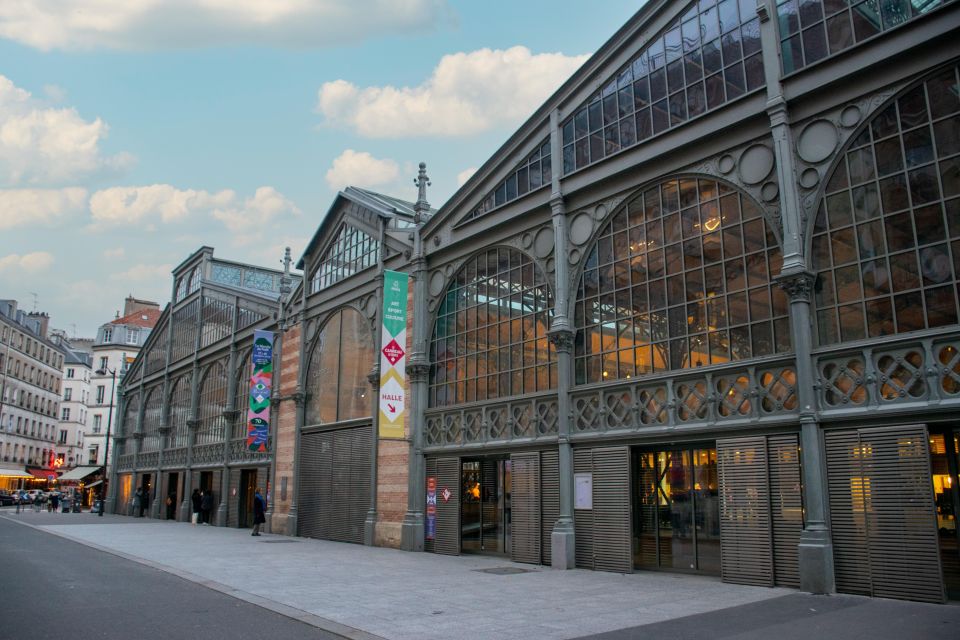
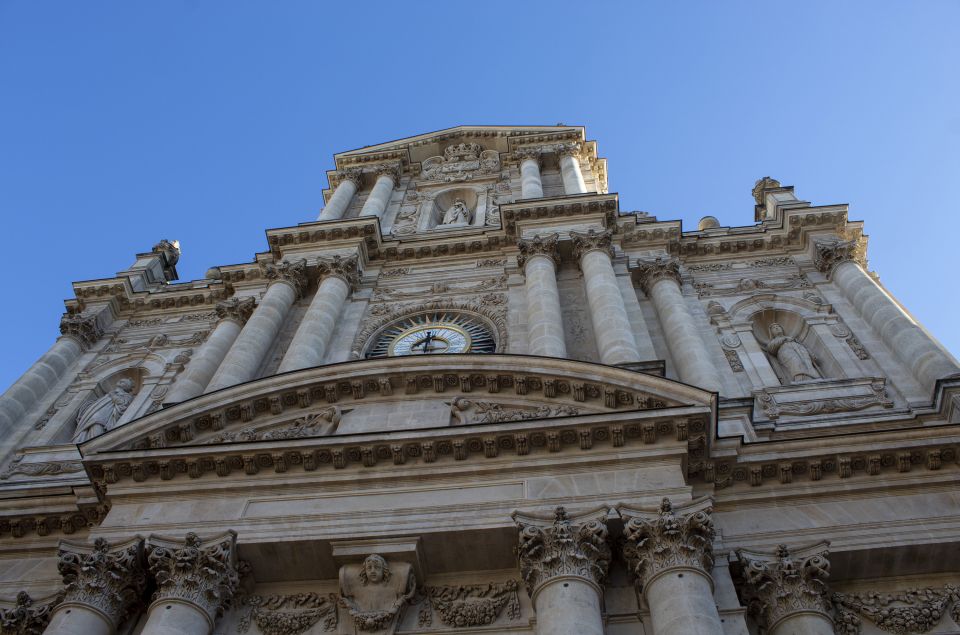
Finally, you reach Hôtel de Ville for a photo stop and guided segment (about 10 minutes), with drop-off possibilities also linked to Paroisse Saint-Paul Saint-Louis.
This ending matters because it gives you a clean landing point for your next move. Hôtel de Ville is central, easy to navigate from, and it helps you reset your bearings after winding through side streets. The tour’s last guided moments also help you connect earlier stories to what you can still see in the final area.
When the walk ends, you’ll likely feel you understand the neighborhood layout better. That’s the real value. You should be able to continue on your own without feeling like you’re guessing.
Price and value: is $64 for 2 hours worth it?
At $64 per person for a 2-hour walking tour, you’re paying for three things: a local guide, a structured route, and a small-group setup.
If you were doing Le Marais on your own, you might spend that time wandering and still not know:
- why certain streets carry specific cultural associations,
- what the 1600s architecture clues are trying to tell you,
- and how the neighborhood evolved from medieval roots to a modern cultural hotspot.
You also get tips to navigate the city after, which is underrated value. A good guide doesn’t just point out where you are. They help you decide what to do next so your day keeps flowing.
Who this is best for: people who want an efficient introduction to Le Marais with real context, without paying for multiple museums or spending a whole day on one neighborhood.
Who might feel it’s not enough: if you’re hoping for a long museum deep dive or lots of inside-the-building time. This is a walking tour with short guided segments, so plan follow-up visits if something grabs you.
The guides: pacing and personalization make a difference
One of the strongest signals from recent experiences is how much guides shape the feel of the tour. Some guides, like Hugo, have a reputation for walking guests through both quarters and pointing out surprising places people often miss. That kind of route imagination matters in Le Marais, where it’s easy to get distracted.
Pacing also gets praised. Clara is noted for a rhythm that feels right—enough time at each stop to absorb what you’re seeing, without dragging. And if you like having your interests taken into account, Walid is described as personalizing the tour based on what people care about. In some cases, you may even get a call a few days before to help tailor details.
That matters because Le Marais can tilt toward architecture, food, or cultural stories depending on the guide. With a small group, your guide’s style can noticeably steer the day.
Rain or shine, and what to pack for this walk
The tour runs rain or shine, so go prepared for Paris weather. Even if the forecast looks calm, Le Marais has a lot of outdoor walking between stops.
Wear shoes you’re comfortable in for a steady 2 hours. Bring a light layer if it’s cool, and keep your phone charged for the photo stops. Also, if you’re sensitive to crowds, remember that Le Marais is popular—your best advantage is that your route is guided, not random.
If you need wheelchair access, note this tour is wheelchair accessible only with the private option.
Should you book this Le Marais walking tour?
Book it if you want a smart, compact way to understand Le Marais without losing time. The small group size, the mix of Place des Vosges plus Marché des Enfants Rouges, and the focus on architecture and neighborhood stories are exactly the kind of structure that makes your self-guided exploring later easier.
Don’t book it if you’re looking for long museum time or a fully inside-heavy experience. This is a walking tour with short visits and photo stops, built for orientation and context.
If you’re visiting Paris for the first time, or you want your Le Marais day to feel guided but not rushed, this is a strong match.
FAQ
How long is the Paris Le Marais walking tour?
It lasts 2 hours.
What’s the group size?
The tour is a small group with 8 people max, and there’s also a private option available.
Where does the tour start?
Depending on the option, it can start at Temple (89 R. de Turbigo) or at Hôtel de Sens. The exact meeting point may vary.
What are the main stops?
You’ll see places including Marché des Enfants Rouges, Picasso Museum Paris (photo stop and short visit), Rue des Rosiers, Place des Vosges, Hôtel de Sully, Le Village Saint-Paul, and you’ll finish around Hôtel de Ville and Paroisse Saint-Paul Saint-Louis.
Are there guided parts of each stop or is it mostly photos?
It includes a mix of photo stops and guided visits, with guided segments at several stops.
What languages is the live guide available in?
The guide is available in English, French, and Spanish.
Does the tour run in bad weather?
Yes, it takes place rain or shine.
Is hotel pickup and drop-off included?
No, hotel pickup and drop-off are not included.
Is it wheelchair accessible?
Wheelchair accessibility is available only with the private option.
Can I cancel for a refund?
Yes. You can cancel up to 24 hours in advance for a full refund.