REVIEW · PARIS
Paris: French Monarchy Intrigues Walking Tour
Book on GetYourGuide →Operated by Daniel MILLE-LEVY · Bookable on GetYourGuide
Paris turns into a drama on foot. I love how this tour turns French monarchy politics into an easy-to-follow story arc with witty pop-culture connections and I also like that it sets you up for what you’ll see at the Louvre right after.
The biggest drawback is that the content leans into intrigue, scandal, and darker power games, so it’s not the best pick if you want fluffy sightseeing.
In This Review
- Key points that make this tour worth your time
- From Pont des Arts to story mode in 2.5 hours
- Finding your guide at Pont des Arts (and why that first view matters)
- Five monarchical episodes: intrigue, scandal, and cause-and-effect
- Secret detours: where Paris starts telling you its side of the story
- Ile de la Cité: tightening the political knot in the center of the city
- The Louvre finale: what to spot when you walk inside
- Price and value check for $45 per person
- Who should book (and who should skip it)
- Should you book this Paris French Monarchy Intrigues walking tour?
- FAQ
- How long is the tour?
- How much does it cost?
- Where does the tour start?
- Where does the tour end?
- Is the Louvre Museum entry ticket included?
- What language is the tour in?
- What should I bring?
- Does the tour run in bad weather?
- Is there any flexibility with booking?
Key points that make this tour worth your time
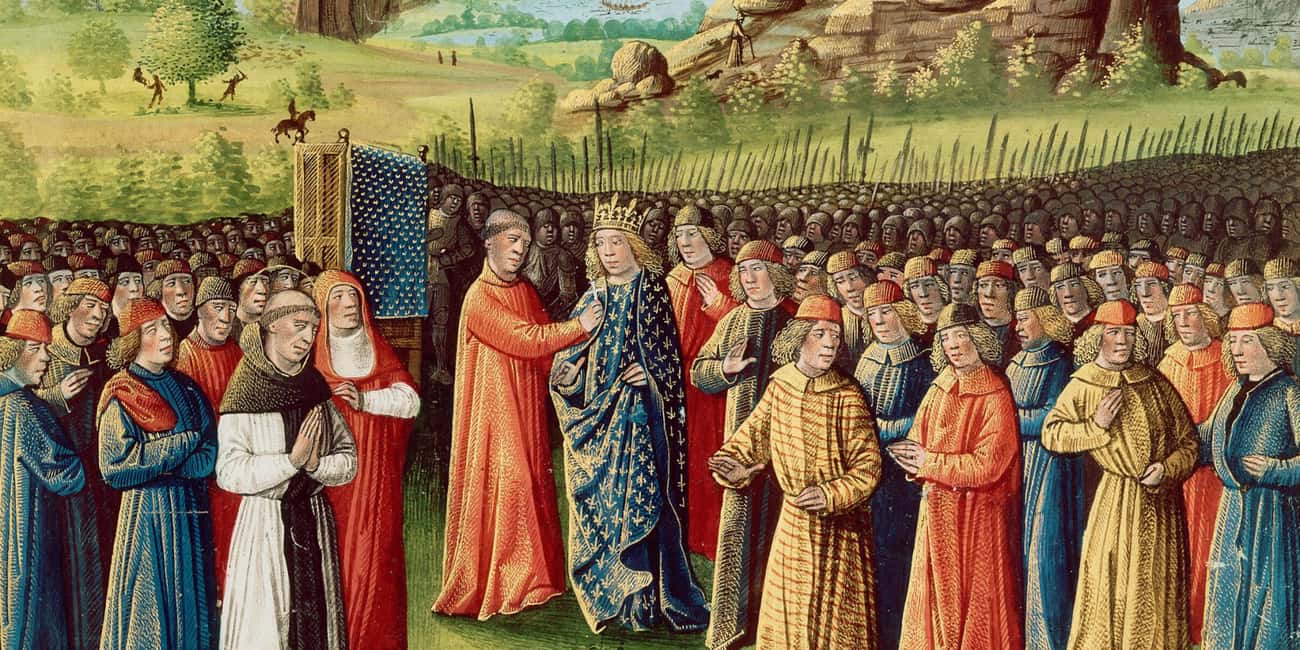
- Five “episodes” in one walk: built to feel like a season arc, with beginnings and consequences.
- Daniel MILLE-LEVY’s punchy storytelling: energetic pacing that makes dense politics feel readable.
- A Paris-to-Louvre bridge: the final chapter happens near the Louvre entrance so you know what to watch for.
- You get context for modern life: the tour frames old power moves as patterns you’ll recognize today.
- Great if you like connections: Game of Thrones fans may enjoy the references, but the focus stays on French monarchy.
From Pont des Arts to story mode in 2.5 hours
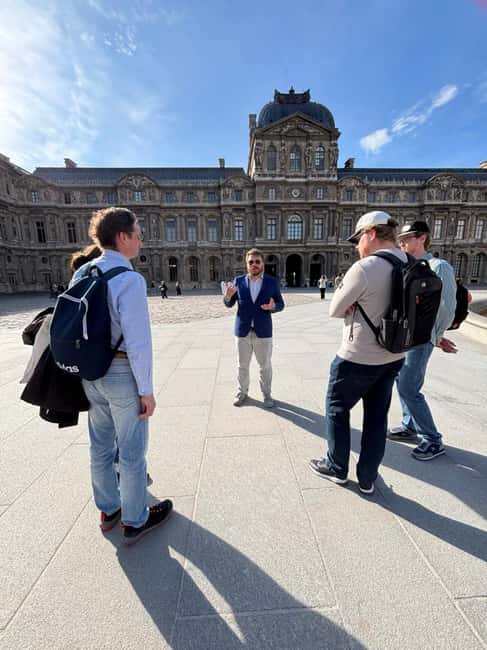
This tour starts in a classic spot—Pont des Arts—and then does something smart: it treats history like a sequence of decisions. You’re not getting a list of dates. You’re getting plots, motives, reversals, and follow-through. That matters in Paris, because the city is full of monuments—but it’s also full of shadows, too. This walk gives you the reasons those shadows exist.
Your guide, Daniel MILLE-LEVY, is easy to find: bearded, wearing glasses, standing in the middle of the bridge with a French flag on his shoulders. That opening is small, but it signals the whole approach. This is guided, not wander-and-guess.
And the format is tuned for attention spans. You’ll have short guided stretches (often around 15 minutes), then a bit of walking between “scenes.” The breaks keep you from feeling stuck in one mindset, and they also let the city do some work for you—faces, river views, and corners that look ordinary until you know what happened there.
If you’re the type who enjoys history more when it’s connected to people and consequences, this is a good match. The tour’s whole idea is that the past isn’t a museum diorama; it’s a set of patterns.
You can also read our reviews of more walking tours in Paris



Finding your guide at Pont des Arts (and why that first view matters)
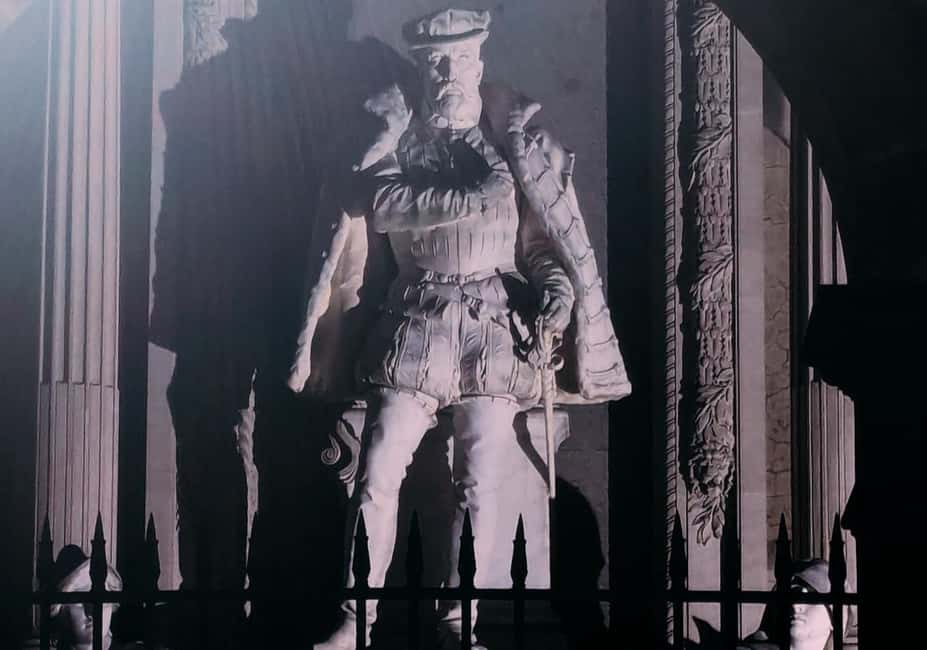
Pont des Arts is more than a pretty postcard bridge. It’s a good early anchor because it puts you in the right frame of mind: Paris is a city of movement, routes, and leverage. From there, the tour quickly begins to explain why power in monarchy-era France often depended on proximity—where you stood, who you could meet, and how quickly messages and influence could travel.
The first part of the walk gives you just enough background to follow the five episodes without getting lost. You’ll also get a sense that the tour is structured like a storyline, not a school lecture.
One practical note: you’ll be outdoors and it runs rain or shine. So bring comfortable shoes and layers. Paris weather can change fast, and you don’t want your feet thinking about the weather more than your head thinks about the plot.
Five monarchical episodes: intrigue, scandal, and cause-and-effect
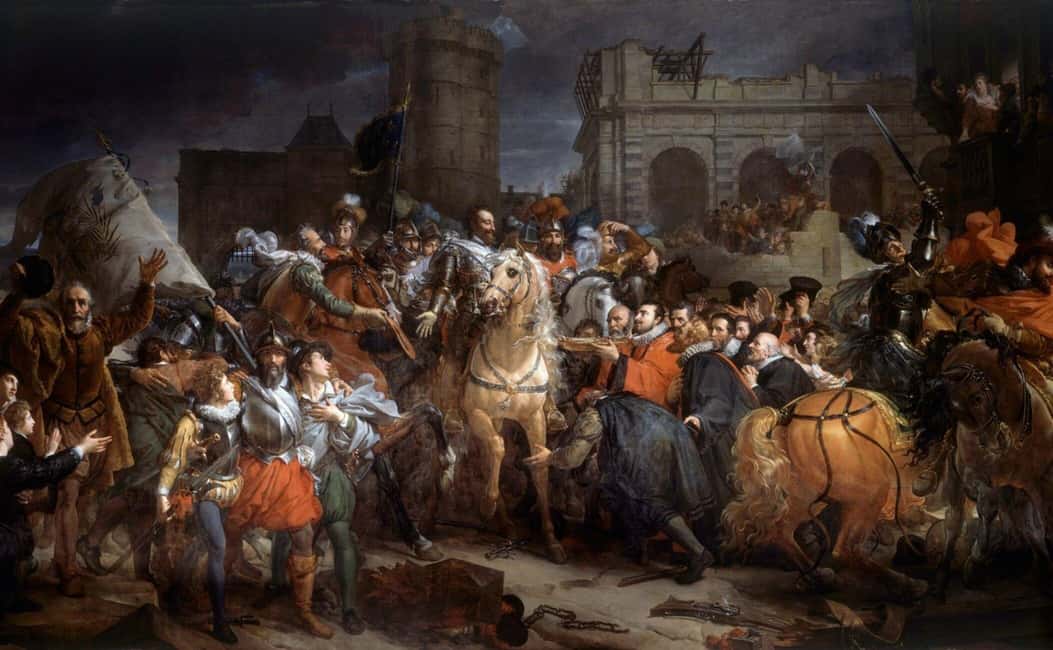
The heart of this experience is the five-part narrative. Each episode is designed to do three jobs in a short window: explain where the situation starts, show what follows, and connect it to bigger consequences later on. The goal isn’t just to tell you what happened—it’s to show you the chain of effects.
I really like that the tour leans into the human side of politics. You’ll hear about conspiracies, scandal, murder, and improbable coincidences—because that’s what makes the story feel real instead of sanitized. And you’ll also notice how the guide keeps steering you away from “myth only” history. The tour points out how myths can be manufactured to justify power grabs—something you’ll recognize as a familiar modern move.
The best part is how the episodes are related. This isn’t five separate mini-lessons you forget by the next stop. It’s more like episodes feeding each other: one plot teaches you how to interpret the next.
The guide also uses pop-culture touchpoints as shortcuts for understanding. A few references connect the monarchy-era mindset to modern fiction—Game of Thrones comes up in the tour’s orbit, and the show-style episodic structure helps you remember. Just keep your expectations grounded: it’s not a Game of Thrones tour. It’s French monarchy history told in a way that makes connections feel natural.
One more detail I appreciated from the tour’s approach is the emphasis on small cause-and-effect moments. Daniel’s stories include examples of how something tiny can swing outcomes—like the kind of odd detail you’d normally ignore, but which becomes important later. That style sticks with you, because it changes how you listen. You start looking for motive and timing, not just for names.
Secret detours: where Paris starts telling you its side of the story
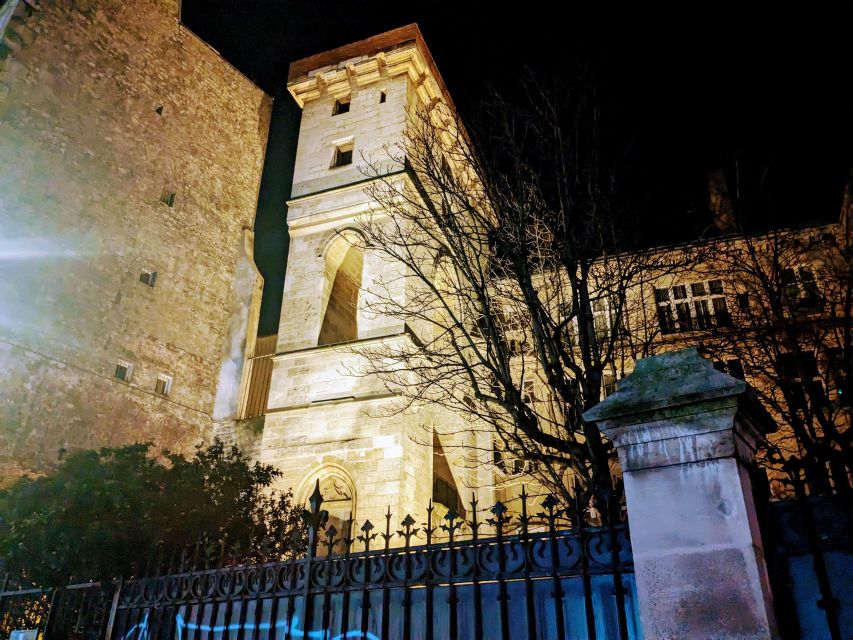
Between the main guided segments, you’ll walk and you’ll make a couple of short detours—the tour description calls them secret stops. Even without specific signage or a big monument, these are where the story feels most grounded. That’s the power of a guided walk: you’re not just learning facts, you’re learning how to read a place.
These detours help you avoid a common Paris mistake: only looking at the famous views. The tour nudges you toward smaller corners where the architecture and streetscape make more sense once you understand what was happening politically nearby.
Think of it like this: a museum offers context from a distance. A street-level tour offers context from inside the story. You see how close people might have been, how routes could funnel movement, and how a conversation could turn into a policy decision.
And because this tour moves with short on-foot segments, you get a steady rhythm. You’re never stuck in one long lecture mode, which makes it easier to stay engaged even if you don’t consider yourself a history person.
Ile de la Cité: tightening the political knot in the center of the city
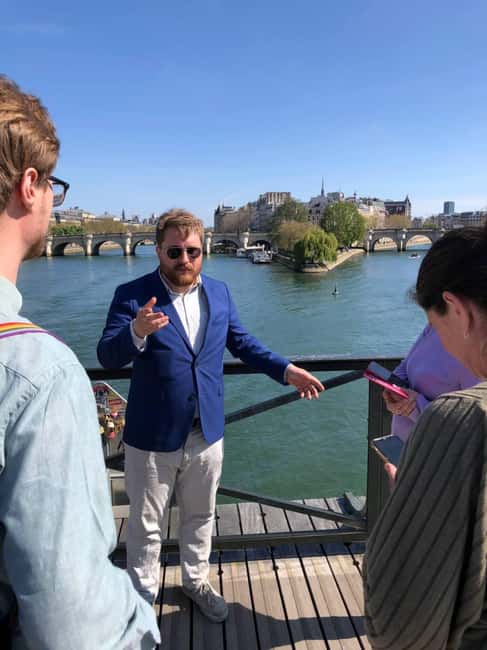
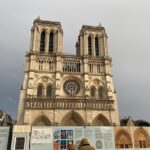
Next you shift toward Île de la Cité, and that’s a smart move. This island is historically central, so it naturally supports stories about power and control. The tour uses this area to reinforce what it’s been saying all along: monarchy-era France wasn’t just pageantry. It was a system powered by strategy—who had access, who could influence decision-makers, and who could survive the fallout.
You’ll get another guided segment here, which keeps the episode structure intact. The walking in between doesn’t feel random. It feels like travel from one plot point to the next.
What I like about this part is how it can change the way you look at the city even if you’ve already been to Paris. Île de la Cité can look like scenery first-time visitors enjoy. On this tour, it becomes something closer to a backstage area where the drama could play out quickly.
If you’re traveling with someone who worries history will be boring, this is a good moment to bring them in. The setting is vivid and the story stays moving.





The Louvre finale: what to spot when you walk inside
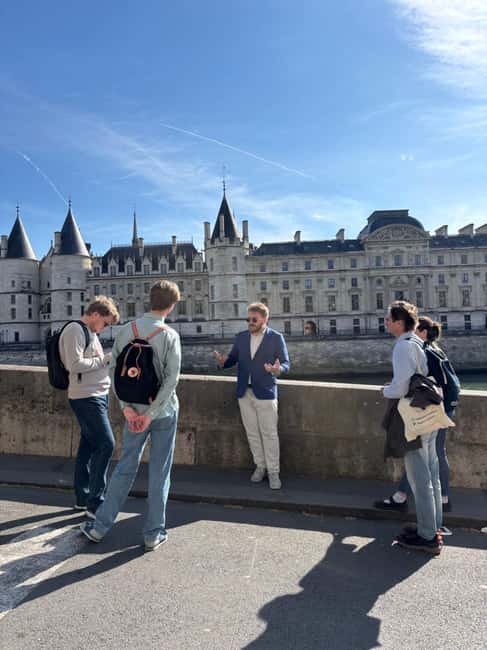
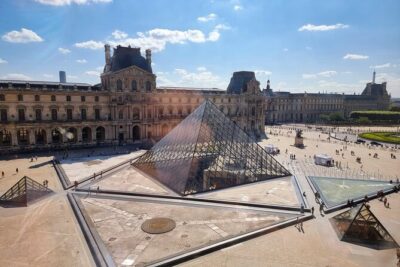
The tour ends at the Louvre Museum, with the final chapter happening not far from the entrance area. That positioning is the best kind of travel hack: you get context before you buy time in a museum.
This matters, because the Louvre isn’t just a building full of masterpieces. It’s also tied to the rise of dynasties and the political atmosphere that shaped what leaders wanted to display. The tour sets you up for the specific kind of history you’ll want to notice when you step into the museum afterward.
A key detail for your planning: Louvre entry is not included. So you should think of this as the briefing that makes your Louvre visit smarter. After the guided walk, you’ll likely want to head into the museum with a sharper question in mind: what power stories are being referenced here, and why does it matter that these events happened around that era?
Also, the tour’s ending location means you’re not forced to “start over” with directions or transit immediately after. The walk finishes where many people naturally want to go next anyway.
Price and value check for $45 per person
At $45 per person for about 2.5 hours, this isn’t a bargain-tour price, and it’s not trying to be. The value comes from how densely it packs storytelling and how well it connects to a major destination afterward.
Here’s what you’re really paying for:
- A guide who specializes in this specific niche of French political intrigue.
- A structured five-episode format that helps you remember what you hear.
- Built-in relevance to the Louvre, which can make your museum time feel less overwhelming.
If you’ve ever walked into a museum and wished you had a “what this means” map first, this tour is designed for that exact frustration. The Louvre is huge. Context helps you choose what to look for, and this experience gives you that context in a way that feels like a narrative, not a worksheet.
On the other hand, if you only want broad, light sightseeing and you hate political plots, $45 may feel like too much for a walking history story. This one is for people who like their history with motives.
Who should book (and who should skip it)

I’d book this if you:
- enjoy story-driven history more than textbook summaries
- like political intrigue, power struggles, and cause-and-effect thinking
- want a pre-Louvre experience that makes your museum visit easier
- enjoy pop-culture references as learning shortcuts (even if you’re not a Game of Thrones superfan)
I’d skip it or consider another option if you:
- want a gentle, mostly scenic stroll
- strongly prefer uplifting, low-stakes historical tales
- don’t like stories involving scandal and violence themes
Also, it’s an English-language tour, led live by the guide. So it’s a great fit for travelers who want a real human guiding the pace and explanations.
Should you book this Paris French Monarchy Intrigues walking tour?
If you’re aiming to get more than the standard Paris highlights, I think this is a strong choice. The best reason to book is practical: the tour gives you a story lens for the Louvre, so you don’t just walk through rooms—you understand what kind of power world you’re stepping into.
It’s also an easy recommendation if you like entertaining history. The format is tight, the guide is described as highly engaging, and the five-episode structure helps you follow even when the topics get complicated. Add the fact that it runs rain or shine with a clear route finish at the Louvre, and it becomes a reliable plan for a half-day slot.
Book it when you want history that feels like a plot. Skip it when you want scenery without any heavy themes.
FAQ
How long is the tour?
The tour lasts about 2.5 hours.
How much does it cost?
It costs $45 per person.
Where does the tour start?
You meet at Pont des Arts. The guide will be standing in the middle of the bridge with a French flag on his shoulders.
Where does the tour end?
The tour ends back at the Louvre Museum area, where you also finish.
Is the Louvre Museum entry ticket included?
No. Louvre entry is not included.
What language is the tour in?
The tour is in English.
What should I bring?
Wear comfortable shoes, since it’s a walking tour.
Does the tour run in bad weather?
Yes. It takes place rain or shine.
Is there any flexibility with booking?
The tour offers reserve now & pay later, and free cancellation up to 24 hours in advance for a full refund.