REVIEW · PARIS
Paris Food Tour Small-Group Gourmet Experience with Lunch & Wine Tasting
Book on Viator →Operated by A Taste of Paris (Voyages LLC) · Bookable on Viator
Paris is a city where you can eat your way through neighborhoods. This 7-hour small-group gourmet walking tour strings together Bastille-market energy, St-Germain-des-Prés sweets, and a final sommelier-led wine tasting at Paris Cave. I particularly like the limited group size (max 8), which keeps the pace human, and the fact that you’re not just snacking, you get context at each stop. One thing to consider: the schedule is built for food and walking, and the wine day may skew toward a certain style, so go in with flexible expectations.
You’ll meet at Rue Traversière in the 12th arrondissement near the Ledru-Rollin metro area and start at 10:00 am. Expect moderate walking, multiple tastings, and a classic Paris café break. If you want a day that feels like a friend with good taste is showing you around, this can be a strong fit. Just plan ahead for finding the guide on time, since the meeting spot can be a little confusing from the outside.
In This Review
- Key things worth knowing before you go
- Bastille to St-Germain: the logic behind this Paris food tour
- Marché d’Aligre: cheese and wine where locals shop
- A typical Paris café lunch: fuel, not just a break
- St-Germain-des-Prés chocolatiers: what to look for in every bite
- Salon de thé break: tea or coffee with pastry
- Paris Cave wine tasting: four wines plus charcuterie
- Guide quality and the reality of a max-8 group
- Meeting point: how to avoid the most common snag
- Walking pace and how to plan your appetite
- Price and value: what you’re paying for at $268.82
- Who this Paris gourmet tour is best for
- Should you book this 7-hour Paris food tour?
- FAQ
- How long is the Paris Food Tour with lunch and wine tasting?
- What time does the tour start and where is the meeting point?
- How large is the group?
- Is lunch included?
- What tastings are included?
- How many wines do you taste with the sommelier?
- Is hotel pickup included?
- Are metro tickets included?
Key things worth knowing before you go
- Max 8 people means more time for questions and less time waiting around.
- Marché d’Aligre is the real local scene, not a staged food court.
- You get both lunch and multiple tastings, so you’re not hunting menus all day.
- St-Germain-des-Prés includes famous names like Chocolats Richart, and might include Pierre Marcolini, Debauve et Gallais, or Patrick Roger.
- The finale at Paris Cave includes four wines plus a shared charcuterie platter.
- The pace is foodie-focused, with moderate walking and no hotel pickup.
Bastille to St-Germain: the logic behind this Paris food tour
This itinerary works because it follows how Parisians actually eat: markets first, then a meal, then sweetness, then wine. You start in the Bastille area with the kind of neighborhood commerce where people pop in, chat, and buy what looks best. Then you shift west into St-Germain-des-Prés, where chocolate and pastry are treated like serious craft. The final move to Paris Cave gives the day structure, so you’re not just wandering until you’re too tired to enjoy what’s in front of you.
If you like tours that feel practical and local, you’ll appreciate the backbone of the day: you’re walking through real neighborhoods with a guide who connects what you taste to what you’re seeing. And if you’re traveling with limited time, this compresses a lot of Paris food culture into one day without making you memorize a self-guided route.
You can also read our reviews of more food & drink experiences in Paris

Marché d’Aligre: cheese and wine where locals shop
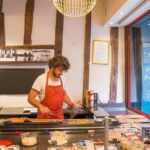
The market stop is the heart of the morning. You’ll wander through Marché d’Aligre, which is known for fresh produce and everyday stalls. The best part here is that tasting happens in context. Instead of just being handed bites, you’re seeing how merchants work and what’s in season, and then tasting as you go.
You’ll also sample local flavors tied to the market vibe—specifically cheese and wine. That combination matters. Cheese is where you learn how French tasting is built: fat, salt, and dairy texture that can handle wine structure without flattening the flavors. Wine brings acidity and lift, so the cheese doesn’t feel heavy.
Practical note: markets are active places. Wear comfortable shoes and keep a little breathing room in your appetite. You’ll likely be full before you think you should be, which is normal on a tasting tour.
A typical Paris café lunch: fuel, not just a break
After the morning market walking, the tour takes you to lunch at a typical Parisian café. The important word here is typical: you’re not being funneled into an overly touristy dining room with fixed-size portions. Lunch is where the day’s schedule becomes manageable, because you’re not constantly snacking.
You’ll enjoy a seasonal French meal and it’s paired with wine. That matters for two reasons. First, it turns lunch into part of the lesson, not a pause between tastings. Second, it helps you pace the sweetness coming later, since savory food resets your taste buds.
If you’re the kind of eater who likes to decide for yourself, don’t fight the format. Think of lunch as the tour’s reset button, and go in ready to trust the pairing.
St-Germain-des-Prés chocolatiers: what to look for in every bite
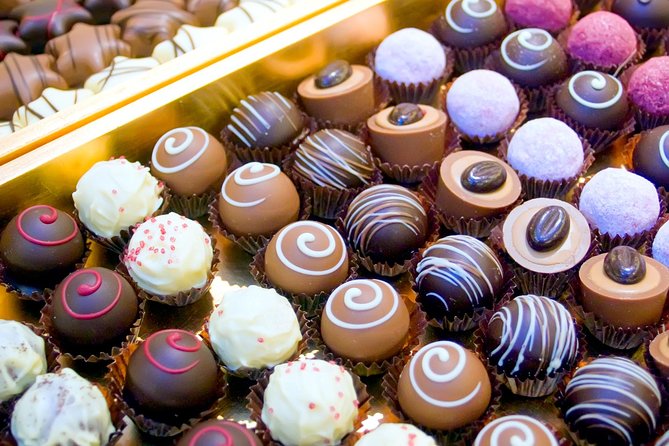
Then the day turns sweet, in a very St-Germain way. You’ll head into the artistic St-Germain-des-Prés area for stops at three of the city’s top confectionaries. Depending on the day, you might hit names like Chocolats Richart, Pierre Marcolini, Debauve et Gallais, or Patrick Roger.
This is not just about eating chocolate. It’s about learning the differences you can actually taste. Dark chocolate can bring bitterness that needs fat to round it out. Milk chocolate can feel sweeter but still have depth when the cocoa is balanced. And macarons are a different skill entirely—texture and flavor matching, not just sugar.
One useful tip: when you’re offered multiple sweets, focus on one question per stop. For example: Is the finish clean or lingering? Is the sweetness front-loaded or does it build? This keeps the experience from feeling like random eating.
Also, if you love chocolate but don’t love sticky sweetness, take your time with each bite instead of rushing. Your taste buds will thank you later when wine arrives.
Salon de thé break: tea or coffee with pastry
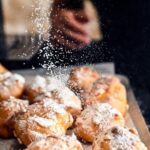
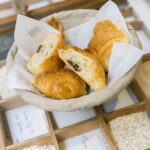
After chocolates and macarons, your feet get a well-timed rest at a traditional salon de thé (tea room). You’ll get to choose a tea, coffee, or hot chocolate, paired with a fresh-baked pastry.
This break is more than comfort. It helps you reset your palate again. Tea can cut richness and keep flavors from clumping together in your mouth. Coffee can do a similar job, especially if you’ve been drinking wine earlier and want something with punch. Hot chocolate is the cozy choice, though it can make everything else feel a bit sweeter—so if you’re sensitive to sugar, pick tea or coffee instead.
This is a good moment to slow down your pace mentally. Stand up straight, take a breath, and let the guide’s next step make sense before you rush back into walking.
You can also read our reviews of more tours and experiences in Paris


Paris Cave wine tasting: four wines plus charcuterie
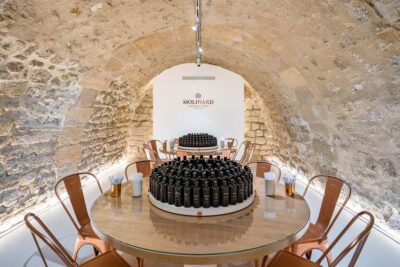
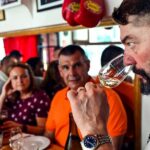
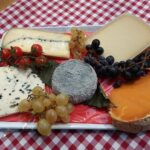
The finale is at Paris Cave, where you taste four different French wines with a sommelier. You’ll also snack on a shared charcuterie platter while the wines come out. This is one of the best parts of the day because it turns wine into something you can actually talk about later.
Here’s why the charcuterie pairing is smart. Salty meats and cured flavors give wine something to work against. As the tasting moves through different bottles, you’ll notice how acidity, tannin, and body change your perception of food. The sommelier-led approach helps you connect what you taste to why it happens, including practical tips on pairing.
One consideration: wine preferences vary. If you tend to prefer one color over another, pay attention to the direction the tasting is taking that day. Some people may find the lineup heavily tilted, so it helps to show up open-minded and ready to enjoy the tasting lesson even if it’s not your favorite style.
Guide quality and the reality of a max-8 group
A tour is only as good as its guide, and this one is built to keep the relationship tight. With no more than 8 travelers, you’re not stuck waiting for group instructions every five minutes. The small group also makes it easier to ask questions about what you’re eating, why it pairs with wine, and how to spot similar flavors on your own later.
One guide name that pops up in the experience of others is David, praised for making the day fun. If you’re lucky enough to get a guide who brings that kind of energy, you’ll probably find the day flows easier and feels more like a conversation than a lecture.
Just be aware: with small groups, punctuality matters more. You’re meeting at street level, not behind a big hotel lobby. Arrive a few minutes early and scan for your guide’s group rather than assuming there will be a giant sign.
Meeting point: how to avoid the most common snag
The tour meets at Rue Traversière (75012 Paris) and starts at 10:00 am. It ends back at the meeting point later the same evening. That sounds simple, but street-level Paris meetings can be tricky.
A specific caution: instructions can point you toward a news stand next to Café du Faubourg. If that’s what you’re given, follow it closely. If you don’t see the stand, don’t wander for long. Recheck your exact pin location, look around the immediate area, and give yourself a little cushion before your start time.
This is the kind of issue you can prevent easily, and it’s the difference between a smooth start and a stressful one.
Walking pace and how to plan your appetite
This is a walking tour with moderate walking, designed for a full foodie day. That means you’ll likely be on your feet more than you expect if you’re coming in from a long flight or a big morning of museum time.
To keep the day enjoyable:
- Eat lightly the morning of the tour. You’ll start with a market stop and build from there.
- Wear comfortable shoes. You’ll need them for both walking and standing at tastings.
- Bring a water bottle. Tastings won’t replace hydration.
- Don’t overcommit your evening plans right after. You’ll finish with wine and a lot of food in your system.
Also, the tour runs under France’s minimum drinking age of 18. If your group includes anyone who can’t drink, you’ll want to check how the tastings are handled for non-drinkers, since the itinerary includes wine as a named highlight.
Price and value: what you’re paying for at $268.82
At $268.82 per person, this isn’t a budget “wander and snack” tour. But the price isn’t just for walking with a guide. You’re paying for a structured day that includes lunch plus multiple tastings, including four wines with a sommelier and charcuterie, and a sweet circuit with chocolates and macarons.
If you tried to recreate this yourself, you’d spend money on:
- market time plus guidance (so you’re not guessing what to order),
- lunch with wine pairing,
- multiple high-end chocolate stops,
- and a formal wine tasting with a sommelier.
So the value question isn’t whether the tour costs a lot. It’s whether you want someone else to handle sequencing, pacing, and the pairings. If that sounds appealing, the price starts to look reasonable.
There’s also a timing advantage. This day is designed to hit different neighborhood rhythms. Doing it DIY can work, but you’ll lose the flow.
Who this Paris gourmet tour is best for
You’ll probably love this tour if:
- you want a small-group day instead of a large bus-crowd vibe,
- you enjoy food lessons, not just eating,
- and you want a solid mix of market culture, chocolate craft, and wine tasting.
You might not love it if:
- you hate walking or want long sit-down stretches,
- you’re very picky about wine styles and expect a specific kind,
- or you’re likely to get stressed by street-level meeting logistics.
If you’re celebrating something, this can be a great choice too. The day has built-in variety, and the final wine session feels like a “finish strong” moment.
Should you book this 7-hour Paris food tour?
Book it if you want a guided day that hits Marché d’Aligre, St-Germain sweets, and a real wine tasting with a sommelier, all in about 7 hours with lunch included. The max-8 format is a major plus, and the overall structure makes it easy to enjoy without over-planning.
Hold off if you’re worried about meeting point confusion or you know you’re sensitive to one particular wine style. In that case, ask what the lineup typically looks like and double-check the meeting instructions you receive.
One final practical note: it’s a good plan to take advantage of free cancellation up to 24 hours in advance if your schedule is still flexible. That way you can lock in a great food day without feeling trapped.
If you do book, arrive early, wear good shoes, and go in hungry—but not reckless. Paris will feed you either way. The real win is experiencing it in the right order.
FAQ
How long is the Paris Food Tour with lunch and wine tasting?
The tour lasts about 7 hours.
What time does the tour start and where is the meeting point?
The tour starts at 10:00 am. The meeting point is Rue Traversière, 75012 Paris, France.
How large is the group?
The tour is limited to a maximum of 8 travelers.
Is lunch included?
Yes. Lunch is included as part of the tour.
What tastings are included?
You’ll have tastings including cheese and wine at the market, chocolates and macarons in St-Germain-des-Prés, and a hot drink with pastry during the afternoon break. The wine tasting also includes charcuterie.
How many wines do you taste with the sommelier?
You taste four different French wines during the sommelier-led wine tasting.
Is hotel pickup included?
No. Hotel pickup and drop-off are not included.
Are metro tickets included?
No. Metro tickets are not included, though you’ll be starting near the Ledru-Rollin metro area.