REVIEW · PARIS
Paris: Croissant Baking Class with a Chef
Book on GetYourGuide →Operated by Studio Pâtisserie · Bookable on GetYourGuide
Flaky layers start with one roll. This Paris croissant baking class is interesting because you learn the real method in a small, working kitchen, not a demo room. I love the hands-on folding coaching with Chef Léo, and I love the small-group size that makes it easy to ask why each step matters. The one drawback to plan for is that croissant dough takes physical effort to roll and stretch, so you’ll want to come ready for some arm work, and it’s not suitable for kids under 15.
In about three hours, you move through dough prep, the butter-and-dough folding pattern, and shaping classic crescents while also picking up the science behind good texture. You finish with warm, fresh croissants you helped make, plus a recipe you can actually use at home.
If you’re looking for a fun “Paris food” activity that still teaches skills you’ll keep using, this hits the sweet spot between hands-on and practical. Just know it’s taught in English and capped at 8 participants, so expect a focused pace and real instruction.
In This Review
- Key things I’d circle before you book
- Studio Pâtisserie meets Paris reality: 3 hours, 1 real workstation
- What you learn: dough, butter folds, shaping, and the “why” behind flaky layers
- The science lessons that actually change your outcome
- Hands-on pace: how the folding and shaping feel in real life
- From the oven to your bag: what you eat and what you take home
- Chef Léo (and other instructors like Maria): why the teaching style lands
- Bi-color croissants on select days: what changes and who it suits
- Price and value: why $140 can make sense here
- Who should book (and who should sit this one out)
- Tips to get better results when you go home
- Should you book this Paris croissant baking class?
- FAQ
- How long is the croissant baking class?
- Is the class taught in English?
- How many people are in the group?
- Where do we meet in Paris?
- Is it suitable for children?
- Do I need baking experience?
- Is there a bi-color croissant option?
- What do I take home?
Key things I’d circle before you book
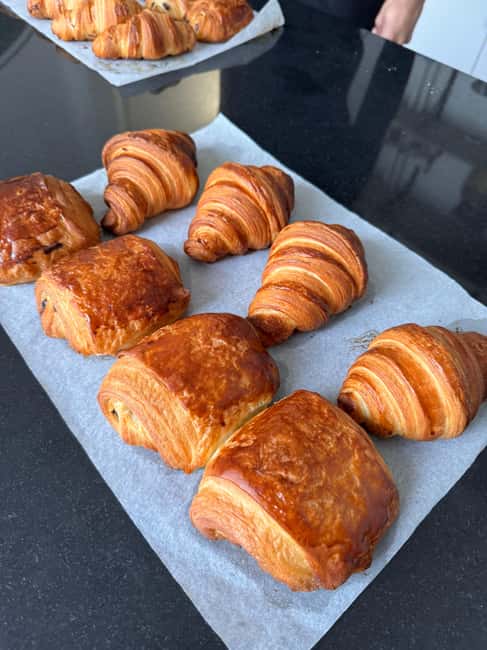
- Chef-led technique: guidance on dough, folds, proofing, and shaping
- Small group, real attention: limited to 8 participants for personalized tips
- Science meets practice: butter quality, proofing nuances, and why steps matter
- You eat what you make: warm sampling of the pastries during class
- Optional bi-color class dates: adds color work to the croissant dough on select days
Studio Pâtisserie meets Paris reality: 3 hours, 1 real workstation
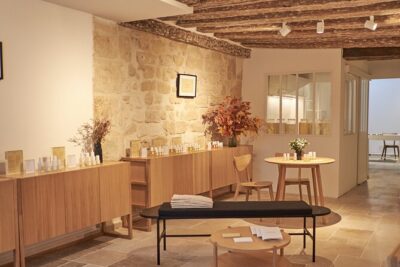
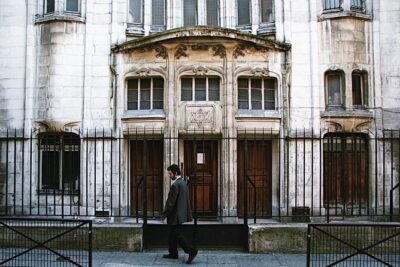
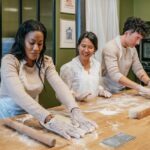
This isn’t the kind of class where you hover and watch. The setup at Studio Pâtisserie is made for you to get your hands dirty at the same bench where the pastry work happens. You meet at a building with a gray storefront, and it’s set up so you can find it without a big scavenger hunt.
Getting there is straightforward with public transport. The nearest options listed are Metro Line 2 (Rome) and Metro Line 3 (Villiers), so you can stitch this into a day of neighborhood wandering without too much backtracking.
The duration is 3 hours, which matters because croissants need time to rest and proof. That means the class schedule isn’t random. You get a guided flow that respects dough timing, while still keeping you actively working during the steps you can control.
You can also read our reviews of more cooking classes in Paris
What you learn: dough, butter folds, shaping, and the “why” behind flaky layers
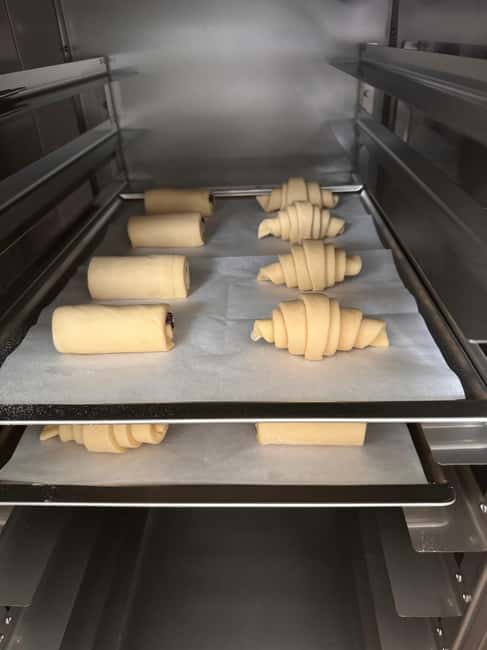
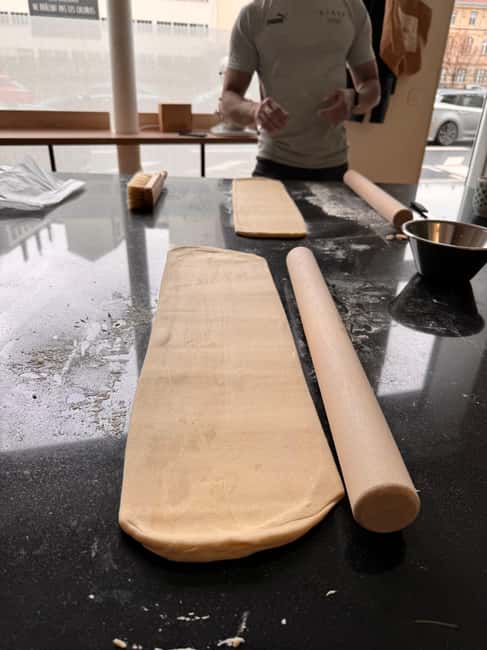
A croissant is basically a layered butter-and-dough system, and this class teaches that idea in plain terms. You start with dough preparation, then you learn the delicate part: managing the fold so you build layers instead of crushing them.
Here’s what you’re really practicing as you work:
- Rolling and working the dough without overheating it
- Folding with precision so layers stay intact
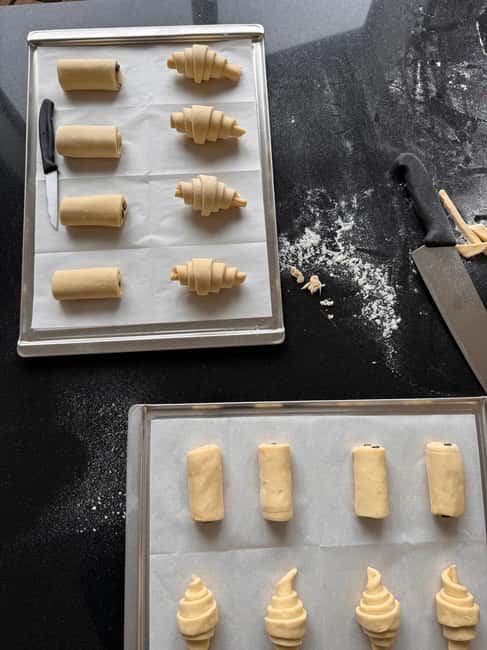
- Shaping into classic crescents with a repeatable approach
The chef’s coaching is the difference between flaky luck and flaky results. In class, you’re not just doing motions. You’re also getting corrections that help you adjust as you go, because croissant dough can be forgiving in some ways and picky in others.
One smart thing they emphasize is that croissant making is partly technique and partly timing. So when you’re waiting for dough to rest or proof, you’re not just sitting there. You’re learning the science behind that waiting, which keeps the class from feeling like a long pause.
The science lessons that actually change your outcome
Croissant texture and flavor come from details that aren’t obvious until you hear them explained. During the class, you learn key points like the importance of butter quality and the role of proofing in getting the right structure.
This part is valuable because it helps you make better choices at home, where your ingredients and kitchen conditions will be different. If you know what proofing is doing, you can stop guessing and start adjusting.
You also get insight into the history and how croissant-making evolved as a craft, which gives your hands-on work some context. It’s not trivia for trivia’s sake. It helps you understand why bakers care so much about consistency and technique.
And because the class is capped at 8 people, questions don’t get swallowed. If you’re unsure about what you’re seeing (or what you’re supposed to do next), you can ask, and you’ll get guidance tied to your current step.
Hands-on pace: how the folding and shaping feel in real life
Croissant dough work can sound intimidating, but the class structure turns it into manageable chunks. You gather around the workstation, and the chef walks you through each phase: dough work, folding technique, rest periods, and then shaping.
You’ll likely notice two things quickly:
- Folding takes control, not force.
- The dough rewards patience.
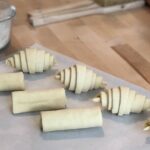
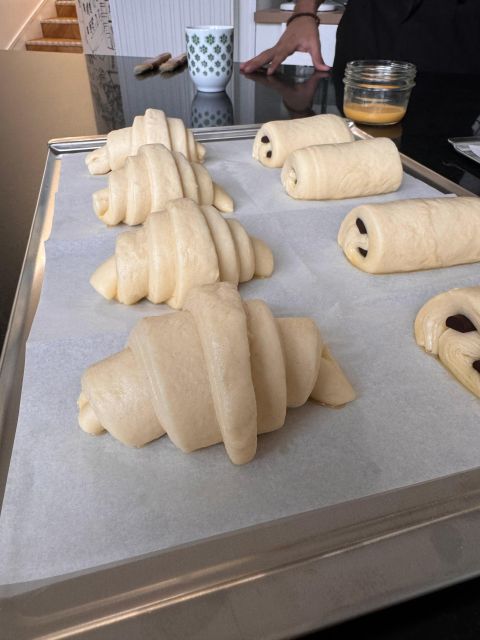
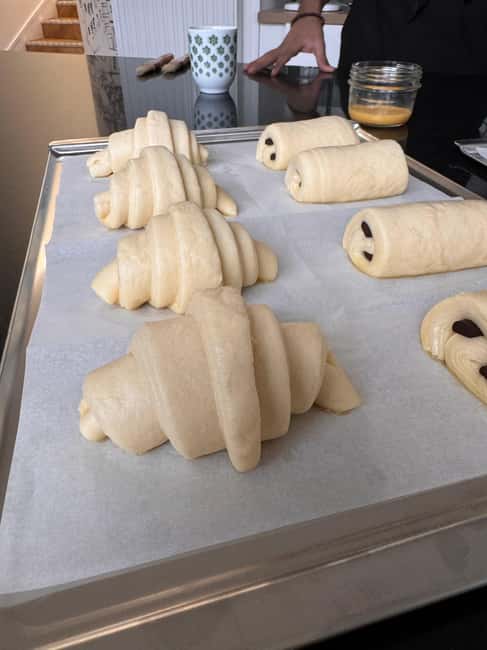
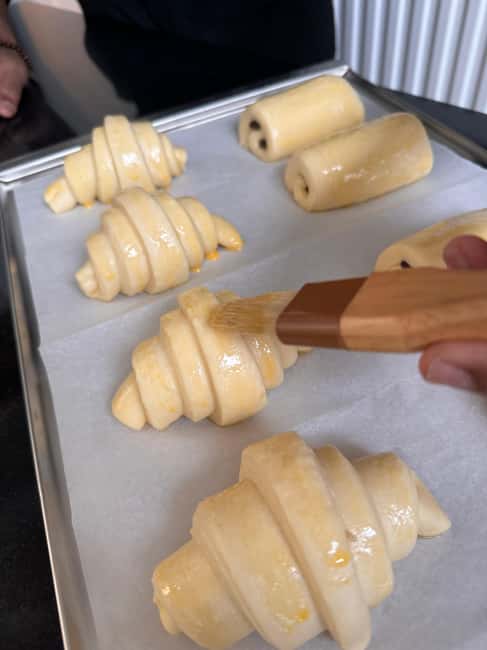
You’re learning how to cut, roll, and shape into crescents under the chef’s watchful eye. That last part matters more than people think. A crescent that’s shaped correctly bakes into a pastry that looks right, flakes right, and keeps its layers instead of splitting into a sad pancake situation.
By the time you’re shaping, you’ve already built confidence from doing the earlier steps yourself. And if you’re a first-timer, the class is designed for that. Many participants mention that even when they weren’t confident at the start, the instruction made the process feel doable.
From the oven to your bag: what you eat and what you take home
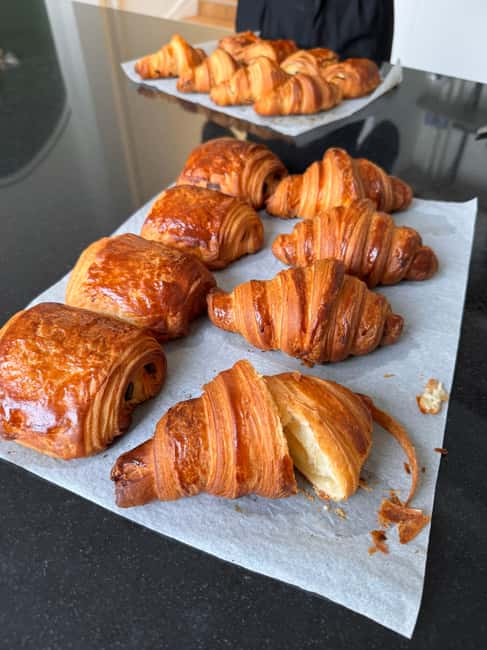
Croissants don’t taste like croissants if you make them and they never hit real heat. Here, you get sampling during class and then you enjoy the warm pastries you made as they come out.
The included experience includes ample sampling of freshly baked croissants, including the ones your group helped create. People often mention that there’s plenty to share, and you may be able to take some home for later. That’s the practical side of booking a class: you’re not leaving with only a PDF and memories.
You also take home a recipe. That sounds basic, but it’s actually part of the value. A lot of classes leave you with vague instructions. This one gives you a reference you can use when you try again.
If you’re the type who buys a bunch of fancy pastries and says I’ll try that at home, this class is built to change that mindset. The goal is that you leave with technique you understand, not just a list of ingredients.
You can also read our reviews of more tours and experiences in Paris





Chef Léo (and other instructors like Maria): why the teaching style lands
The class is led by Chef Léo as the expert guide. Several participants also reference instruction from a chef named Maria on other sessions, and the common thread is hands-on coaching and clear explanations.
What makes the teaching style work is the balance between light humor and real correction. The chef isn’t talking at you for three hours. You’re doing steps, then getting quick adjustments so you don’t repeat the same mistake.
You’ll also notice that the chef keeps an eye on the whole group. In small classes, that matters. If you’re stuck, you get help without slowing everyone down. If you’re doing well, you get extra tips and small upgrades to your technique.
This is where the small-group limit becomes practical. With 8 participants, you’re more likely to leave thinking I could actually repeat this, instead of feeling like I witnessed baking.
Bi-color croissants on select days: what changes and who it suits
There’s an optional bi-color croissant baking class on selected days. If you choose it, you learn how to incorporate vibrant color into the croissant dough.
What’s worth knowing is that it’s not just a visual gimmick. Adding color can change how you handle dough and how you manage mixing, layering, and consistent shapes. So the class becomes an extra step of technique while still covering the foundational croissant method.
This option is especially appealing if you already feel comfortable with classic shaping and want something more playful for your home baking. Some people take regular classes first, then return for bi-color to challenge themselves.
Price and value: why $140 can make sense here
At $140 per person for about 3 hours, the price isn’t “cheap,” and it shouldn’t be compared to a casual cooking demo. It’s closer to paying for a chef-led, hands-on workshop with professional tools and ingredients provided.
Here’s what you get for that money, in concrete terms:
- Expert guidance throughout the process
- All necessary ingredients for the croissants
- Access to professional-grade kitchen equipment and tools
- A recipe to take home
- Warm sampling of freshly baked pastries
- History and science insights tied to what you’re doing
The value lands best if you want technique, not just taste. If you enjoy learning by doing, the small group and personalized tips help you get more out of the session. And if you’re the kind of person who hates paying for activities that give you nothing to use later, this class has a payoff: you leave understanding why things work.
Who should book (and who should sit this one out)
This is a physical class. Not in a “sport” way, but croissant dough needs arm strength for rolling and working. So wear or bring something comfortable and be ready to use your hands for real.
Age rules matter too. It’s not suitable for children under 15. Children under 17 must be accompanied by a paying adult. If you’re traveling with teens who truly want to bake, this can work well, especially because the chef guides hands-on steps and keeps instruction clear.
English instruction is helpful if you don’t speak French. And because the group is limited to 8, solo travelers and couples often like it because you get attention without feeling like you’re in a big crowd.
If you’re only looking for a quick pastry snack, you might find the effort doesn’t match the payoff. But if you want an activity that feels Parisian and still teaches a skill you can repeat, this one fits.
Tips to get better results when you go home
You’ll get a recipe, but your biggest boost at home comes from remembering what you practiced here: gentle handling, correct folding, and respect for proofing time. Those are the three ideas most home attempts fail at.
Before you try your own batch, write down the chef’s “why this step” answers while they’re fresh. You’ll remember the moments that didn’t feel clear in the workshop, and you can focus on those next time.
Also, plan to practice once you have the right setup: enough counter space, time for resting, and a kitchen temperature that won’t sabotage your dough. Croissants aren’t a last-minute baking project.
If you choose the bi-color option, treat your first attempt like a technique practice, not a perfection contest. Color adds variables, so start with getting the handling right before aiming for the prettiest look.
Should you book this Paris croissant baking class?
I think you should book it if you want a hands-on Paris experience that teaches technique you can reuse. The combination of Chef Léo’s guidance, a small group limited to 8, and a recipe you take home makes this more than a fun couple of hours.
I’d skip it if you hate physical kitchen work, or if you’re traveling with younger kids who don’t meet the age guidance. And if your only goal is to eat a croissant quickly, you can find better “no effort” pastry options elsewhere.
For the right person, this is a high-value way to bring a real French skill home, one flaky layer at a time.
FAQ
How long is the croissant baking class?
The class lasts about 3 hours.
Is the class taught in English?
Yes, the instructor teaches in English.
How many people are in the group?
The class is a small group limited to 8 participants.
Where do we meet in Paris?
You meet at Studio Pâtisserie at the gray storefront. The nearest metro lines listed are Metro Line 2 (Rome) and Metro Line 3 (Villiers).
Is it suitable for children?
It’s not suitable for children under 15. Children under 17 must be accompanied by a paying adult.
Do I need baking experience?
No prior baking experience is required. The class is structured with step-by-step instruction and hands-on guidance.
Is there a bi-color croissant option?
Yes, there is a bi-color croissant baking class option on selected days, and it includes the bi-color croissant ingredients and class.
What do I take home?
You’ll take home a recipe for future reference, plus you’ll have sampling of freshly baked croissants during the class.