REVIEW · PARIS
Paris City Tour 2h00 Citroën DS Vintage with Open Roof
Book on Viator →Operated by Regencia Transfert · Bookable on Viator
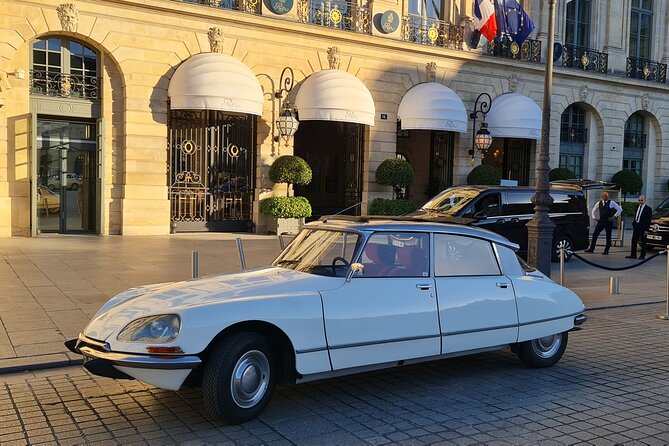
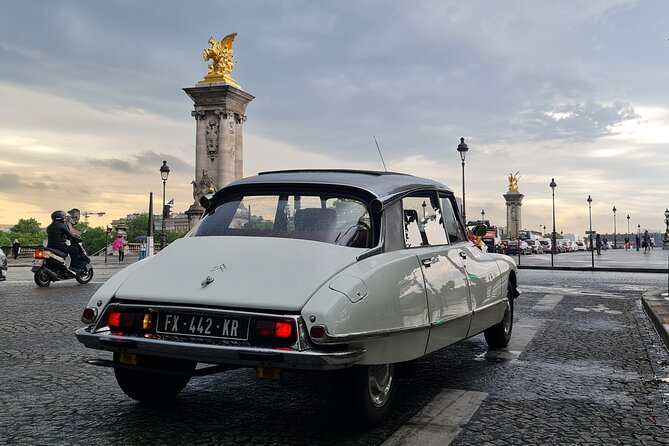
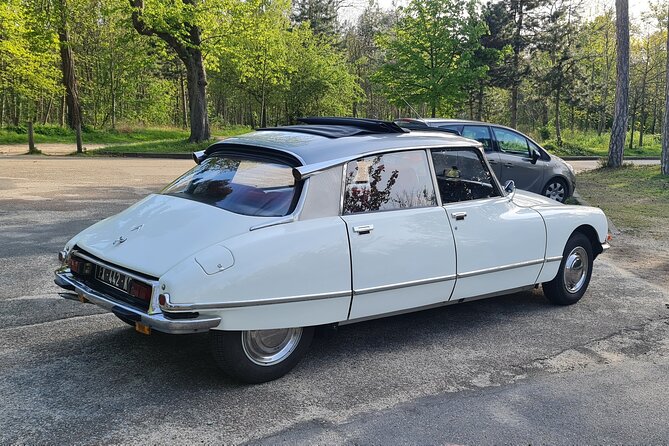
A vintage open-top Citroën makes Paris feel personal. This 2-hour private city tour uses a classic open roof Citroën DS to whisk you between the big hits, while your driver points out what matters and keeps the timing tight.
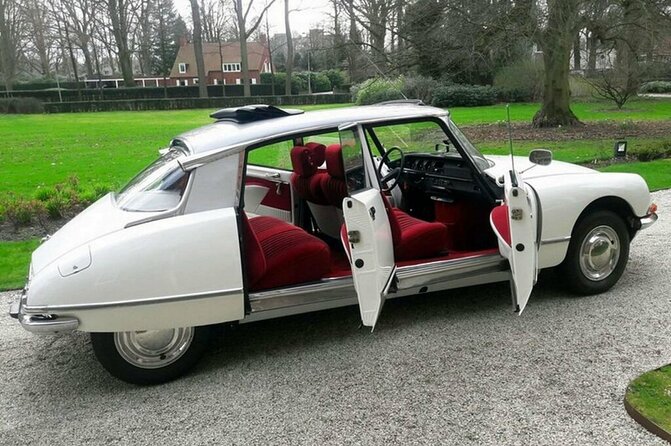
I love the pure style and comfort of the Citroën DS, especially the smooth, comfy ride during longer stretches of road. I also like how the route is built for quick, high-impact viewing—so you get outside time for photos without needing to plan a separate hop-by-hop itinerary.
One possible drawback: many sights are brief and tickets for major monuments are not included, so this is best if you want views and orientation more than long interior visits. Plan your expectations accordingly, and you’ll have a better time.
In This Review
- Key things that make this tour click
- Why a vintage open-roof Citroën DS works so well in Paris
- Price and what you’re really paying for ($342.42 per group)
- Pickup, timing, and how the 2-hour rhythm shapes your day
- Eiffel Tower: what you get in a short stop (and what you don’t)
- Arc de Triomphe and the Champs-Élysées connection for first-time bearings
- Louvre Pyramid to Place Vendôme: classic Paris without the long museum detour
- Palais Garnier Opera: seeing the public spaces at your own pace
- Trocadéro and Palais de Chaillot: the Eiffel Tower angle you’ll want later
- The little extras: water, plus optional champagne and macaroons
- Who this tour suits best (and who should look elsewhere)
- Should you book the Paris City Tour in the Citroën DS?
- FAQ
- How long is the Paris City Tour in the vintage Citroën DS?
- What does it cost, and how many people can ride?
- Is pickup offered?
- Is the tour in English?
- Are admission tickets included for major monuments?
- What’s included besides the car ride?
Key things that make this tour click
- Private tour for up to 4 people: You’re not sharing the car with strangers, which makes it easier to talk, ask questions, and move at your pace.
- Vintage open-roof Citroën DS: The open top turns transit into part of the experience, not just getting from place to place.
- Driver-led photo pacing: Stops are short, so you’re set up for the highlights without eating your whole day.
- Classic Paris landmarks in one sweep: Eiffel Tower, Arc de Triomphe, Champs-Élysées, Louvre area, Place Vendôme, and the Opera district all show up.
- Bottled water included: A small thing, but it helps when you’re moving around for views.
- Optional treats add a special touch: If you want the champagne-and-macaroons moment, you’ll pay extra.
Why a vintage open-roof Citroën DS works so well in Paris
Paris icons hit different when you see them from the street. Inside a classic car with an open roof, the pace feels more human, and you get that sense of place right away—air in your face, views sliding past, and fewer “where do we go next?” moments.
This tour is also practical for first-timers. In only about two hours, you can get a clean orientation line through central Paris, which helps a lot when you later choose where to spend real time.
And if you’re a car person, you’ll probably enjoy the vibe even more. Some groups have talked about extra enthusiasm from the driver—like conversation about the vehicle itself—because the car is part of the charm, not just the transportation.
You can also read our reviews of more city tours in Paris

Price and what you’re really paying for ($342.42 per group)
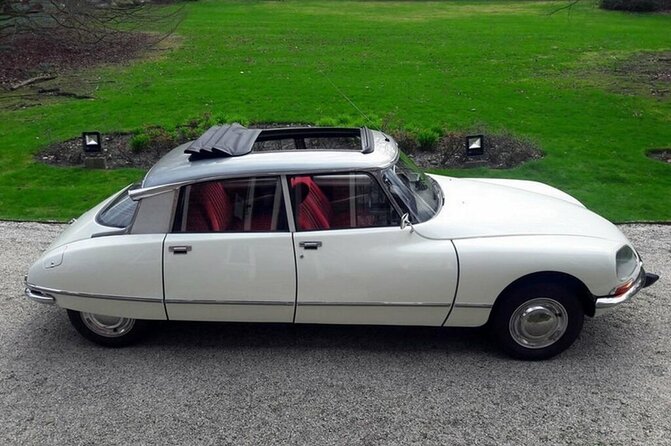
The price is $342.42 per group (up to 4) for roughly 2 hours. That matters because you’re paying for a private vehicle and driver, not a per-person admission-style ticket.
Here’s the value angle: if you fill all four seats, the per-person cost drops a lot versus booking solo. Even at two people, you still get a straightforward benefit—direct pickup and a tight highlight route—without sharing with other groups that might slow everything down.
What you should budget for separately is mostly sight tickets and optional treats. Champagne and macaroons are listed as extras (half bottle of champagne for +40 euros, macaroons +10 euros). If you’re trying to keep costs controlled, treat those as “nice if we feel like it,” not a baseline expectation.
Pickup, timing, and how the 2-hour rhythm shapes your day
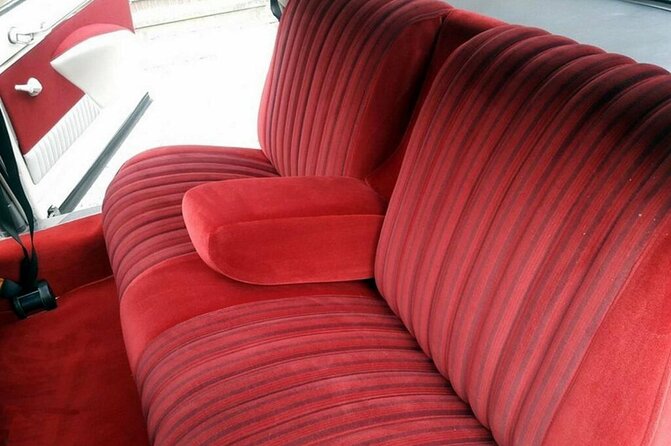
Pickup is offered, and the pickup and drop-off points are based on what you choose as your support and arrival locations. That flexibility is a big deal in Paris, where the difference between one neighborhood and another can change your trip time fast.
The tour is designed to keep moving. You’ll see major landmarks and get photo windows, but you’re not looking at a full “wander inside each place” day. If you want the Louvre Museum or the Eiffel Tower to be a deep dive, this tour should be your orientation warm-up—not your entire sightseeing plan.
Also keep in mind: central Paris traffic can be brutal, especially around major works and event-related construction. One past experience involved a late cancellation tied to traffic pressure and vehicle overheating concerns, which is a reminder to build in flexibility on your schedule. If you have a tight reservation after the tour, keep a buffer.
Eiffel Tower: what you get in a short stop (and what you don’t)
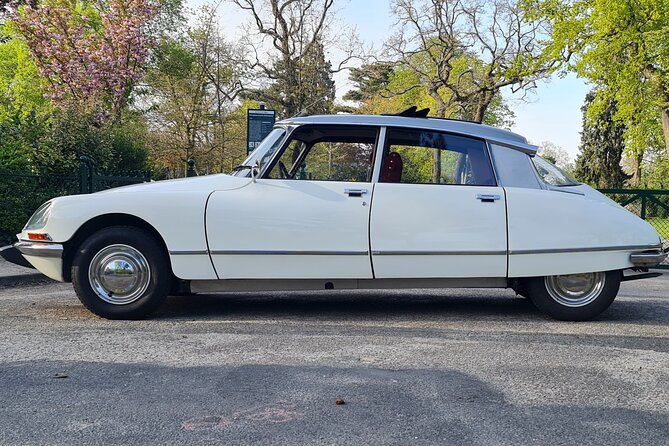
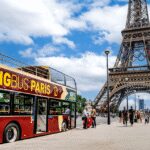
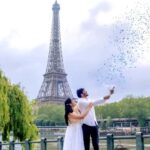
You start with a stop at the Eiffel Tower area, close to the Champ de Mars. It’s not just famous—the structure was designed and built by Gustave Eiffel’s company, declared a historical monument in 1964, and it’s part of the UNESCO World Heritage listing from 1991.
The practical expectation here is simple: the stop is short, and admission is not included. That means you’ll likely focus on exterior views and photos from the ground, not a full summit or tower interior visit.
So what’s the point of a brief Eiffel stop? Orientation. You get the scale, the angle, and the way the tower sits in the city layout. Later, when you decide whether you want to go up, you’ll have a much clearer sense of what vantage you prefer.
If you want to connect this tour to a bigger Eiffel plan, consider matching it with another time of day when the light suits you. Even without the climb, the tour’s timing can help you decide what you want next.
Arc de Triomphe and the Champs-Élysées connection for first-time bearings
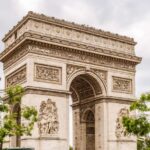
From the Eiffel Tower zone, the route continues toward the Arc de Triomphe at the western end of the Champs-Élysées. This monument sits in the center of Place Charles de Gaulle, a junction shaped by multiple radiating avenues—meaning you’re not just looking at a building, you’re seeing the city’s geometry at work.
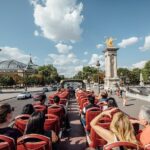
Then comes the walking descent portion through the Champs-Élysées down toward Place de la Concorde and the Louvre Pyramid area. The Champs-Élysées is wide and straight, so even a short stretch gives you a strong “I get it now” moment about Paris layout.
What I like about this section is that it’s a real-world navigation win. After you’ve seen the route from arc to concorde, you stop feeling lost about how neighborhoods connect, and you can plan your next day more confidently.


Louvre Pyramid to Place Vendôme: classic Paris without the long museum detour
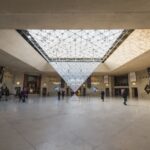
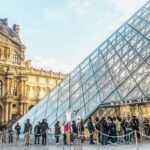
Next you’ll move through the area around the Louvre Pyramid, with the Louvre Museum referenced as a major stop in the overall route. The Louvre is described as the world’s most visited museum and home to major works like the Mona Lisa and Venus de Milo—so even if you don’t go inside, it signals exactly where the cultural gravity sits.
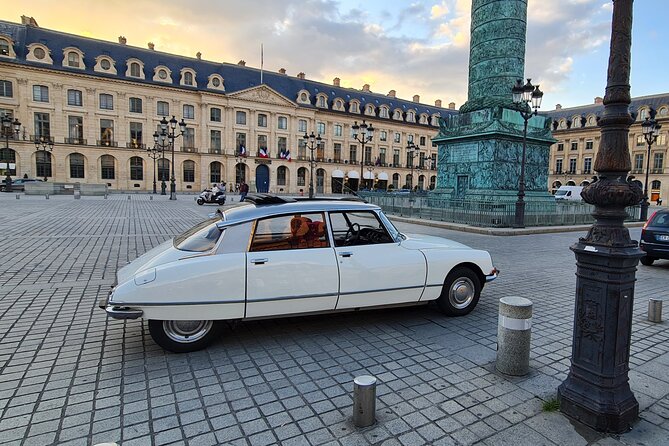
You also pass Place Vendôme, a square in the 1st arrondissement north of the Tuileries Garden and east of the Madeleine Church. It’s tied to the starting point of rue de la Paix, so it’s one of those areas that feels both central and quietly elegant compared to the busiest boulevards.
Because your time is limited, this portion is best used for street-level orientation: where the major landmarks sit, how they relate to each other, and which side of the road offers better photo angles. If you’re hoping for a detailed museum itinerary, you’ll need a separate plan—but you’ll still leave with a clear sense of where everything is.
Palais Garnier Opera: seeing the public spaces at your own pace
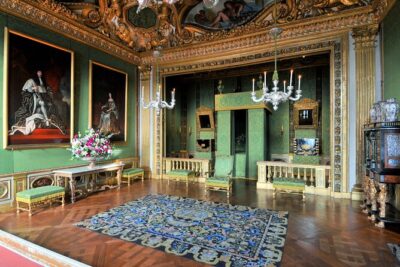
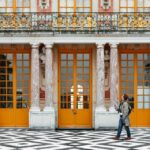
The route includes the Paris Opera area, with a self-guided tour of the public spaces of Palais Garnier. That matters because you still get the architectural payoff without forcing a rigid, guided-only experience inside.
The Palais Garnier is known here as a masterpiece of 19th-century theatrical architecture. And even if opera isn’t your thing, these public spaces are exactly the kind of stop that rewards short visits—because you can choose how long to look at details and how much to focus on the big-picture elegance.
What you might find helpful: treat this as a visual reset mid-tour. You’ve been outside in busy streets and open air; stepping into an ornate interior helps break up the energy so the last portion of the tour doesn’t feel like nonstop sightseeing.
Trocadéro and Palais de Chaillot: the Eiffel Tower angle you’ll want later
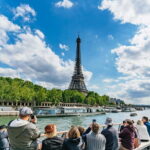
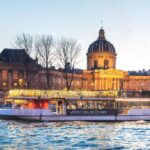
The final highlight heads to Place du Trocadero-et-du-11-Novembre for one of the most iconic Eiffel views. You’ll also see Palais de Chaillot, a building on the top of the Chaillot hill in the Trocadéro district.
Here’s a neat historical detail that adds meaning to the view: for the 1937 International Exhibition, part of the older Palais du Trocadéro from 1878 was demolished and rebuilt to create Palais de Chaillot. That means the viewpoint isn’t accidental—it’s part of how the area was shaped for major international attention.
This stop is short, and admission tickets are not included, so expect a viewing-and-photo moment. I like this ending because it flips the perspective: you’ve seen Eiffel from one direction earlier, and now you get a classic “postcard” angle from the Trocadéro side.
If you’re deciding whether to return for Eiffel again later, this is where the decision becomes real. You’ll feel what you like—height, composition, distance, and the exact way the tower sits against the sky.
The little extras: water, plus optional champagne and macaroons
Bottled water is included, which is honestly the kind of small detail that keeps a short tour from feeling stressful. In central Paris, you can walk more than you think even during quick transitions, so having water ready helps.
Champagne and macaroons are offered as add-ons, with prices listed for each (+40 euros for a 1/2 bottle of champagne and +10 euros for macaroons). If you’re celebrating something—birthday, anniversary, proposal—this can be a tasteful way to make the experience feel special.
Just plan it the same way you’d plan a picnic: you want the moment, but you don’t want it to slow down the tour. Since the route is time-based, keep your expectations focused on enjoying the experience rather than turning it into a long hangout session.
Who this tour suits best (and who should look elsewhere)
This tour is a strong match if you want a fast, high-impact overview of central Paris. You’ll like it if you enjoy iconic landmarks, want easy direction on where major sites are, and prefer a guided-to-your-seat transport style.
It also makes sense for car lovers and couples celebrating together. The vintage car factor is a real part of the fun, and some guests have described extra enthusiasm and interaction around the vehicle itself—like time for engine talk or a front-seat moment when schedules allow.
On the other hand, if your main goal is deep museum time—Louvre interior hours, for example—this won’t be enough on its own. Think of it as orientation and street-level structure first, then add separate ticketed visits afterward.
Finally, it’s a private tour, so it suits groups that want control. With up to four people, you can adjust your priorities more easily than you could on a bigger group bus.
Should you book the Paris City Tour in the Citroën DS?
If you’re planning a first visit and you want the highlights with minimal planning, I’d lean toward booking. The value is strongest when you fill the group capacity, and the open-roof format makes Paris feel less like a checklist and more like a moving panorama.
Book it especially if you:
- want a driver-led route through Eiffel Tower, Arc de Triomphe, Champs-Élysées, and the Louvre area
- prefer short, photo-ready stops over long museum sessions
- want pickup-and-drop convenience in central neighborhoods
Skip it (or pair it with more time elsewhere) if you:
- need lots of time inside specific monuments and museums
- can’t handle schedule compression due to tight reservations right after
- dislike the idea that traffic and vehicle comfort can affect exact timing, even on private tours
Bottom line: this is a classic Paris highlights tour with a vintage ride twist. If you want a smart orientation and a memorable vehicle experience, it’s a very good bet.
FAQ
How long is the Paris City Tour in the vintage Citroën DS?
The tour lasts about 2 hours.
What does it cost, and how many people can ride?
It costs $342.42 per group, up to 4 people.
Is pickup offered?
Yes. Pickup is offered, and the pickup and arrival locations are based on what you specify.
Is the tour in English?
Yes, it’s offered in English.
Are admission tickets included for major monuments?
Admission tickets are not included. The Eiffel Tower and the Palais de Chaillot viewing stops specifically note that tickets are not included.
What’s included besides the car ride?
Bottled water is included. Champagne and macaroons are optional extras with listed prices.