REVIEW · PARIS
Paris Boutique-style French Pastry Class with a French Chef
Book on Viator →Operated by Patisserie a la Carte · Bookable on Viator
Sweet lessons, French-style. This is a small-group Paris pastry class capped at six people, led by a French pastry chef (Julie is named in student feedback), so you’re not stuck in the back pretending to stir. You’ll learn classic techniques and make several traditional sweets you get to eat and pack up afterward.
The main thing I like is the practical teaching style: you’re handed the tools, the recipes, and the steps, then you do the work. One consideration: there’s no hotel pickup, so plan to reach the meeting point near metro on your own by the 2:00 pm start.
In This Review
- Key highlights to know before you go
- Where the class happens: 9 Rue Thimonnier and a 2:00 pm start
- What you’re paying for: chef time in a group of six
- The 2.5-hour flow: from mixing and baking to finishing
- Step 1: Get your station and your recipes
- Step 2: Chef guidance on the key techniques
- Step 3: Hands-on work at your station
- Step 4: Bake, set, assemble, then taste
- Step 5: Take-home packaging and next steps
- What pastries you may make (and what skills you’re really learning)
- Crème Caramel: calm hands for custard precision
- Madeleines: batter rest and the right bake
- An eight-layer meringue cake: volume, layering, and patience
- Cream and mousse techniques you can reuse later
- Value check: why $113.49 can make sense in Paris
- Taste, take-home, and how to make it last
- Who this class is best for (and who might not love it)
- Quick tips so your pastry turns out well
- Should you book this Paris pastry class?
- FAQ
- How much does the Paris pastry class cost?
- How long is the experience?
- How big is the class?
- Who teaches the class?
- Are recipes provided?
- Can I take the pastries home?
- Is hotel pickup included?
- Where is the meeting point?
- What should I do if I have allergies or dietary needs?
Key highlights to know before you go
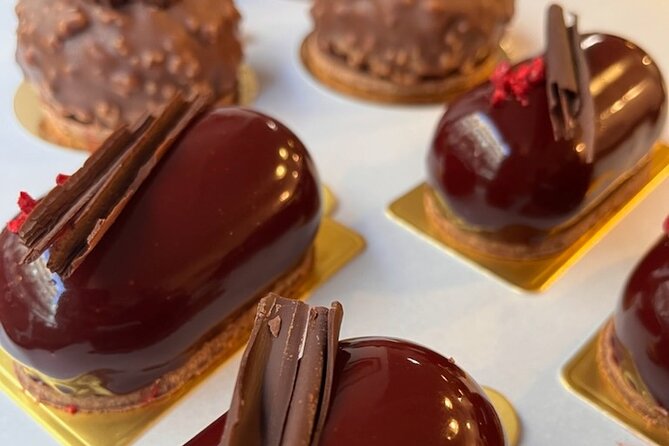
- Small group of just six keeps the pace friendly and the attention real
- French pastry chef instruction (Julie) gives you hands-on, professional guidance
- Everything included: aprons, equipment, English recipes, tea and coffee
- Take-home bags included so your work doesn’t vanish by 6 pm
- Hands-on prep with possible pairing (some tasks may run in groups of two)
Where the class happens: 9 Rue Thimonnier and a 2:00 pm start
This class meets at 9 Rue Thimonnier, 75009 Paris, and it runs for about 2 hours 30 minutes. The start time is 2:00 pm, and you return to the same meeting point at the end, so you’re not juggling multiple transfers or long breaks between activities.
Because there’s no hotel pickup, you’ll want to build a little buffer into your schedule. I’d aim to arrive early enough to get settled, find the space, and start with a clear head—pastry time is unforgiving in the nicest possible way. The good news: it’s noted as near public transportation, which makes it easier to get there without turning your afternoon into a logistics project.
You can also read our reviews of more tours and experiences in Paris

What you’re paying for: chef time in a group of six
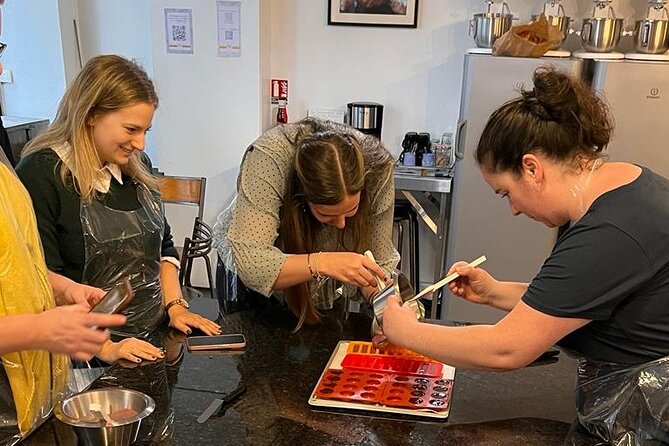
A class like this costs more than a general cooking session because you’re paying for a real professional workflow—chef-led, not just a walk-through. The six-person cap matters. You get enough space to work, enough chances to ask questions, and enough time to actually finish what you started (instead of watching someone else plate everything).
You’ll also get the full toolkit. Aprons, cooking equipment, and an English-language copy of the recipes are included. Plus, you’ll have tea and coffee during the session, which sounds small until you realize how much better the afternoon feels once you’re not running on espresso fumes and nerves.
One extra detail to keep in mind: even though it’s small-group, some preparations may be done in pairs. That’s normal for certain doughs, batters, or assembly steps where speed and teamwork help things stay on schedule.
The 2.5-hour flow: from mixing and baking to finishing
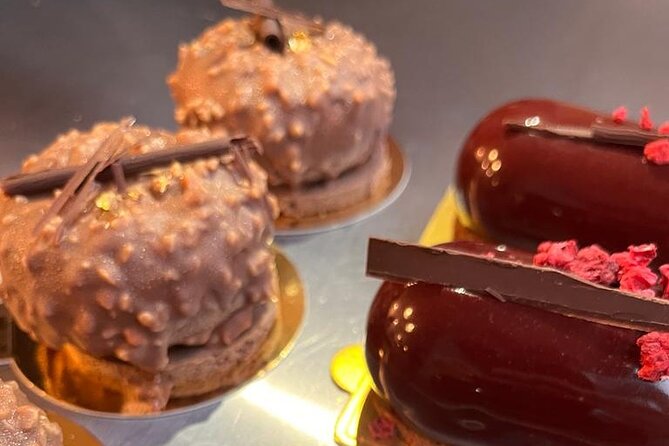
Classes are hands-on, and the pacing is built around pastry reality: some things bake, some things rest, and some things need time to set before you can safely move to the next step. Expect a setup that moves you through the process in clear stages rather than sending you off alone with ingredients and wishful thinking.
Here’s how the experience is designed to feel:
Step 1: Get your station and your recipes
You’ll be given the recipes in English, plus aprons and equipment. This is a big deal for value because it means you can recreate the same process later, not just remember a vibe.
Step 2: Chef guidance on the key techniques
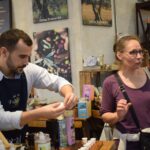
Your French pastry chef will guide you through the method, with emphasis on the points that usually make or break results—texture, temperature, consistency, and timing. The class is positioned as boutique-style, and that shows in the way techniques like fillings and creams are taught as processes, not magic tricks.





Step 3: Hands-on work at your station
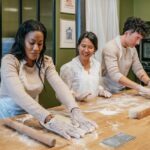
You’ll actively make the desserts, not just watch. The class aims to teach techniques such as mousses, mirror glazes, fillings, ganaches, and Bavarian cream. You might not use every single technique every time (the exact menu can vary), but you’re learning the logic behind them.
Step 4: Bake, set, assemble, then taste
Pastry class isn’t complete until you eat what you made. At the end, you’ll indulge in your own sweet treats, and the session finishes back where you started.
Step 5: Take-home packaging and next steps
You’ll get take-home bags, so you can bring your creations with you as a souvenir. You’re also getting an extra digital gift: the Everyday Gourmet French Tarts eBook is included as part of a 10th-anniversary offer.
What pastries you may make (and what skills you’re really learning)
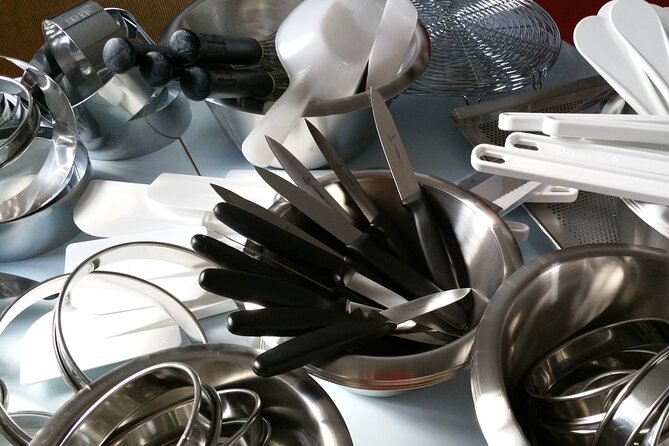
The class focuses on classic French pastries and “several different” sweets, and past sessions have included a few specific favorites. Based on what’s described, you can reasonably expect a lineup that teaches you both dessert basics and showpiece technique.
Crème Caramel: calm hands for custard precision
Crème caramel is simple in concept and tricky in execution. You’ll learn how to manage caramel without burning it, and how to handle custard so it sets smoothly. This is one of those desserts where the chef’s guidance on consistency and timing pays off fast.
The skill you’re building here is process control: when to stop cooking, when to let heat do the job, and how to avoid the common texture issues that come from rushing.
Madeleines: batter rest and the right bake
Madeleines are small, cute, and absolutely not as easy as they look. They usually require a batter rest and careful baking so you get that classic texture and the charming shell-like shape.
If you’re new to French baking, madeleines are a great learning target because they teach patience and timing in a manageable format. You’ll also get practical experience with how batter behaves once it’s heated.
An eight-layer meringue cake: volume, layering, and patience
This is the kind of dessert that makes you feel like you’re building something, not just baking something. An eight-layer meringue cake demands attention to whipping (for structure), baking (for crispness), and careful layering so you don’t lose the shape you’re working for.
Even if your hands feel a little shaky halfway through, the class format is designed to keep you moving step-by-step. The reward is big: you end up with a dramatic dessert that still tastes like real French pastry, not just sugar.
Cream and mousse techniques you can reuse later
Even when the dessert menu changes, the class is structured to teach techniques like mousses, mirror glazes, fillings, and ganaches, plus Bavarian cream. If you’ve ever wondered why some desserts look glossy and professional while others look… homemade, you’ll start to see the difference.
Think of this class as teaching you the “why” behind the look. Once you understand how these elements behave, you’ll be able to adapt to other recipes at home with much more confidence.
Value check: why $113.49 can make sense in Paris
Let’s talk money plainly. At $113.49 per person, you’re not buying a snack. You’re buying:
- A French pastry chef guiding you through multiple pastry components
- A small group of six, so instruction time is distributed to actual hands, not just a camera angle
- All equipment, aprons, and recipes included
- Tea and coffee during the class
- Take-home bags so you leave with the fruits of your labor
- The anniversary Everyday Gourmet French Tarts eBook (extra practice after the class)
In Paris, food experiences range from cheap and cheerful to pricey and fancy. This one lands in the “worth it if you’ll actually use what you learn” category. The recipes in English and the fact you take home what you make are key. You’re getting usable skills, not just a one-time entertainment item.
Also, it’s typically booked about 21 days in advance on average. That’s a gentle sign that this class fills up—so if you’re set on it, booking sooner is smart.
Taste, take-home, and how to make it last
You’ll get to indulge in what you prepare during the session. Then you’ll package up your pastries in take-home bags, which is perfect if you want a sweet souvenir that doesn’t turn into airport snacks only.
Practical tip: treat your take-home desserts like they’re delicate work products. Meringues and caramel-based desserts can be sensitive to humidity and jostling, so keep them upright and give them a calm journey back to your lodging.
Who this class is best for (and who might not love it)
This masterclass is marketed as fit for all skill levels, from beginners to experienced bakers. I like that approach because pastry doesn’t require you to already know French baking jargon—you just need someone to guide the critical steps.
It also fits groups that want a shared activity without losing the quiet focus that pastry needs. In student feedback, a granddaughter and adult group shared the experience, and teens and adults were both described as enjoying the results.
The only obvious mismatch is if you’re looking for a sit-and-watch experience. This is hands-on. You’ll be mixing, shaping, and learning by doing.
Quick tips so your pastry turns out well
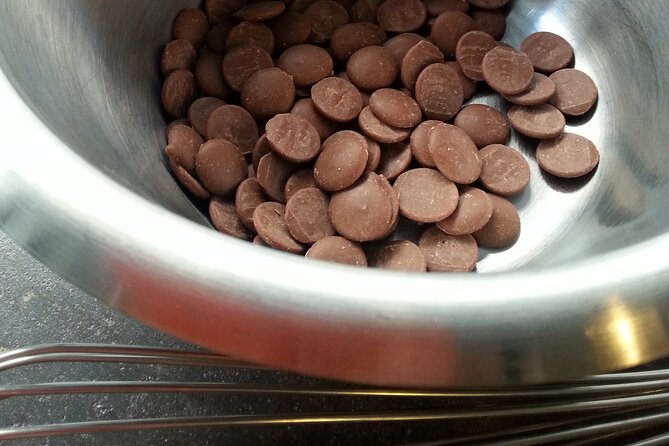
Pastry class goes smoother when you show up ready to work.
- Wear comfortable clothes that can handle flour and a hot kitchen vibe
- Let the chef know about allergies or special dietary requirements at booking, so adjustments can be planned
- Use the English recipe copy to follow along and take notes on what the chef emphasizes
- Ask questions early, especially about consistency and timing—those are where most problems start
- If you get paired for certain prep tasks, treat it like teamwork, not a delay. It often speeds things up
Should you book this Paris pastry class?
I’d book it if you want a focused, small-group French pastry experience where you actually make multiple desserts and leave with skills you can repeat. The value hinges on the same things that make it enjoyable: six people or fewer, a French chef (Julie is specifically mentioned), included recipes in English, and take-home results.
I wouldn’t book it if you need hotel pickup or you strongly prefer a passive class. Since there’s no pickup, you’ll also want to be comfortable navigating to 9 Rue Thimonnier using public transport.
If you’re the type who likes bringing home more than photos—like something you can slice, share, and taste later—this is an excellent use of an afternoon in Paris.
FAQ
How much does the Paris pastry class cost?
It costs $113.49 per person.
How long is the experience?
The class lasts about 2 hours 30 minutes.
How big is the class?
The class is capped at a maximum of 6 people.
Who teaches the class?
A professional French pastry chef leads the class.
Are recipes provided?
Yes. You receive an English language copy of the recipes.
Can I take the pastries home?
Yes. Take-home bags are included, and you’ll leave with the pastries you make.
Is hotel pickup included?
No. Hotel pickup and drop-off are not included.
Where is the meeting point?
The meeting point is 9 Rue Thimonnier, 75009 Paris, France.
What should I do if I have allergies or dietary needs?
You should advise any allergies or special dietary requirements at the time of booking.