REVIEW · PARIS
Occupation and Liberation of Paris
Book on Viator →Operated by Interkultur Paris · Bookable on Viator
Paris hides its Occupation in plain sight. This 2-hour-15-minute small-group walk connects 11 key spots from Bouillon Chartier to Place de la Concorde with Occupation and Liberation stories in the exact places you’re standing. It’s a rare way to watch history play out on real streets, not in a museum room.
I especially like how the guide (often identified as historian Thierry Heil) ties each building to what happened there—daily life, culture, denunciation, and the economics behind the Occupation. One thing to consider: it’s a French-language tour, so English speakers should plan on contacting the operator ahead of time.
In This Review
- Key Points You Should Know Before You Go
- Walking With the Occupation: Why This Route Works
- Stop One: Bouillon Chartier and the Feeling of Daily Life
- Stop Two: Folies Bergère and Artistic Life Under Pressure
- Stop Three: Passage Verdeau and How Space Could Be Requisitioned
- Stop Four: Hotel Drouot and Looted Art in Plain Sight
- Stop Five: Mairie du 9e and Resistance vs. Denunciation
- Stop Six: BNP Paribas and How Banks Fit the Occupation
- Stop Seven: Pathe Opéra Premier and Requisitioned Entertainment
- Stop Eight: Place de l’Opéra, Kommandantur, and the Café de la Paix
- Stop Nine: Place Vendôme, Rue de la Paix, and Collaboration Hot Spots
- Stop Ten: Rue de Castiglione and the Ground Floor of Liberation
- Stop Eleven: Place de la Concorde and Liberation Traces
- Timing, Pace, and How to Prepare
- Value for the Price: What $25.44 Buys You
- Who This Tour Suits Best (and Who Might Want a Different Plan)
- Should You Book This Occupation and Liberation Tour?
- FAQ
- What language is the tour in?
- How long is the Occupation and Liberation of Paris tour?
- Where does the tour start and end?
- Is this tour ticketing digital?
- How many people are in the group?
- Are there admission tickets to pay at each stop?
- Is the tour suitable for most people?
- What happens if the weather is bad?
- Can I cancel for a full refund?
- Are service animals allowed?
Key Points You Should Know Before You Go
- 11 stops, ending at Place de la Concorde: you get a clear arc from Occupation details to Liberation traces
- Most stops are free to stand at: the tour’s admissions are listed as free at each location
- A focused topic that moves street by street: culture, banks, looted art, Resistance, and collaboration all show up
- Maximum 12 people: this keeps it conversational instead of lecture-only
- Weather matters: it’s planned as an outdoor walking experience
Walking With the Occupation: Why This Route Works
This tour is built for people who want more than postcard Paris. You start in the 9th arrondissement near Bd Poissonnière and end at Place de la Concorde, using famous corners as anchors for the darker machinery of WWII in France.
What makes it click is the mix of daily life and power. One minute you’re near a place linked to food and theater-going; the next you’re in an area tied to financial control and art spoliation. It feels like Paris is turning its pockets inside out.
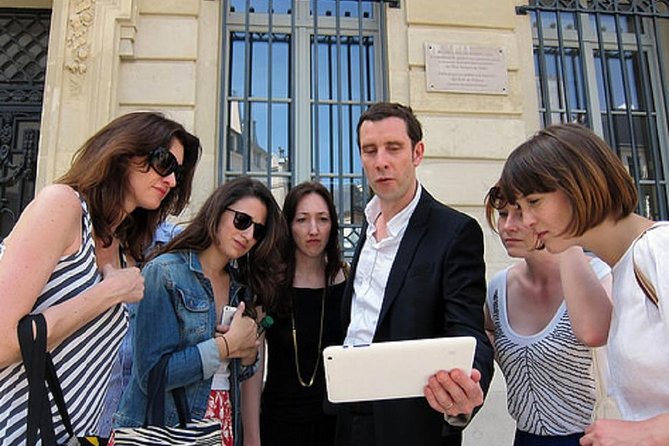
And because it’s small-group sized, you’re not stuck watching a guide from the back. You can ask questions and get answers on the spot, which helps the stories land.
You can also read our reviews of more tours and experiences in Paris.


Stop One: Bouillon Chartier and the Feeling of Daily Life
You begin at Bouillon Chartier on the Grands Boulevards area, and the tone is set right away. The focus isn’t just big political events—it’s the daily rhythm of Paris under Occupation, with dramatic anecdotes that make the routines feel real.
This opening stop is smart because it gives you a baseline. Before the tour jumps into art, institutions, and transactions, you understand what the city’s normal feel turned into during that period.
Practical note: even though it’s described with “admission ticket free,” you’ll still want to stand close enough to hear clearly. That first segment matters—so come ready with shoes that can handle a few hours of walking.
Stop Two: Folies Bergère and Artistic Life Under Pressure
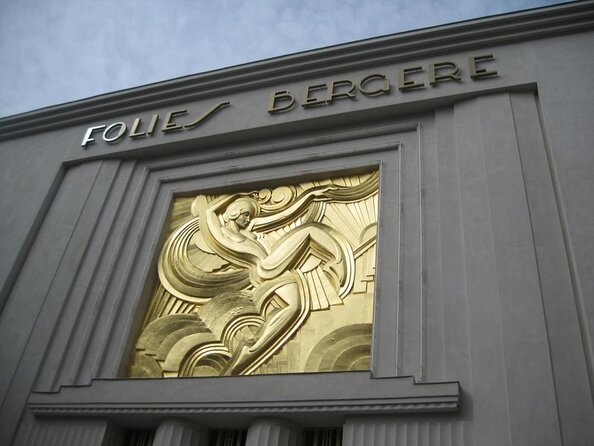
At Folies Bergère, you shift from everyday survival to the way art kept going—while also being pulled into the reality of Occupation. The tour frames it through testimonies on intense artistic life, touching stars, music halls, and cinemas.
The value here is perspective. Paris is known for culture, so it’s unsettling to learn how that cultural machine functioned during the Occupation years instead of imagining it stopped.
If you’re the kind of person who likes to connect history to music and entertainment, this is one of the most satisfying stops. You’ll leave with a clearer sense that public life didn’t disappear—it changed shape.
Stop Three: Passage Verdeau and How Space Could Be Requisitioned
Next comes Passage Verdeau, where the tour points out that the passages retain the decorations and atmosphere you’d associate with that era. And then it takes a darker turn: across the way, a building housed a brothel that was requisitioned by the German army.
This is one of those moments where a small street scene becomes a big lesson. You learn how Occupation wasn’t only about soldiers—it was about control over spaces, services, and people’s choices.
Drawback to keep in mind: this stop is short, about five minutes. You’ll want your photos ready fast, but also be prepared to listen through the explanation rather than treating it like a quick selfie stop.
Stop Four: Hotel Drouot and Looted Art in Plain Sight
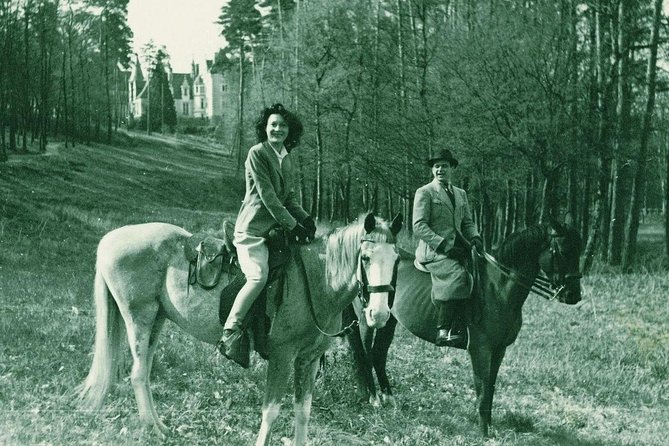
At Hotel Drouot, the discussion turns to sales—how objects and works of art were sold during the Occupation. The tour also explains spoliation of Jewish property and shares the story of a German art dealer working for the Reich.
This stop is heavy, but it’s also one of the most useful if you want to understand how economic systems supported oppression. You’re not just hearing that art was stolen—you’re hearing how the market handled it, and what that meant.
One consideration: if you prefer light topics, this is where the emotional weight increases. But if you came for a truthful picture of the period, Drouot is exactly where that honesty shows up.


Stop Five: Mairie du 9e and Resistance vs. Denunciation
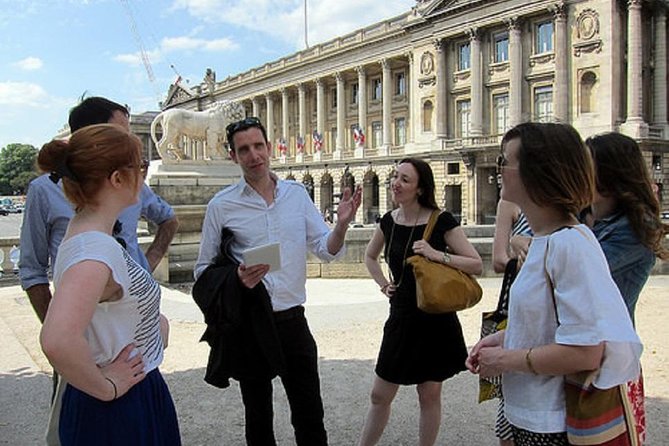
At the town hall in the 9th arrondissement, the tour connects the war to the local level. There’s a focus on approaching the Resistance through a town hall employee, and it also addresses denunciation and everyday resistance.
This stop works because it breaks your idea of Resistance out of the hero-movie box. The tour treats it as something tied to ordinary life, not only secret meetings and dramatic acts.
Because this segment is about ten minutes, you’ll get the core narrative without overstuffing. Still, it helps to pay attention early on—town-hall contexts can be easy to gloss over if you’re thinking about the next photo.
Stop Six: BNP Paribas and How Banks Fit the Occupation
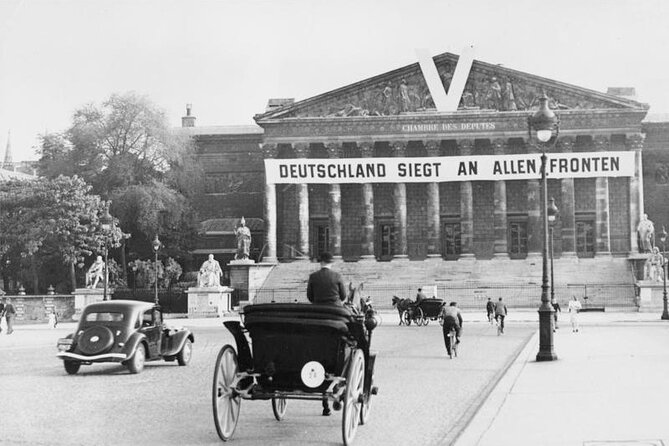
Now the tour moves into money—banks and power. At BNP Paribas | Maison Dorée, you’ll hear about the role of banks under Occupation, plus the situation on the Paris stock exchange and how armistice agreements between France and Germany shaped economic and political realities.
This is where the route earns its title: Occupation isn’t only troops and propaganda. It’s also paperwork, deals, and institutions that decide who benefits.
If you like history that explains systems, you’ll probably find this stop one of the most practical. It turns abstract politics into something you can picture in a specific place.
Stop Seven: Pathe Opéra Premier and Requisitioned Entertainment
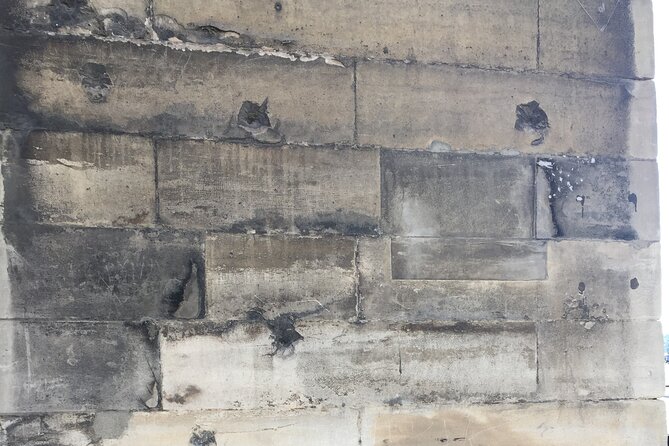
Near the Opéra area, the tour points you toward Pathe Opéra Premier as an example of a cinema requisitioned for German soldiers. Nearby, it also references another building associated with a major propaganda exhibition promoting anti-Semitism.
This stop is unsettling in a very specific way. It shows how entertainment infrastructure could be repurposed, while propaganda used public culture as a tool of hatred.
Tip for enjoying this portion: slow down your pace and give the explanation your full attention. The connections the guide makes between cinema, soldiers, and propaganda are the point—not the building itself.
Stop Eight: Place de l’Opéra, Kommandantur, and the Café de la Paix
At the Espace patrimonial linked to BRED-Banque Populaire, the tour frames Place de l’Opéra as extremely symbolic. You’ll hear about the Kommandantur, the Café de la Paix, and the Opera, with anecdotes connected to the period.
This is one of the stops where you get the “big city logic” of Occupation. The tour helps you see why certain crossroads mattered: people, decisions, and power concentrated in the same spaces.
Because it’s listed as about ten minutes, it’s long enough to connect the dots, but not so long that you lose energy. If you’ve been walking for a bit, this timing helps keep you engaged.
Stop Nine: Place Vendôme, Rue de la Paix, and Collaboration Hot Spots
At Place Vendôme, the tour connects the fate of jewelry stores on Rue de la Paix to the broader Occupation story. It then shifts to the Ministry of Justice being occupied by German forces, notes one of the first Resistance networks established opposite, and discusses the Ritz hotel as a high place of collaboration.
The Ritz part is especially striking because it reminds you that even luxury spaces were entangled in collaboration. The tour also notes that celebrities regularly went there, which helps explain why the social world and the Occupation world didn’t stay separate.
Practical drawback: this stop can feel like a lot at once. To get the most value, keep track of the three threads the guide emphasizes—industry (jewelry), justice power, and collaboration/luxury.
Stop Ten: Rue de Castiglione and the Ground Floor of Liberation
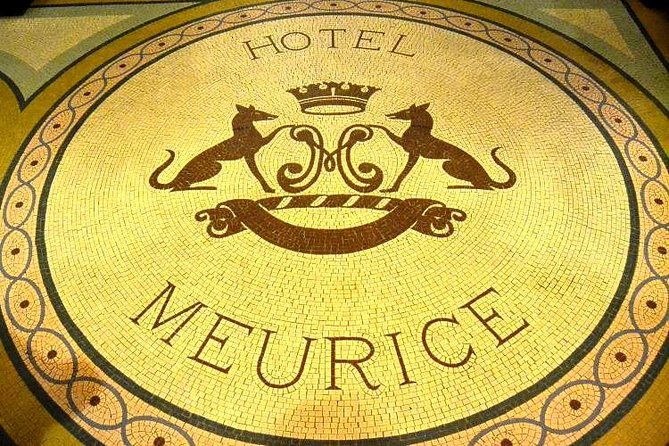
Rue de Castiglione brings you into a zone where large hotels housed German army headquarters. The tour also highlights how, behind the Meurice hotel, you can approach the main characters linked to these places and the battles of the Liberation that ended here.
This portion helps you stop thinking of Liberation as a distant date on a timeline. It becomes something tied to specific streets and buildings.
If you’re someone who likes “what happened where” history, this is a satisfying stop. Just remember: the emotional content is tied to conflict, so give yourself a moment to absorb it rather than rushing for photos.
Stop Eleven: Place de la Concorde and Liberation Traces
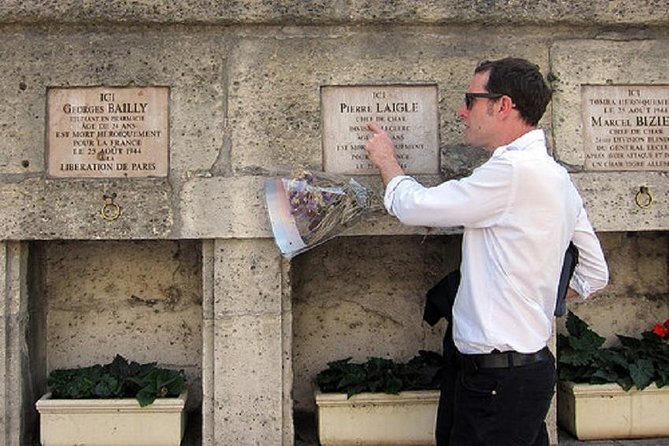
The walk finishes at Place de la Concorde, and here the tour leans into physical traces. You’ll see how the place carries traces of the battles of Liberation, and you’ll find memorial plaques dedicated to soldiers, resistance fighters, and ordinary civilians who took part.
This ending works because it brings the story back down to people. After hours of institutions, culture, and power, you close on names and remembrance—what the city ultimately owes to those who were involved.
The tour also uses photos from the terrace perspective to help you understand what you’re seeing, plus how it connects to major figures around the area. It’s a good way to turn your final minutes into clear takeaways.
Timing, Pace, and How to Prepare
The tour lasts about 2 hours 15 minutes. With 11 stops, you’ll spend relatively short bursts at each location, which means your attention matters more than perfect patience.
A few practical tips that will make the experience smoother:
- Wear shoes you trust; the walk covers big stretches across central Paris.
- Bring a charged phone or camera and expect quick photo moments between explanations.
- Since the tour is in French, if your level is limited, you’ll get more value by focusing on key names and repeated themes the guide returns to (art, money, Resistance, denunciation).
The tour also uses a mobile ticket, so set your phone up for easy access. If you’re traveling with spotty reception at times, download or save your ticket view before you start.
Value for the Price: What $25.44 Buys You
At $25.44 per person, this is a low-cost way to tackle a heavy subject with structure. The big value isn’t one famous landmark—it’s the sequence: cultural life, requisitioned spaces, looted art markets, town-hall resistance dynamics, and the economic role of banks.
Also, the tour is listed with admission ticket free at each stop. That means you’re paying for interpretation and storytelling, not for extra entry fees that inflate the budget.
Finally, the maximum of 12 people matters for value. Small groups tend to make history feel like a conversation instead of a performance for strangers.
Who This Tour Suits Best (and Who Might Want a Different Plan)
This tour fits best if you:
- want a street-level view of WWII in Paris, tied to named locations
- like learning how culture and institutions behaved under Occupation
- care about both the dark mechanics (spoliation, collaboration, denunciation) and the end point (Liberation traces)
It may be less ideal if:
- you need the tour in English and can’t coordinate in advance
- you prefer lighter, feel-good sightseeing with less conflict-focused content
If you’re traveling as a couple, this is also a strong option because you can stay close and track the narrative without losing each other in a larger crowd.
Should You Book This Occupation and Liberation Tour?
I’d book it if your goal is real understanding of how the Occupation shaped Paris—through culture, money, and daily choices—right up to the Liberation marks in the city center. The route is tight, the time is reasonable, and the storytelling is built around specific places instead of generic statements.
The main reason not to book is language fit. If French isn’t comfortable, reach out early so you can confirm an English option. Otherwise, come ready to listen. You’ll leave with a very different mental map of Paris—one built from stories you can’t unsee.
FAQ
What language is the tour in?
The tour is in French. For a tour in English, you’re asked to contact the operator.
How long is the Occupation and Liberation of Paris tour?
It runs for about 2 hours 15 minutes.
Where does the tour start and end?
It starts at 32 Bd Poissonnière, 75009 Paris at 2:00 pm, and it ends at Pl. de la Concorde, 75001 Paris.
Is this tour ticketing digital?
Yes. It uses a mobile ticket.
How many people are in the group?
The tour has a maximum of 12 travelers.
Are there admission tickets to pay at each stop?
The stops are listed as admission ticket free.
Is the tour suitable for most people?
The information says most travelers can participate.
What happens if the weather is bad?
The tour requires good weather. If it’s canceled due to poor weather, you’ll be offered a different date or a full refund.
Can I cancel for a full refund?
Yes. You can cancel up to 24 hours in advance for a full refund.
Are service animals allowed?
Yes, service animals are allowed.