REVIEW · PARIS
Paris Bike Tour: Eiffel Tower, Place de la Concorde & More
Book on GetYourGuide →Operated by Fat Tire Tours - Paris · Bookable on GetYourGuide
Three and a half hours on two wheels. This Paris bike tour is interesting because it gives you icon-level sights with the kind of street-level context that rarely fits in guidebooks. You pedal a comfortable cruiser bike up close to landmarks, then get photo stops and stories that help the city make sense fast.
Two things I especially like: the route is built around the big “wow” moments—Eiffel Tower, the Dome at Les Invalides, and Place de la Concorde—without turning the day into a nonstop lecture. And the guide’s job is to keep you oriented and safe as you move across major areas, with clear signals and practical coaching; guides such as Dave and Amir show up in past tour groups, and the theme is consistent: calm leadership and good pacing.
One drawback to factor in: you’re riding in a real city with real traffic mix, and the time at each stop can be brief. If you hate cycling near busy streets or if you’re hoping for long wandering time, plan to keep your expectations focused on seeing and deciding—not exhausting each monument.
In This Review
- Key highlights you’ll feel right away
- Getting Oriented Fast at Fat Tire Tours (24 rue Edgar Faure)
- The 210-Minute Ride: Cruiser Comfort Meets Paris Street Reality
- Left Bank to Louvre-Area Views: More Than Just a Photo Stop
- Eiffel Tower Stop: Getting the Classic Angle Without Losing Time
- Les Invalides and Napoleon’s Dome Church: A Stop That Actually Sticks
- Place de la Concorde: Paris’s Grand Square Moment
- Photo Time, Busy Streets, and Weather Reality
- Who This Tour Fits Best (and Who Should Skip It)
- Price and Value: Is $44 Worth It for 3.5 Hours?
- Should You Book This Paris Bike Tour?
- FAQ
- How long is the Paris bike tour?
- Where do I meet for the tour?
- What’s included in the price?
- Is lunch included?
- What should I bring?
- Do you have bike options for children?
Key highlights you’ll feel right away
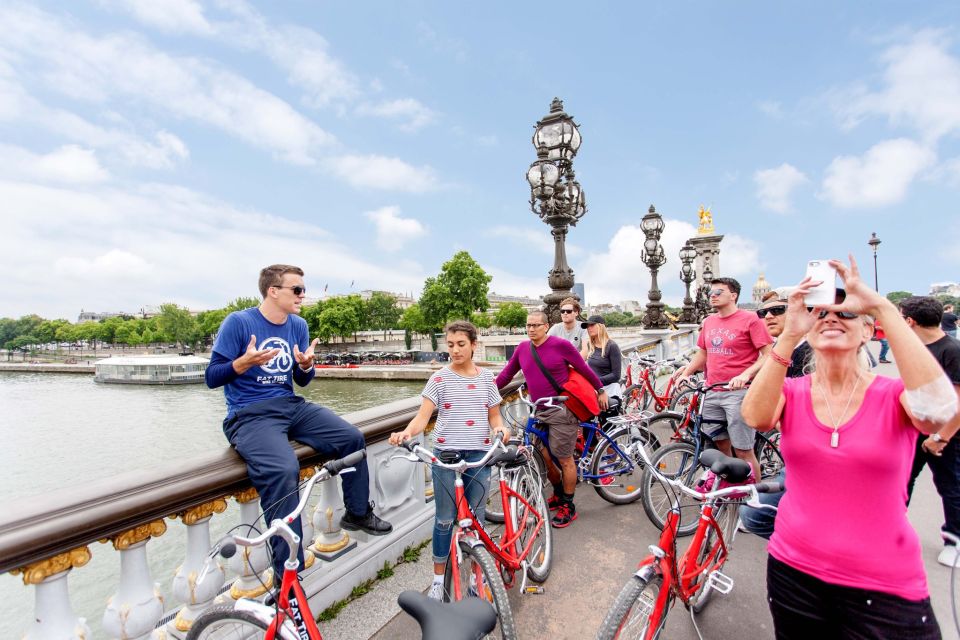
- A cruiser-bike overview of Paris that’s easy to manage for most fitness levels
- Left Bank to Louvre-area routing so you get cross-city context instead of one neighborhood only
- Eiffel Tower at a picturesque stop, not just a quick drive-by
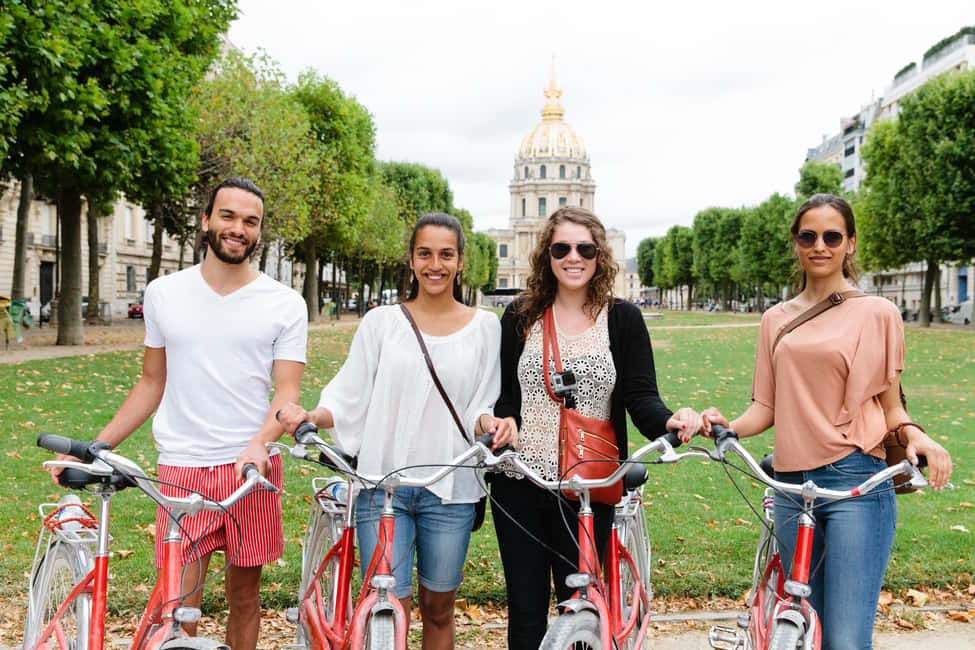
- Les Invalides and Napoleon’s tomb via the Dome church area, with a guide-led explanation
- Place de la Concorde for a major historical square moment
- Photo breaks and rest stops that keep the ride fun, even if they’re not long
Getting Oriented Fast at Fat Tire Tours (24 rue Edgar Faure)
Your day starts at the Fat Tire Tours office at 24 rue Edgar Faure, 75015, with the bikes set up outside and a big Fat Tire Tours sign so you’re not guessing. The closest Metro stop is Dupleix, which is handy if you’re arriving with bags and don’t want to crisscross the city.
I like that check-in is straightforward. People note things like toilets being onsite and refreshments being available while you wait, plus the ability to store bags on shelves at the back. That matters in Paris, where you might otherwise be spending mental energy on logistics instead of the ride.
Bring comfortable shoes. You’ll be on and off the bike a bunch at landmarks, and comfortable walking shoes make the day feel calmer—especially if you end up stopping in slick patches near big squares.
You can also read our reviews of more cycling tours in Paris

The 210-Minute Ride: Cruiser Comfort Meets Paris Street Reality
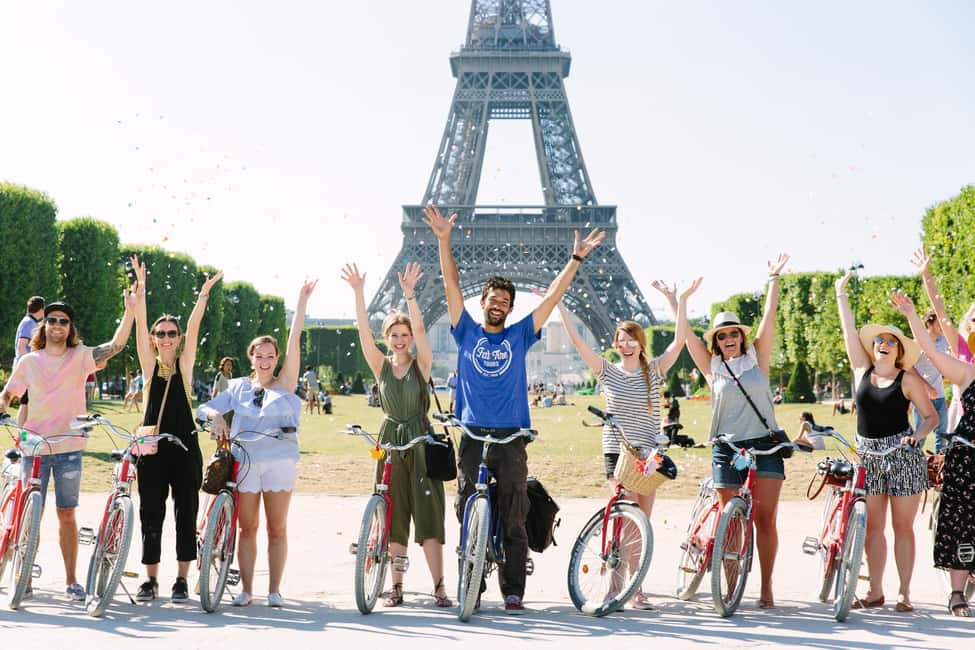
This tour runs about 210 minutes (just over three hours), which is a smart time window if it’s your first day or you want a “highlights + orientation” activity without committing to a full day.
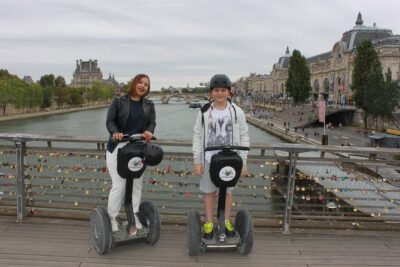
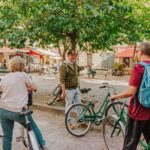
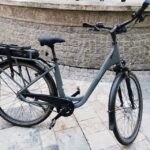
The bikes are cruiser style, and that choice is more than a marketing detail. A cruiser bike helps you stay relaxed when you’re stopping for photos, crossing intersections, and absorbing what you’re seeing. Helmets are included, which is an easy win.
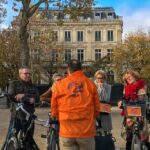
You’ll also get a group-ride setup at the start—think hand signals and how to move as a unit. One reason people love this tour is that the leader doesn’t just point the way; they teach you how the group works. That makes a huge difference when you’re cycling with strangers in a city where cars, bikes, and pedestrians all share space.
Most of the riding is described as fairly flat and manageable, which is why it works for mixed ages and abilities. Still, don’t assume it’s a total bicycle-lane fantasy. Some routes can include busier road sections, so if you’re nervous about close traffic, treat that as a heads-up and ride with focus.
Left Bank to Louvre-Area Views: More Than Just a Photo Stop
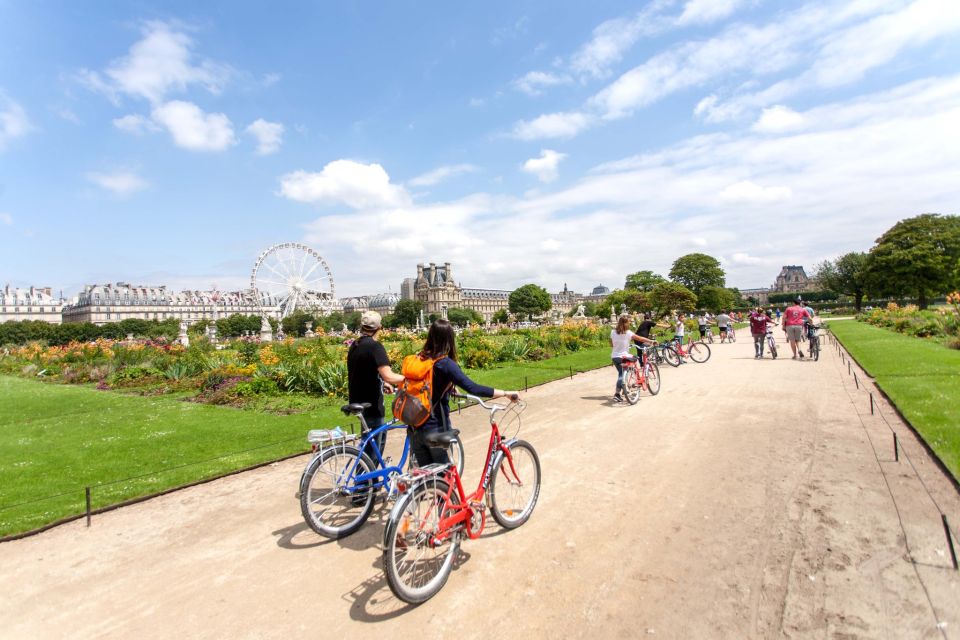
A big part of the appeal is how you cross the city rather than staying in one bubble. The tour moves you from the Left Bank area toward the Louvre area, giving you a sense of how the Seine divides Paris and how major sights line up.
Why that matters: when you’re new to Paris, it’s easy to think in individual monuments. This route helps you think in geography. You start to understand where major museums and historic stretches sit relative to each other, which makes it easier to plan the rest of your trip.
You’ll get “up close” moments along the way, not just views from a bus window. On a bike, details pop out—architecture rhythm, street layout, and the way crowds funnel toward central landmarks. Even if you’re not a history buff, it’s a fast way to learn how the city actually flows.
Eiffel Tower Stop: Getting the Classic Angle Without Losing Time
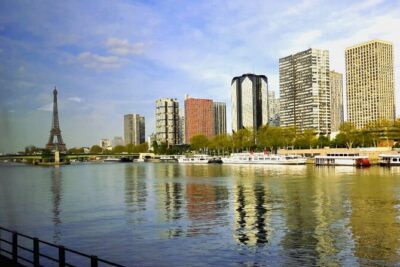
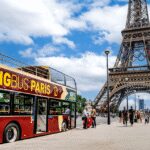
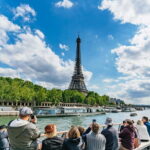
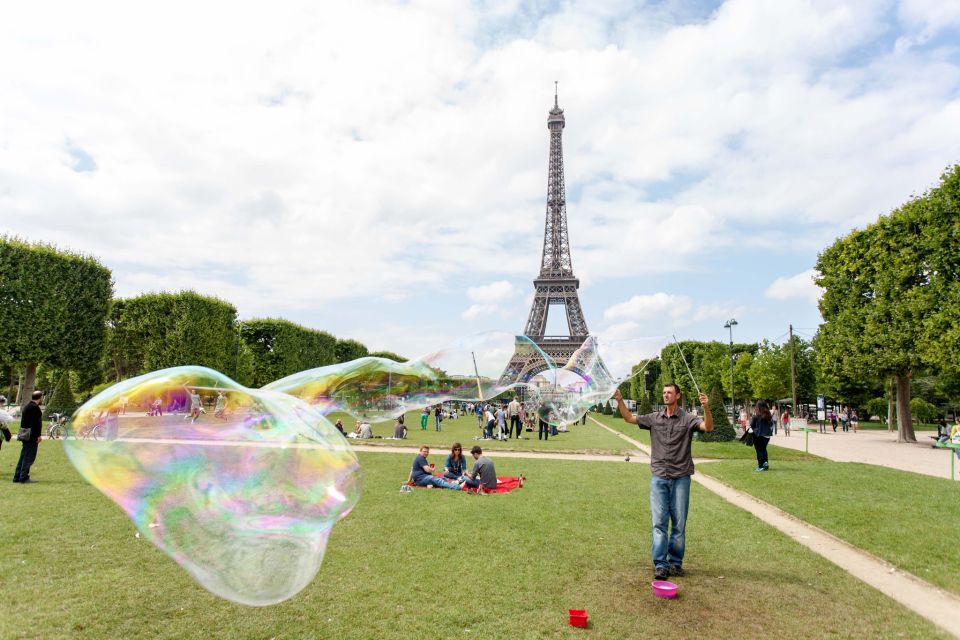
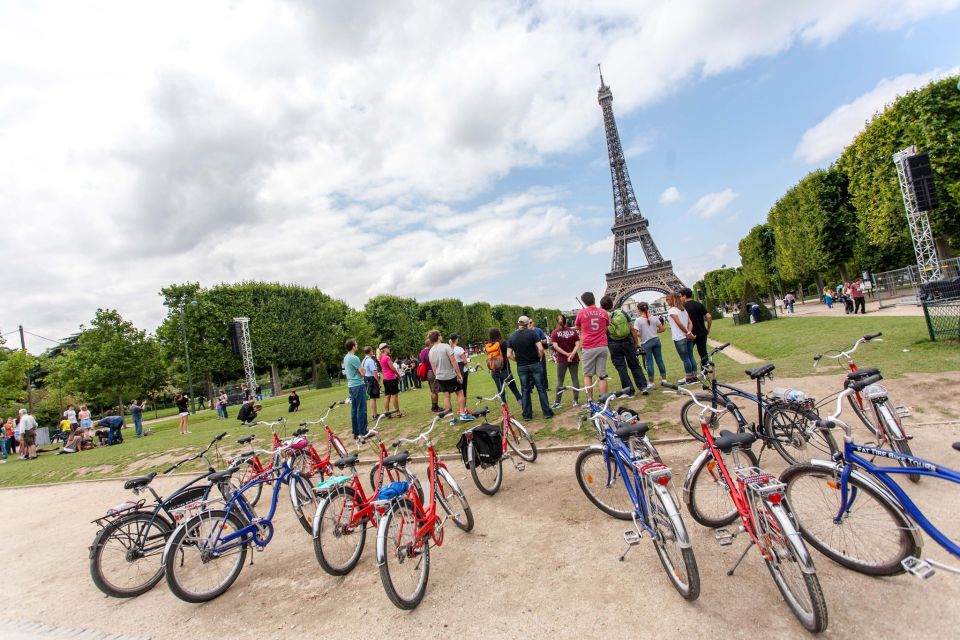
The Eiffel Tower is the obvious draw, but the real value is how you experience it. This tour includes a picturesque stop designed for seeing the tower from a good vantage while still keeping the ride moving.
Here’s the practical benefit: rather than lining up for a viewpoint at a moment when you’re tired, you get an anchor landmark right in the middle of the experience. The guide connects the sight to stories and context, and you get time to frame photos without sprinting across the city like you’re chasing a checklist.
If the weather is bad, the tour still can work because it’s built around stops and short segments. People mention rain scenarios with ponchos, and the group approach helps you stay coordinated when sidewalks are slick or visibility drops.
That said, don’t plan on long wandering time here. Treat this as a sight-and-spot moment. If you want deep time inside or up close tickets, you’ll want a separate plan later.
Les Invalides and Napoleon’s Dome Church: A Stop That Actually Sticks
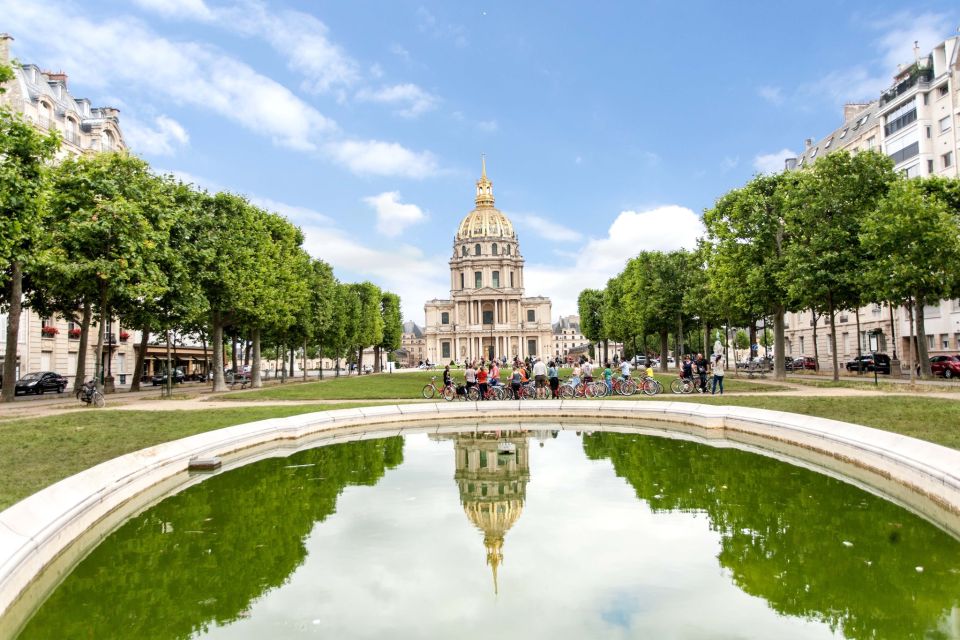
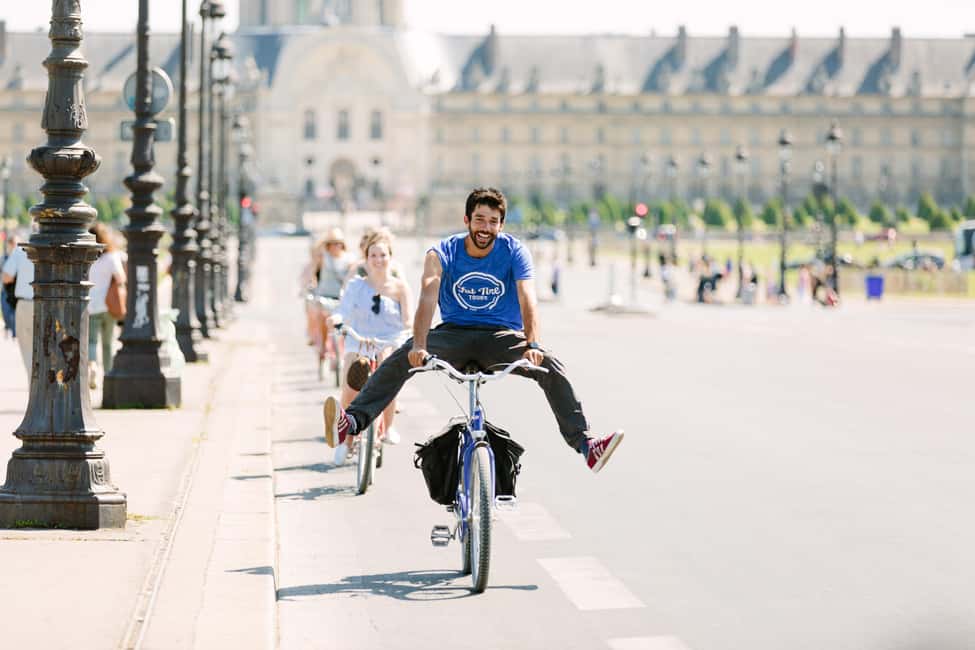
One of the most memorable parts of the route is the area connected to Les Invalides, including the Dome church where Napoleon is buried and the nearby museum complex.
This is the kind of stop that turns a monument into a story you can place. You’re not just seeing a building; you’re walking into a meaning-heavy corner of Paris where the city’s political and military history is physically present.
The tour’s approach helps you connect the dots. The guide ties the architecture and location to what the buildings represent, and that’s where the “bike tour” format pays off. You get movement between sights, but the stop itself stays focused enough to be satisfying.
If you’re the type who usually skips museums because you don’t know where to start, this is a smart intro. It doesn’t replace a full museum visit, but it can absolutely help you decide whether you want to return and go deeper.



Place de la Concorde: Paris’s Grand Square Moment
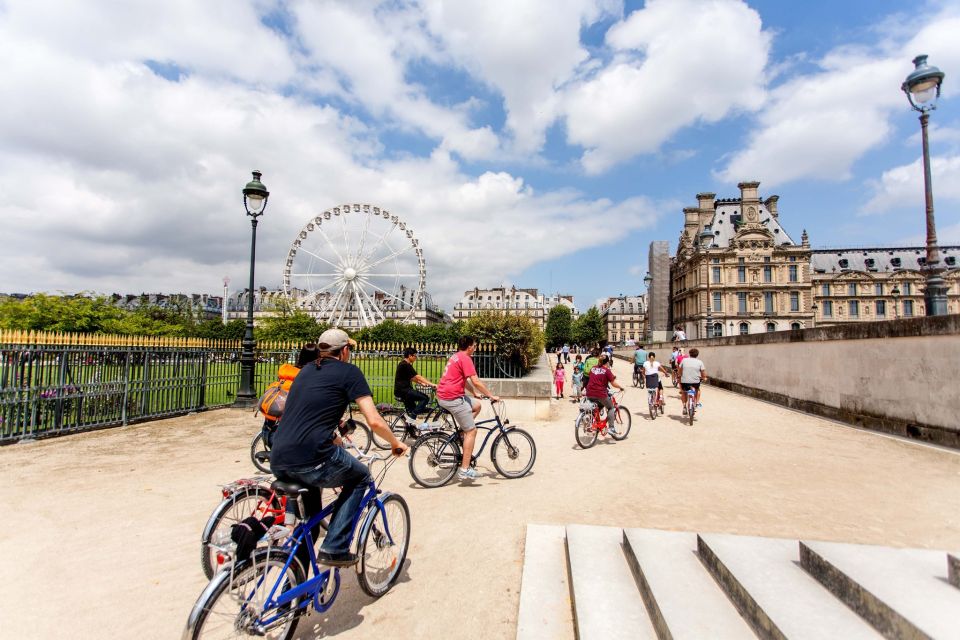
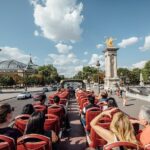
At Place de la Concorde, you get a historic Paris stage with scale and symmetry. This stop is valuable because it’s different from the tower-and-museum rhythm. It’s open space, big sight lines, and a strong sense of how central Paris was planned.
On a bike, you can appreciate how the square sits in the city’s movement patterns. It’s not just a landmark you pass by; it’s a place you arrive at as part of a route. That matters for orientation: you start to recognize how major roads and avenues connect outward from central landmarks.
Expect the stop to include guiding context plus time to take photos. It’s also a useful pause in the day—open-air compared to indoor museum areas, and a chance to recalibrate before the ride continues.
Photo Time, Busy Streets, and Weather Reality
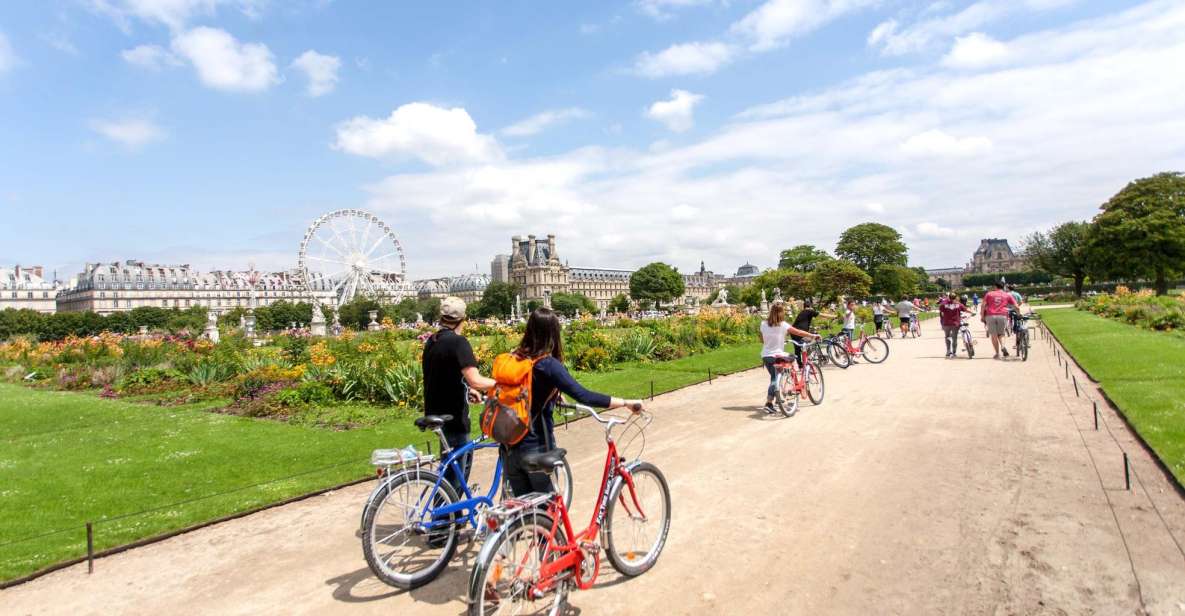
This tour balances sightings with riding time, and that balance affects your expectations. Many stops include a few minutes for photos and questions. The tradeoff is you won’t get long, wandering breaks at every monument.
That’s not bad—it’s part of why the tour fits into a 210-minute slot. It just means you should come with a plan for your priorities. If the Eiffel Tower is your one must-have shot, spend your best energy there. If Concorde is your “cool architecture” pick, use that stop for photos and short learning, not deep exploration.
Weather is the other reality check. Paris can deliver rain, cold mornings, and wet pavement. People note that ponchos may be used and that the group rides can stay manageable in bad weather when everyone follows the leader’s pacing. Still, if you’re prone to getting chilled or you hate rain on exposed streets, bring appropriate layers and keep your braking habits smooth.
Finally, remember the city is active. One rider noted there was more riding on busy roads than expected. So if you’re a brand-new cyclist, or if you’re anxious about traffic, pay attention during the safety briefing and stay alert at intersections.
Who This Tour Fits Best (and Who Should Skip It)
I think this bike tour is a great match if you want:
- A first-day Paris orientation that helps you plan where to return
- A way to see multiple headline landmarks without paying for separate transportation
- A guided experience that keeps the ride organized and not just a random loop
It also works well for families with mixed ages because the pace is described as inclusive and the stops give kids and adults a chance to refocus. People have also mentioned tandem options for children who can’t ride solo yet.
Where it may not fit:
- If you want extended time at each monument or you prefer to slowly wander without group coordination
- If you strongly dislike cycling near busier roads, even if the route is manageable for most people
- If you’re expecting a fully indoor museum day (this is primarily outdoor sightseeing by bike)
Price and Value: Is $44 Worth It for 3.5 Hours?
At $44 per person for about 210 minutes, the value is pretty clear: you’re paying for a guided route plus a bike and helmet, not just a ticket to stand in lines. You also get the advantage of coverage—multiple major sights plus context in one organized outing.
Think of it as paying to buy time and reduce guesswork. If you’re in Paris for a short stay, that matters. And if you’re the kind of traveler who hates over-planning, a route like this helps you decide what’s worth your next visit (and what isn’t).
Lunch isn’t included, so you’ll still want to plan a meal separately. That’s normal for a bike tour, and the upside is you’re not stuck with a timed lunch arrangement. It also keeps the session focused on riding and sightseeing.
Should You Book This Paris Bike Tour?
Book it if you want a practical, efficient way to see the Eiffel Tower area, the historic Les Invalides/Dome church (Napoleon’s resting place), and Place de la Concorde, with a guide helping you understand what you’re looking at while you ride. The cruiser-bike format and group approach make it feel approachable, even if you’re not a cycling pro.
Skip it or pick a different style of tour if you need long stops, quiet walking time, or you’re uncomfortable riding in busier road segments. This is a moving tour—great for coverage and orientation, less ideal for deep-dive museum time.
If this sounds like your speed, it’s an excellent bet for day one or day two, when you most need a map made of real streets and real landmarks.
FAQ
How long is the Paris bike tour?
The duration is 210 minutes (about 3.5 hours).
Where do I meet for the tour?
Meet at the Fat Tire Tours office at 24 rue Edgar Faure, 75015. The closest Metro station is Dupleix.
What’s included in the price?
The tour includes a bicycle, a guide, and a helmet.
Is lunch included?
No, lunch is not included.
What should I bring?
Wear comfortable shoes.
Do you have bike options for children?
Yes. Children’s equipment is available, including 20″ or 24″ bikes for kids who can ride on their own, and tag-along tandems for children under 70 lbs / 32 kg. Trailers can carry up to 2 children with a combined maximum weight of 88 lbs / 40 kg, and baby seats have a maximum weight limit of 48 lbs / 22 kg.