REVIEW · PARIS
Paris: Best of Orsay Museum Small Group Tour with Tickets
Book on GetYourGuide →Operated by CONNECTING FRANCE · Bookable on GetYourGuide
Paris can be a museum maze. Musée d’Orsay is the best kind of maze, and this small-group tour keeps you moving with purpose. You get guided access to one of Europe’s strongest collections of Impressionist and post-Impressionist painting, plus the building’s own comeback story—from rail station to art temple.
What I like most is the way the guide builds a clear art-history storyline while still pointing you to specific paintings you’ll actually remember. On top of that, you’ll get the fun context layer: realism leading into Impressionism, and then how social and political change fed the art (with guides like Miriam, Mae, Marine, Nadia, and Olga showing it in different ways).
One possible drawback: Orsay can be packed shoulder-to-shoulder, and a crowded gallery can make it harder to hear every detail. Even so, the small-group size helps, and the guide’s job is to steer you to the best viewing angles fast.
In This Review
- Key things I’d bet on
- Musée d’Orsay’s Station Story Sets the Tone Fast
- Meeting Point and the 2-Hour Route That Keeps You Focused
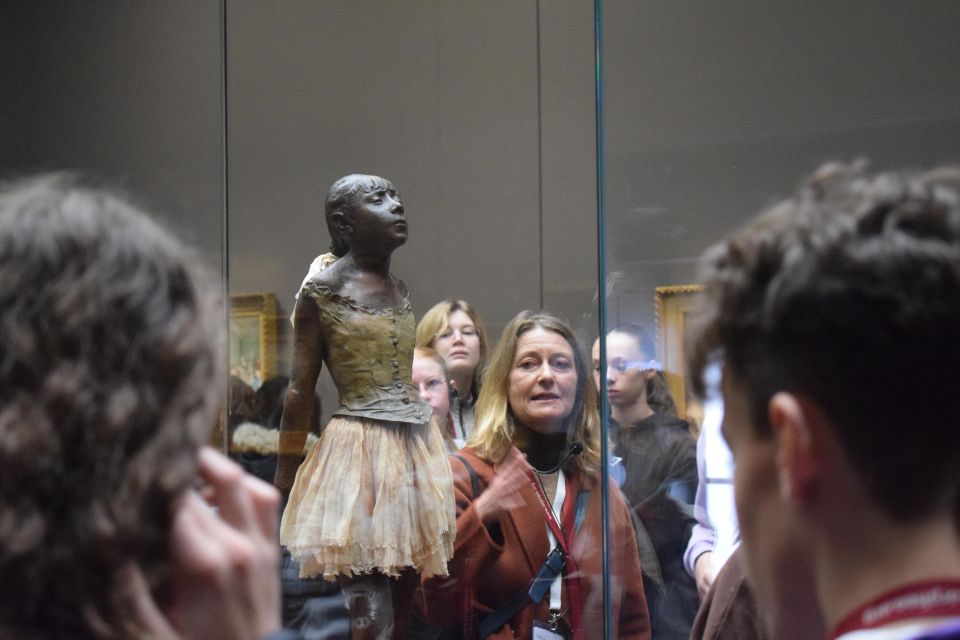
- The Star Lineup: Monet, Renoir, Van Gogh, Degas, and Sisley
- From Manet to Modern Art: How Political and Artistic Movements Talk
- Cézanne, Gauguin, Matisse, and the Post-Impressionist Shift
- Rodin, Art Nouveau, and the Oddballs That Make It Fun
- Why the Guide Makes This Worth $102
- Crowds and Hearing: Plan for a Real Paris Day
- What You Can Bring (and What You Must Leave Outside)
- Who This Tour Suits Best (and Who Might Be Frustrated)
- Should You Book This Orsay Small-Group Tour?
- FAQ
- Where is the meeting point?
- How long is the tour?
- What’s included in the price?
- What languages are available?
- Are you able to skip the security line?
- What ID and items should I bring or avoid?
Key things I’d bet on
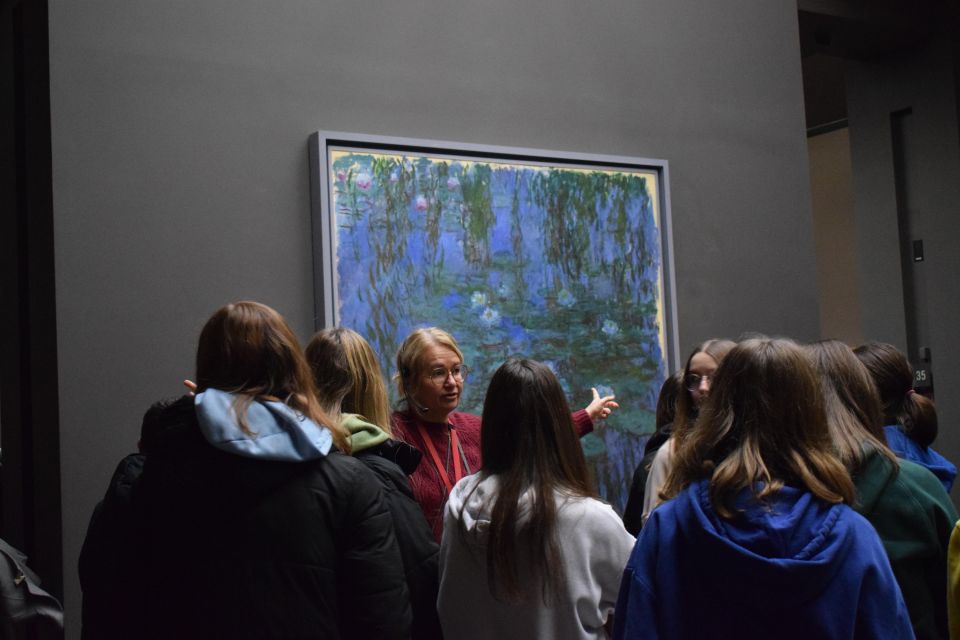
- Smart highlights, not random wandering through Musée d’Orsay
- Quick entry with tickets so you spend time looking, not waiting
- Art linked to real-world change, not just style talk
- Guides who use stories and visual clues (some even add extra context on an iPad)
- Van Gogh, Monet, Renoir, Degas, Sisley plus the bridge artists like Manet and Cézanne
- The station-to-museum transformation is part of the show, not background noise
Musée d’Orsay’s Station Story Sets the Tone Fast
You feel it the moment you start looking up and around. Musée d’Orsay is not a plain white cube. It’s a former railway station, and that industrial scale changes how you experience the paintings. Tall ceilings, dramatic architecture, and long sightlines help you understand why the museum was built to hold modern life in the first place—then it turned around and became one of the best homes for 19th-century art.
This tour leans into that. You’re not just walking past galleries like a checklist. You get the “how it became Orsay” thread early, which makes the building’s look feel intentional instead of accidental. And when you later see major works from artists like Renoir or Van Gogh, the whole place feels like it belongs to the same era they lived in.
You can also read our reviews of more tours and experiences in Paris


Meeting Point and the 2-Hour Route That Keeps You Focused

The tour meets in front of Musée d’Orsay at the huge elephant statue, where your guide holds a “Connecting France” sign. It’s an easy spot to find, which matters in Paris because directions can be perfect right up until you’re standing in the wrong plaza.
From there, you move toward an initial viewpoint stop before you get into the galleries. That small “reset” is useful. It helps you orient yourself so the museum doesn’t feel like a maze the second you enter. Then the guided part runs for about 2 hours inside Musée d’Orsay.
You’ll cover multiple movements spanning roughly the mid-1800s to the early 1900s. In practice, that means you’ll see the big names, but also the “bridge” artists who explain how one style pushed the next. A guide who really gets this will point out what to watch for in each painting, like composition choices, light effects, or how the subject reflects the time period.
A quick note that’s important for your expectations: the tour route is designed for highlights. You won’t see every single room. The win is that you’ll understand the logic behind the collection instead of just accumulating images.
The Star Lineup: Monet, Renoir, Van Gogh, Degas, and Sisley
Orsay is famous because it concentrates the sweet spot of Impressionist and post-Impressionist painting. This tour aims straight at that core.
Expect to encounter work by artists such as:
- Monet
- Renoir
- Van Gogh
- Degas
- Sisley
- plus major names tied into the evolution of the movement
You’ll also get to a standout Renoir painting mentioned as a highlight: Dance at Le Moulin de la Galette. It’s the kind of work that can be hard to “get” if you only stare at it. A good guide helps you notice how the scene is built—so you don’t just see people dancing, you see how the painter designed the mood and the rhythm.
The best part for me is that the tour doesn’t stop at “here are famous paintings.” It explains how the approaches differed. You’ll hear about realism and how it set the stage for the Impressionists, with artists like Manet often introduced as a turning point—then the guide connects that forward into the Impressionists you’ll see next, such as Degas and Pissarro, and then onward to post-Impressionist changes.
From Manet to Modern Art: How Political and Artistic Movements Talk
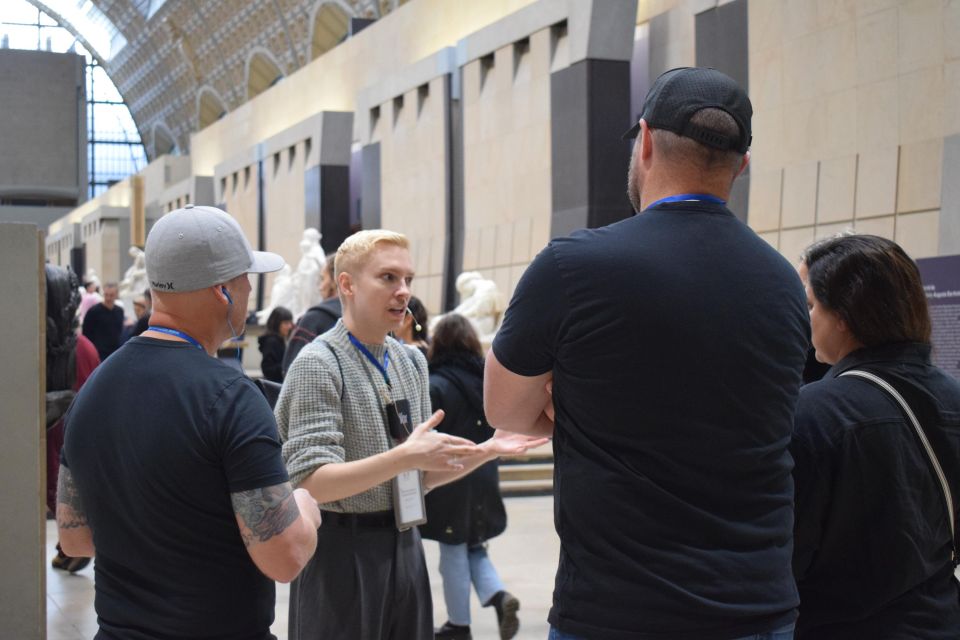
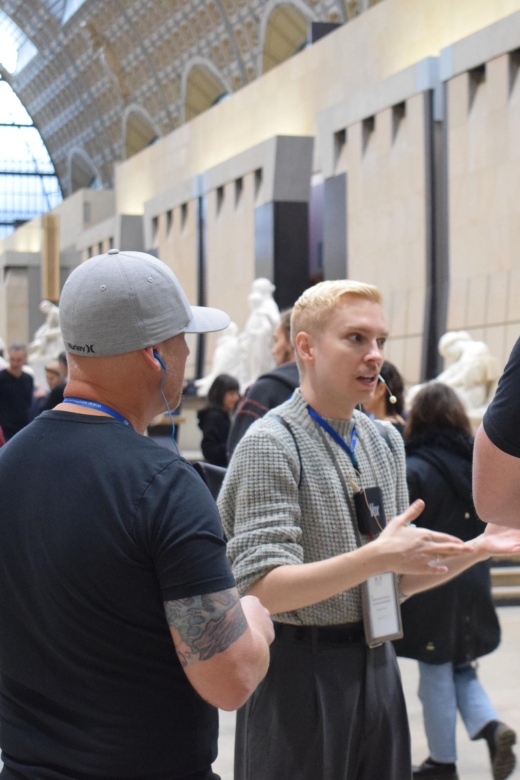
This is where the tour feels more like a guided argument than a museum stroll, in a good way. Your guide focuses on how political and artistic movements influenced each other. That means you don’t just learn “Impressionism was different.” You learn why it mattered.
You’ll get the storyline from academics and realism leading into Impressionism, then beyond. One review mentioned how a guide started with academics and realists to set the stage, which is exactly how this works in your head once it’s explained. It turns the history into something you can predict: rebellion against strict rules shows up in the painting choices, and you start seeing the logic.
Guides also bring in social context. One guide, Nadia, was praised for connecting art to social changes. Another person noted a guide’s political and practical realities around the painters and the art periods. That kind of framing helps you see why certain subjects, styles, and techniques became “new” rather than just “different.”
And yes, some guides go practical: symbol spotting, visual clues, and what to look for in a painting’s details. If you’ve ever felt lost in a museum, this is the fix. You don’t need to become an art critic. You just need a path to follow.
Cézanne, Gauguin, Matisse, and the Post-Impressionist Shift
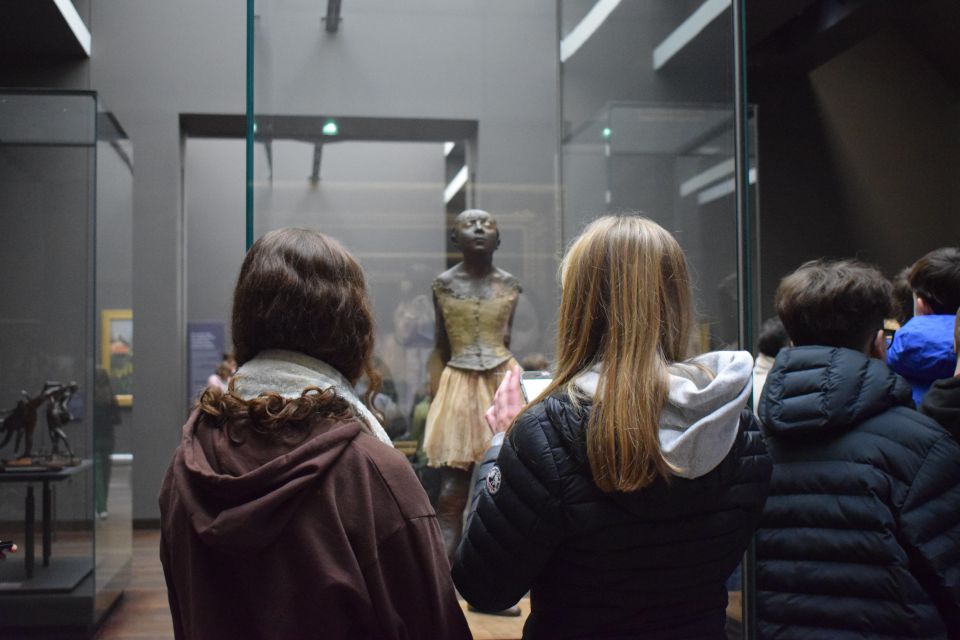
Orsay doesn’t just do Impressionism. It shows you the moment art starts changing its goals. You’ll see major contributions from Cézanne, Van Gogh, Gauguin, and Matisse as the story moves toward post-Impressionism and the push toward modern art.
This matters because it changes how you look at the famous names. For example, Cézanne helps you understand structure and form. Van Gogh helps you understand emotion and color choices. Gauguin helps you understand the pull toward symbolism and a more deliberate, sometimes more “dream-like” approach. Matisse shows up later in the arc, hinting at what painting is going to become.
The tour’s value here is timing. With only about 2 hours, you need interpretation, not trivia. The guides who do best in this format give you the meaning first, then the visual proof.
You can also read our reviews of more museum experiences in Paris




Rodin, Art Nouveau, and the Oddballs That Make It Fun
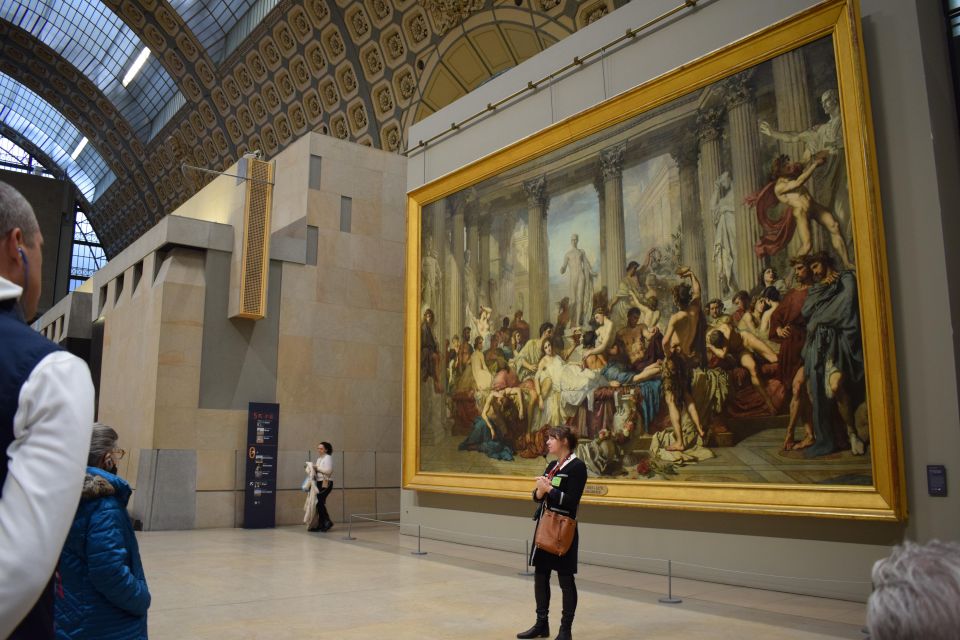
This museum isn’t only paintings. You’ll also get stops tied to sculpture and Art Nouveau elements, including sculptures by Rodin. Rodin’s work can be surprisingly at home in a museum like Orsay because the building’s scale supports dramatic forms.
One highlight included in the tour description is an original Lady Liberty. That’s the kind of detail that can’t be guessed from the word museum alone. It gives you variety beyond the painting galleries and keeps the tour from turning into “eyes, eyes, eyes.”
In other words: you’ll leave with a sense of the era’s art culture, not just a set of canvases.
Why the Guide Makes This Worth $102
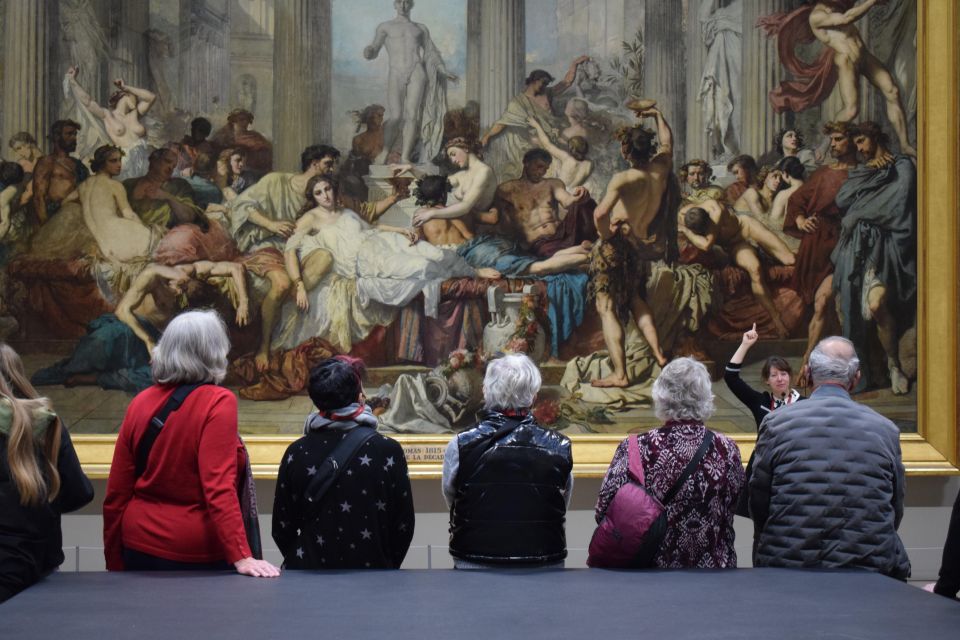
At $102 per person for a 2-hour guided tour with entry tickets, the value is mostly about time and guidance. Orsay is popular. Lines happen. Even with tickets, you still hit security. The tour won’t magically erase crowds, but it helps you get to the art faster and—more importantly—get oriented once you’re inside.
You also benefit from a small group dynamic. Several reviews called out group sizes around six, and at least one mention of a private-style tour when only a couple people booked. That size difference matters in practice. You can ask questions. You can actually hear answers. And the guide can steer the group to better viewing positions when galleries get packed.
The guide styles vary by person, but the common praise is clear: guides like Miriam and Mae were praised for clarity and strong introductions; Marine and Olga were praised for making techniques and symbols easier to grasp; Nadia and Olga were praised for tying painting to social change; Blerta was praised for pacing and setting up the progression toward Impressionism.
A couple of reviews also mentioned extra support on an iPad, which is a smart move. When a guide overlays context or detail, you get a shortcut to understanding without losing your place in the room.
Crowds and Hearing: Plan for a Real Paris Day
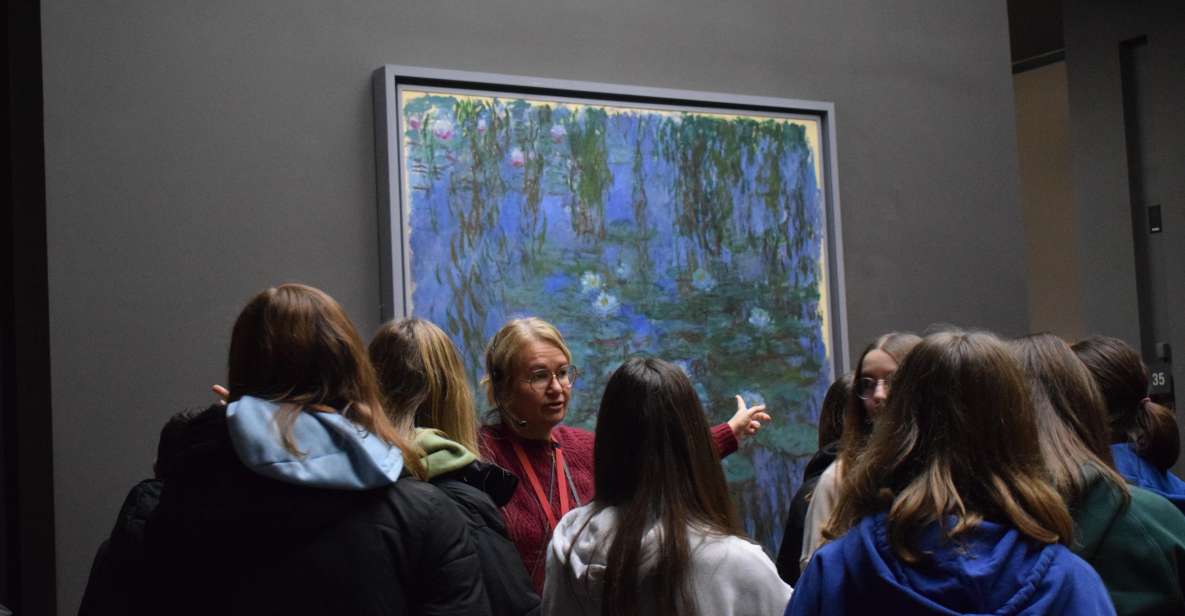
Here’s the honest part. Orsay can be crowded and warm, and even with quick entry, you may feel a wall of noise in the galleries. One review even suggested that a speaking device would help with hearing over surrounding crowd sounds. Even if your group doesn’t have that, the lesson is the same: don’t expect quiet.
My advice: wear comfortable clothes and be ready to stand close for short stretches. When the guide stops you, take the offered viewing angle right away. If you hesitate, you risk losing the spot and then trying to see through people.
Also keep your voice expectations in check. Some rooms have restricted possibility to speak, and your guide will warn you. That’s normal museum behavior, not a problem with the tour.
What You Can Bring (and What You Must Leave Outside)
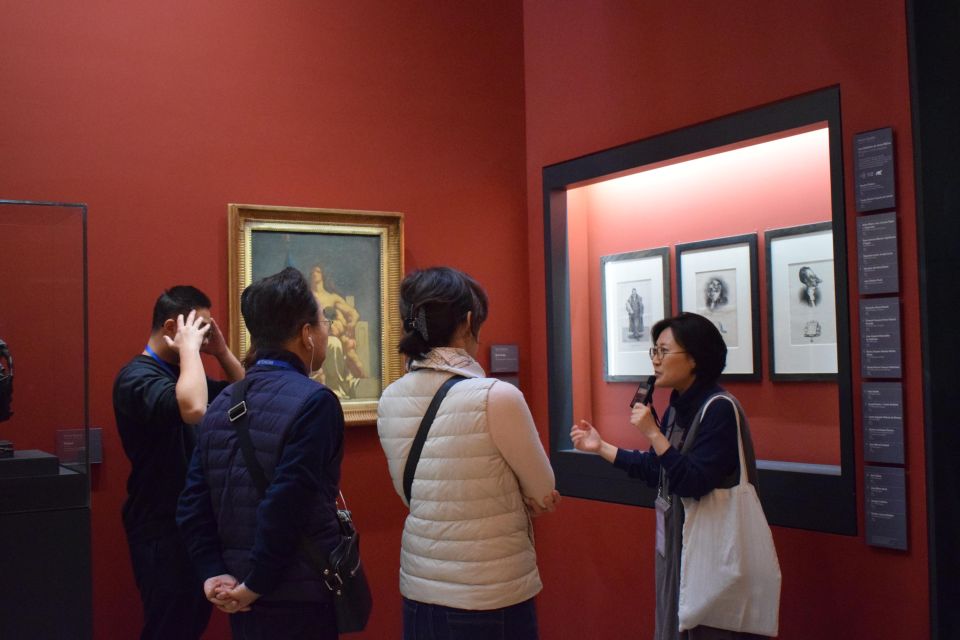
To keep the visit smooth, the tour has clear rules about bags and items. No luggage or large bags, no backpacks, and no umbrellas are allowed. You’ll want to travel light.
You should also bring passport or ID card. Tickets are personal, and kids up to age 17 need their photo ID.
If you’re the type who likes to carry a big daypack with snacks, a camera kit, and a guidebook you never open, this tour will train you to pack smarter.
Who This Tour Suits Best (and Who Might Be Frustrated)
This experience is a great fit if you want:
- a focused overview of Orsay’s core movements
- help understanding why Impressionism and post-Impressionism changed art
- a small group where questions are welcome
- a guide who can point out details, not just names
It’s not a great fit if you need mobility support. The tour is not suitable for wheelchair users and people with mobility impairments, and the operator notes they can’t modify pace on shared semi-private tours.
If that affects you, you’ll likely be happier with a different format designed for accessibility.
Should You Book This Orsay Small-Group Tour?
Yes, I think you should book it—especially if you’re only in Paris for a short time or you don’t want to spend your museum day guessing what to look for.
This tour is a strong value when you want: tickets included, fewer logistics headaches, and a guide who connects paintings to the bigger story. The biggest “watch-out” is crowd noise, which you can’t fully control anywhere in Orsay. Still, small group size and highlight routing help a lot.
If you want an Orsay visit where the paintings click into place—Monet, Renoir, Van Gogh, Degas, and the rest—this is the kind of structure that makes the museum feel less overwhelming and more rewarding.
FAQ
Where is the meeting point?
Meet in front of Musée d’Orsay by the huge elephant statue. Your guide will be holding a “Connecting France” sign.
How long is the tour?
The museum tour runs for about 2 hours.
What’s included in the price?
You get entrance tickets to the Orsay Museum and a live local guided tour.
What languages are available?
The tour guide is available in English, French, Spanish, Italian, and German.
Are you able to skip the security line?
Tickets provide quick access to the collections, but the security line cannot be skipped.
What ID and items should I bring or avoid?
Bring a passport or ID card. Avoid luggage or large bags, backpacks, and umbrellas. Tickets are personal, and all guests up to 17 years old should have a photo ID card.