REVIEW · PARIS
Neoclassical Paris Architecture 2-Hour Private Walking Tour
Book on Viator →Operated by Paris in person · Bookable on Viator
Neoclassical Paris looks orderly, until you know the stories. This private walking tour uses an art historian to connect the buildings you see to the ideas that shaped them. I love how the tour mixes architecture with art and cultural context, and I especially like that it’s designed for a small group (up to 6), so your questions actually get answered.
You’ll also like the pace: it’s long enough to make sense of the style, but short enough that you won’t feel dragged across the city. One possible drawback is the price is set per group, so it’s best if you’re traveling with 2–6 people who genuinely want architecture talk, not just quick photo stops.
Key tour takeaways
- Art historian-led explanations that link design choices to the era’s thinking
- A private format that lets you customize what you focus on
- Iconic neoclassical stops including Palais Brongniart and the Tuileries area
- Galerie Vivienne as the architectural ancestor of the shopping mall idea
- Great for slow travelers who prefer stories over checklists
In This Review
- Neoclassical Paris: why this style still feels modern
- Price and value: paying for a small group art-historian
- Setting out from Palais Brongniart and meeting your walking style
- Stop 1: Palais Brongniart and the language of public values
- Stop 2: Place des Victoires and the neoclassical “starter kit”
- Stop 3: Galerie Vivienne and why the mall was inspired by Paris
- Stop 4: Jardin des Tuileries from a neoclassical perspective
- Stop 5: Palais Royal’s complex, inside the story of change
- What makes the private format feel different (not just quieter)
- How to get more from the two hours
- Who should book this tour
- Should you book Neoclassical Paris with a private art historian?
- FAQ
- How long is the Neoclassical Paris private walking tour?
- What is the group size for this private tour?
- What does the tour cost?
- What’s included in the tour price?
- Is food or drinks included?
- What language is the tour offered in?
- Where does the tour start and end?
- Are there admission tickets required at the stops?
- Can I get a refund if I cancel?
- Is the walking difficult?
Neoclassical Paris: why this style still feels modern
Paris gets famous for grand things. This tour focuses on a different kind of drama: neoclassical order, geometry, and restraint. Once you start looking for the rules, you can feel how strongly people of that period believed design could communicate values.
What I like most is that neoclassical architecture isn’t treated like a museum label. The guide helps you see it as a language—columns and symmetry as a kind of public statement. And because it’s private, you can spend extra time where your brain lights up.
You’ll also get a real sense of what “private” means here. You’re not stuck watching a guide talk to a crowd. Instead, the art historian guide works through ideas and then checks that you’re following—one reason the experience gets strong praise for being easy to understand and fun.
Price and value: paying for a small group art-historian
This tour costs $360.48 per group for up to 6 people. That sounds steep if you’re thinking per person. But if you spread it across a few friends or family members, the value changes fast, because you’re paying for a professional art historian plus the freedom of a customized route.
The math tends to work best when:
- You’re not just sightseeing, you’re comparing details and asking why.
- You want clear explanations without reading an audio guide like it’s a textbook.
- Your group can share the cost (2–6 people is the sweet spot).
If you’re coming solo or as a pair with no interest in architecture beyond postcard views, you may feel the price more than you should. This is an experience built for curiosity, not convenience.
You can also read our reviews of more walking tours in Paris



Setting out from Palais Brongniart and meeting your walking style
The tour starts at Bourse75002 Paris, near the former stock exchange building Palais Brongniart. That matters, because it frames the whole theme right away: neoclassicism here isn’t just pretty facades. It’s about civic identity and the values attached to commerce and public life.
The tour runs about two hours. It’s designed for moderate physical fitness, so you should expect a steady walk with short stops. You will be outside most of the time, so it’s smart to dress for comfort and bring water if the weather is warm. No food or drinks are included, so plan a meal break either before or after.
Stop 1: Palais Brongniart and the language of public values
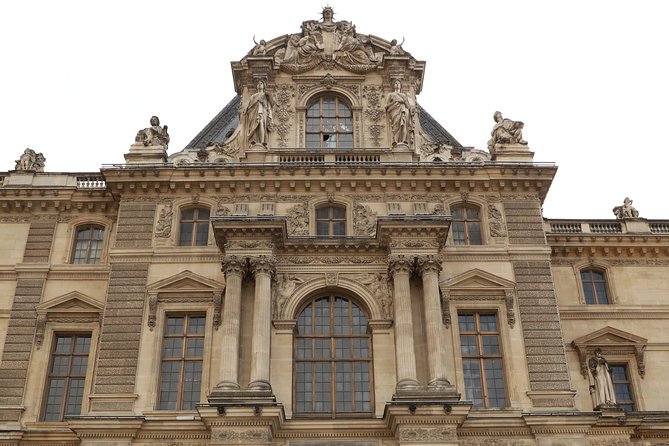
Palais Brongniart is a landmark for both style and meaning. The guide points out how the building’s neoclassical form signals trust, seriousness, and order. In other words, the architecture isn’t neutral. It’s doing political and social work, even if it looks like “just” stone at first glance.
This is a great opener because it sets your eyes up for what comes next. You start noticing symmetry, rhythm, and the way classical references are used to make a modern institution feel legitimate. It’s one of those places where, without context, you might just admire the facade and move on. With context, you start decoding it.
Also, the tour is built for conversation. One of the strongest review themes is how guides use questions to keep you thinking, not just listening. Even if you’re not an architecture person, you’ll find yourself looking harder.
Stop 2: Place des Victoires and the neoclassical “starter kit”
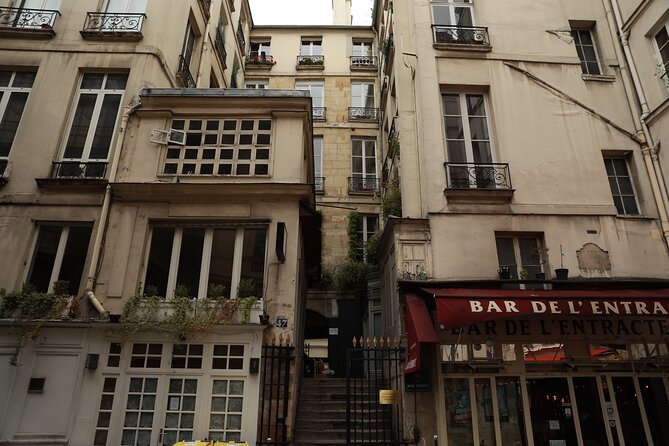
Next comes Place des Victoires, one of the four “royal” squares of Paris. This area is a key bridge from classical thinking into the neoclassical mindset. The guide helps you understand why squares like this were not random open space. They were planned stages where power, culture, and civic life could perform.
You’ll likely notice how the square’s layout encourages viewpoint logic: where you stand affects what you perceive. That’s a neoclassical idea. Buildings and public spaces are meant to be read in sequence, like chapters.
This stop is short, but it’s high-impact. It’s the kind of place where you can test what you learned at the first stop. If you’re paying attention, you can start spotting repeated themes in the way different buildings “speak” to the viewer.
Stop 3: Galerie Vivienne and why the mall was inspired by Paris
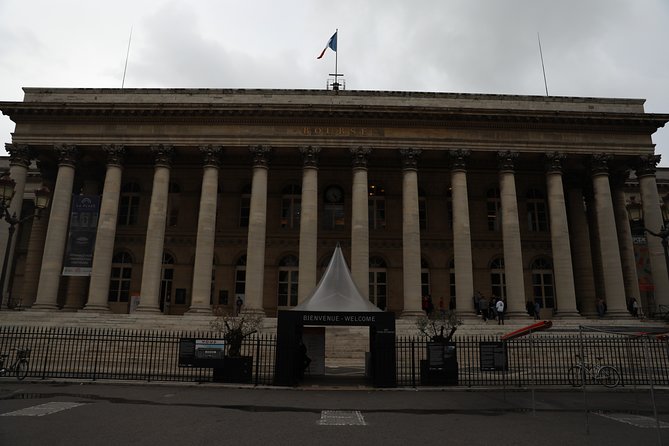
Then you step into Galerie Vivienne, an arcade that belongs to an early wave of covered shopping. The guide frames it as a historical ancestor of the modern shopping mall concept. That might sound like an exaggeration until you look at the arcade’s structure: the enclosure, the rhythm of storefronts, the sense of strolling through a designed corridor.
This stop is also a fun turning point. The tour theme is neoclassical architecture, but you still see how people used design to shape daily life. Commerce moved indoors. Social browsing became a routine. The “architecture for pleasure and convenience” idea starts to show up more clearly.
Even if shopping streets aren’t your thing, this is worth your attention because it links form to function. And if you like design details, you’ll probably catch yourself noticing patterns you’d normally ignore.
You can also read our reviews of more private tours in Paris






Stop 4: Jardin des Tuileries from a neoclassical perspective
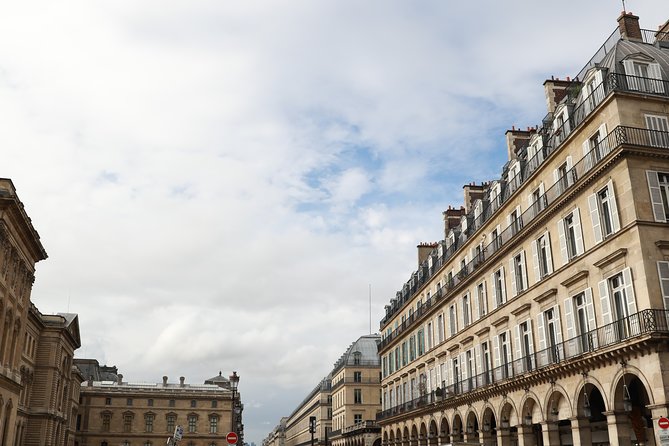
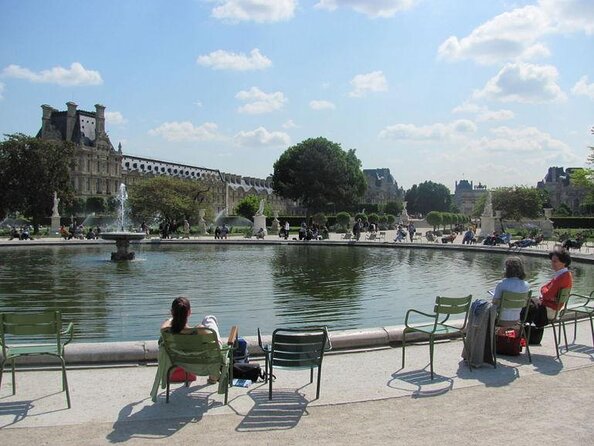
Next is the Jardin des Tuileries, formerly a royal garden. What makes this stop special is that you’re not just looking at greenery. You’re seeing it through architectural thought—how layout, sightlines, and “framed” views support the neoclassical style.
Royal gardens like this were political. They were also theatrical. The guide’s job is to help you see those sightlines as intentional, not accidental. From where you stand, you’ll start understanding how garden design supports the building world around it.
This is a good moment to slow down. You don’t need to sprint to the next landmark. If you’re the kind of traveler who likes a breather while still learning, this garden stop fits that style well.
Stop 5: Palais Royal’s complex, inside the story of change
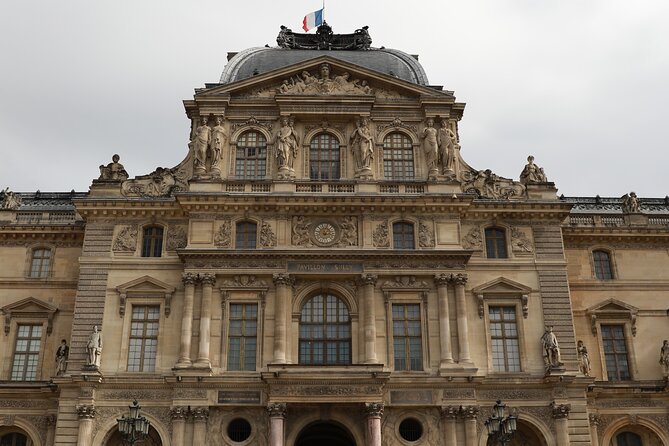
The tour finishes in the Palais Royal area, described here as the national domain Domaine National du Palais-Royal. The key idea is transformation. This complex was converted into a commercial center, and the guide helps you view it through the neoclassical lens.
That’s a powerful theme: neoclassical design can be durable even when the use changes. The architecture provides structure, while Paris reshapes what people do inside that structure. It’s a good reminder that cities are not frozen in time. They’re constantly repurposed.
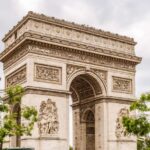
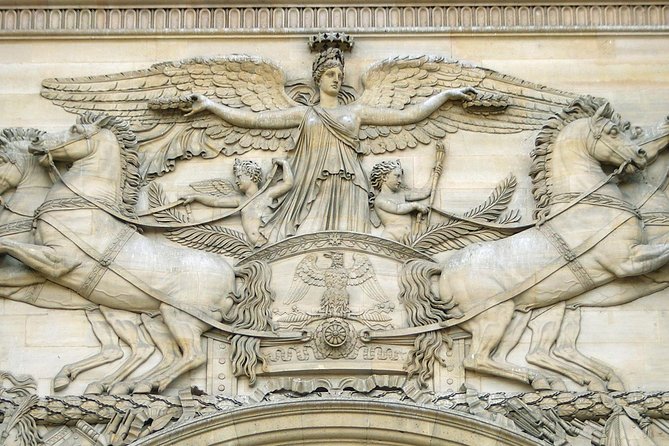
The end point is near Arc de Triomphe du Carrousel, at Pl. du Carrousel. It’s a satisfying place to wrap up, because you leave with a clearer picture of how classical references anchor modern movement through the city.
What makes the private format feel different (not just quieter)
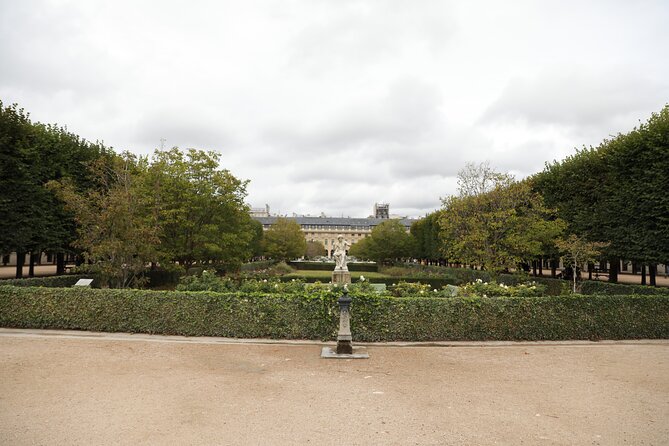
The tour gets consistently praised for the guide experience. Multiple reviews mention art historian guides such as Mila/Milica and Melissa, plus Dunya and the team member Boris (who responds to guests and helps run the program). The recurring theme is that guides connect architecture, history, art, and culture in a way that’s easy to follow.
Here’s what that means for you on the street. When you ask a question—about style, symbolism, or what you’re seeing—the guide can answer without feeling rushed. If you want more focus on one building detail, you can usually steer the attention that way.
And that’s where customization matters. A private tour shouldn’t feel like a scripted lecture with one extra chair. This one is built for your interests, so you get less “passive viewing” and more active noticing.
How to get more from the two hours
Two hours is short. You can either rush through it or let it tune your eyes. I recommend treating it like a guided visual training session.
A few practical tips:
- Go in with one question ready. Example: What does neoclassicism want people to feel?
- Wear comfortable shoes. You’ll be walking and standing for short pauses at multiple stops.
- Take one or two photos per stop, then look again. If you keep photographing, you’ll miss the design cues the guide is pointing out.
If your group includes someone less into architecture, don’t worry. The guide’s explanations are aimed at linking design to everyday meaning, so it usually lands with a broader range of interests.
Who should book this tour
This tour is a strong match if you:
- Want a private, art historian-led walk with real explanations, not just a route.
- Like Paris beyond the headline monuments and want the “how and why” behind style.
- Enjoy comparing multiple related sites in a single visit, so the theme actually sticks.
- Travel with family members or friends who will share the group cost.
It’s less ideal if you mainly want a flexible, drop-in sightseeing stroll. This tour is structured around neoclassical architecture and the guide’s interpretation, so it works best when you’re in learning mode.
Should you book Neoclassical Paris with a private art historian?
Yes, if you like architecture with meaning. The biggest payoff is that you’ll start recognizing neoclassical design as a message, not just a look. The consistent praise for guides like Milica/Mila, Melissa, and Dunya lines up with what this tour is built to do: connect buildings to art and historical context in a way that feels clear and fun.
Book it if your group has at least two people sharing the cost, since the price is per group up to 6. If you’re only one person, consider whether you’re the type who will really use a specialist guide for the full two hours.
If that sounds like you, you’ll come away with Paris in better focus.
FAQ
How long is the Neoclassical Paris private walking tour?
It runs for about 2 hours.
What is the group size for this private tour?
It’s a private tour, and the pricing is for a group of up to 6 people.
What does the tour cost?
The price is $360.48 per group (up to 6).
What’s included in the tour price?
You get a professional art historian guide and a private tour.
Is food or drinks included?
No. Food and drinks are not included.
What language is the tour offered in?
It’s offered in English.
Where does the tour start and end?
It starts at Bourse75002 Paris, France and ends at Arc de Triomphe du Carrousel, Pl. du Carrousel, 75001 Paris, France.
Are there admission tickets required at the stops?
The tour information indicates admission ticket free at the stops listed.
Can I get a refund if I cancel?
Yes. Free cancellation is available if you cancel up to 24 hours in advance for a full refund.
Is the walking difficult?
The tour asks for moderate physical fitness, so it’s best if you’re comfortable walking for the duration with stops along the way.