REVIEW · PARIS
Montmartre’s heritage with specialties tasting Private Tour
Book on Viator →Operated by Venez Discover France · Bookable on Viator
Montmartre gets better when you walk with a guide. This private 2.5-hour tour is built around two Montmartre churches and a food-and-art route that leads you along Rue des Martyrs, then up toward the Sacré-Cœur area. I like that you get French sweet and savory tastings in the middle of the sightseeing, not as an add-on at the end.
The main downside is that tour-day communication matters. A few unhappy experiences point to missed meetups or unresponsive messaging, so I’d come prepared to confirm the details clearly before you head out.
In This Review
- Key things to know before you go
- Why Montmartre is best when you have a route
- Rue des Martyrs and Notre-Dame de Lorette: the church that changes the mood
- French tastings on the walk: what to expect and how to get the most out of it
- Montmartre’s streets and the artist story: getting beyond the postcard
- Sacré-Cœur area time: why the tour helps on a hill day
- Private tour value: personalization you can feel in the pacing
- Price and logistics: what the cost covers, and what you should watch
- Who this tour is for (and who might want another style)
- What to do before and during the walk
- Should you book this Montmartre heritage tasting tour?
- FAQ
- How long is the Montmartre heritage with specialties tasting private tour?
- Where does the tour start?
- Is this a private tour?
- What food is included in the specialties tasting?
- Are church entrance tickets included?
- Do I get a mobile ticket?
- What is the cancellation policy?
Key things to know before you go
- Rue des Martyrs + Notre-Dame de Lorette inside access: you focus on ornate interiors, not just the street photo stops
- Sweet and savory tasting stops: croissants, homemade French jam, and locally made cheese are part of the walk
- A paced Montmartre climb: you’ll be walking in a hilly neighborhood where breaks can make a big difference
- Private format: only your group, so your guide can adjust to your pace and interests
- Mix of classic landmarks and local-feeling streets: from neoclassical church detail to Romano-Byzantine-style streets
Why Montmartre is best when you have a route
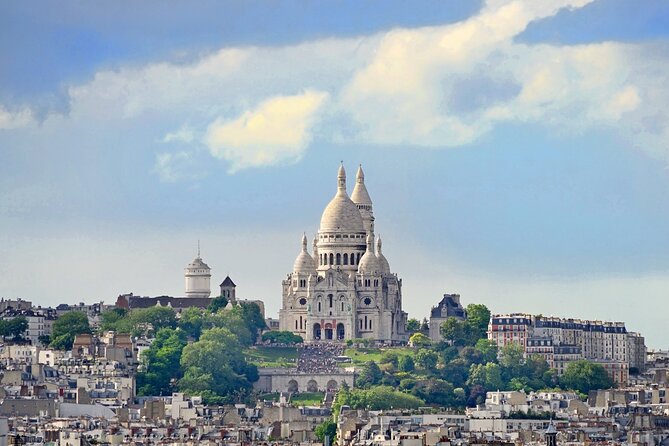
Montmartre is famous for art and angles that look good in any light, but the neighborhood also rewards planning. With this tour, you’re not just wandering—you’re walking a loop that ties together church art, famous streets, and the artistic story of the hill.
You’ll cover a lot in about 2 hours 30 minutes, which is ideal if you want meaningful Montmartre highlights without turning your day into a stair marathon. And since it’s private, the guide can steer you toward what matters most to your group.
That food component is a big deal too. Instead of treating tastings like a separate activity, the tour threads it into the walking rhythm, so you’re snacking while you’re already in the right neighborhood for it.
You can also read our reviews of more food & drink experiences in Paris



Rue des Martyrs and Notre-Dame de Lorette: the church that changes the mood
You start at Paroisse Notre-Dame de Lorette (8bis Rue Choron), and the first major payoff is Notre-Dame de Lorette. This isn’t a quick exterior glance. You get time inside one of the more ornate churches in France, with a neoclassical feel that’s visually “loud” in the best way—colorful hand-painted murals, marble and gold structures, and a ceiling that’s elaborately decorated.
Here’s why I think this stop is worth doing on a guided walk. Montmartre can pull your attention outward—streets, views, the Sacré-Cœur silhouette—but a church like this is about reading the details. With a guide, you’re more likely to notice the symbolism and the style cues that make the interior feel purposeful, not just pretty.
You then move onto Rue des Martyrs, one of Paris’s iconic streets for people-watching. You’ll be walking in the middle of the old-world Paris energy—shops, chatter, and the kind of street life that makes the neighborhood feel lived in rather than staged.
If you’re sensitive to heat or you don’t love crowd noise, you can ask your guide to manage the timing and pacing here. Some guides in this format have shown they’ll slow down and add breaks when the day gets tough.
French tastings on the walk: what to expect and how to get the most out of it
The tasting element is one of the strongest reasons to pick this tour. You’ll sample a selection of French delicacies along Rue des Martyrs, including authentic croissants, homemade French jam, and locally made cheese.
I like that these aren’t vague “snacks.” They’re specific enough that you can actually picture the flavors and decide if they fit your preferences. If you’re a pastry person, the croissant focus helps. If you like a mix of sweet and savory, the jam-and-cheese pairing makes the route feel balanced.
A practical tip: pace your appetite. Tastings are part of the walking day, so don’t go too heavy beforehand—especially if you’re also doing another meal after. If you have dietary needs, the tour data doesn’t list specific accommodations, so it’s smart to message in advance and ask what’s possible.
Also, you’re walking on hills later, so keep the tasting bites reasonable. The goal is enjoyment, not a sugar-and-stamina crash.
Montmartre’s streets and the artist story: getting beyond the postcard
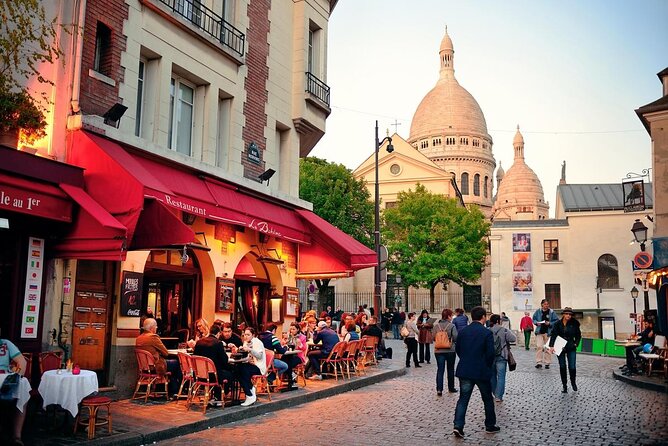
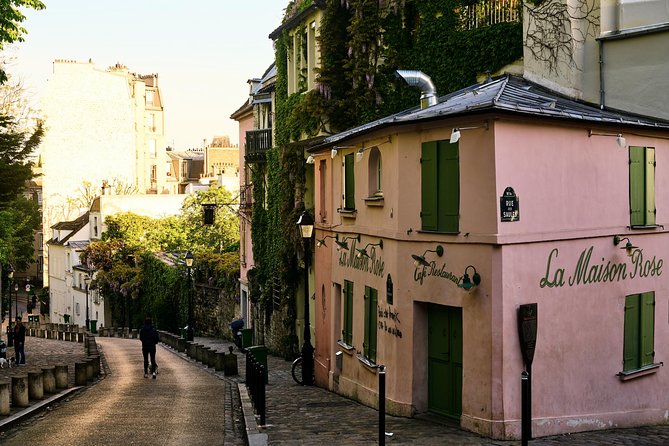
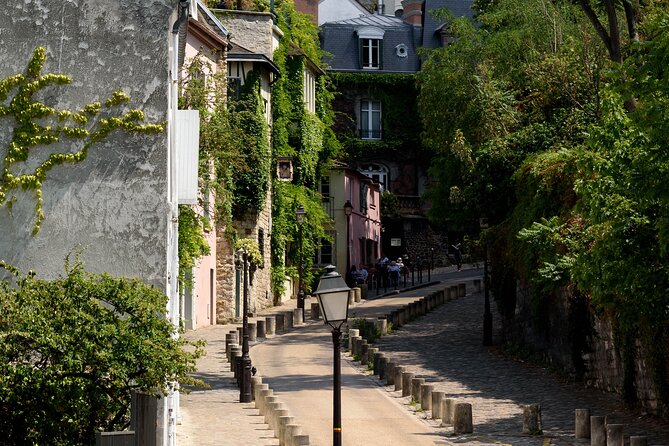
After Rue des Martyrs, you head into Montmartre itself. This is where the tour shifts from “landmarks” to “neighborhood atmosphere,” with a look at narrow, cobbled streets and the look of the area’s homes and shops.
The description highlights the Romano-Byzantine style of the buildings, plus the feel of a village inside a big city. This matters because it helps you understand why Montmartre has always drawn artists. It’s not just the famous names—it’s the physical texture of the place: tight lanes, creative storefront energy, and buildings that look like they were made for stories.
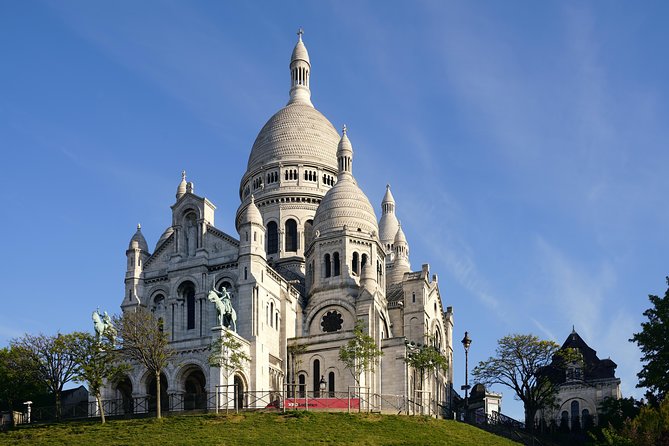
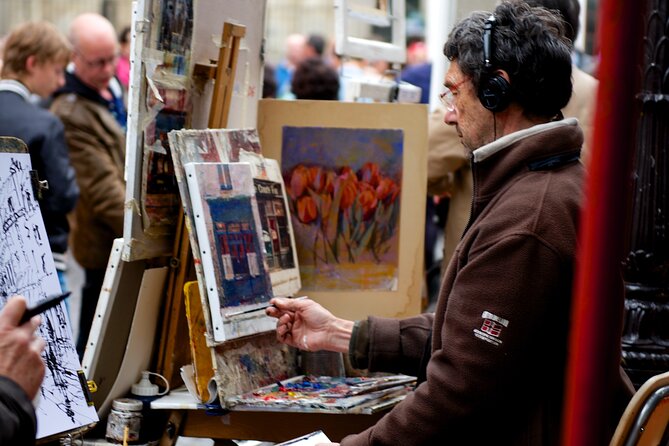
Your guide ties that vibe to the artistic history of the area, including the idea that Montmartre helped shape the artistic heart of Paris. You’ll also see how this legacy connects to major structures like Sacré-Cœur, which sits at the center of why the hill became so symbolic.
If you’re with kids or teens, this segment can land well because it’s less lecture-heavy and more “walk, look, notice.” A guide named Anthony is mentioned as adapting the pace for children around ages 11 and 13, including taking breaks on the climb and stopping for a bakery croissant moment. That’s the kind of practical flexibility that makes Montmartre feel friendly instead of exhausting.
Sacré-Cœur area time: why the tour helps on a hill day
Even when you’re not going inside every major site, the tour’s timing and route toward the Sacré-Cœur area can help you “get it” faster. You’re not only chasing the famous view—you’re learning what makes the hill special and why people associate it with art culture.
Montmartre hills are real, so this is the part where comfort matters. Wear shoes that grip well on stone. Bring water, especially if you’re visiting in warmer months. And if you need to slow down, do it early. It’s easier for a guide to adjust pacing at the beginning than to keep pushing while everyone’s fading.
This is also where private format can pay off. In a mixed group—seniors plus teen family members—some guides have made the experience work by keeping it enjoyable at a human pace, not a “tour group sprint.” If you’re planning for ages with different energy levels, that’s a strong argument to choose a private walkthrough.
You can also read our reviews of more private tours in Paris






Private tour value: personalization you can feel in the pacing
At $169.57 per person, you’re paying for two things: time and attention. In a neighborhood like Montmartre, time matters because you’ll want to see interiors, not just take pictures, and attention matters because you’ll be walking in a place where wrong turns waste energy.
This tour leans into private attention. That means your guide can:
- slow down or add breaks when the hills hit
- keep the route aligned with your group’s interests
- manage how long you spend inside the church versus on the streets
That’s not just a luxury. It’s how you make a short tour feel complete.
One positive example is the guide Anthony, who reportedly adapted the tour for kids during an extremely hot day and built in a bakery stop for croissants. That kind of pacing adjustment is exactly what private tours should do—turn a fixed program into a plan that works for your group.
Price and logistics: what the cost covers, and what you should watch
The price is not cheap for a walking tour, but it includes meaningful components. You’re paying for a guided walk, a church stop with admission included at Notre-Dame de Lorette, and a tasting selection along Rue des Martyrs. Stop two is listed with admission as free, which helps keep the total cost from feeling like you’re also paying extra for every location.
Still, I’d be careful with one thing: reliability on meet-up day. A handful of negative experiences cite issues like being late, no response from the provider, and even missing the guide entirely. That’s not something you can control, but you can control how prepared you are.
Here’s how I’d handle it:
- Confirm your start details before leaving your lodging.
- Keep your app notifications on and check your messages the morning of the tour.
- Arrive early so you’re not stuck trying to coordinate when the group is already moving.
Also note that the tour is described as near public transportation and uses a mobile ticket. That’s helpful because it reduces the chance of last-minute confusion about paper tickets. But even with a mobile ticket, you still want the meet-up details locked in.
The good news is that when it works well, the experience seems to click fast—especially for families and groups with mixed ages.
Who this tour is for (and who might want another style)
This tour is a good match if you:
- want Montmartre highlights without doing a long self-planned day
- enjoy French food and want tastings tied directly to the route
- care about church interiors and would rather not rush through them
- prefer a guide who adjusts pacing, especially for hills
It’s also a solid pick for grandparents traveling with teens, based on the way one guide reportedly made the walk work for seniors and teen granddaughters.
You might reconsider if you:
- rely heavily on electronic messaging for changes and confirmations, and you dislike uncertainty
- need a very low-walking plan, because this is still a walking tour through a hilly neighborhood
- want only “big sight” views, since part of the value here is the more detailed church interior experience and street atmosphere
What to do before and during the walk
A little prep goes a long way in Montmartre.
Before you go:
- Wear grippy shoes for cobblestones and stairs.
- If it’s warm, plan for heat. The tour can include a climb, and breaks are part of making it enjoyable.
During the tour:
- Ask for pacing adjustments early.
- If you have strong preferences, mention them at the start so the guide can steer attention—church detail versus street time versus tastings.
You’ll also get more from the church stop if you let yourself slow down. Notre-Dame de Lorette is a visual feast, but it’s the kind of place where a quick glance turns into “I saw a lot,” not “I understood what I saw.”
Should you book this Montmartre heritage tasting tour?
I think you should book it if you want a tight, private Montmartre experience that mixes church art, Rue des Martyrs energy, and real French tasting in under three hours. The price makes sense when you factor in admission at Notre-Dame de Lorette, guided storytelling, and the specific food items included.
I’d also book it if you value a guide who can adapt. The strongest praise centers on personalization—like Anthony adjusting pace and adding breaks during a very hot day, and a guide making the tour comfortable for seniors and teens.
But I’d pause if you’re the type who needs ironclad logistics with zero risk. Since some experiences describe missed meetups and unresponsive communication, build in margin: confirm details clearly, arrive early, and keep a backup plan for how you’ll get back on track if something changes.
If you go in with that mindset, this is the kind of Montmartre walk that can turn a famous hill into a more personal, detail-rich Paris day.
FAQ
How long is the Montmartre heritage with specialties tasting private tour?
It’s approximately 2 hours 30 minutes.
Where does the tour start?
The meeting point is Paroisse Notre-Dame de Lorette, 8bis Rue Choron, 75009 Paris, France.
Is this a private tour?
Yes. It’s a private tour/activity, meaning only your group participates.
What food is included in the specialties tasting?
You’ll sample a selection of French delicacies, including croissants, homemade French jam, and locally made cheese.
Are church entrance tickets included?
Notre-Dame de Lorette has an admission ticket included. The other church stop (Basilique du Sacre-Coeur) is listed as free for admission.
Do I get a mobile ticket?
Yes, the tour includes a mobile ticket.
What is the cancellation policy?
You can cancel for a full refund up to 24 hours before the experience’s start time. If you cancel within 24 hours of the start time, the amount paid is not refunded.