REVIEW · PARIS
Montmartre Walking Tour in English
Book on GetYourGuide →Operated by Walkative Tours · Bookable on GetYourGuide
Montmartre climbs, and the stories climb too. I really like how this tour turns famous landmarks into a clear, narrative you can follow on foot, and I especially enjoy the stops tied to Café Deux Moulins and Van Gogh’s house. One possible drawback: the tour can feel a bit talk-heavy at times, so if you prefer lots of silence and photo time, keep that in mind.
In about 150 minutes, you’ll cover enough ground to understand why Montmartre became the arts district it is today, without feeling like you need a full day. The guide keeps the mood lively, and if weather changes, they find cover so you’re not just stuck in the rain.
In This Review
- Key things I’d bet you’ll care about
- Why Montmartre Is More Than a Postcard
- Starting at Metro Blanche and Finding the Yellow Umbrella
- The Tour’s Core Rhythm: A Story You Can Walk With
- Café Deux Moulins: Amélie’s Montmartre Stop
- Van Gogh’s House: Seeing the Art World Behind the Name
- Picasso and Modigliani Studios: Why the Neighborhood Attracted Giants
- Vineyards and the Oldest Cabaret in Paris: The Wine-and-Walk Mood
- Moulin Rouge: Seeing the Landmark in Context
- How Long Is 150 Minutes, Really?
- What the Guide Style Looks Like (And Who You Might Get)
- Price and Value: Is $31 Worth It?
- Who This Tour Fits Best
- Should You Book This Montmartre Walking Tour?
- FAQ
- Is this tour in English?
- How long is the Montmartre Walking Tour?
- Where do I meet the group?
- Is hotel pickup or drop-off included?
- Does the tour run in bad weather?
- What are the main highlights included?
- What is the price for the tour?
- Is there free cancellation?
- Is there an option to pay later?
- Is this a pay-what-you-wish style tour?
Key things I’d bet you’ll care about
- Amélie-linked stop: Café Deux Moulins is built into the story, not treated like a quick photo stop.
- Van Gogh’s house focus: You get the artistic context that makes the site click.
- Artists’ studio area: Picasso/Modigliani studio sites add a “who worked here and why” layer.
- Cabaret + wine mood: You’ll connect Montmartre’s vineyard/cabaret vibe to its reputation.
- Moulin Rouge perspective: It’s more than a landmark; it’s part of the neighborhood’s turning point.
- English, local, story-led: The tour is designed as a walk-with-a-point, with an expert guide driving it.
Why Montmartre Is More Than a Postcard
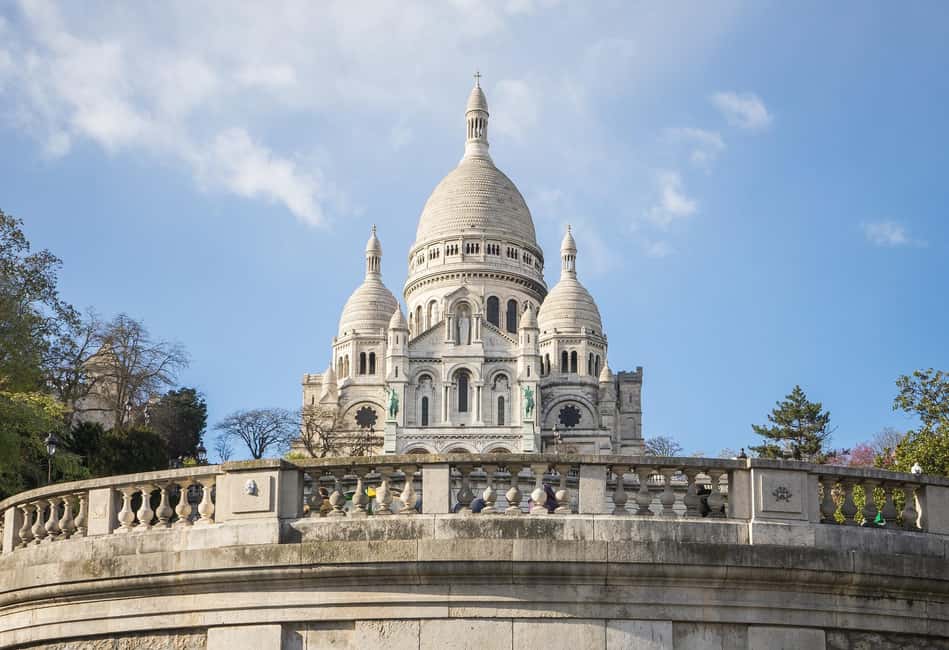
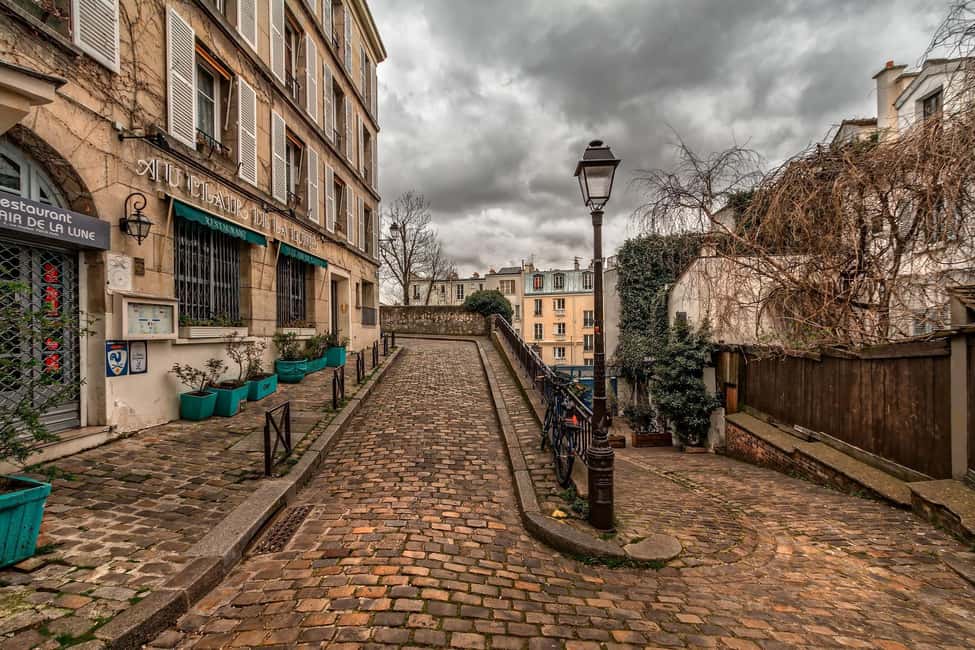
Montmartre’s name comes from Latin Mons Martyrum, meaning Hill of Martyrs. The legend centers on Saint Denis: he was beheaded, then—depending on how you tell the story—carried his severed head down the hill and died afterward. It’s dark stuff, but that mix of legend and setting is exactly why Montmartre feels like it has gravity.
Before the big-name art era, Montmartre was known as a simpler village set on the hill. Vineyards, gardens, orchards, and mills shaped daily life. In fact, the slopes once supported up to 13 mills for grinding wheat, barley, and rye. Today only two mills survive as part of the neighborhood identity, and you’ll see that legacy in the way people still treat the area like a living symbol.
Then the 19th century shift happens. Cheap wine, low rents, and a relaxed atmosphere helped drinking places flourish, which in turn attracted artists from far away. You get the idea that the neighborhood wasn’t waiting to become famous—it started becoming itself, and fame followed. This tour leans into that cause-and-effect story so you understand why the streets feel the way they do.
You can also read our reviews of more walking tours in Paris



Starting at Metro Blanche and Finding the Yellow Umbrella
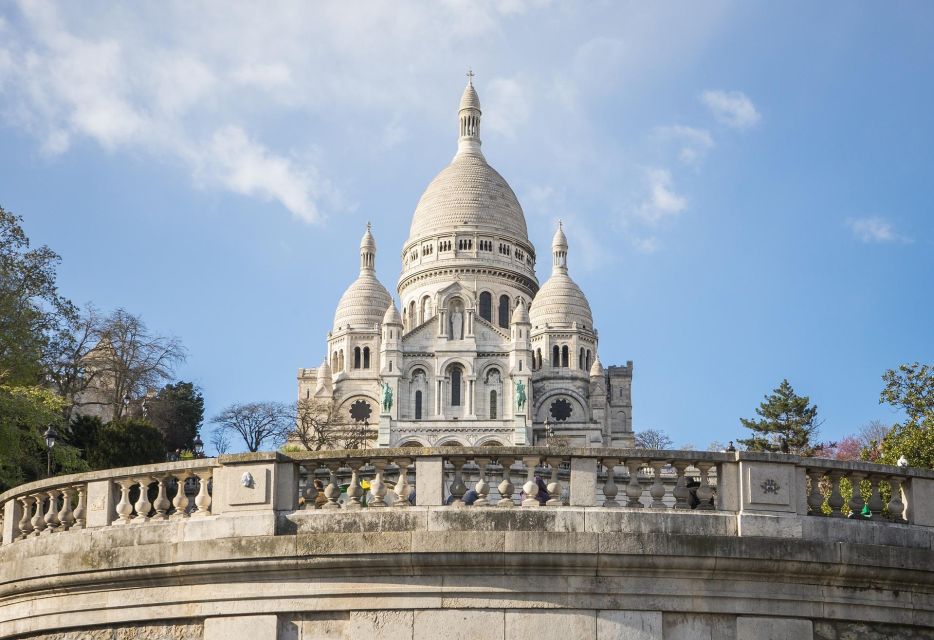
Meeting at the Metro Blanche stop is easy once you know what to look for. You meet in front of the only exit, and you should look for the yellow umbrella so you can spot your group quickly.
No hotel pickup or drop-off is offered, so plan to reach Metro Blanche on your own. The upside is you’re not losing time waiting for transfers or fiddling with timing—this is a straight-to-the-neighborhood kind of experience.
Because the tour happens rain or shine, bring the mindset that Paris weather is just part of the job. If it gets cold or rainy, the guide finds cover so you keep moving with less stress.
The Tour’s Core Rhythm: A Story You Can Walk With
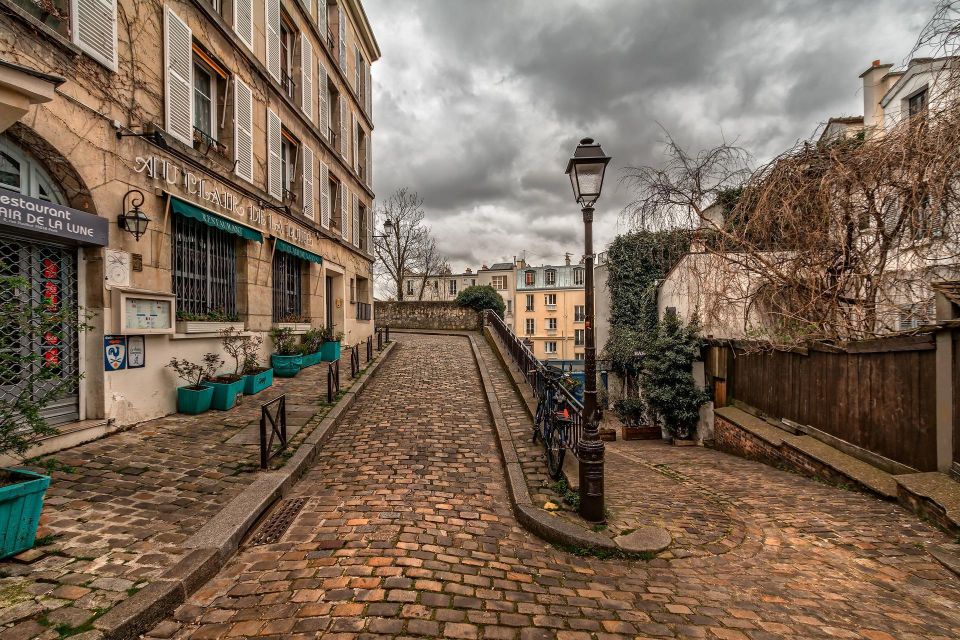
This is an English live guide tour with a “thoroughly constructed narrative.” That matters because Montmartre can otherwise feel like a random mix of stairs, viewpoints, and famous facades. Here, the guide connects the dots: legend to village life, village life to artists, and artists to the cabaret reputation you see today.
You’ll also get a real local guide voice, not just a list of dates. That’s where the experience tends to shine—people mention guides bringing information with humor and passion, and you can feel the effort to make it memorable without turning it into a lecture.
One note on pacing: the tour can be more speaking-heavy than you might expect for a walking experience. If you like quick stops and lots of silent wandering, you may want to manage your expectations and bring a bit of patience for the storytelling.
Café Deux Moulins: Amélie’s Montmartre Stop
Café Deux Moulins is famous because of the film Amélie, and this tour treats it as more than a “check-the-box” moment. You’ll understand why that setting matters to modern visitors while also tying it back to Montmartre’s historic pull—cafés, wine, and the social energy that helped artists feel at home.
What I like about including a film-linked landmark is that it gives you an instant entry point. You don’t need art history to enjoy it. You just have to recognize the place, then the guide explains why it fits the broader neighborhood story.
Possible drawback: if you’re allergic to crowds, the area around a very recognizable film location can feel busy. The advantage is that the guide can help you look beyond the obvious photo angle and see the café as part of the neighborhood’s long culture of hanging out.
Van Gogh’s House: Seeing the Art World Behind the Name
Van Gogh’s house is a key highlight for this tour, and it works because it connects the legend of “artist life” to a real place. Instead of treating Van Gogh as a distant name from a textbook, you get the sense of why Montmartre drew painters and how the neighborhood’s environment supported that kind of work.
This is where the tour’s narrative approach pays off. Montmartre’s story is usually told as a set of famous names—Monet, Renoir, Van Gogh, Picasso, Modigliani, Matisse, Degas, Toulouse-Lautrec. The tour helps you connect those names to the specific geography and atmosphere that made artists want to live and work there.
You’ll also leave with a better feeling for what “inspiration” meant when artists were literally moving into a real hill district shaped by mills, vineyards, and nightlife. That changes how you see the streets. They stop being scenery and start feeling like a set of choices people made.





Picasso and Modigliani Studios: Why the Neighborhood Attracted Giants
The tour includes Studios Picasso/Modigliani, and that pairing is smart. Picasso and Modigliani both represent the early 20th-century art surge, and Montmartre became a magnet because it offered space, community, and a nightlife orbit that made networking natural.
This stop is valuable because it keeps the story grounded in work, not just fame. You’re not only looking at where artists posed; you’re seeing the types of spaces artists used and why the neighborhood’s reputation made it easier for careers to form close together.
If you’re the kind of visitor who likes “how things happen” stories, you’ll probably enjoy this portion. You’ll come away with a clearer picture of why Montmartre felt like the place where experiments could happen—artists arrived, found each other, and turned the neighborhood into a creative engine.
Vineyards and the Oldest Cabaret in Paris: The Wine-and-Walk Mood
One of the most interesting highlights is the vineyard/oldest cabaret in Paris element. It’s a reminder that Montmartre wasn’t always only entertainment and painters. There was agriculture on these slopes, and the wine culture helped create the social fabric that later fueled cabaret life.
Oldest cabaret ties the idea together: cheap wine, drinking establishments, and the looseness of the district. That’s the kind of atmosphere that lets artists meet people, collaborate, and keep living in the same neighborhood instead of constantly moving on.
Here’s how to get the most out of this stop: pay attention to the vibe shift. You go from “artist hill” to “nightlife hill.” The tour gives you the logic, so when you look around, you can feel why a place with vineyards could also become famous for can-can energy.
Moulin Rouge: Seeing the Landmark in Context
Moulin Rouge is included, and it’s the kind of sight everyone recognizes. But the value of having it in a guided story is that it’s not just a photo moment—it becomes a symbol of Montmartre’s transformation into a nightlife destination.
The tour helps you connect what you see with how the neighborhood changed. In the 19th century, the mix of drinking culture and lower costs made Montmartre appealing to artists and performers. Over time, cabarets became a signature, and Moulin Rouge became part of the visual language of Montmartre.
If you’re trying to decide whether a cabaret landmark is “worth it,” this is where context matters. You’ll likely get more out of it if you care about the neighborhood’s arc—how it moved from village life to an international stage.
How Long Is 150 Minutes, Really?
150 minutes sounds like a “just enough” walking tour, and that’s close to how it feels in practice. It’s long enough to see multiple named highlights and understand the connections between them. It’s short enough that you don’t have to commit your whole day to the hill.
Because Montmartre is steep and full of small streets, comfortable shoes are important. You’ll also want to pace yourself. The tour’s speaking style can slow you a little, but it also means you aren’t just reading plaques and guessing.
What the Guide Style Looks Like (And Who You Might Get)
The experience is led by a live English guide with an expert, local approach. People also highlight that guides can bring information with humor and good energy. In at least some cases, you may be guided by someone like Eva or Raj, based on past bookings.
That said, reviews also hint that the talk-to-walk ratio can be more than some visitors expect. So if you prefer quick, action-first touring, plan to take your own photo breaks when you can. If you enjoy stories you can carry into the rest of your day, this style will likely suit you.
Price and Value: Is $31 Worth It?
The tour price is listed at $31 per person, and the experience is described as a general pay-what-you-wish format where what you pay now is mainly an online booking fee. In other words, you’re not just buying access—you’re buying an organized, guided walk with a developed narrative.
Is it a bargain? For a 150-minute English tour hitting named highlights like Café Deux Moulins, Van Gogh’s house, and Moulin Rouge, the value is strong if you enjoy guided context. If you’re the type who can read on your own and doesn’t care about the story thread, you might feel the value is less.
My practical take: if you want Montmartre to make sense beyond famous names, this is the kind of tour where your money turns into understanding. If you mainly want selfies and minimal listening, you’d probably do better with a loose self-guided plan and a shorter stop list.
Who This Tour Fits Best
You’ll probably love this tour if you:
- Want an English guide to connect Montmartre’s legends, mills, vineyards, and art-world boom
- Like film references, but also want the neighborhood history behind them
- Prefer a structured walking experience over wandering without direction
You might consider skipping (or at least going in with expectations) if you:
- Get impatient with longer storytelling moments
- Want a more minimalist, photo-first pace
- Are looking for hotel pickup or a ride-style tour (this one is walk-based)
Should You Book This Montmartre Walking Tour?
I think this is a solid pick if you want Montmartre to feel like a coherent story. Café Deux Moulins, Van Gogh’s house, the Picasso/Modigliani studios area, the vineyard and cabaret mood, and Moulin Rouge each work better when you understand why Montmartre became the artists’ hill it did.
Book it if you value an organized narrative, comfortable walking time, and English explanations that turn famous spots into meaning. Skip or reconsider if your ideal Paris moment is mostly quiet wandering with very little guide talk. If you’re on the fence, the smart move is to show up with curiosity—and decide on pace by asking yourself one question: do you want the streets to teach you something, or do you just want them to look pretty?
FAQ
Is this tour in English?
Yes. The live tour guide speaks English.
How long is the Montmartre Walking Tour?
The duration is 150 minutes.
Where do I meet the group?
Meet in front of the Metro Blanche, the only exit. Look for the yellow umbrella.
Is hotel pickup or drop-off included?
No. There is no hotel pickup and no drop-off.
Does the tour run in bad weather?
It takes place rain or shine. If it gets cold or rains, the guide finds cover.
What are the main highlights included?
The tour highlights include Café Deux Moulins (linked to Amélie), Van Gogh’s house, Studios Picasso/Modigliani, a vineyard/oldest cabaret in Paris, and Moulin Rouge.
What is the price for the tour?
The price is listed as $31 per person.
Is there free cancellation?
Yes. You can cancel up to 24 hours in advance for a full refund.
Is there an option to pay later?
Yes. You can reserve now and pay later.
Is this a pay-what-you-wish style tour?
Yes. It is described as a general pay-what-you-wish tour where the amount you pay to the guide is up to you, and the amount paid online is a small booking fee.