REVIEW · PARIS
Montmartre Sacre Coeur Tour with Local guide
Book on Viator →Operated by Bonbon Tours · Bookable on Viator
Montmartre feels like a movie set, but this tour helps you move like a local. In 90 minutes, you cover the hill’s big icons and several character-filled spots you’d miss if you only wander on your own. You’re also going to get practical guidance on what to see next in Paris, which is handy when time is tight.
I especially like the way the tour turns “famous names” into stories you can place in real neighborhoods. Stops connect the arts world—Van Gogh, early-20th-century creativity at Le Bateau-Lavoir, and the painter vibe around Place du Tertre—so the area makes more sense fast. I also like the small-group size (up to 25) and the English guide, which keeps the pace human and the explanations clear.
One drawback to consider: Montmartre is uphill and outdoors a lot, and the experience is weather-dependent. On cold, rainy days, you’ll want to dress for the walk—and accept that plans can change if conditions go sideways.
In This Review
- Key highlights worth caring about
- Why this 90-minute Montmartre plan works
- Starting point at Bd de Clichy: getting the route right early
- Stop 1: Moulin Rouge exterior story (no show ticket required)
- Stop 2: Van Gogh’s house address and why Paris mattered
- Stop 3: Le Mur des Je t’aime (love, in many languages)
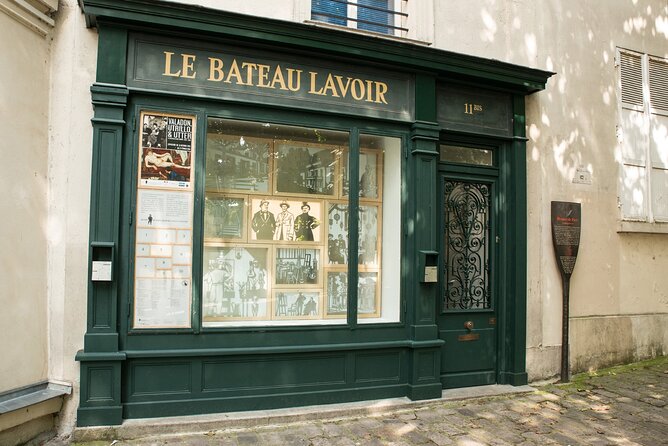
- Stop 4: Le Bateau-Lavoir and the art-world buzz
- Stop 5: Le Moulin de la Galette and the artist meeting-place idea
- A Dalida moment: Place Dalida for a quieter pause
- Stop 6: La Petite Maison Rose de Montmartre (since 1920)
- Stop 7: Vigne du Clos Montmartre for the vineyard side of the hill
- Stop 8: Place du Tertre and the painter-square atmosphere
- Final stop: Sacré-Cœur Basilica and the view from the hill
- Guides and group pace: why the experience feels human
- What’s included in your $30.04 and what it means for value
- Who this Montmartre tour suits best
- Should you book this Montmartre Sacré-Cœur tour?
- FAQ
- What’s the duration of the Montmartre Sacré-Cœur tour?
- Is the tour offered in English?
- Where does the tour start and end?
- What’s included if I book the tour?
- Is the Moulin Rouge show included?
- What happens if weather is poor?
Key highlights worth caring about
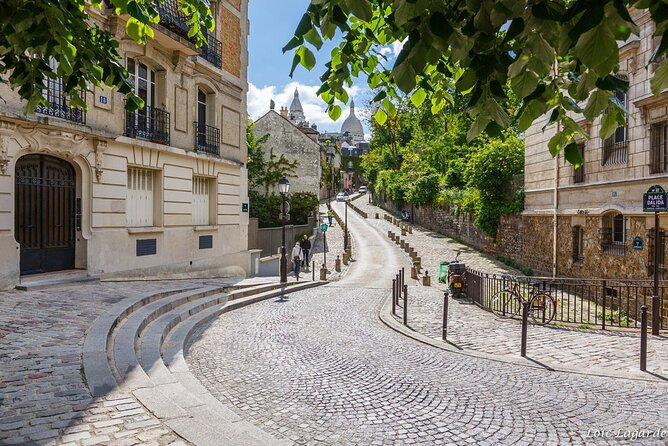
- Fast coverage of Montmartre’s must-sees without losing time guessing where to go
- Van Gogh’s Paris connections at a specific address, tied to how the city influenced his work
- Le Mur des Je t’aime as a meaningful pause for photos and a bit of romance
- Le Bateau-Lavoir and the early-1900s artistic scene told in plain, street-level terms
- Place du Tertre for that painter-square atmosphere, plus guidance on what’s worth your time
- Sacré-Cœur finish with big-city views when you emerge from the side streets onto the hill
Why this 90-minute Montmartre plan works
This tour is built for people who want the headline sights, but don’t want to spend the whole day “hunting” for them. With an overall duration of about 1 hour 30 minutes, it’s long enough to hit multiple stops, yet short enough that you’re not stuck in Montmartre until dinner.
The value here is simple: one local guide plus a tight route means you pay $30.04 for efficient orientation. You’re not paying to enter attractions at every stop—most of the key moments on the route are free to visit. The one clear exception is the Moulin Rouge show, which is not included.
You can also read our reviews of more guided tours in Paris



Starting point at Bd de Clichy: getting the route right early
You meet at 59 Bd de Clichy, 75009 Paris, with the tour scheduled for 2:00 pm. That matters because Montmartre gets busy, and the later you start, the more you’ll fight crowds and dead-end streets.
You’ll also appreciate the “end at the Basilica” design. The tour finishes at 35 Rue du Chevalier de la Barre, 75018 Paris, in front of Basilique du Sacré-Cœur de Montmartre. So even if you don’t have every museum ticket lined up, you still leave with a clear win: the hilltop setting and the views over Paris.
Stop 1: Moulin Rouge exterior story (no show ticket required)
The first stop is Moulin Rouge, where the guide explains the history of the extravagant cabaret world and how Montmartre developed its reputation for high-energy performances. There’s no admission ticket included for the show—so think of this as “set-up and context,” not a ticketed performance.
Why it’s worth doing early: Moulin Rouge is basically the “gateway reputation” for the area. If you visit Montmartre only for Sacré-Cœur, you miss how the neighborhood earned its fame. Here, you get that framing before you start wandering.
Practical note: even with only 10 minutes at the stop, you’ll hear enough to understand why Montmartre has always mixed art, nightlife, and a slightly theatrical attitude toward Paris.
Stop 2: Van Gogh’s house address and why Paris mattered
Next comes Van Gogh’s House—you’ll see one of the notable addresses tied to him. The guide also explains how Paris influenced his art and shares stories from his life in the city.
This is a smart stop because it’s specific. Instead of just saying Van Gogh visited Paris, you connect the person to a real place on the map. Even if you’ve never studied art history, you’ll leave with a clearer sense of why those neighborhoods mattered for creative life.
Stop 3: Le Mur des Je t’aime (love, in many languages)
At Le Mur des Je t’aime, you take a short look at the I love you wall. It’s described as a symbol of love and unity, and it’s one of those spots that works for almost everyone—solo travelers, couples, families, and groups.
The best part of putting this mid-tour: it gives you a visual break before the walk gets more arts-focused. You’ll also have a quick chance to take photos without needing a ticket.






Stop 4: Le Bateau-Lavoir and the art-world buzz
Then you get to Le Bateau-Lavoir, with the guide sharing the building’s history and its role in the early-20th-century artistic scene. This place is presented as an iconic symbol of Montmartre’s artistic legacy.
What I like about this stop is the way it changes your mental picture of Montmartre. Sacré-Cœur is the postcard top; Le Bateau-Lavoir is the “how creativity actually happened” layer. You’re shown an atmosphere tied to revolutionary artistic movements, and you’re meant to feel that shift as you keep walking.
A consideration: since the tour time is tight, the stop is brief. Use it to learn the story, then look around on your own for the details after the guide moves you on.
Stop 5: Le Moulin de la Galette and the artist meeting-place idea
You’ll also hear history about Le Moulin de la Galette—how it became a gathering spot for artists, bohemians, and locals seeking lively company. It’s linked to art from Pierre-Auguste Renoir, and the tour frames it as a symbol of Montmartre’s heyday.
This stop is useful even if you only care about photos. It’s a way to understand why the area has that “people watching” energy, not just why it looks charming from afar.
A Dalida moment: Place Dalida for a quieter pause
During the walk, the guide talks about Dalida and Place Dalida, a square dedicated to her in Montmartre. It’s described as a calm spot, with a bust and a surrounding mix of cafes and boutiques.
This is a nice shift from the art landmarks. You get a cultural reference point that still feels local, not museum-like. If you’re the type who likes listening for names and stories beyond the biggest attractions, this stop will land well.
Stop 6: La Petite Maison Rose de Montmartre (since 1920)
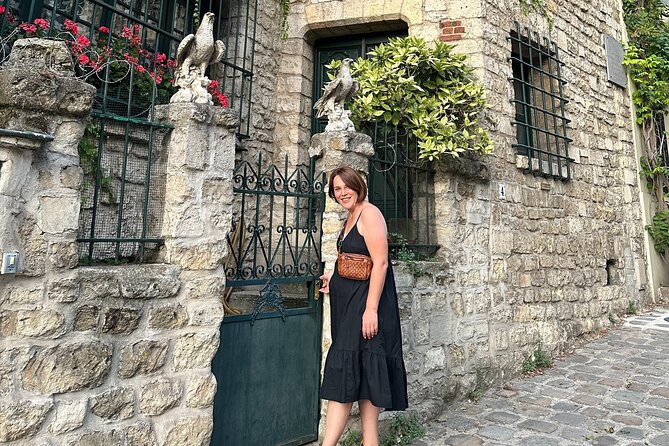
Now it’s time for La Petite Maison Rose de Montmartre, described as since 1920. The guide provides history about the building and gives you a little time for pictures.
This is one of those “Montmartre facades” stops that’s very easy to appreciate. The tour presents it as a favorite subject for artists and photographers, and it’s tied to the tradition of Montmartre attracting artists, writers, and bohemians.
Practical note: since you’ll get a short photo window, wear comfortable shoes and have your camera settings ready. Montmartre rewards quick, focused shots here.
Stop 7: Vigne du Clos Montmartre for the vineyard side of the hill
Then you’ll see Vigne du Clos Montmartre, a unique vineyard area in Montmartre. The guide explains winemaking care and encourages you to slow down for the vines and the idea of toasting to Montmartre’s spirit.
This stop is a great contrast. Most visitors associate Montmartre with buildings, churches, and artists. The vineyard segment reminds you the hill isn’t only about art studios—it has real local production and a different pace.
If you’re sensitive to heat or cold, this is also a good moment to take a breath. Ten minutes can feel long when you’re standing still, but it’s the kind of stillness that helps the walk feel complete.
Stop 8: Place du Tertre and the painter-square atmosphere
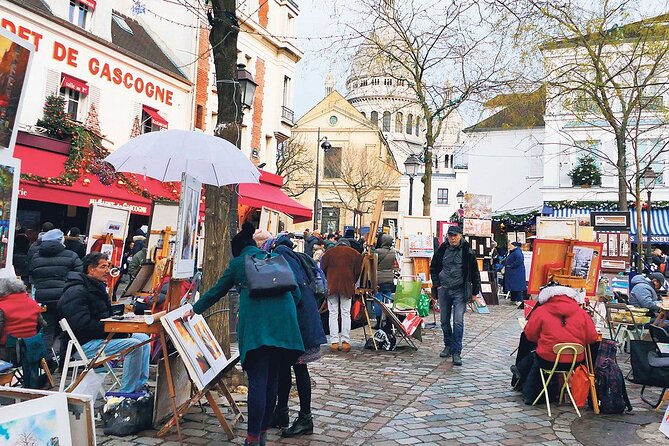
At Place du Tertre, you’ll spend about 10 minutes in the center of Montmartre, surrounded by painters and paintings. This is where the neighborhood’s visual identity gets “performed” in real time.
The guide’s job here is more than pointing out the square. You’ll get context for why it became a focal point for artists and what the vibe means for the rest of Montmartre.
One drawback: this area can feel touristy because it’s famous. The upside is that with a guide, you’re better positioned to choose where to look and where not to waste time.
Final stop: Sacré-Cœur Basilica and the view from the hill
Everything ends at Basilique du Sacré-Cœur de Montmartre, the main attraction on the hill, with views that spread across Paris. The tour includes time to take in the sight from the top.
Sacré-Cœur is the kind of place where your payoff is obvious. Even if you’ve seen photos, the scale and the height feel different when you’re actually there. The walk makes the view feel earned, because you’ve spent the whole tour moving through the stories that built Montmartre’s reputation.
If you’re a skyline person: this is your moment. In clear weather, you’ll get the broadest sense of Paris laying out below.
Guides and group pace: why the experience feels human
This tour runs with a local guide and supports up to 25 travelers, which is a sweet spot for a walking experience. Reviews highlight guides like Niko for patience and knowledge, Salome for enthusiastic, strong Montmartre storytelling, Denise for accommodating explanations on a cool rainy day, and Pierre for a professional, down-to-earth style.
What that usually means for you: you won’t just get a script. You’re more likely to get street-level answers and helpful suggestions for what to do next.
That said, one element you should respect: weather. The tour requires good weather, and one bad weather experience included an incident where a guide didn’t show and refund handling was an issue. On other rainy days, guides handled timing changes and finished the tour as promised. Your best move is to dress smartly and keep expectations flexible.
What’s included in your $30.04 and what it means for value
At $30.04 per person for about 1 hour 30 minutes, you’re paying for a guide-led route that stitches together multiple landmarks into a coherent walk. Most stops are free (Van Gogh’s address, Le Mur des Je t’aime, Le Bateau-Lavoir, Le Moulin de la Galette, Dalida square, the pink house, the vineyard, Place du Tertre, and Sacré-Cœur viewing time).
The one thing not included is the Moulin Rouge show, which is exactly what it sounds like: you don’t get tickets to a performance. You still learn about the cabaret history, but you’re not buying the entertainment.
For value, that’s a big deal: you’re not paying a ticket at every stop. If you’re budget-minded and want a guided highlight walk with minimal add-ons, this pricing structure makes sense.
Who this Montmartre tour suits best
This tour is a good fit if:
- You want major Montmartre sights plus a few extra cultural stops without spending hours planning
- You like story-driven walking and small context stops (Dalida, vineyard, artist-square explanations)
- You’re traveling with limited time and want practical recommendations for the rest of your Paris day
- You prefer a group that stays small enough for your guide to keep things moving and clear
If you’re the type who only wants long museum time, you might feel the stops are brief. But if your goal is orientation and atmosphere, the tight route is the point.
Should you book this Montmartre Sacré-Cœur tour?
Yes, I’d book it if you want a smart “first Montmartre” experience. The combination of a guided route, multiple free highlights, and an ending at Sacré-Cœur makes it a solid way to get your bearings fast on the hill.
Book with caution if you’re traveling in nasty weather and hate walking uphill in the cold or rain. If the forecast looks ugly, bring rain gear and a warm layer, and accept the tour can be weather-dependent.
If you can time your visit for better conditions, this is an efficient, story-rich walk through Montmartre—where you’ll understand what you’re seeing, not just where to stand for a photo.
FAQ
What’s the duration of the Montmartre Sacré-Cœur tour?
It’s listed at about 1 hour 30 minutes.
Is the tour offered in English?
Yes, it’s offered in English.
Where does the tour start and end?
It starts at 59 Bd de Clichy, 75009 Paris and ends at 35 Rue du Chevalier de la Barre, 75018 Paris in front of the Basilica (Sacré-Cœur).
What’s included if I book the tour?
The guide service is included.
Is the Moulin Rouge show included?
No. The Moulin Rouge show is not included, and admission ticket information is noted as not included.
What happens if weather is poor?
This experience requires good weather. If it’s canceled due to poor weather, you’ll be offered a different date or a full refund.