REVIEW · PARIS
Louvre Highlights & Mona Lisa Guided Tour
Book on Viator →Operated by Uncle Sam Tours · Bookable on Viator
The Louvre is huge. So this tour helps you hit the right rooms fast. You get a guided route built around top masterpieces, plus prebooked timed tickets so the day doesn’t start with an endurance test at the entrance.
What I especially like is the guide style: the best tours feel like a lesson, not a lecture. People rave about guides such as Mo, Roman/Romane, Saeed, and Sabine for bringing stories into the art—so you’re not just looking at famous names.
One real consideration: this is a highlights visit. Even with a smart route, you won’t see everything in two-ish hours, and if your group is larger you may be split because of Louvre rules.
In This Review
- Key Points to Know Before You Go
- Cour Napoléon Meet-Up: Find the Start Point, Then Breathe
- Timed Entry at the Louvre Pyramid: Why This Tour Starts Smarter
- The Two-Hour Highlights Plan: Mona Lisa, Venus de Milo, and the Rest
- How an Art-History Guide Changes What You See
- Pacing, Group Size, and Staying Together
- What Happens After the Tour Ends (So You Don’t Miss the Bigger Day)
- Price and Value: Is $60.46 Worth It?
- Who This Tour Suits Best (And Who Might Want Something Else)
- Should You Book Louvre Highlights & Mona Lisa?
Key Points to Know Before You Go
- Timed tickets help you avoid the worst line chaos at the entrance
- Art historian-style guiding turns the Mona Lisa and Venus de Milo into stories you’ll remember
- A focused route is perfect when you want the big masterpieces without getting lost
- Small-group feel with a maximum of 20 travelers (and Louvre limits can split bigger parties)
- English-speaking guides with pacing that many guests say feels smooth and not stressful
Cour Napoléon Meet-Up: Find the Start Point, Then Breathe
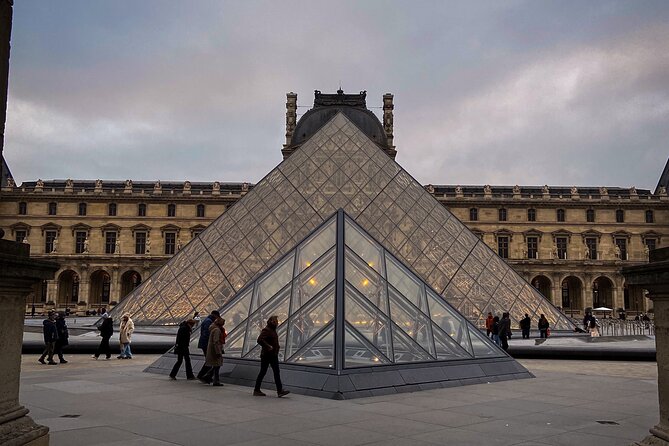
Your tour begins in Cour Napoléon, at Louis XIV sous les traits de Marcus Curtius (copie), by the Louvre Pyramid area (75001 Paris). That spot is specific, which is good news. It means you’re not wandering around guessing where the group is.
Practical tip: build in extra minutes on purpose. The Louvre’s entrances can be confusing the first time you’re there, and weather can be unpredictable in Paris. One guest report mentioned a short wait under rain when the check-in/ticket handoff wasn’t instant, so if it’s wet, keep your rain gear handy and stay close to the meeting area.
The tour ends back at the same meeting point. That matters because you avoid the stress of figuring out where the guide drops you off in a museum maze.
You can also read our reviews of more guided tours in Paris



Timed Entry at the Louvre Pyramid: Why This Tour Starts Smarter
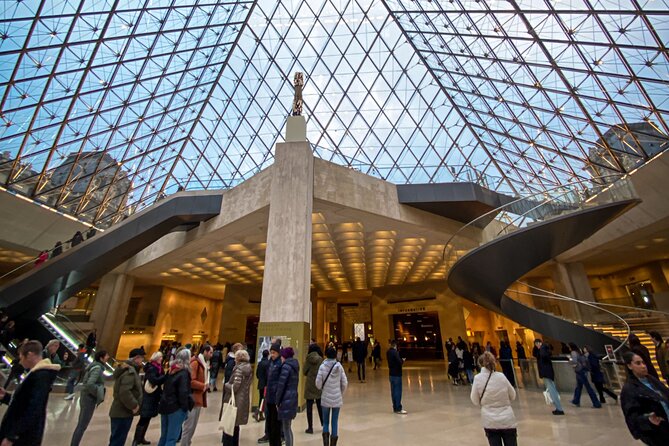
This experience includes admission to the Louvre Museum and uses prebooked timed tickets. For most people, that’s the main value: it cuts down on the time you’d otherwise spend stuck in line-waiting while your day gets thinner.
In plain terms, you’re buying back time and attention. The Louvre rewards patience, but on a short trip you don’t want your schedule to get eaten by queue management. Timed entry helps you keep momentum—especially if you’re planning other Paris stops that day.
Also, the format is built for people who want to see the headline works without turning the day into a map-reading contest. Even the best self-guided visit can turn frustrating fast once you realize how many wings and levels you’d need to truly cover everything.
The Two-Hour Highlights Plan: Mona Lisa, Venus de Milo, and the Rest
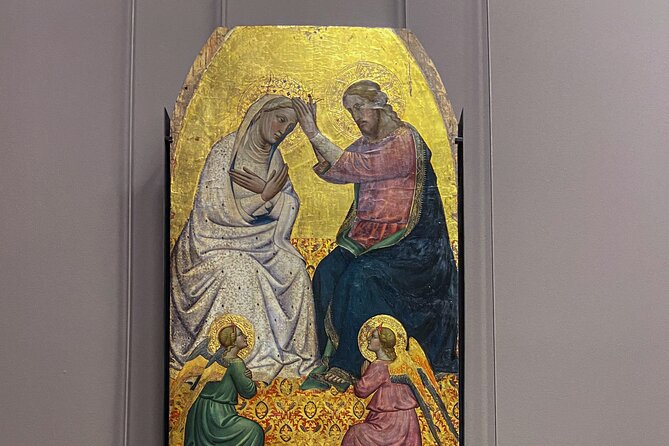
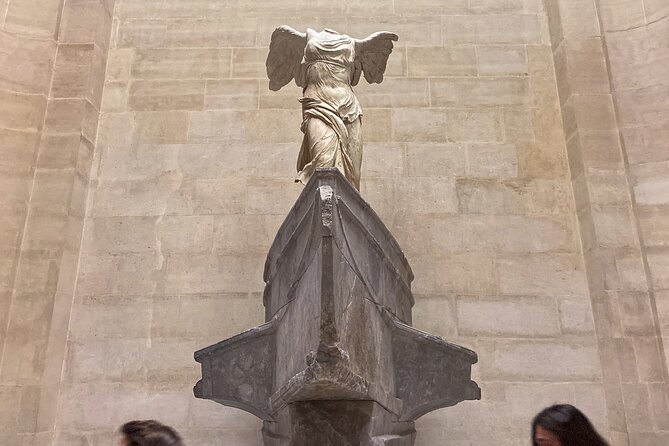
The day’s core activity is the guided Louvre Highlights walk. In about two hours (approx.), the route is designed to take you to major works—explicitly including the Mona Lisa and the Venus de Milo—plus other celebrated pieces along the way.
Here’s what that means for you:
- You’ll get the famous works without spending your entire visit hovering around the loud, crowded “must-see” cluster.
- You’ll also hear why the works matter—stories and cultural context that help the art make sense fast.
- You’ll see enough to feel you truly experienced the Louvre, even if you don’t cover every department.
Reality check (in a helpful way): two hours is still two hours. This is not a comprehensive Louvre survey. It’s a best-of set designed for people who want the greatest hits plus stories, then keep moving.
If you love art but also like structure, this is a great fit. If you hate crowds or want a slow, room-by-room experience, you might feel rushed—so plan your expectations.
How an Art-History Guide Changes What You See
The biggest praise in the reviews is consistent: guides are described as engaging, energetic, and strong on art history. Names like Nea, Mo, Romane/Roman, Saeed, Florian, Monty, and Sabine show up in guest feedback, and the theme is the same—people feel they learned something instead of just walking.
What you should look for during the tour:
- Clear explanations that connect the artwork to its time
- Practical navigation through a huge building so you’re not wandering
- Time to stop and actually look, not just sprint to the next “photo spot”
One guest highlighted that their guide focused on a number of highlights with in-depth information, yet still made time to pause and admire the Mona Lisa and Venus de Milo. That balance is exactly what you want from this kind of tour: insight plus breathing room.
A small audio caution: one review complained that the guide’s voice was hard to hear and that no microphone/earpiece was offered. That’s not necessarily the norm, but if you know you struggle to hear, don’t be shy about asking early if the group can hear clearly.
Pacing, Group Size, and Staying Together
This is a maximum of 20 travelers. That usually keeps the group manageable, especially compared with huge bus-tour crowds.
But there’s another factor: Louvre guiding rules. One guest’s experience showed what can happen when parties don’t fit the allowed group size per guide. Their family was split into two groups because Louvre regulations limit small groups (not more than 6 guests per guide), and the two groups couldn’t stay together inside.
So here’s my advice:
- If you’re traveling as a family or with friends, keep each other’s contact info handy just in case your group gets split.
- If you want zero chance of separation, message the operator before booking and ask how your specific party will be handled.
On pacing, most feedback leans positive—people describe the tour as smooth, engaging, and well organized. One review also praised a guide for offering a good balance of shared information and autonomy, with enough space to look on your own.






What Happens After the Tour Ends (So You Don’t Miss the Bigger Day)
Because the experience ends back at the meeting point, you’re free to continue your Louvre visit independently. And that matters, because the Louvre is so big that most people will do better with a two-step plan:
- Let a guide show you the best route and teach you the stories.
- Use your remaining time to explore the spaces that hook you most.
One useful tip from the feedback: don’t only chase the Mona Lisa. The Louvre has plenty of masterpieces beyond the headlines. After the guided portion, you’ll have the context to notice what you want to return to.
If you arrive with bags or bulky items, one review mentioned using the Louvre lockers before the tour started. You’ll likely want to plan around that possibility so you don’t feel rushed right at the start.
Price and Value: Is $60.46 Worth It?
At $60.46 per person, this sounds like a “tour add-on,” but the pricing stacks up better than it looks.
Here’s the value math that matters:
- The tour includes the Louvre museum admission ticket (not an optional extra).
- The included ticket cost is stated as 28€ entrance ticket for adults.
- You’re also paying for an English-speaking expert guide and a route designed to move efficiently through a massive museum.
So you’re not just buying access. You’re buying guided time. In a place where self-guided wandering can waste hours, that’s a big deal.
Who this value works best for:
- First-time Louvre visitors
- People with limited time in Paris
- Anyone who wants Mona Lisa and Venus de Milo done well, with context
- Travelers who don’t want to gamble on route planning alone
Who This Tour Suits Best (And Who Might Want Something Else)
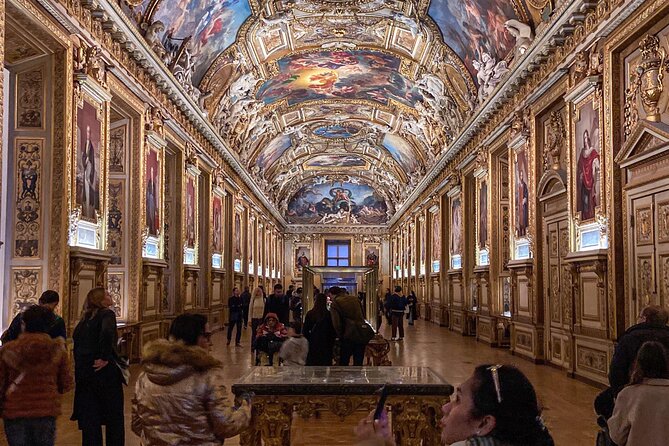
This is a strong choice if you want a highlights visit with timed entry and a guide who tells the stories behind the art.
It’s especially fitting for:
- Families who want a guided orientation without feeling overwhelmed
- Travelers who care about meaning, not just photos
- Anyone trying to fit the Louvre into a packed itinerary with other Paris sights
It may be less ideal if:
- You want to see broad areas beyond the highlights within only two hours
- You dislike group pacing and prefer slow, solo looking
- You’re very sensitive to audio (since one complaint noted hearing issues)
If you want, you can pair this kind of Louvre experience with another major sight later in the day. The idea is to balance “art stories” with “city views,” so you feel like you covered both culture and Paris itself.
Should You Book Louvre Highlights & Mona Lisa?
I think you should book this tour if you want a smart, time-saving Louvre visit that reliably gets you to the big masterpieces and gives you context while you’re there.
Book it if:
- You’re short on time and want the Louvre done in a focused way
- You want timed entry and less entrance-line stress
- You’d enjoy art-history storytelling from guides like Mo, Saeed, Sabine, or Florian
Skip it (or consider a different format) if:
- You want a slower, full-coverage museum experience
- You’re okay doing more planning on your own
- Two hours feels too tight for how you like to travel
If your goal is to leave the Louvre feeling like you truly saw the classics and understood a bit more than the average photo stop, this is a solid bet.