REVIEW · PARIS
German private Walking Tour through Montmartre & Passages
Book on GetYourGuide →Operated by HelpTourists · Bookable on GetYourGuide
Paris reads differently in German. This private 4-hour walk strings together Montmartre’s artist quarter, the Grands Boulevards, hidden 19th-century passages, and a proper stop at Opéra Garnier—explained live in German.
I especially like the mix of famous landmarks and smaller, tucked-away corners. You start at the Moulin Rouge area and work your way through the Sacré-Cœur zone, Place du Tertre, and quieter bits of Montmartre, then you shift gears to the grand streets and covered passages you’d miss on your own.
One thing to plan for: it’s a walking tour, and if you need a longer break (especially for kids), the pacing can stretch. Make your needs clear up front so you don’t lose your sightseeing time.
In This Review
- Key things you’ll notice on this tour
- Starting at Moulin Rouge: meeting point and first impressions
- Montmartre in German: Sacré-Cœur and Place du Tertre
- Beyond the crowds: quieter Montmartre corners and photo stops
- From Montmartre to the Grands Boulevards: older streets and city angles
- Passage Jouffroy and Passage Verdeau: the 19th-century Paris you can’t plan alone
- Opéra Garnier and the Phantom of the Opera angle
- Price and value: is $183 per person worth it?
- Who this tour fits best (and who should reconsider)
- How to get the most from 4 hours
- Should you book this German private Montmartre and passages walk?
- FAQ
- What language is the tour in?
- How long is the private tour?
- Where does the tour start?
- Where does the tour finish?
- Is this a private tour?
- Can children join?
- What’s the cancellation and payment flexibility?
Key things you’ll notice on this tour
- German-speaking guide who keeps the story moving from sight to sight
- Montmartre artists’ footsteps, with stops at Sacré-Cœur and Place du Tertre
- Hidden 19th-century passages including Passage Jouffroy and Passage Verdeau
- Grands Boulevards viewpoints, plus a route along the older boulevards
- Opéra Garnier with Phantom of the Opera context instead of just a photo stop
Starting at Moulin Rouge: meeting point and first impressions
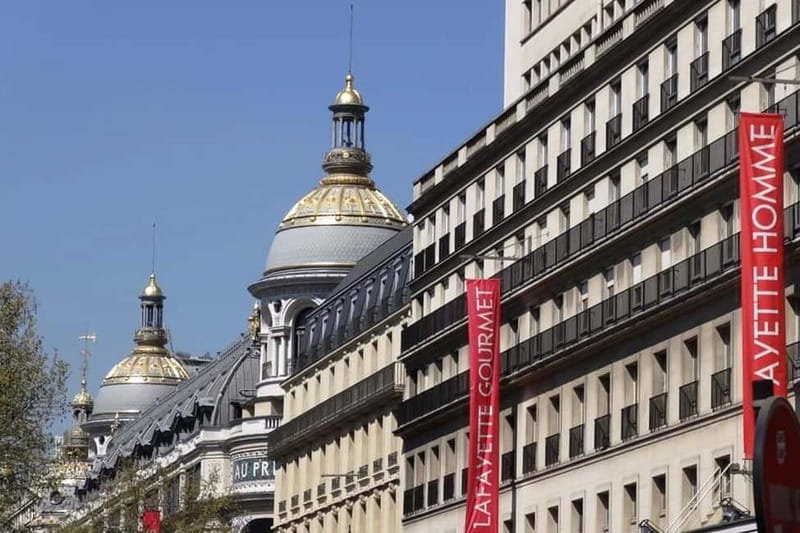
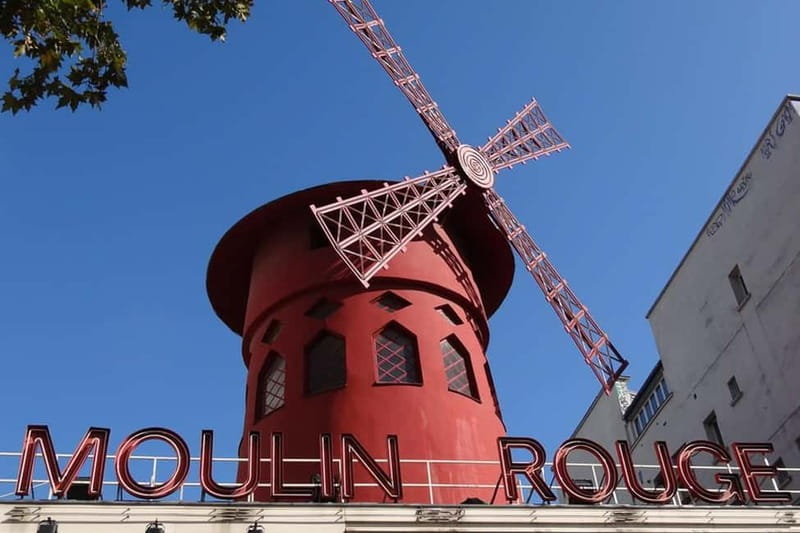
You begin near the Moulin Rouge, at 1 Pl. Blanche, right by the Metro station Blanche (line 2). Your guide meets you on the small traffic island in front of Moulin Rouge, and you should look for a guide carrying a HelpTourists bag.
That first moment matters more than you’d think. When your meeting point is that specific, you spend less time wandering and more time getting oriented. And because the tour is private, you can settle in quickly—no waiting for a big group to trickle in.
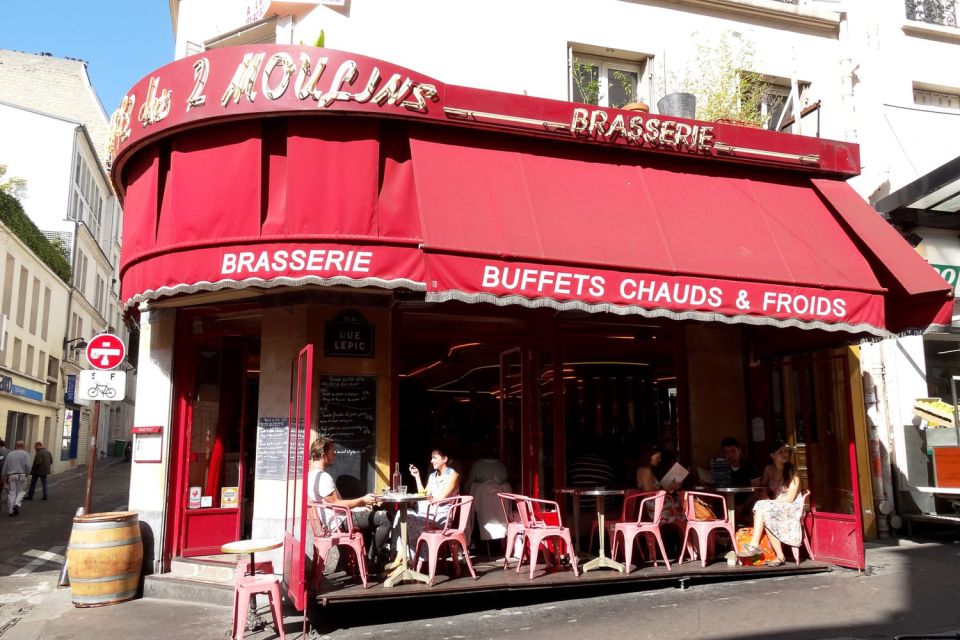
The vibe on the ground is very “Paris in transition.” Moulin Rouge is flashy and unmistakable, but the point of the morning (or afternoon) is what comes next: you’ll turn away from the obvious postcard views and start learning how this area ties into artists, theater, and 19th-century street life.
You can also read our reviews of more walking tours in Paris



Montmartre in German: Sacré-Cœur and Place du Tertre
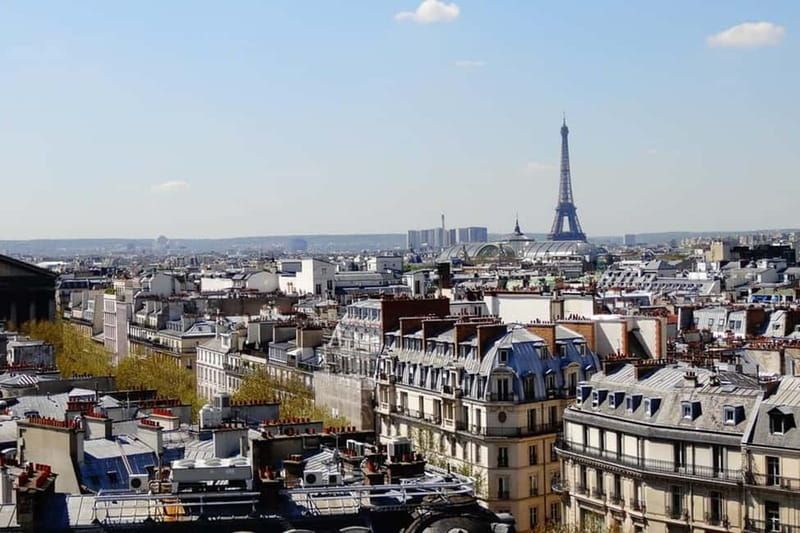
Montmartre is the main character here, and the tour uses it well. You’ll head toward Sacré-Cœur Basilica, then continue to Place du Tertre, the artists’ square that people associate with sketches, painters, and that end-of-the-19th-century creative energy.
What I like about this part of the walk is that it’s not just “look at that famous building.” The guide adds history tied to the artists who lived and worked in Montmartre around the end of the 1800s and the start of the 1900s. That timeframe helps you connect dots between what you see today and why this neighborhood became an artistic magnet.
Place du Tertre is where you’ll get the most direct insider context. It’s one of those spots that can feel touristy if you don’t know what to pay attention to, but with a German-speaking guide, you can read it like a map: who it attracted, what their presence did for the neighborhood, and how the square became a symbol.
A practical note: this section is mostly sightseeing and walking. If your group needs frequent pauses, say so early. You’ll still enjoy it, but you’ll want the guide to pace the story around your needs.
Beyond the crowds: quieter Montmartre corners and photo stops
After the headline sights, the tour shifts to the calmer side of Montmartre. You’ll see the famous surfaces—then you’ll also get detours that keep you away from the densest crowds for at least part of the time.
This is where a private guide earns their pay. A self-guided walk can lead you from one landmark to another, but it usually won’t help you understand why certain street angles feel different, or why particular blocks became popular. Here, you’re walking with a story in hand, so those off-the-main-path moments start making sense.
You’ll also get viewpoint time. The tour includes time to enjoy views while moving through the Montmartre area, which is exactly what you want from a 4-hour format: a balance of walking, stops, and moments where you actually look out over the city rather than only looking at buildings.
And since the tour is in German, you’ll be able to ask questions in that language. That can turn “I get the gist” into real understanding—especially if you’re the kind of traveler who likes context, not just captions.
From Montmartre to the Grands Boulevards: older streets and city angles
Next comes the shift from hilltop energy to the big Paris streets. You’ll continue toward the Grands Boulevards, with stops that include views along these iconic avenues.
The tour is explicit about the “oldest boulevards” angle. That’s useful because Paris’ boulevards aren’t only about width and grand facades—they reflect how the city organized movement over time. When your guide frames what you’re looking at this way, the street feels less random.
Grands Boulevards also gives you visual variety. Even without going inside anything, the boulevard stretch is great for absorbing Paris at street level: long sightlines, storefront rhythms, and the feeling of a city designed for walking and watching.
There’s also a couple of additional sightseeing moments built into the middle of the route (you’ll have extra pauses between Montmartre and the passage arcades). You won’t be running nonstop—you’ll have short windows to stop, regroup, and keep the story coherent.
Passage Jouffroy and Passage Verdeau: the 19th-century Paris you can’t plan alone
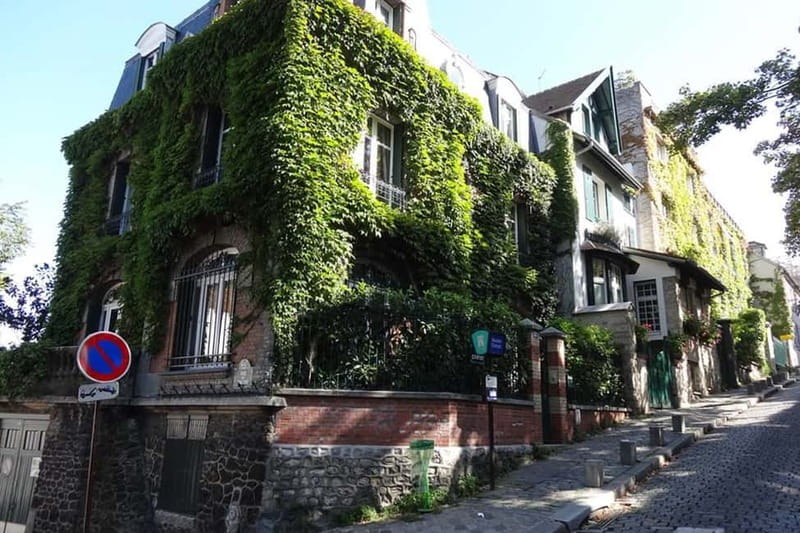
One of the best parts of this tour is the stop at the covered Passage Jouffroy and Passage Verdeau. These are the kinds of places you can easily walk past if you’re not looking for them, even though they’re an important slice of 19th-century Paris street life.
The tour doesn’t treat the passages like decorative trivia. It positions them as hidden parts of the city’s older commercial and social world. And because you visit them after you’ve already seen Montmartre’s artistic story and before Opéra Garnier, they act like a bridge: art, spectacle, and everyday city commerce all in one walking thread.
Here’s the practical value: passages are easy to miss, and they’re also easy to photograph badly if you don’t time it with your eyes open. Having a guide with a route plan reduces the guesswork. You know where to stand, when to move, and what to notice—without turning it into a scavenger hunt.
This is also a nice speed break. Passages tend to feel calmer than wide streets. If your group needs a moment to breathe mid-tour, these stops can do that job.
You can also read our reviews of more private tours in Paris






Opéra Garnier and the Phantom of the Opera angle
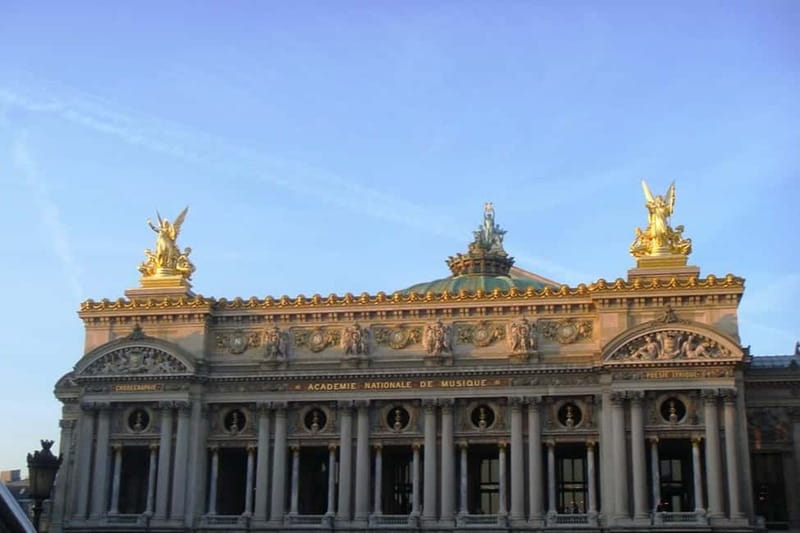
The tour finishes with Opéra Garnier. Along the way, you pass Palais Garnier and hear more about the history of the Phantom of the Opera—not just the building as a landmark, but the story connection.
This is a smart way to end, because Opéra Garnier can overwhelm you if you only think of it as a famous facade. When you get the Phantom reference as context, you start noticing details with better questions in mind: why this place became such a powerful stage for legend, and how theater culture shaped the city’s imagination.
Ending here also gives you options afterward. You can stay in the area for a meal or continue walking on your own, but you’ve already built the framework: you understand that Paris isn’t only monuments—it’s also performance, storytelling, and myth.
One caution, based on the tour details: the meeting-point info also notes returning to the meeting point. The schedule you’re given mentions ending at Opéra Garnier. When you book, confirm the exact finish in your confirmation message or with your guide before you start.
Price and value: is $183 per person worth it?
At $183 per person for a private 4-hour walking tour in German, the value is strongest if two things are true for you: you want a deeper explanation than an audio guide, and you’ll actually use a private format.
Here’s why that cost can make sense. You’re paying for three layers at once:
- a live German-speaking guide
- a route that mixes big sights with quieter, less obvious stops (like the passages)
- a private group experience, which usually means more flexibility for questions and pacing
If you’re traveling with someone who also prefers German, the tour becomes more efficient. You’re not translating ideas on the fly. You can ask follow-ups and keep the story straight.
It’s less of a slam-dunk if you’re on a tight schedule or only want quick photos. This is a thinking tour. You’ll want shoes you can walk in, and you’ll want your group ready to listen.
Who this tour fits best (and who should reconsider)
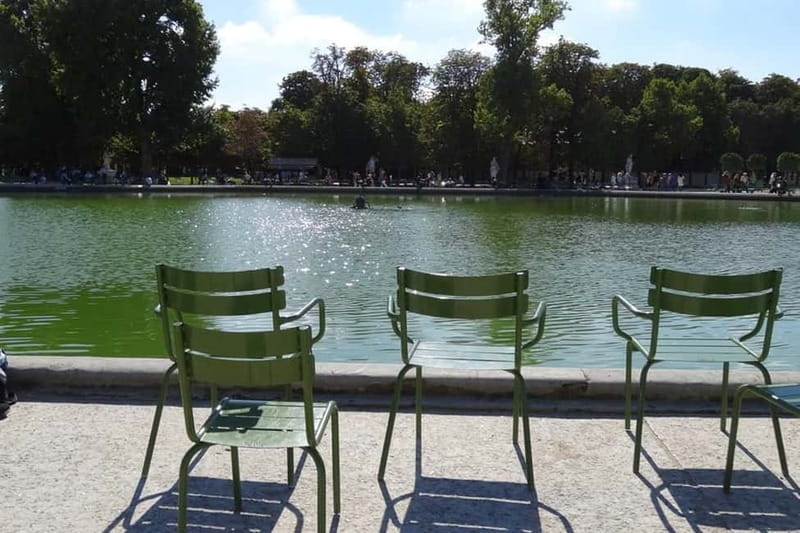
This is a great fit for:
- German-speaking visitors who want the Montmartre-to-Opéra thread explained clearly
- couples or small groups who enjoy story-based sightseeing (artists, theater, and 19th-century city life)
- anyone who wants a route that includes hidden passages, not just major landmarks
It may be less ideal if:
- you need frequent, long breaks (one example mentioned a restaurant stop that ate up about two hours when the plan was shorter)
- you’re traveling with very young kids who can’t handle sustained walking time and waiting during explanations
If you fall into the second group, don’t assume you can’t do it. Just manage expectations. Tell the guide you want quick stops and keep lunch decisions tightly timed so the tour doesn’t quietly shift.
How to get the most from 4 hours
With a 4-hour private walk, your best move is simple: come ready to walk and listen. The route includes multiple sightseeing stops, plus passage time and viewpoint breaks, so it’s not a “sit down every 20 minutes” kind of tour.
A few small tips that make a noticeable difference:
- Wear comfortable shoes. Montmartre’s streets are part of the experience, and you’ll be on them for stretches.
- Bring water for the middle of the walk, especially if you’ll be stopping less often.
- If you need a short snack break, plan it as a quick stop and tell your guide the timing goal.
Also, since the guide speaks German, bring questions in German if you can. Even simple questions can lead to better explanations than you’d get from passively listening.
Should you book this German private Montmartre and passages walk?
Book it if you want Paris explained as a connected story: artists in Montmartre, the scale of the boulevards, and the hidden passage world that sits quietly between major landmarks. The German guide format is the big selling point—when you don’t have to fight with translations, the whole walk clicks faster.
Skip or reconsider if your priority is fast landmark-checking with minimal walking. This tour is built for people who like context and small-city details, not just a quick hit list.
If you’re booking, one extra smart step is to confirm whether your finish is exactly at Opéra Garnier or whether the tour returns to the start area, since the details can be read two ways. Once that’s clear, you’re set for a really satisfying route through some of Paris’ most story-rich neighborhoods.
FAQ
What language is the tour in?
The live tour guide speaks German.
How long is the private tour?
It’s scheduled for 4 hours.
Where does the tour start?
You meet at Metro station Blanche (line 2) on the small traffic island in front of Moulin Rouge, looking for your guide with a HelpTourists bag.
Where does the tour finish?
The itinerary indicates a finish at Opéra Garnier, but the meeting-point notes also say the activity ends back at the meeting point. Confirm the exact finish with your guide in advance.
Is this a private tour?
Yes. It’s a private group for your group only.
Can children join?
Children younger than 12 can join free of charge.
What’s the cancellation and payment flexibility?
You can cancel up to 24 hours in advance for a full refund, and you can reserve now and pay later (book without paying today).