REVIEW · PARIS
Champagne Region Private Day Trip from Paris
Book on Viator →Operated by Best of France Tours · Bookable on Viator
Champagne outside Paris has a magic switch: you go from city lights to chalk cellars fast. This private day trip to Reims and Epernay is built for two different kinds of Champagne—big-name houses and smaller growers—so you can compare styles in real places, not just on paper. I especially like the private door-to-door setup and the way the day mixes cellar tours with guided tastings so it feels like a learning day and a drinking day at the same time.
The one main thing to plan for is cost creep: tasting/entrance fees are not included, so what you spend depends on which houses and which tasting level you choose.
In This Review
- Key Highlights I Think You’ll Care About
- Why This Private Champagne Day Feels Worth It
- The Reims Stop: Where the Big Houses Show Off Their Chalk Cathedrals
- Epernay in the Afternoon: The Town of House Names and Underground Aging
- Big House vs. Smaller Grower: Why the Small Stop Often Wins
- Champagne-Making Process: What the Cellar Tours Actually Teach You
- Lunch Between Tastings: How to Use That Break Smartly
- Dom Pérignon and Hautvillers: Optional Extras If You Want the Story to Go Deeper
- What Makes the Guide Part Matter (Philippe, Frederic, Nathan, and Gigi)
- Stairs, Cold Cellars, and Comfort: Your Packing List for 10 Hours
- Price and Value: What $1,689.51 Per Person Really Covers
- Smooth-Day Reality: Timing, Transportation, and How Appointments Work
- Should You Book This Champagne Day Trip?
- FAQ
- What’s the duration of the Champagne region private day trip?
- What time does the tour start, and where is pickup from?
- Is this a private tour or a shared experience?
- Are Champagne tasting fees included?
- Is lunch included, and what options do I have?
- Which Champagne houses might I visit?
- Can I customize the Champagne houses I visit?
- Is the tour suitable for children?
- What’s the minimum drinking age?
- FAQ
- Can I cancel for a full refund?
- Is the cellars visit done with the driver-guide?
- What should I wear for the cellar visits?
Key Highlights I Think You’ll Care About
- Private pickup and drop-off in Paris keeps the day smooth, especially if you’re short on time.
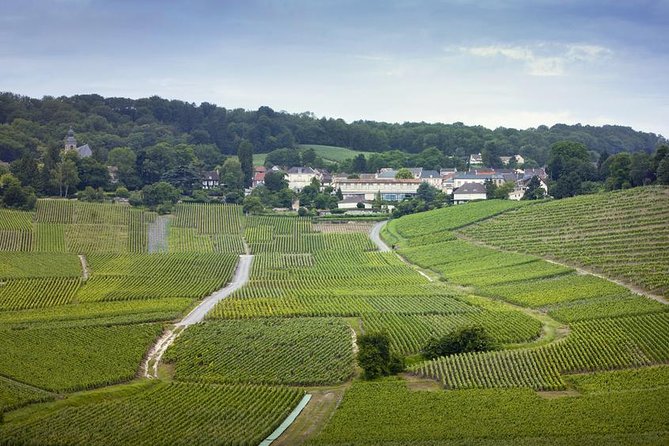
- You’ll visit two Champagne stops across Reims and Epernay, usually pairing a major house with a smaller producer for contrast.
- Cellar time comes with reality: it’s cold and damp (around 50°F/10°C), and the tours can include lots of stairs.
- Your guide handles the big-picture plan and timing, and local staff lead the cellar tours you walk through.
- Lunch is your choice but it’s own expense, so it’s worth deciding your style (casual brasserie vs. nicer sit-down).
Why This Private Champagne Day Feels Worth It
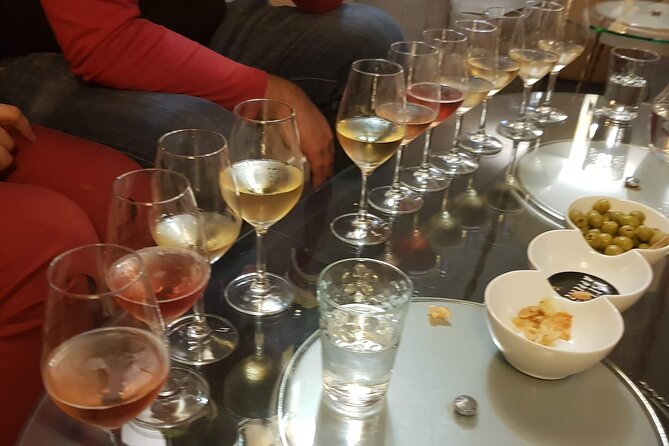
A private Champagne day from Paris works best when you value time. The drive to the region is long enough that public transport can feel like a day of schedules and transfers. Here, you get a comfortable, air-conditioned van and a guide who helps keep the day moving so you reach each appointment without stress.
The best part is how the day is structured. You’re not just “touring vineyards.” You’re learning how Champagne is made through cellar walkthroughs and guided pours, then you compare what big houses do vs. what growers do. That contrast is usually the moment when the region clicks for most people.
Also, you’re traveling with a private driver-guide who provides commentary while you ride. Multiple guides are mentioned in feedback—people named Philippe, Frederic, Nathan, and Gigi—and the recurring theme is that they bring local context so the day feels lived-in, not scripted.
You can also read our reviews of more private tours in Paris


The Reims Stop: Where the Big Houses Show Off Their Chalk Cathedrals
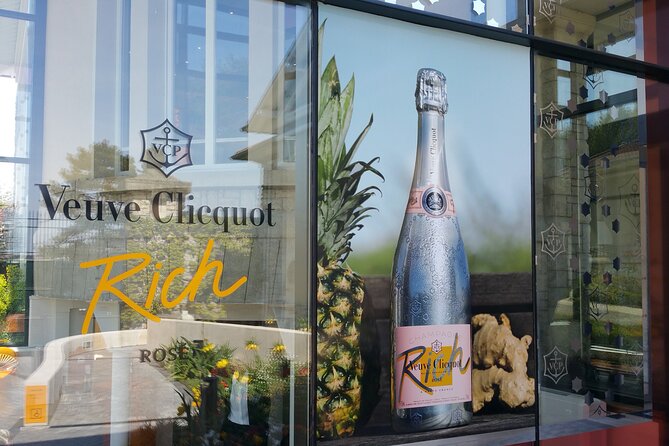
Reims is a strong first move because it’s packed with major houses and impressive underground cellars. Your first stop is typically a large producer such as Veuve Clicquot, Pommery, or Ruinart, depending on availability. In some cases you may also do smaller producers first, but the point stays the same: you’re starting with the houses that put Champagne on the global map.
There are generally two tasting level options—a standard tasting or a high-end tasting—so you can decide how serious you want to go right away. Tasting fees are not included, but the structure is useful: you’re not guessing when you arrive. Your guide can help you choose, and you’ll understand what you’re paying for.
One thing to take seriously: Champagne cellars are cold and damp, so a jacket isn’t optional. The tours can include stairs, and the tour isn’t recommended for kids or anyone who struggles with stair-heavy spaces. If you’re planning your day to maximize comfort, pack warm layers and wear shoes with grip.
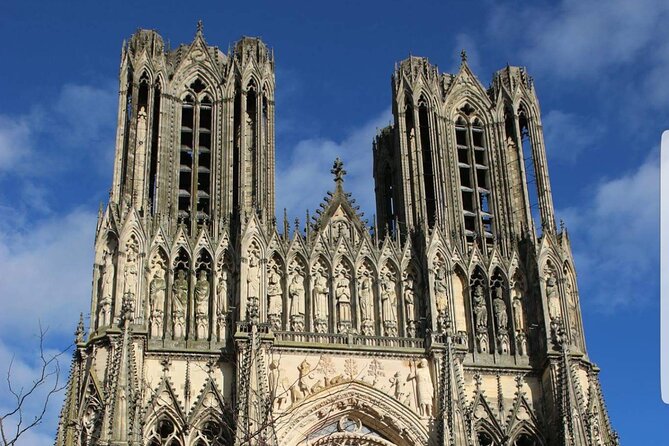
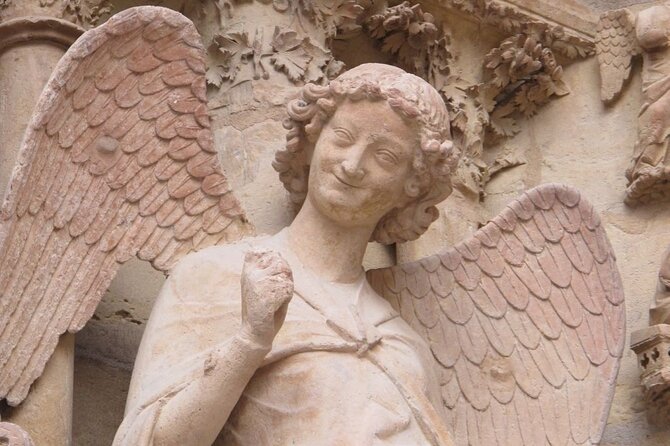
If there’s time, you can also fit in Reims’ cathedral. It matters here because Reims is where many French kings were crowned. Even a quick stop gives you a sense of how historic power and Champagne wealth grew up side by side in the region.
Epernay in the Afternoon: The Town of House Names and Underground Aging
After Reims, the day shifts to Epernay, another Champagne centerpiece. This is where you often visit one of the region’s headline brands like Moët & Chandon, though availability can swap in other big houses. The goal is still comparison: you’re seeing a different kind of cellar experience and tasting profile.
Epernay is also where the “identity” of Champagne becomes obvious. When people picture Champagne, they usually picture the big-house style—tight, consistent house signatures, and very designed guest experiences. Visiting underground in Epernay helps you understand why those styles can be so repeatable: aging, temperature control, and cellar design are not random details.
You’ll usually have about two hours in the Epernay portion of the day. That time block is practical because it gives you enough room for the guided tour and a tasting without feeling rushed.
Just keep in mind that this isn’t a drop-you-off-and-hope day. Your guide is arranging the flow, but you’ll still do the cellar walk with house staff, not the driver-guide. That division is normal and it means you’re getting specialist explanations inside the chalk.
Big House vs. Smaller Grower: Why the Small Stop Often Wins
One of the smartest parts of this day is that it includes visits to both a large producer and a smaller grower. The smaller house is described as “lesser-known,” but that’s exactly why it can feel special. Big houses impress with scale and polish; smaller growers often impress with personality and direct connection to the winemaking choices.
If your schedule allows, the smaller stop is often the highlight in feedback because it feels more personal. People talk about staff walking them through how a particular producer operates and tasting Champagne that feels different in glass, not just in name.
This is also where you can get better answers for questions that matter to you:
- Why does this wine taste more mineral or more fruit-forward?
- How does the blend or dosage show up in the final style?
- What does the house aim for season to season?
And since tasting fees aren’t included, the smaller stop is also where you should think about what kind of tasting level you want. If you’re going to pay extra for a higher-end experience, it can be worth spending it where you’ll feel the difference most.
Champagne-Making Process: What the Cellar Tours Actually Teach You
This tour frames Champagne as craft you can see. Shared cellar tours and tastings are the core format, and you’ll get an explanation of the process through what you observe underground and what you taste afterward.
Even without technical jargon overload, the structure teaches the logic of Champagne:
- The cellar is not just a storage room; it shapes aging conditions.
- The tastings let you connect process and outcome.
- House staff can point out what makes that particular producer’s style recognizable.
The day is also designed to keep you from feeling like you’re only watching glass swirl. You’re asked to pay attention to what you’re tasting while the tour guide sets context on how Champagne is made. It’s the best way to avoid the common problem of “nice tour, I forgot everything by lunch.”
You can also read our reviews of more wine tours in Paris




Lunch Between Tastings: How to Use That Break Smartly
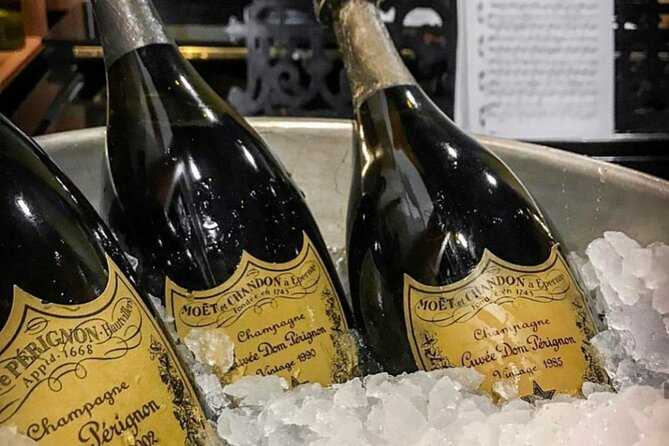
Lunch is not included, but you do get help choosing and reserving. The tour description says lunch can be at a typical French bistro or a finer regional restaurant, depending on your choice. Either way, you’re eating in the Champagne area rather than rushing back toward Paris.
In real-world pacing, lunch is important because tastings don’t happen in a vacuum. If you do a heavier tasting early, you’ll want a meal that won’t wipe out your taste buds. And if you’re trying to stay sharp for a second house, you’ll benefit from a steady, not-too-light meal.
One caution from feedback: dietary needs can be hit-or-miss depending on the restaurant staff. If anyone in your party has a specific request, spell it out clearly before you go. Don’t assume it will be handled automatically.
Also, try not to plan anything intense immediately after lunch. Save your real shopping energy for later—after you know which house you actually want to buy from.
Dom Pérignon and Hautvillers: Optional Extras If You Want the Story to Go Deeper
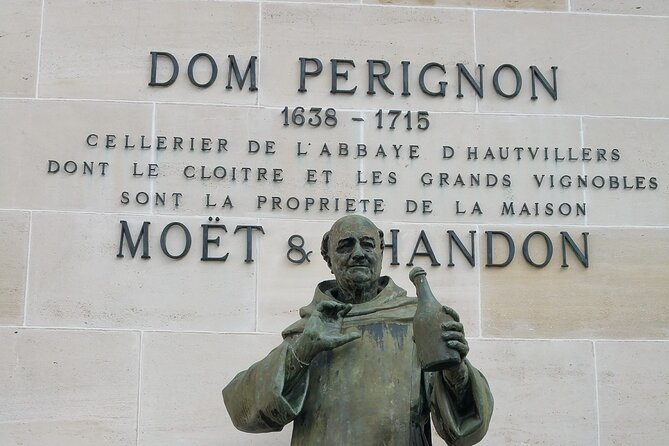
If you want the “legend” layer, the tour can add Dom Pérignon related stops. It’s mentioned that private tours of Dom Perignon can be arranged, and the day may include a stop in Hautvillers, where Dom Perignon is buried, if time permits.
This part is valuable because it connects Champagne’s cultural roots to the production story. It’s not just about modern brands; it’s about how Champagne became a regional identity and how key figures shaped that journey.
If time is tight, don’t treat Hautvillers like a must-do. Treat it like a bonus: if the day rhythm allows, it’s a meaningful add-on. If not, you’ll still get the core Champagne experience.
What Makes the Guide Part Matter (Philippe, Frederic, Nathan, and Gigi)
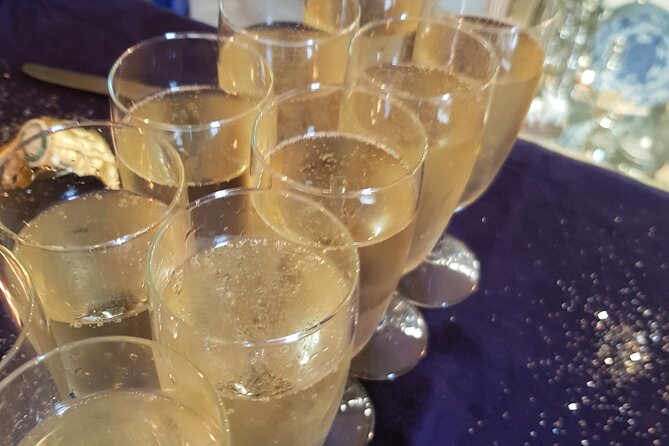
The private guide is where this day trip can feel like a thoughtful outing instead of a checklist. Multiple guide names come up in feedback—Philippe, Frederic, Nathan, and Gigi—and the consistent pattern is that they bring local context and help you stay on schedule without feeling herded.
Some examples of what guides tend to do well:
- Explain what you’re seeing while you’re in transit.
- Suggest which houses make sense for your taste.
- Help manage lunch timing so you don’t fall behind for the next tasting.
- Add small historical stops when the schedule allows.
If you care about history but still want a fun day, this format fits. You’re not forced into a museum voice. You’re in Champagne-land with people who know how to tell the story in plain language.
Stairs, Cold Cellars, and Comfort: Your Packing List for 10 Hours
Your comfort will make or break the day, mainly because cellars can be uncomfortable even when the Champagne is perfect. The tour notes that cellars are cold and damp, roughly 50°F/10°C, and there are many stairs. This is also why it isn’t recommended for children and why moderate physical fitness matters.
Here’s what I’d pack or wear:
- A warm layer you can keep on in cool rooms (even a light puffer helps).
- Shoes with good traction for stair steps.
- A small crossbody or day bag so you’re hands-free during tours.
- A water plan. Tastings happen, but you’ll enjoy the later stop more if you don’t turn the day into a dry marathon.
Also, since the vehicle is air-conditioned, dress in layers. You’ll move between outdoor daylight, van comfort, and cellar cold.
Price and Value: What $1,689.51 Per Person Really Covers
Let’s talk money in a way that helps you plan. At $1,689.51 per person for a private day (about 10 hours), you’re paying for:
- Private transport with pickup and drop-off in Paris
- A private licensed guide who drives and comments
- A day organized around two Champagne-area visits, with house staff leading the cellar parts
What you are not paying for is the big variable: tasting/entrance fees and food. Since tastings aren’t included, your final spend depends on which houses you choose and whether you upgrade to a high-end tasting option.
So is it “worth it”? It can be, especially if:
- You want a true private schedule rather than group time
- You care about seeing both a major house and a smaller grower
- You’re the kind of person who will actually buy a couple bottles, not just sip and walk away
If you only want one tasting and you’re budget-focused, the add-on costs may sting. If you want the full Champagne day format—cellars, tastings, and history—this private setup is a clean way to do it without turning your day into logistics.
Smooth-Day Reality: Timing, Transportation, and How Appointments Work
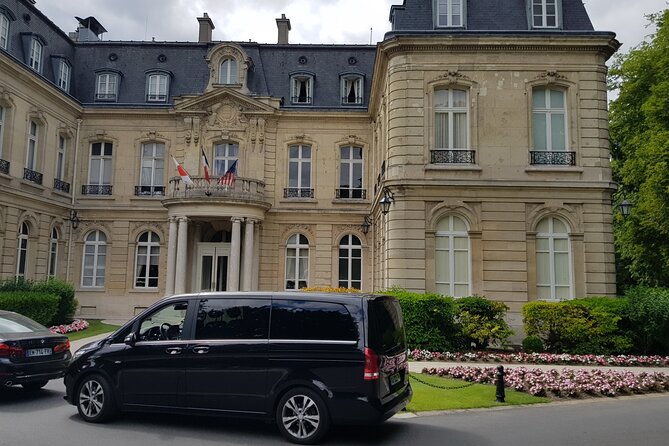
Your day starts around 8:00 am with pickup from your Paris accommodation. You’ll only be picked up within Paris, so build your plans around staying central enough for easy pickup.
Once you’re in the Champagne region, the timing is built around appointment-style visits. You’ll typically have about two hours in each main town stop. That’s enough for the cellar experience and tasting without making you feel like you’re sprinting.
One detail that helps you understand what you’re buying: the tour inside the cellars is given by a local guide, while your driver-guide doesn’t go into the cellars with you. You’ll get house expertise underground, while your guide handles the between-stop story and coordination.
That setup is why the day tends to move smoothly.
Should You Book This Champagne Day Trip?
Book it if you want a private, guided Champagne education with time to compare major houses and smaller growers. It’s also a great pick if you like the idea of history in the background—like Reims’ cathedral and a possible Dom Pérignon link through Hautvillers—without turning the day into a lecture.
Think twice if you’re sensitive to stairs or struggle with walking in uneven cellar environments. Also budget for tastings and lunch up front, because those are the two places where the final total can jump.
If your goal is to turn one day in France into a real Champagne story—two towns, two styles, cellar tours, and a guide who keeps the pace humane—this tour format fits.
FAQ
What’s the duration of the Champagne region private day trip?
It runs about 10 hours.
What time does the tour start, and where is pickup from?
Pickup starts at around 8:00 am. The tour offers pickup from your hotel or apartment in Paris only (including AirBnB-style stays).
Is this a private tour or a shared experience?
This is a private tour/activity. Only your group participates.
Are Champagne tasting fees included?
No. Entrance/tasting fees at each Champagne house are not included. You’ll want to plan for those extra costs.
Is lunch included, and what options do I have?
Lunch is not included. The tour includes a stop for lunch at a French bistro or a nicer restaurant in the region, based on your choice.
Which Champagne houses might I visit?
Depending on availability, you may visit major producers such as Mumm, Pommery, Taittinger, Ruinart, Moët & Chandon, or Veuve Clicquot. The tour also includes a visit to a smaller grower, and a Dom Pérignon private tour may be arranged.
Can I customize the Champagne houses I visit?
Yes. The tour is described as fully customizable, and you can tell the guide which houses you’d like to visit.
Is the tour suitable for children?
The tour is not recommended for children, and it also isn’t suitable for those who have difficulty navigating stairs.
What’s the minimum drinking age?
The minimum drinking age is 18.
FAQ
Can I cancel for a full refund?
You can cancel for a full refund up to 24 hours before the experience’s start time.
Is the cellars visit done with the driver-guide?
No. The tour inside the cellars is led by a local guide. Your driver-guide does not go inside with you.
What should I wear for the cellar visits?
Cellars are described as cold and damp (around 50°F/10°C) and there are many stairs, so dress warmly and wear footwear that works on stairways.