REVIEW · PARIS
Award-Winning Paris French Bakery Experience — Le Marais, 4th Arr
Book on Viator →Operated by A Taste of Paris (Voyages LLC) · Bookable on Viator
Real bread, made with your hands.
In Le Marais, this small-group class takes place inside a working boulangerie with a master French baker, plus breakfast and the chance to bake your own baguette. I love the hands-on baking part where you actually shape and work the dough, and I also love that you see how a real shop runs behind the scenes. One thing to plan for: the experience can involve stairs and busy backroom movement, so wear comfy shoes and arrive a few minutes early.
You’ll meet at the Miss Manon bakery (87 Rue Saint-Antoine, 75004), then start with a traditional French breakfast on arrival. After you’ve sampled bakery treats, you move into the working kitchen to learn baguette, croissant, and pain au chocolat techniques—rolling, kneading, mixing, and baking with expert guidance. The class is in English and capped at a maximum of 9 travelers, so it tends to feel personal even in a production setting.
In This Review
- Key things to know before you go
- Le Marais Start: finding Miss Manon and getting oriented fast
- The pre-bake ritual: breakfast, goûter, and tasting like a local
- Backroom Lessons: baguettes, croissants, and pain au chocolat
- Hands-on work in a production kitchen (and why it feels different)
- Who guides the session: humor, pacing, and real teaching moments
- What you take home: your baguette, plus the baked-bread reward cycle
- Price and value: what $114.88 buys you in real terms
- A few trade-offs to consider before you book
- Tips so you get the most from your session
- Who this class is best for
- Should you book this Le Marais French bakery class?
- FAQ
- Where is the meeting point for this experience?
- How long is the baking experience?
- What do I get to eat before baking?
- Is the class small group?
- Is the tour offered in English?
- Is hotel pickup included?
Key things to know before you go
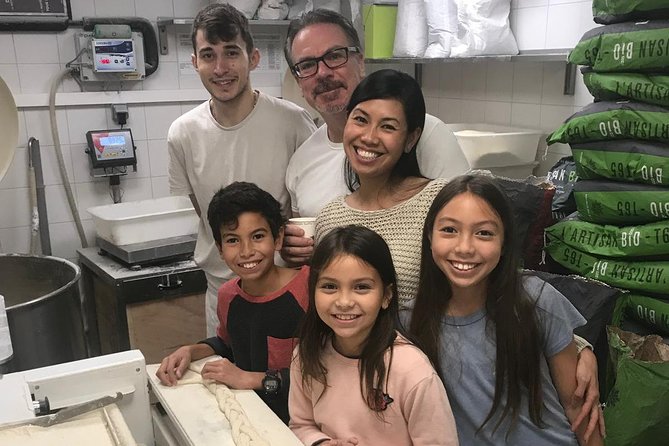
- It’s a real working bakery: you learn in the same space where bread and pastries are produced, not a staged room.
- You’ll bake more than bread: expect guidance through baguettes and classic pastries like croissants and pain au chocolat.
- Breakfast first, then baking: you arrive to a traditional French breakfast or afternoon goûter feel, plus sampling.
- Small group means more coaching: with up to 9 people, guides like Mourad, Alice, Lisa, and Tuc can keep things moving without leaving you behind.
- You leave with your own baguette: baked by you, ready to bring home.
Le Marais Start: finding Miss Manon and getting oriented fast
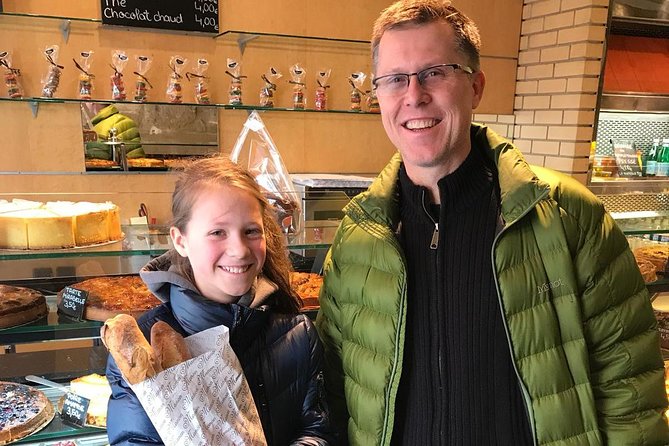
The meeting point is Miss Manon, 87 Rue Saint-Antoine, 75004. This matters more than you’d think. In this area, you’ll be surrounded by bakeries, but your class starts with a check-in, then you’re guided directly into the baking flow.
A practical point: the experience includes both morning and afternoon tours held at different locations. Even though your meeting point is listed as Miss Manon, treat it as a “match your exact session” situation, not a casual drop-in. I’d also plan extra time for getting there, because the shop environment can be narrow and the schedule is tight once the class begins.
Also keep your footwear simple. Some sessions involve walking up and down steep stairs as you move between areas. You don’t need hiking boots, but you do want shoes you can stand in while the work gets hands-on.
You can also read our reviews of more tours and experiences in Paris.



The pre-bake ritual: breakfast, goûter, and tasting like a local
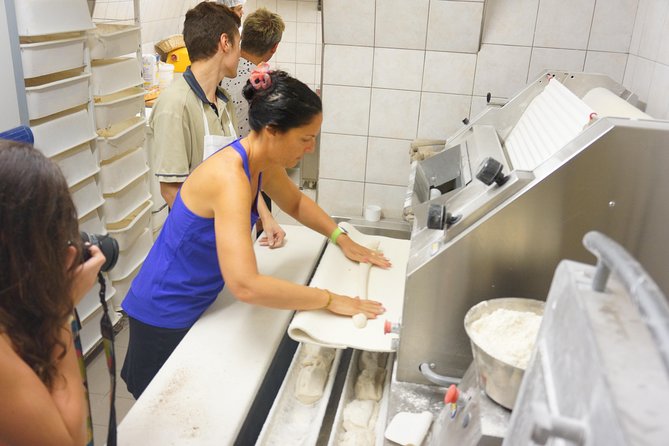
Before you roll up your sleeves, you start with traditional French breakfast on arrival. The idea here is smart: you’re not learning bread in a vacuum. You begin by tasting the types of items your guide will teach you to make.
If you’re going in the afternoon, you’ll get a goûter-style start instead. Either way, the pattern is the same: eat first, sample what the bakery makes, then translate those flavors into dough work.
From the way the class is described, you should expect more than one type of treat early on—coffee and pastries show up often, along with baked goods like financiers. That pre-bake tasting also helps you understand what the finished product should feel like: crisp, buttery, aromatic, and not just “bread-shaped.”
Backroom Lessons: baguettes, croissants, and pain au chocolat
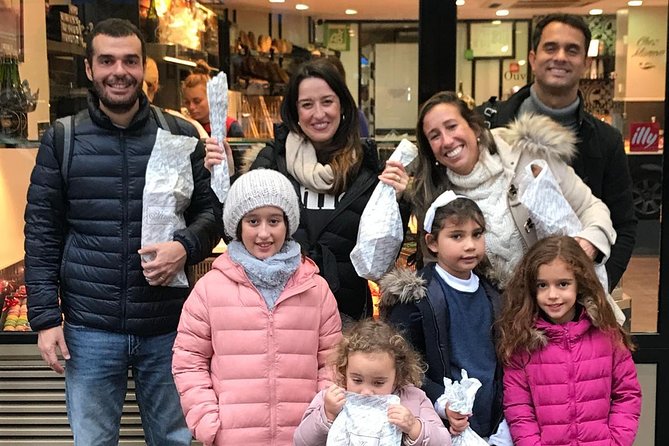
Once your group is settled, you head into the backroom where bakers work. This is one of the biggest reasons the experience gets such strong ratings: you see the real workflow, including the industrial machines and ovens used for batch production.
Here’s what this adds for you as a learner. When you only watch bread being made, you miss the timing. In this class, you get a sense for how bakers manage the whole sequence—mixing, resting/proofing, shaping, and baking—inside an actual production environment.
The menu of what you work with typically centers on:
- Baguettes (including shaping technique and handling dough properly)
- Croissants (often with step-by-step guidance through the process)
- Pain au chocolat (paired with classic pastry technique)
Even when classes focus on specific pastry steps, you’ll generally leave with a much clearer picture of why certain steps matter. One common takeaway from people who love this class: it builds confidence to try again later at home, because you understand more than a recipe.
Hands-on work in a production kitchen (and why it feels different)
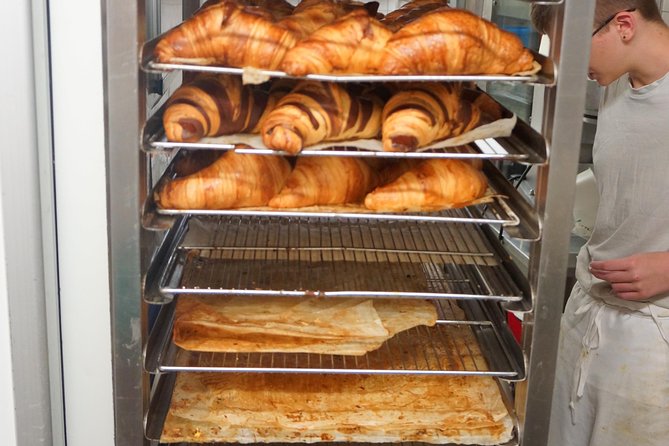
This isn’t a quiet cooking studio. You’re in a place where ovens run, display cases are in use, and bakers are moving. That’s part of the charm—and part of what you should expect.
What “hands-on” means here is not just rolling dough in a corner. You’ll be doing active dough tasks—rolling, kneading, mixing, and baking—while your guide explains what to look for. The best sessions keep it practical: touch tells you something. The dough should feel elastic, workable, and alive, not stiff or fragile.
At the same time, some participants note that certain items may be partially prepared, and the workspace can feel cramped because you’re working in a busy shop. One review mentions a very tight setup where multiple people share a single table in a high-traffic area. If your expectation is a full-on, step-by-step croissant-making day from scratch, calibrate a bit: this is a class inside a working bakery, not a private pastry lab.
The upside is that you still learn the real mechanics: how the bakery handles volume, how ovens are managed, and how handmade skill connects to production equipment.
Who guides the session: humor, pacing, and real teaching moments
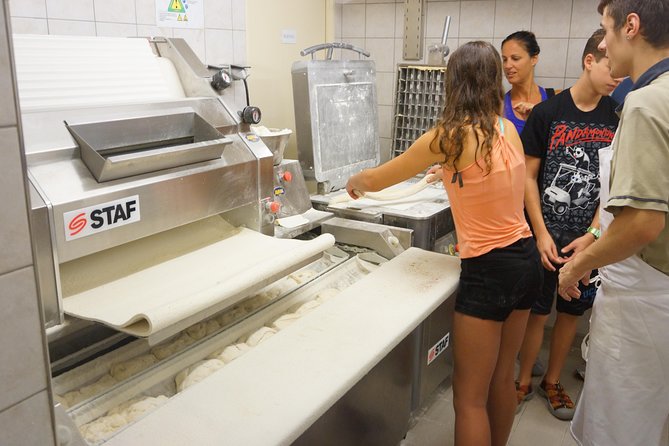
A big reason this experience lands at the high end of ratings is the guiding style. Different instructors bring different energy, but the consistent theme is clarity paired with fun.
If you’re lucky enough to get Mourad, people describe him as the star of the show—upbeat, funny, and passionate about the products. Alice is also repeatedly praised for making the class easy and enjoyable. Lisa gets credit for a well-paced two hours with hands-on baguette, financier, and croissant work. Other named guides include Tuc (funny and informative) and Elyse (patient and engaging).
Even when the class feels fast, good pacing helps. In a production kitchen, you don’t want the group waiting around. A solid guide keeps each step moving so you actually participate, rather than watching.
If you’re bringing kids or teens, this matters even more. Reviews describe guides as patient and able to keep younger participants engaged while still teaching the baking steps properly.






What you take home: your baguette, plus the baked-bread reward cycle
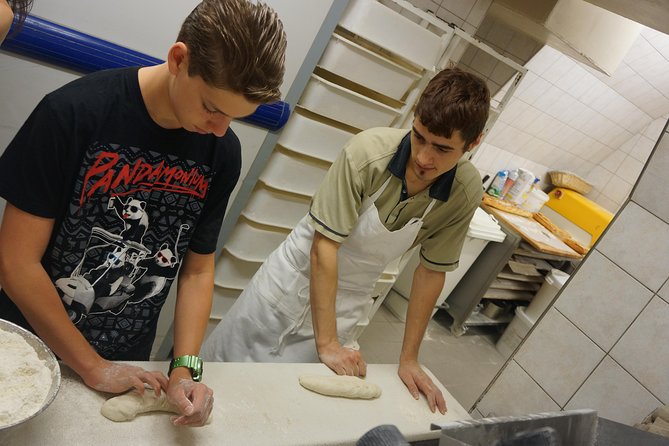
Your booking includes your baguette to take with you. That alone is a nice deal because it gives the class a clear finish line. You’re not just leaving with photos and crumbs.
In practice, many people report leaving with more baked items made during the session—like financiers and additional pastries. While the guaranteed item is the baguette, the broader takeaway is that you’re walking out carrying something you made in the very place it was born.
I love this format because it changes how you think about bread. The taste at home hits different when you shaped the dough yourself and understood what changed as it proofed and baked.
Price and value: what $114.88 buys you in real terms
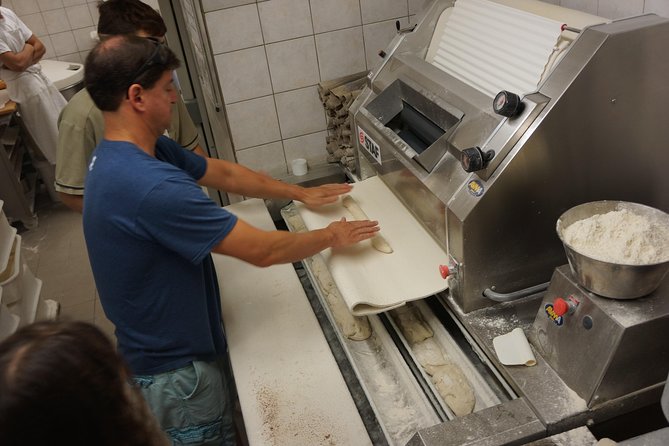
At $114.88 per person for about 2 hours, this is not a budget activity. But the value is in the included elements and the setting.
You’re paying for:
- A real bakery tour
- A small-group hands-on class (max 9 travelers)
- Traditional French breakfast at arrival (or a goûter-style start depending on your time slot)
- Your baguette to take home
Two hours sounds short, but in a working bakery, that time is used. You’re not only learning theory; you’re doing the steps while equipment is running and ovens are active. That combination—food + instruction + real production context—is why people feel this is worth it, even when the space is tight.
If you’re the type who enjoys practical food experiences—learning how something is made, not just eating it—this price will feel more reasonable. If you’re mostly looking for a relaxed sightseeing stroll with casual sampling, you may prefer a different type of tour.
A few trade-offs to consider before you book
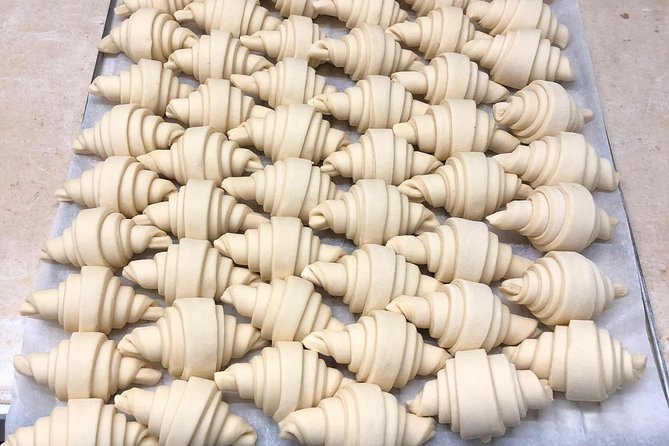
This class is strong, but it’s not perfect for every expectation.
1) Stairs and movement
Some sessions involve steep stairs when moving through the bakery areas. Plan for it with comfortable shoes and a calm pace.
2) Hands-on level can vary
A couple of participants felt they did less shaping than they expected, especially for croissants, where they were mostly guiding the process rather than completing the full build. Another note described pre-prepped components reducing how much dough work you do from start to finish.
3) Cramped space in a working shop
Because it’s an active bakery, the work area can be crowded. That doesn’t mean it’s chaotic—just that you should be ready for a tighter setup than a typical cooking class.
4) Time may feel quick
The class is described as about 2 hours, and some people felt their version ran closer to an hour depending on session flow or special circumstances. If you’re the type who wants every step explained with slow, patient pacing, you might want to ask your guide for extra clarification during the session.
Tips so you get the most from your session
- Arrive early and watch for session-specific location info. Morning and afternoon tours may meet at different locations.
- Wear shoes you can stand in. You may move through steep stairs and busy areas.
- Go hungry for the tasting, but not so hungry you rush. The breakfast is part of the pacing, and you’ll enjoy the baking more if you’re comfortable.
- Ask questions about timing and dough feel. The best learning comes when you connect what your hands do with what your guide explains.
- Don’t be shy about technique tweaks. If your guide adjusts how you shape or handle dough, it’s usually to fix a real issue, like tension or folding.
Who this class is best for
This is ideal if you:
- Want hands-on French baking in a real boulangerie
- Like learning the steps behind baguettes and classic pastries like croissants
- Prefer small groups (so you can actually talk and get help)
- Enjoy guided food experiences with a clear takeaway item
It can also work well as a family activity, since guides are described as patient with kids. Just remember children must be accompanied by an adult, and the work environment involves movement and stairs.
Should you book this Le Marais French bakery class?
I think it’s a strong choice if you want a practical, food-first experience in a working Paris bakery. The best part is the combination: tasting first, then doing the dough work with expert guidance, then leaving with a real baguette you baked yourself.
Book it if you’re excited about learning technique for baguettes and classic pastries, and if you’re comfortable with the realities of a production kitchen—stairs, tight space, and a pace that keeps things running.
Skip it only if your top priority is a slow, fully customized, every-step-from-scratch croissant experience, or if stairs and cramped work areas would make you uncomfortable.
If those points don’t bother you, this is the kind of class that makes Paris bread feel less like magic and more like skill.
FAQ
Where is the meeting point for this experience?
You meet at Miss Manon, 87 Rue Saint-Antoine, 75004 Paris, France.
How long is the baking experience?
The duration is about 2 hours.
What do I get to eat before baking?
You get a traditional French breakfast on arrival (and the experience also notes goûter-style for afternoon sessions).
Is the class small group?
Yes. It has a maximum of 9 travelers.
Is the tour offered in English?
Yes, it is offered in English.
Is hotel pickup included?
No. Hotel pickup and drop-off are not included.