REVIEW · PARIS
Behind the Scenes of a Boulangerie: French Bakery Tour in Paris
Book on Viator →Operated by Meeting the French · Bookable on Viator
Paris bread has its own backstage pass. I love the small-group setup (max 8), because you get into a real Montmartre bakery’s production rooms and see how bread work actually happens day to day. I also love the take-home deal: one freshly baked baguette and one croissant, so the tour doesn’t end when you leave the kitchen.
This is also one hour, and that time is spent watching as much as learning. If you’re hoping to do lots of dough-handling yourself, expect mostly watch time, since the bakery space is compact and the bakers are working their real production rhythm.
In This Review
- Key points before you go
- A Montmartre bakery tour that feels like the real deal
- Where you meet: Le Grenier à Pain Caulaincourt (and why it matters)
- Inside the boulangerie: real production rooms, not a studio set
- The baguette lesson: how the classic method actually happens
- A possible hands-on moment
- Croissants and pastries: what you learn beyond the baguette
- Why this pastry stop is more than a bonus
- Your take-home baguette and croissant: enjoy them like a local
- What to do right after the tour
- Small-group touring tips: how to get the most from limited space
- Who this tour suits (and who should rethink it)
- Price and value: what you’re paying for (and why some feel it’s pricey)
- Quick FAQ before you book
- FAQ
- How long is the Paris French bakery tour?
- Is the tour offered in English?
- How many people are in the group?
- What food is included?
- Where is the meeting point?
- Is it suitable for children or people with food allergies?
- What’s the cancellation policy?
- Should you book this French bakery tour in Paris?
Key points before you go
- Max 8 people means you can hear explanations and get close without feeling lost in a crowd.
- Montmartre location keeps the vibe local and walkable from public transit.
- Baguette technique + machine workflow are both part of what you learn.
- You take home a freshly baked baguette and croissant—not just samples.
- Small moments to help can happen (some guests have been allowed to try simple cutting/release steps on their baguettes).
- Wear practical shoes and clothing—you may get flour on you, and floors can be slippery in working kitchens.
A Montmartre bakery tour that feels like the real deal
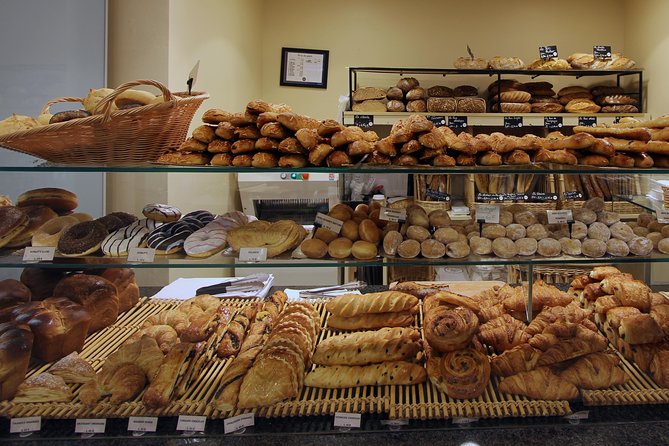
Paris has plenty of pastry shops that look like a dream. This one is different. You’re not browsing behind glass. You’re stepping into a functioning boulangerie unit where bakers make bread and pastries daily, using the equipment and workflow that keeps everything consistent.
The tour’s whole premise is simple: you see how proper French pain (bread), gateaux (cakes), and patisseries (pastries) are produced in a way that still depends on skilled people, not an anonymous factory line. For me, that’s the real value. It turns your Paris food trip from a shopping experience into a craft lesson.
It’s also an easy length to fit into a day. About one hour means you can do it without feeling like you’re losing half a sightseeing block. And it’s offered in English, which matters when you’re trying to actually understand what you’re seeing.
You can also read our reviews of more tours and experiences in Paris.



Where you meet: Le Grenier à Pain Caulaincourt (and why it matters)
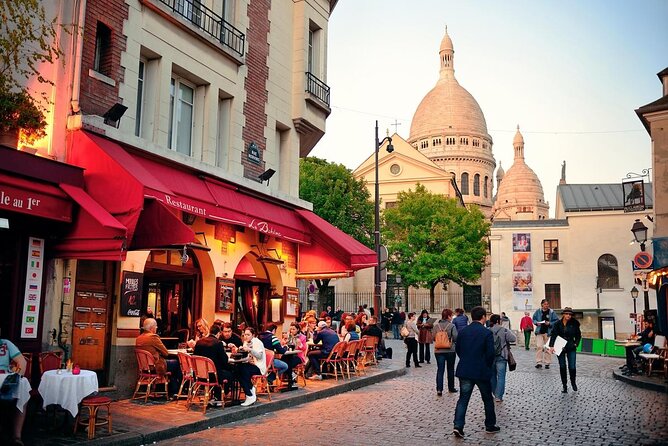
You start at Le Grenier à Pain Caulaincourt, 127 Rue Caulaincourt, 75018 Paris. That’s a practical detail, because Montmartre streets can be confusing if you’re hopping between landmarks. Meeting at a known boulangerie makes the “find us” part calmer.
Since it ends back at the meeting point, you don’t need to plan a second transfer to get back on track. You can pair this with nearby stroll time—just plan on staying nearby after the tour so you can enjoy your baguette and croissant when you’re ready.
Also, the tour is described as being near public transportation. That’s a quiet win in Paris, where timing and walking distances can add up fast.
Inside the boulangerie: real production rooms, not a studio set
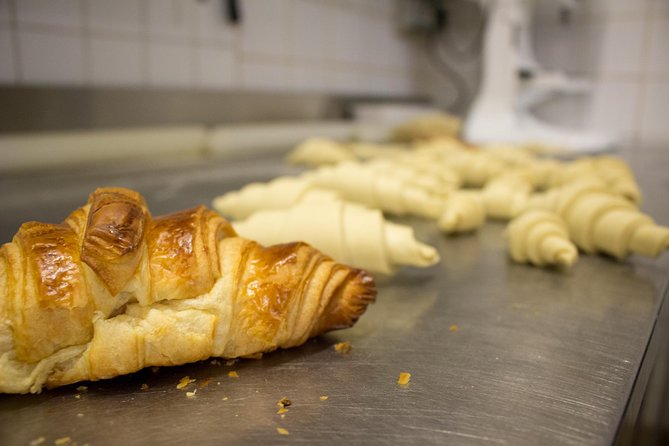
The biggest thing you’re going to notice when you arrive is that this space is made for work, not filming. That has two effects.
First, it’s more authentic. You’ll see the production rooms where dough moves through the steps of shaping, preparing, and baking. You’ll also see how the bakery’s machinery is used, instead of just hearing general statements like bread is made with flour and water.
Second, it’s not built for comfort in the way a museum is. The bakery environment can feel tight. One reason some people score this tour a bit lower is that the group can feel like it’s getting in the way, especially in a compact kitchen setup. Even when the group is small, you’ll still be standing close to active staff.
So, bring the right mindset: you’re there to learn the process and ask questions while the bakers do their job. That works best when you expect a close-up look, not a hands-on cooking class.
The baguette lesson: how the classic method actually happens
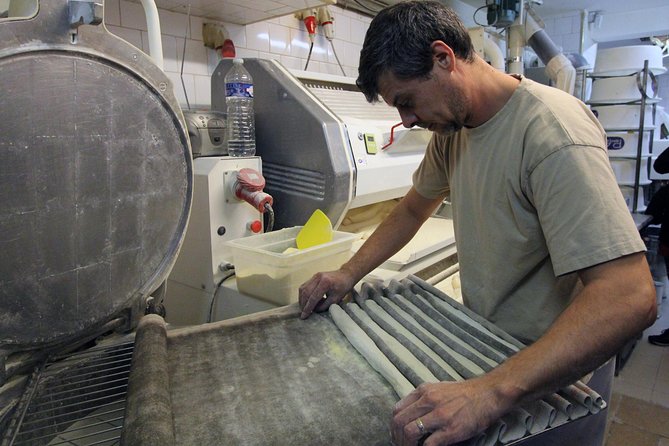
The baguette is the star here, and you’ll spend real time watching how it’s made. The guide explains the steps for proper baguette bread, and you’re shown how the equipment works so you understand what’s mechanical and what’s manual.
A few things that make this baguette focus feel useful (not just scenic):
- You learn that shaping and handling aren’t random. There are rules and traditions behind how baguettes look and bake.
- You get context about the history of French baking, so the baguette isn’t just a crunchy snack—it’s a cultural object with specific methods.
- You see bread-making as a sequence, not a single moment of mixing dough.
One fun detail that came up from a baker’s day-to-day reality: some bakers can produce thousands of baguettes in a morning. That’s a helpful reminder when you’re watching. You’re not seeing a hobby project. You’re seeing a production system guided by skilled hands.
A possible hands-on moment
Most of your time is observation and explanation, but some guests have mentioned being allowed to do simple tasks, like making release cuts on baguettes they were taking home. Even if you don’t get that specific chance, the tour’s structure is designed so you’re not just watching from a distance—you’re close enough to follow what the bakers are doing.
If hands-on baking is your top priority, manage expectations. This is the craft behind the bread, not a full workshop where you leave with your own DIY dough creation.






Croissants and pastries: what you learn beyond the baguette
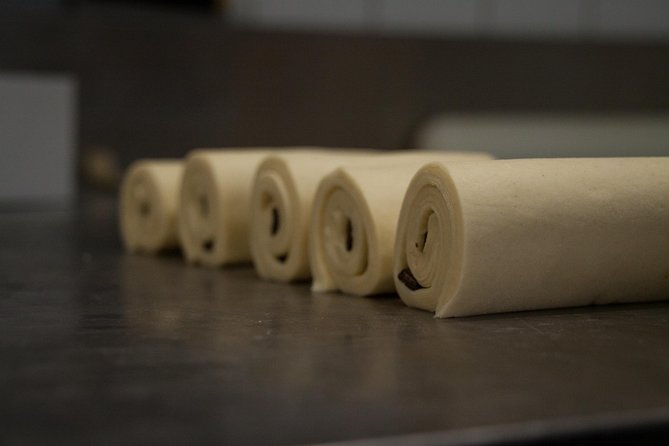
French pastry work has its own rhythm, and you’ll see how pastries are assembled and prepared alongside the baguette process. The tour includes time in production areas where cake and pastry work happens, which gives you a broader sense of what a Paris boulangerie does beyond the morning baguette rush.
The tour also includes tasting. Even if you’re the type who thinks you’re already a “food person,” tasting in the middle of the process is different. It helps you connect what you’re seeing—like how dough is worked or how pastries are built—with what it becomes once it’s baked.
Some guides also lead with extra context, such as explaining key points about croissants and answering questions as they come up. There’s also mention that guides can interpret for groups where some participants speak French. That’s important because it keeps the experience from turning into two separate conversations—one for the English speakers and one for everyone else.
Why this pastry stop is more than a bonus
If you come for bread only, you’ll still like this. But the pastry portion changes how you remember the tour. You start to see the boulangerie as a full kitchen: not only bread and ovens, but also the separate logic of sweet dough, filling, assembly, and finishing.
It’s a small time investment—about an hour—and you leave with both a practical takeaway (how the process works) and a sensory one (samples plus a take-home croissant).
Your take-home baguette and croissant: enjoy them like a local
You’re included with one freshly baked baguette and one freshly baked croissant. That’s a big deal for value because you’re not just touring. You’re getting a real payoff you can enjoy later.
The practical way to think about it: treat the baguette and croissant like part of the lesson. Eat them in a setting where you can notice texture and timing. If you’ve ever had a great croissant in a shop window but couldn’t recreate the experience again later, this helps you understand why freshness matters.
Also, take-home bread affects how the tour feels. Some experiences end with a certificate and photos. Here, the kitchen output becomes your souvenir.
What to do right after the tour
Keep it simple: don’t rush yourself into another long meal. Let the bread and croissant be the highlight. Even just a few bites matter, because you’ll notice the difference between hot-from-the-oven texture and later-day bread.
Small-group touring tips: how to get the most from limited space
Because this is a working bakery with tight movement, a little planning makes a big difference.
Here’s what I’d do if you want your experience to feel smooth:
- Wear clothes you don’t mind getting flour on.
- Choose non-skid shoes. Working floors can be slippery, and you don’t want to spend the tour thinking about your balance.
- Ask questions. The guide’s job isn’t just to read facts—it’s to translate and help you understand what bakers are doing in real time.
- Be flexible about how interactive it is. Some tours allow small tasks, but many depend on the bakers’ workflow that day.
Also, if you’re sensitive about airborne allergies, this is not the best fit. The tour is noted as not recommended for travelers with sensitive airborne food allergies.
Who this tour suits (and who should rethink it)
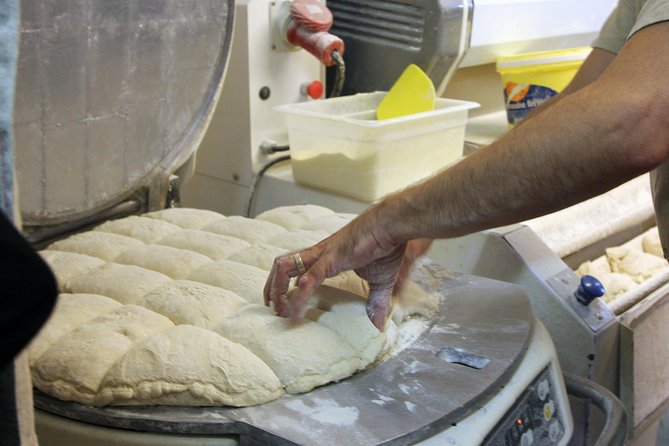
This experience is best for people who want an authentic, behind-the-scenes look at how Paris baking actually operates.
It tends to work especially well for:
- Families with kids ages 6 and up (children must be with an adult). Several mentions highlight that kids enjoy the close-up kitchen view.
- Food lovers who want an alternative to a museum stop—something active, specific, and connected to real craft.
- Travelers who like guided context and Q&A, not only strolling through shops.
It might be less ideal for:
- People who expect a true hands-on class with lots of dough-making. Even when interaction is included, it’s usually limited by the bakery’s size and how production works.
- Anyone who has sensitive airborne food allergies, since you’ll be in close proximity to ingredients and baked goods.
Price and value: what you’re paying for (and why some feel it’s pricey)
The tour is one hour and capped at a maximum of 8 people, which usually means better access and less waiting. You also get two key items included at the end: a freshly baked baguette and a freshly baked croissant.
That combination—small group + guided translation + production-room access + take-home bread—can feel like solid value if you’re the type who remembers experiences by what you learned and ate, not by how long you spent mixing dough.
That said, value is personal. Some people felt the tour was expensive for what they wanted most: a more interactive, hands-on baking component. If that’s your priority, you should go in knowing that this is primarily a workshop-style watch-and-learn format in a working kitchen.
For me, the best way to decide is this: if you want to understand how great baguettes and croissants are built, this tour is a practical learning stop. If you want to leave with a full personal bake you made from scratch, you might feel under-satisfied.
Quick FAQ before you book
FAQ
How long is the Paris French bakery tour?
It runs for about 1 hour.
Is the tour offered in English?
Yes, the tour is offered in English.
How many people are in the group?
The tour has a maximum of 8 travelers.
What food is included?
You receive one freshly baked French baguette and one freshly baked croissant.
Where is the meeting point?
You meet at Le Grenier à Pain Caulaincourt, 127 Rue Caulaincourt, 75018 Paris, France, and the tour ends back at the same meeting point.
Is it suitable for children or people with food allergies?
It’s for ages 6 and up, with children accompanied by an adult. It is not recommended for travelers with sensitive airborne food allergies.
What’s the cancellation policy?
You can cancel for a full refund up to 24 hours before the experience starts. Changes within 24 hours aren’t accepted, and the amount paid is not refunded if you cancel less than 24 hours in advance.
Should you book this French bakery tour in Paris?
If your ideal Paris day includes real food craft, small-group access, and a take-home reward, I think you’ll like this. The tour’s strongest points are the authentic working-bakery setting, the focus on the baguette and croissant methods, and the fact that you leave with a freshly baked baguette and croissant, not just memories.
Book it if you want a short, guided stop that replaces a generic food walk with something specific. Skip or reconsider if you’re mainly chasing a hands-on dough experience, because the working kitchen setup means you’ll spend much of the time observing and learning rather than doing everything yourself.