REVIEW · PARIS
World War two : The Occupation of Paris
Book on Viator →Operated by Interkultur Paris · Bookable on Viator
Paris under occupation is everywhere, if you know where to look. This 2-hour-plus walk turns famous facades into evidence of wartime choices and daily pressure. I especially liked how the guide keeps you moving from landmark to landmark without fuss, and how the route connects big events to real street-level life.
The main thing to consider is that this is a guided walk, not a museum day. It’s packed with stops and serious themes, but if you’re craving lots of extra stopping time or deep indoor exhibits, you may feel you want more per location.
In This Review
- Key highlights at a glance
- Price and Logistics: What You Pay for, and What You Don’t
- The Big Idea: How Occupation Becomes Understandable on Foot
- From Boulevard to Concorde: Your Walk’s Rhythm and Flow
- Bouillon Chartier and the Grands Boulevards: The Start of the War Hits Real Streets
- Folies Bergère: Artistic Life Under Occupation (and Why That Matters)
- Passage Verdeau: Quiet Architecture With a Requisitioned War Purpose
- Hôtel Drouot: Auctions, Plunder, and a Special Kind of Betrayal
- Mairie du 9ᵉ: Resistance, Denunciation, and Passive Resistance
- Banks and Armistice Effects: BNP Paribas | Maison Dorée
- Opéra Area and Propaganda: Pathe Opera Premier and Antisemitic Exhibition Context
- Place de l’Opéra to Place Vendôme: Kommandantur, Ritz Collaboration, and Resistance Networks
- Rue de Castiglione: Headquarters Energy and the Fight Toward Liberation
- Place de la Concorde: Liberation Marks and a Museum Used to Store Stolen Art
- Who This Tour Is Best For (and Who Might Want Something Else)
- Should You Book This Occupation of Paris Tour?
- FAQ
- FAQ
- How long is the WWII: The Occupation of Paris walk?
- How much does the tour cost, and what do you include?
- Is the tour offered in English?
- Where do we meet, and where does the tour end?
- What group size should I expect?
- Is the tour near public transportation?
- Can I bring a service animal?
- Is there free cancellation?
Key highlights at a glance
- Small group size (max 15) keeps questions practical and the pace human
- Guide-led route means you spend less time figuring out what’s where
- War-era places across Paris show occupation in theatres, auctions, banks, and government buildings
- Every stop is tied to a clear wartime story rather than random trivia
- Free admission at the listed stops keeps your money focused on the guide
- Ends at Place de la Concorde, a strong payoff for the final Liberation story
Price and Logistics: What You Pay for, and What You Don’t
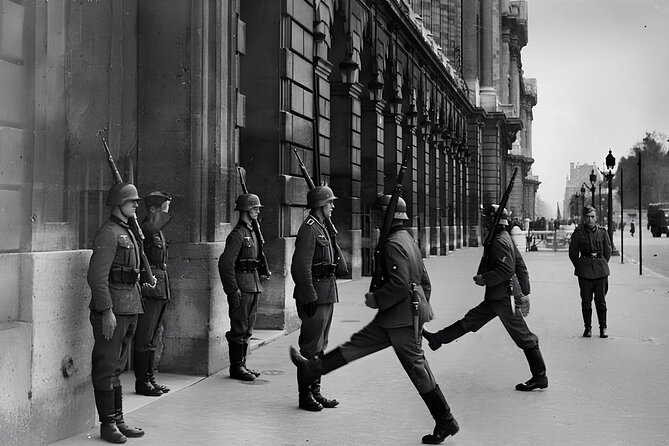
At $83.40 per person for about 2 hours 15 minutes, you’re paying for interpretation and routing, not ticketed entry. The tour’s listed stops are free to visit on their own, so your cost mainly covers a guided walk that strings the city’s wartime threads together in a sensible order.
It’s also good value because you’re not doing this alone. The guide leads you from the start near 38 Bd des Italiens all the way to Place de la Concorde, so you can focus on the story instead of re-orienting every few minutes. And since the group is limited to 15 people, it tends to feel more like a guided conversation than a mass event.
One practical note: it starts at 10:30 am and is scheduled for a typical morning slot. If you’re the type who needs long breaks between stops, you might want to plan the rest of your day lightly, because the pace is steady.
You can also read our reviews of more tours and experiences in Paris.


The Big Idea: How Occupation Becomes Understandable on Foot
What I like about this tour style is that it treats Paris like a living document. You don’t just hear about events; you’re shown where choices were made and how ordinary routines were bent. The guide connects the first shocks of WWII to the day-to-day strain of occupation, then carries you toward the Liberation fight and its marks.
The stops are mostly exterior-facing, which can be a plus. You’ll get the street-level feel: institutions you recognize, architectural landmarks you can still find today, and side passages where the wartime world sat quietly in plain sight.
And it’s not all doom-and-gloom in mood, even though the subject is heavy. You’ll also learn how culture kept going—sometimes for survival, sometimes for propaganda—so the occupation feels disturbingly real, not abstract.
From Boulevard to Concorde: Your Walk’s Rhythm and Flow
The route is designed to keep your attention. You begin on the Grands Boulevards area and then gradually work your way across the 2nd, 9th, and central districts toward Place Vendôme and finally Concorde. The order matters because the stories build: early occupation and daily life, then culture and requisitions, then money and stolen property, and finally resistance and the visible traces of Liberation.
Because it’s guided, you don’t have to navigate. That’s a big deal in Paris, where streets are dense and “interesting” can turn into “confusing fast.” Here, you’re simply walking and listening, and the guide is doing the geography math for you.
You’ll likely spend around 10 to 15 minutes at each stop. That’s enough time to get the key wartime angle and move on, without stalling your whole morning.
Bouillon Chartier and the Grands Boulevards: The Start of the War Hits Real Streets
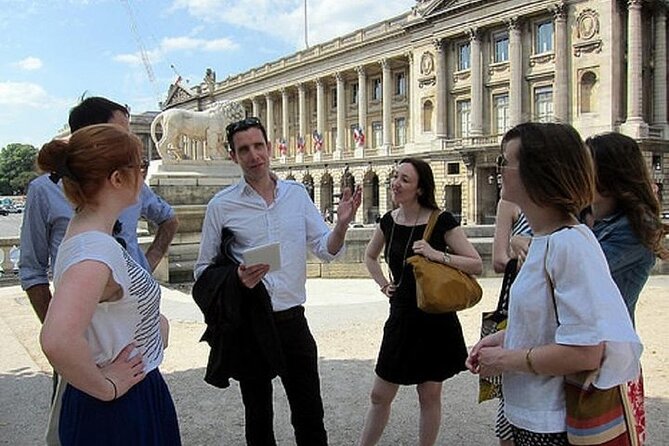
Your tour begins at Bouillon Chartier on the Grands Boulevards. This stop sets the tone by recounting the start of WWII and the occupation of Paris, with dramatic anecdotes anchored in the everyday. The aim isn’t to turn you into a historian; it’s to make the early shock feel like something that happened to people who still had to eat, work, and get from place to place.
What you’ll likely notice here is the contrast: a classic Paris dining stop, paired with wartime pressure. That contrast is the tour’s core technique. It keeps the story tied to recognizable urban life.
A downside to this kind of opening is emotional momentum. If you prefer to ease in, you might find the opening intensity quick. Still, it’s a strong way to orient yourself before you see how wide occupation reached.
Folies Bergère: Artistic Life Under Occupation (and Why That Matters)
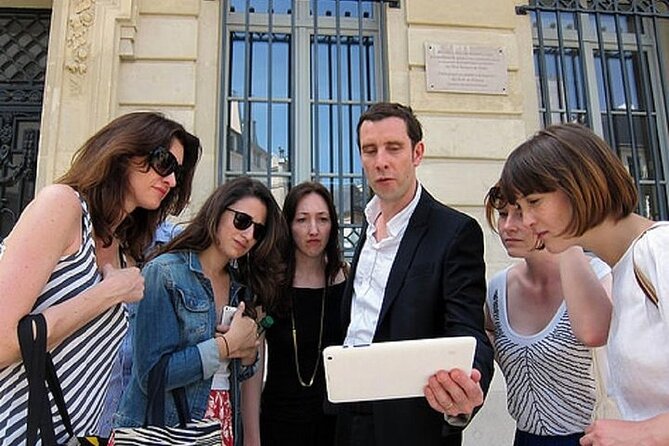
Next comes Folies Bergère, a venue linked to entertainment during the occupation. Here, the guide explains how artistic life continued—through movie stars, music halls, and movie theaters—and why culture became part of the occupation’s machinery.
This stop is valuable because it explains something many people wonder about: did life stop? In Paris, life didn’t stop. It bent. Venues stayed active, but the meaning of being active shifted under control.
The time at this stop is short, so you won’t get a long performance-history lecture. Instead, you’ll get a focused slice: who used entertainment, why it mattered, and how it shaped public perception.


Passage Verdeau: Quiet Architecture With a Requisitioned War Purpose
Passage Verdeau is the kind of Paris detail you can miss if you’re just sightseeing. In this tour, it’s a bridge to a more uncomfortable topic: passages that still keep old atmosphere and decor, and nearby buildings tied to a bordello requisitioned by the German army.
This is one of those moments where the city’s prettiness can feel like a trick. But that’s the point. You’re learning that wartime control didn’t only happen in official offices. It also worked through appropriation of intimate spaces.
If you’re sensitive to adult-war references, consider this stop a heads-up. The tour touches it directly, even though the duration is brief.
Hôtel Drouot: Auctions, Plunder, and a Special Kind of Betrayal
At Hôtel Drouot, the story shifts to property and theft. During the occupation, everyday objects and artworks were sold through the auction house, and the guide explains the mass stealing of Jewish property. You’ll also hear the story of a German art dealer working for the Reich, which adds a specific human thread to the larger system.
Why this matters for you: it turns “stolen art” from a vague headline into something with a mechanism. Auctions, paper trails, buyers, sellers—this is where the machinery becomes concrete.
It’s also one of the most ethically heavy stops. The guide’s challenge here is balancing history with clarity, and that’s likely why people rate the tour highly for feeling informed and thorough.
Mairie du 9ᵉ: Resistance, Denunciation, and Passive Resistance
The tour then heads to the Mairie du 9ᵉ arrondissement de Paris. This stop introduces the Résistance through the lens of a local employee, while also addressing denunciation and the concept of passive resistance in France during WWII.
This is a key part of the “how did people behave under pressure” theme. It’s easy to think of resistance as only heroic acts. Here, you also get the grayer side: how surveillance and fear affected choices, and how resistance sometimes looked like survival strategies rather than dramatic gestures.
Because the time is limited, the guide likely focuses on the most important distinctions. Still, it’s enough to give you language for what you’ll read later in Paris—especially in memorial plaques and local accounts.
Banks and Armistice Effects: BNP Paribas | Maison Dorée
At BNP Paribas | Maison Dorée, the tour steps into economics, not just politics. This stop explains the role of banks under the occupation and how the armistice convention between France and Germany shaped the resulting economic and political situation.
For many visitors, war history gets told as uniforms and battles. This stop widens the lens. You start seeing occupation as a system: money flow, institutional authority, and the ways ordinary financial life gets reorganized.
It’s also a smart way to keep your interest. After cultural venues and stolen property, the bank story adds a different kind of clarity: occupation wasn’t only enforced by force; it was supported by structures that were allowed to function.
Opéra Area and Propaganda: Pathe Opera Premier and Antisemitic Exhibition Context
The walk continues to Pathe Opera Premier, with an example of a movie theater requisitioned for German soldiers. Nearby, the guide points you toward another layer: a major exhibition in Paris organized by Nazi propaganda, with antisemitic messaging, including the exhibition title the Jews and France.
This is a “two-part” stop in spirit. You get the practical side—requisitioned spaces—and the ideological side—how propaganda framed who belonged and who didn’t.
I like this segment because it shows how cultural infrastructure could be repurposed for occupation goals. It’s one thing to know propaganda existed. It’s another to hear it connected to specific places you can still stand in front of today.
Place de l’Opéra to Place Vendôme: Kommandantur, Ritz Collaboration, and Resistance Networks
Next is BRED-Banque Populaire – Espace patrimonial, where Place de l’Opéra becomes a symbolic point of occupation in the city. The guide connects the area to the Kommandantur, and also brings up the Café de la Paix alongside other wartime anecdotes.
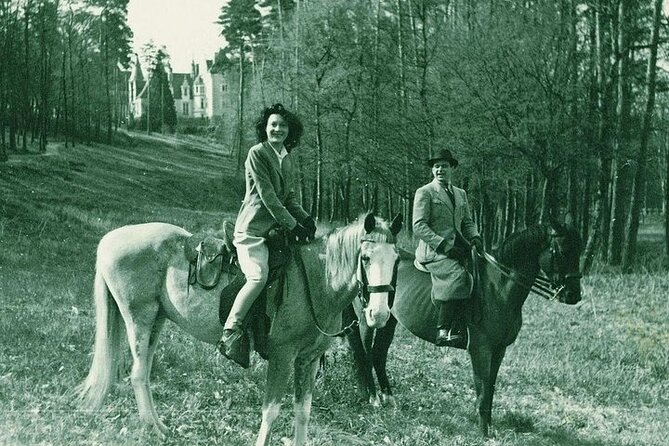
Then the tour reaches Place Vendôme. The guide talks about the fate of jewelry stores tied to Rue de la Paix, the law ministry occupied by the German army, and one of the very first resistance networks located nearby. You also hear how the Ritz Hotel became a key collaboration hub, with celebrities, spies, and militaries.
This is where the tour gets especially compelling if you enjoy political stories with a sense of geography. You’re not just hearing that the Ritz mattered—you learn why it mattered and how it sat in the occupation’s daily power web. The resistance network angle also helps you avoid a one-sided picture.
Rue de Castiglione: Headquarters Energy and the Fight Toward Liberation
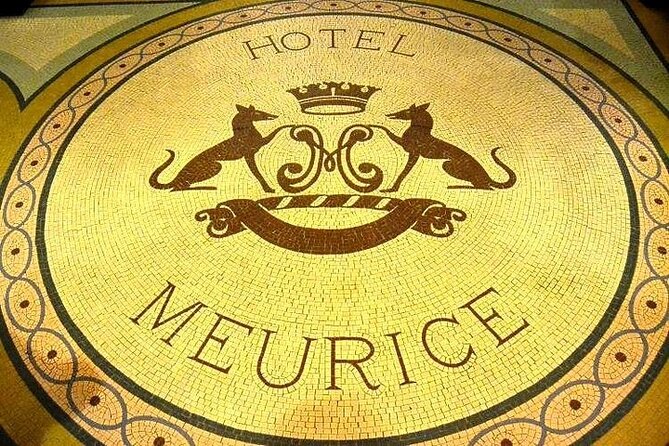
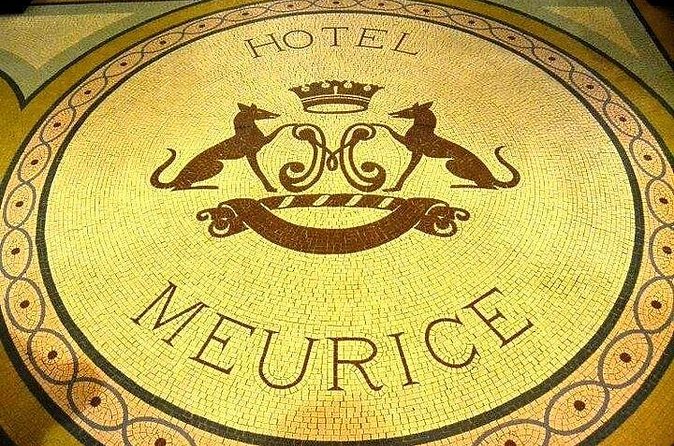
At Rue de Castiglione, the focus turns to palace hotels used as headquarters of the German army. Behind Hotel Meurice, the guide describes the main characters connected with these places and the fights of the Libération that ended there.
This stop can feel like a bridge between “occupation power centers” and “how the city finally fought back.” It’s not a battle recreation, but you get a sense of why certain streets, hotels, and offices became targets and focal points.
If you’re hoping for long explanations, the time is limited. Still, the value here is you start to recognize patterns: who held space, how that space functioned, and how liberation meant turning those spaces back to the public.
Place de la Concorde: Liberation Marks and a Museum Used to Store Stolen Art
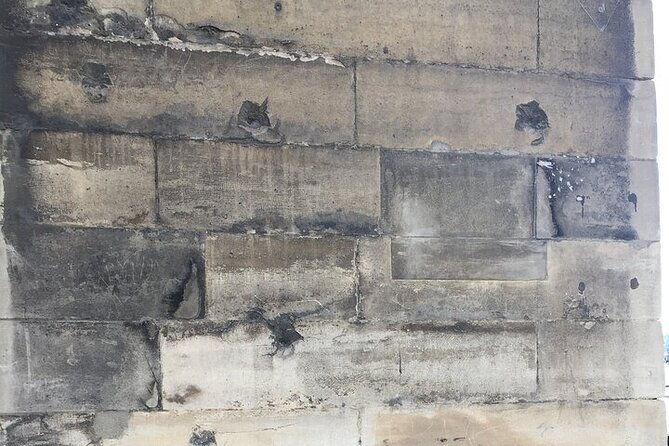
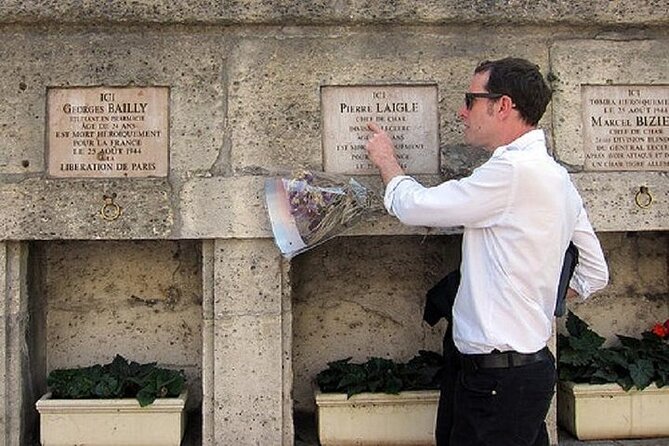
Your final major stop is Place de la Concorde. The tour points out marks of the Libération fightings and discusses memorial plaques dedicated to soldiers, resistance fighters, and civilians who took part in the battle. Then you look toward the museum behind the square, explained as a place used by the Germans to store art stolen from Jews and sent to Germany.
This ending works because the square has both visibility and symbolism. You see the physical scars and you connect them to individual remembrance. It helps the entire tour land emotionally: from occupation and control, to resistance and violent turning points, to what was left behind.
If you want a souvenir in your head, make it this: Paris wasn’t only occupied. It was organized, exploited, and then reclaimed—sometimes with scars still visible.
Who This Tour Is Best For (and Who Might Want Something Else)
I think this walk is ideal for you if you like history that’s tied to real streets. If you enjoy military and political stories, but you also want your understanding to include daily life under pressure, this route does that well.
It’s also a good choice if you want a guide-led experience in English and a group small enough to feel personal. With a maximum of 15 people, you’re more likely to get answers that match your interests.
One consideration: because there’s one guide per slot and the stop-by-stop script can vary by day, the depth might feel different depending on who you get. The walk is still well structured, but if you’re expecting a highly specialized academic tone all the way through, you may want to shop for another WWII-focused format or pair this with a separate museum stop.
Also keep in mind the subject matter. This tour covers antisemitism, property theft, and denunciation. If you’re traveling with anyone who has strong sensitivity to these topics, you’ll want to set expectations before you go.
Should You Book This Occupation of Paris Tour?
I’d book it if you want to see Paris as a war document, not just a set of monuments. The tour’s strength is in how it links theatres, passages, auctions, banks, and government areas into one story of control and resistance. At this price, with free admission at the listed stops, you’re getting a guided narrative that would be hard to piece together well on your own.
If you crave lots of time inside buildings or expect major museum exhibits as part of the experience, you might feel shorted. This is a walk-and-story format. For me, that’s exactly why it works.
FAQ
FAQ
How long is the WWII: The Occupation of Paris walk?
It lasts about 2 hours 15 minutes.
How much does the tour cost, and what do you include?
The price is $83.40 per person. The listed stops have admission tickets marked free, so you’re primarily paying for the guided experience.
Is the tour offered in English?
Yes, it’s offered in English.
Where do we meet, and where does the tour end?
You start at 38 Bd des Italiens, 75009 Paris, France. The tour ends at Place de la Concorde, 75008 Paris, right next to the Concorde métro station.
What group size should I expect?
The tour has a maximum of 15 travelers.
Is the tour near public transportation?
Yes, it’s near public transportation, and the end point is next to the Concorde métro station.
Can I bring a service animal?
Service animals are allowed.
Is there free cancellation?
Yes. You can cancel up to 24 hours in advance for a full refund.