REVIEW · PARIS
Wheelchair-Frendly Private Louvre Tour – Stress-Free & Easy
Book on GetYourGuide →Operated by Dayin · Bookable on GetYourGuide
The Louvre without the usual chaos. This private wheelchair-friendly visit keeps things calm, with a step-free route and a guide who shapes the timing so you don’t get swallowed by crowds. I like the focus on the museum’s biggest hits without the sprinting, and I like that you get real guidance for getting from room to room. The one thing to factor in: parts of the Louvre can still be tricky, and some galleries or works may be unavailable.
What makes it work in practice is the human touch. Guides like Walid and Clara are praised for patience and flexibility, and that matters when you’re navigating a major site at a slower, steadier pace. You’ll also see how much the team pays attention to comfort, from the route choices to the way they handle questions.
Plan for the Louvre’s size. You’re booking about 2 hours of guided time inside, plus transport, so it’s perfect for seeing the key masterpieces—but not for trying to cover every corner of the collection. There are also rules like no large bags and no selfie sticks.
In This Review
- Key things that make this tour worth it
- A stress-free Louvre visit starts with the right meeting spot
- The van ride and timing that protect your energy
- How the guided portion stays step-free
- Wheelchair rental inside the Louvre (and what to tell them)
- Skip the ticket line: why that really matters at the Louvre
- The two-hour highlights route: seeing icons without the rush
- What you’ll aim for: Mona Lisa, Venus de Milo, and more
- End point: a meaningful finish after the highlights
- Private guide value: why $377 can feel fair
- Who this tour fits best
- Languages and communication: you won’t feel lost
- Practical tips to make your day easier
- Should you book? My decision guide
- FAQ
- How long is the Louvre tour?
- Where do we meet the guide if we don’t choose hotel pickup?
- Is wheelchair rental included?
- Does the tour include entrance tickets and skip-the-line entry?
- What languages are available for the live guide?
- Can I bring a large bag or luggage?
- Is hotel pickup available, and is drop-off included?
Key things that make this tour worth it

- Accessibility-trained licensed guide who plans an easier, barrier-free flow
- Skip-the-ticket line so you start seeing art faster
- Wheelchair rental at the Louvre included, when you need it
- Private pacing: you ask questions and move at your pace, not the crowd’s
- Two-hour highlights route designed to focus on the biggest works
- Hotel pickup option with an accessible taxi, or meet at the pyramid area
A stress-free Louvre visit starts with the right meeting spot

The tour is built for an easy start, which sounds simple until you try it at the Louvre. You have two starting options.
If you want door-to-door help, choose hotel pickup. Your guide meets you in the lobby, and an accessible taxi is ready outside at pickup time. That removes one of the hardest parts of a Louvre day: coordinating transport while carrying bags, managing mobility needs, and timing against traffic.
If you prefer to meet at the museum, you’ll find your guide next to the horse statue in front of the pyramid, holding a blue Dayin sign. Set your phone for Louvre Pyramid in Google Maps. Do note that the Louvre area can get confusing quickly, especially if you arrive right at the start of the day when entrances and sidewalks are busiest. Leaving a bit early is smart—Paris traffic can be unpredictable.
You can also read our reviews of more private tours in Paris



The van ride and timing that protect your energy

There’s a short van transfer built into the experience (about 30 minutes). That time isn’t just “getting there.” It’s a buffer that helps you arrive calmer and ready to start.
A big museum day can drain you before you even reach the first room. By the time you enter, you’re less rushed and more focused. For people using a wheelchair (or traveling with someone who finds the pace overwhelming), this kind of buffer makes a noticeable difference.
How the guided portion stays step-free
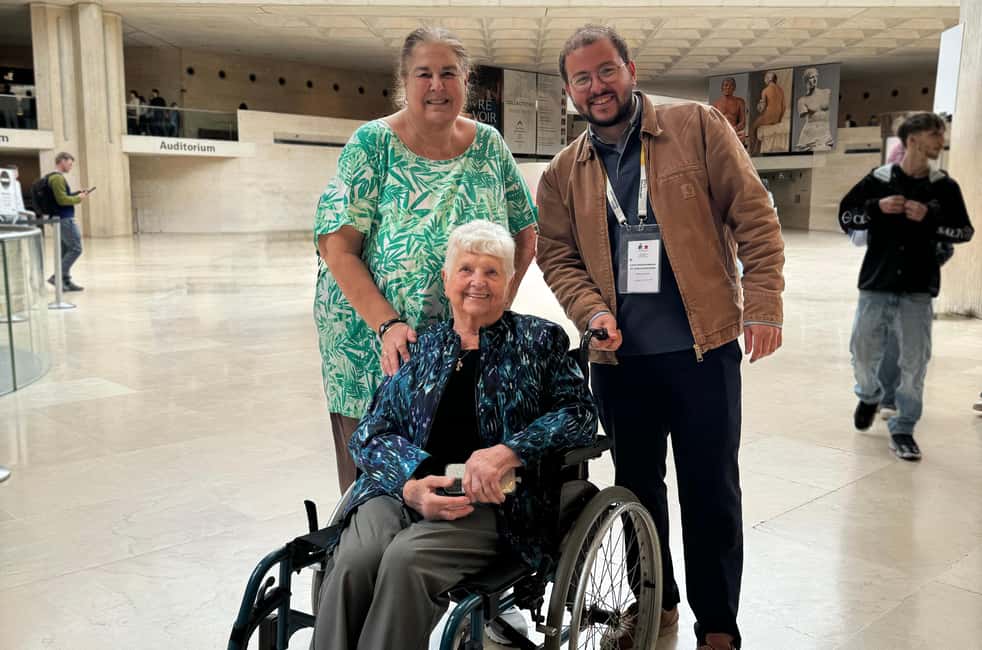
Inside, the plan is designed around a step-free itinerary. That means your guide works with elevators and accessible pathways to keep the route workable. The point isn’t just access; it’s reducing moments of frustration—those pauses where you’re stuck waiting, rerouting, or trying to figure out what’s possible.
Your licensed guide with accessibility training leads at your pace. You’re not on a fixed “follow me” schedule where you’re always catching up. Instead, you can stop for questions, take a breath, and still keep the flow moving.
There’s also an important reality check. Even with a careful plan, some parts of the Louvre may not be accessible for wheelchairs, and some galleries may close without notice or change because of restoration or loans. The guide’s job is to steer you through what’s workable that day and still get you to the signature masterpieces.
Wheelchair rental inside the Louvre (and what to tell them)

One of the easiest parts here is that wheelchair rental at the Louvre is included. If you already have your own wheelchair, that’s fine too—you just need to specify the type when you book.
This matters because not every wheelchair is the same, and maneuvering needs differ. The best move is to tell them whether you have a wheelchair and what type so they can plan appropriately.
Also watch your packing. Luggage or large bags aren’t allowed, and selfie sticks are not allowed. For many people, that’s a relief. Fewer bulky items means fewer awkward stops and less “where do we put this?” stress during the day.
Skip the ticket line: why that really matters at the Louvre
Getting into the Louvre is often the first bottleneck of the entire trip. This tour includes entrance tickets and is designed to skip the ticket line, which helps you start your art time faster.
That might sound small compared with masterpieces like the Mona Lisa, but it changes your mood. If you’re managing mobility needs, delays can add up quickly. A faster start can also help you avoid hitting the museum at its peak crush.






The two-hour highlights route: seeing icons without the rush
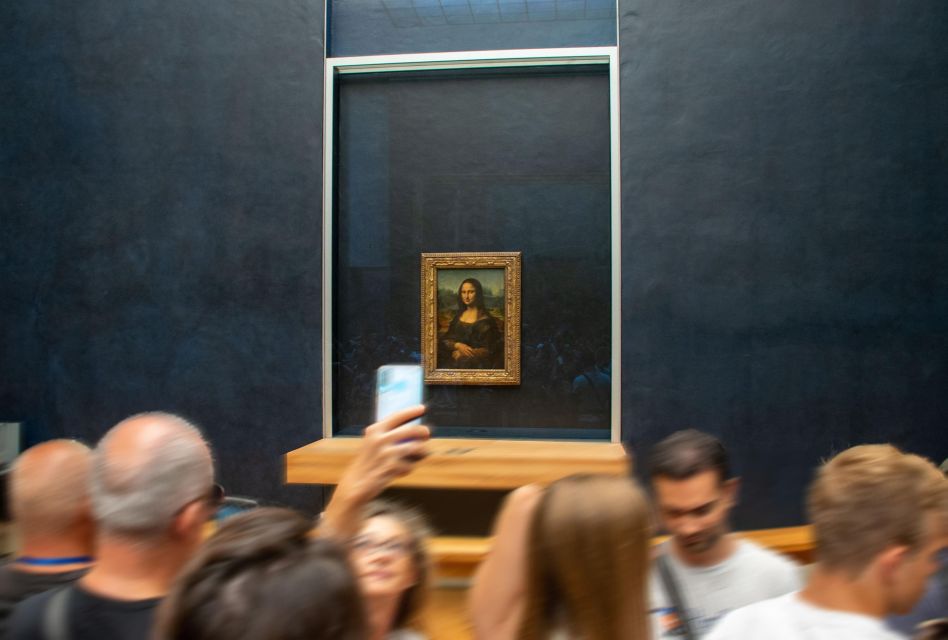
The guided portion is about two hours inside the Louvre. That’s a sweet spot for a private experience: long enough to make real connections with the art, short enough to avoid fatigue from dragging yourself through endless corridors.
Your guide focuses on must-sees with engaging storytelling—meaning you’re not just standing and staring. You get the context that makes the works click, and you get to ask questions while you’re there.
Because it’s private, you can shape the experience a bit. The praise for guides like Walid and Wasim often centers on patience and staying flexible about what you want to see. If your group includes an elderly parent, or you just hate feeling hurried, that flexibility is the difference between a “nice tour” and a day that actually feels comfortable.
What you’ll aim for: Mona Lisa, Venus de Milo, and more
You’ll see the classics, including the Mona Lisa and Venus de Milo. Those are the anchor stops, the ones most people come for, and getting there with guidance makes the difference between a quick glance and a meaningful viewing.
You’ll also spend time on other “big name” works your guide includes in the route. The guide’s job isn’t to throw everything at you; it’s to pick the most worthwhile sequence for your mobility and time.
End point: a meaningful finish after the highlights
The tour concludes at Louis XIV sous les traits de Marcus Curtius (copie). Finishing on a specific art stop helps keep the day structured. After you’re done, you’re free to explore on your own if you still have energy, but at least you start with the works you care about most.
Private guide value: why $377 can feel fair

At $377 per person, this isn’t a budget-friendly option. But it can still be good value if you think about what you’re paying for: a private, accessibility-trained licensed guide, entrance tickets, skip-the-line entry, and wheelchair rental when needed.
For many people, the key value is time and stress saved. When you’re navigating the Louvre with mobility needs, a “cheap” option often costs you in energy: extra stops, unclear routing, and waiting while you figure out what’s accessible. This tour is built to reduce those hidden costs.
It’s also a better fit for families traveling with older relatives. One big theme from guide feedback is how well the tour supports a slower pace without losing the art experience. If you’re choosing between a self-guided scramble and an assisted route that prioritizes comfort, that’s where the price starts to make sense.
Who this tour fits best
This tour is a strong match if any of these apply:
- You’re using a wheelchair and want a structured, step-free route.
- You’re traveling with an elderly parent and need the guide to handle the pace and logistics.
- You’re not trying to “see everything,” just the essential masterpieces done well.
- You want storytelling and context, not just a list of paintings.
If you’re the type who loves wandering for hours without a plan, you might find the guided window a bit short. But the design is practical: you get the classics with guidance, then you can choose what to do next after the tour ends.
Languages and communication: you won’t feel lost

The live guide is available in English, French, Spanish, Chinese, and Traditional Chinese. That matters more than you might think in the Louvre. Art interpretation is nuanced, and you want a guide who can explain it clearly in your language.
From guide feedback, what really lands is how calm and patient the guidance feels during the walk and at each stop—especially when questions come up, or when you need extra time to position comfortably.
Practical tips to make your day easier
These are small things that help you get the best version of the tour:
- Know your wheelchair situation before you arrive. If you’re renting at the Louvre, confirm that the plan is set for your needs.
- Leave early and accept some Paris timing wobble. Traffic can affect arrival time, especially if you choose hotel pickup.
- Plan around the bag rule. If you usually travel with a large bag, consider how you’ll store it or what you’ll carry.
- Prepare for a couple of “day-of” surprises. Some galleries or works can change due to closures, restoration, or loans.
Should you book? My decision guide
Book this tour if you want the Louvre’s highlights with less friction. The core promise—stress-free, barrier-free guidance with a private guide—is exactly what you need if crowds overwhelm you, if you’re pushing a wheelchair for someone else, or if you simply want to enjoy masterpieces without negotiating logistics at every turn.
Skip it (or consider a different format) if you’re trying to cover the entire museum in one go. The guided time is designed for quality and comfort, not full coverage. Also consider the reality that some areas may be inaccessible on certain days, even with planning.
If your priority is comfort plus iconic art, this is the kind of tour that tends to feel worth it once you’re inside.
FAQ
How long is the Louvre tour?
The duration is listed as 150 minutes to 3 hours depending on the starting time.
Where do we meet the guide if we don’t choose hotel pickup?
Meet your guide next to the horse statue in front of the pyramid. Your guide will be holding a blue Dayin sign.
Is wheelchair rental included?
Yes. Wheelchair rental at the Louvre is included. If you already have a wheelchair, you should let the company know when booking and specify the type.
Does the tour include entrance tickets and skip-the-line entry?
Yes. The tour includes entrance tickets, and it includes skip the ticket line.
What languages are available for the live guide?
The guide is available in English, French, Spanish, Chinese, and Traditional Chinese.
Can I bring a large bag or luggage?
No. Luggage or large bags aren’t allowed, and selfie sticks aren’t allowed.
Is hotel pickup available, and is drop-off included?
Hotel pickup is optional. If you choose pickup, an accessible taxi waits outside your hotel for the transfer. Drop-off is not included.