REVIEW · PARIS
Small-Group Canadian Normandy D-Day Juno Beach from Paris
Book on GetYourGuide →Operated by Blue Fox Travel · Bookable on GetYourGuide
D-Day didn’t happen on a map. It happened on these beaches. This small-group Canadian Normandy tour from Paris takes you straight into the places tied to June 6, 1944, with an English-speaking guide and a comfortable minibus ride that keeps the day focused. You’ll walk the shore at Juno Beach and connect it to the stories behind the Canadian landings.
I like two things most. First, the guide experience—when you’re riding with hosts such as HP, Enzo, and Mathieu, you get clear explanations (not a lecture) while you’re traveling between sites. Second, the tour hits the emotional anchors: Juno Beach Center for context and the Canadian Cemetery at Beny-sur-Mer for reflection.
One consideration: it’s a long day, and food isn’t included, so plan ahead. Also, this is a weather-based outing on an exposed coastline; pack for wind and cold even outside winter.
In This Review
- Key points worth knowing before you go
- From Paris at 7:00 AM: the pace that works for Normandy
- Why the early start is a plus
- The minibus comfort and the value of an English-speaking guide
- A realistic note about sound
- Juno Beach Center: learn the story before your feet hit the sand
- Skip-the-line matters on a long day
- Walking Juno Beach: what it feels like to stand where troops landed
- Weather tip: pack like it’s a coast day
- Canadian Cemetery at Beny-sur-Mer: where the day turns quiet
- Practical mindset
- Hell’s Corner and Abbey d’Ardenne: the inland pressure behind the beach
- Hell’s Corner (about 5 miles from Caen)
- Abbey d’Ardenne: a Nazi HQ point
- How the day usually flows (and where time can feel tight)
- If you want maximum value from the day
- Lunch and breaks: what you should do since food isn’t included
- Price and value: what $283 buys you
- Who gets the best value
- Should Canadians (and non-Canadians) book this?
- Book it? Here’s my take
- FAQ
- What is the duration of the tour?
- What time does the tour leave Paris?
- What time will I be back in Paris?
- How big is the group?
- Is the guide English-speaking?
- What sites will we visit?
- Is food included in the price?
- Does the tour include admission fees?
- Is transportation provided?
- Where do we meet in Paris?
Key points worth knowing before you go
- Small group (max 8 people) means more chances to ask questions and hear the guide well.
- English-speaking guide throughout, with practical storytelling as you move between landmarks.
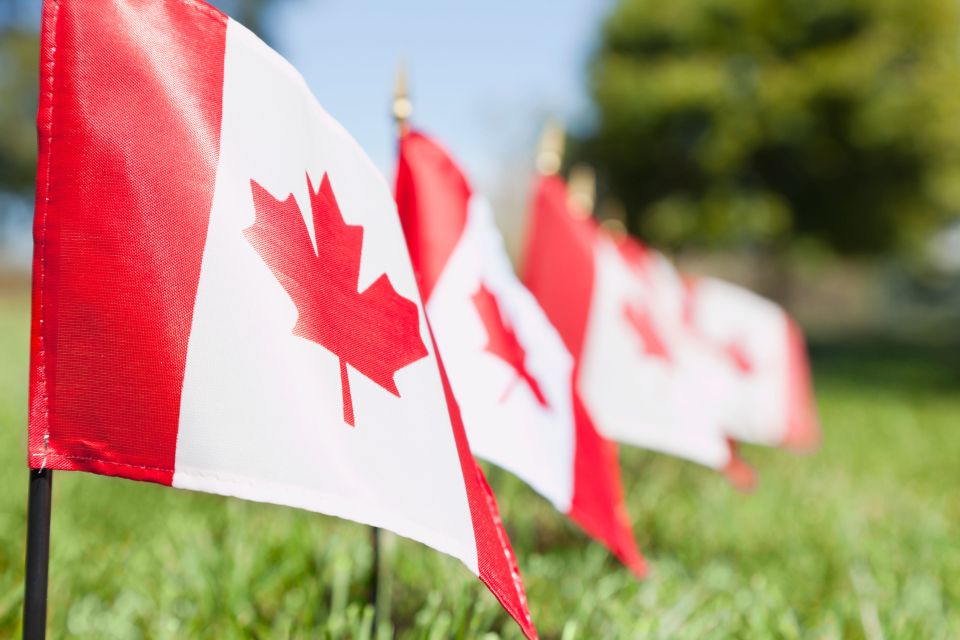
- Juno Beach Center gives you the bigger picture of the Canadian landings before you step onto the sand.
- Walk the shoreline at Juno Beach, matching what Canadian troops faced on June 6, 1944.
- Canadian Cemetery at Beny-sur-Mer is a quiet, respectful stop that makes the day feel personal.
- Hell’s Corner + Abbey d’Ardenne adds the inland pressure and German HQ context beyond the beach.
From Paris at 7:00 AM: the pace that works for Normandy
If you want Normandy history without the stress of driving and parking, this tour is built for you. It runs year-round, every day, departing at 7:00 AM from Paris. You return around 8:00 PM, depending on traffic, so think of this as a full 13-hour day—structured, but still human-paced.
The group size is capped at 8 participants, which matters more than you might think. Normandy sites can involve stairs, tight museum spaces, and outdoor walking. Smaller groups make it easier for your guide to manage timing and for you to stay with the plan instead of getting separated every time a bus door opens.
Departure is sharp. The driver-guide arrives about 10 minutes before the start time, and you’re asked to be at the meeting place at least 15 minutes early. The meeting point is at a café called Café Dada Ternes in Paris. Arriving early also helps you settle in, use the restroom if needed, and be ready when the minibus pulls away.
You can also read our reviews of more tours and experiences in Paris.



Why the early start is a plus
You’ll be on the Normandy side of the day while other visitors are still waking up. That usually means more breathing room around the major stops. Even if you’re not a morning person, you’ll appreciate getting to the beach area with enough time to slow down at the places that need it.
The minibus comfort and the value of an English-speaking guide
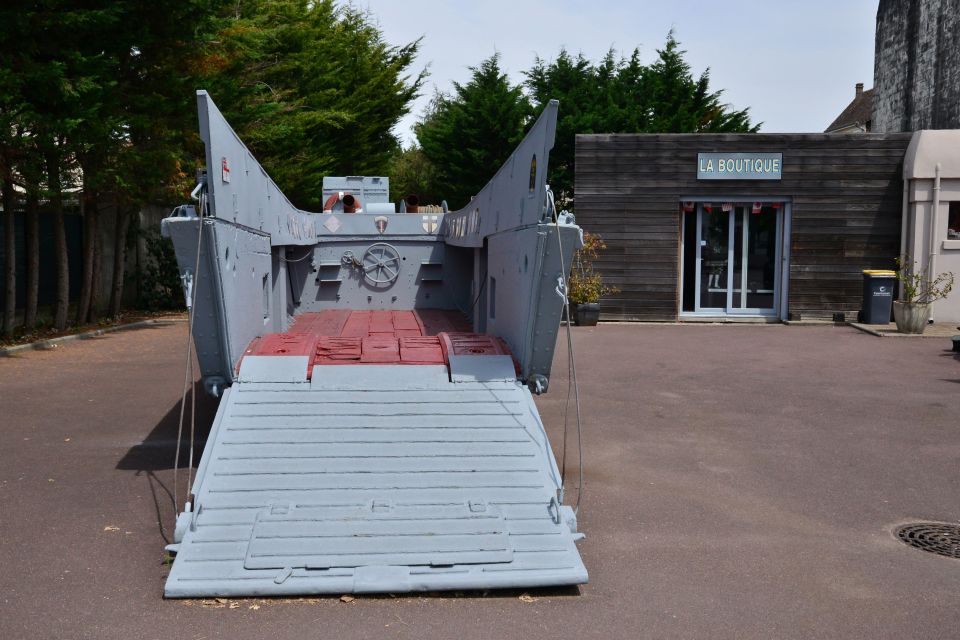
You travel by a comfortable minibus—not a massive coach. That choice sounds small, but it changes your day. You’ll spend fewer hours feeling like part of a crowd and more time listening as your guide explains what you’re seeing.
The guide is the difference between a “seen it” day and a “I get it now” day. This is the kind of outing where details matter: where troops landed, why certain positions were hard to take, and how the inland battles tied back to the shoreline. Based on guide experiences shared under this tour, you’ll likely meet someone who can balance facts with emotion. Guides such as HP, Enzo, Olivier, and Brun are repeatedly singled out for being organized, engaging, and sensitive to the subject.
Also, having an English-speaking guide helps you avoid the common problem of Normandy tours turning into museum time with no context. Here, the guide connects each stop so you don’t end up with scattered impressions.
A realistic note about sound
One rider reported that it was sometimes hard to hear through the microphone. If you’re concerned about audio, sit where you can hear clearly—usually mid-front on the minibus helps. You don’t need perfect sound to enjoy the day, but clarity makes the stories land.
Juno Beach Center: learn the story before your feet hit the sand
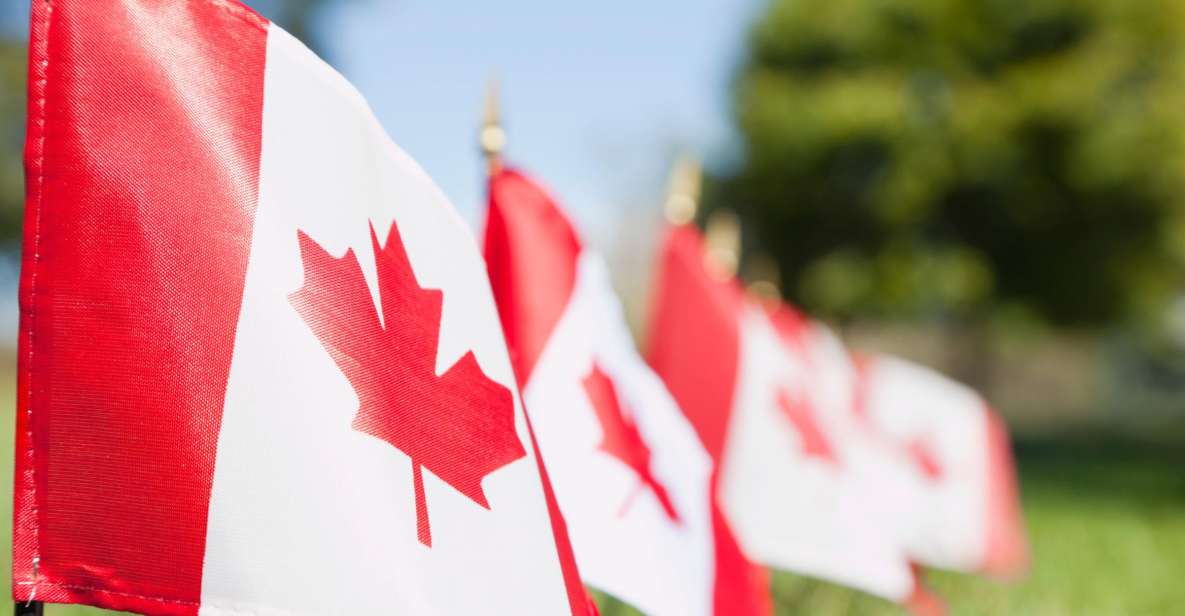
Your first big Canadian-focused stop is Juno Beach Center. This is where the tour does its “set the frame” work. The museum is described as the most comprehensive spot for the Canadian landings in Normandy, and that’s exactly what you want before walking the coast.
In practical terms, the museum helps you:
- understand what was happening on June 6, 1944 (and why it was so brutal),
- connect the Canadian landings to the wider Allied operation,
- and get familiar with the geography so the outdoor stops make sense.
Even if you’re already interested in military history, this is a useful layer. You’ll likely spot patterns you didn’t notice on your first read of a map—especially around how the beach area connects to the inland push.




Skip-the-line matters on a long day
The tour includes entrance fees, and it also notes skip-the-line access through a separate entrance. On days when visitor lines get long, this keeps your time where it should be: inside the museum and on the grounds.
Walking Juno Beach: what it feels like to stand where troops landed
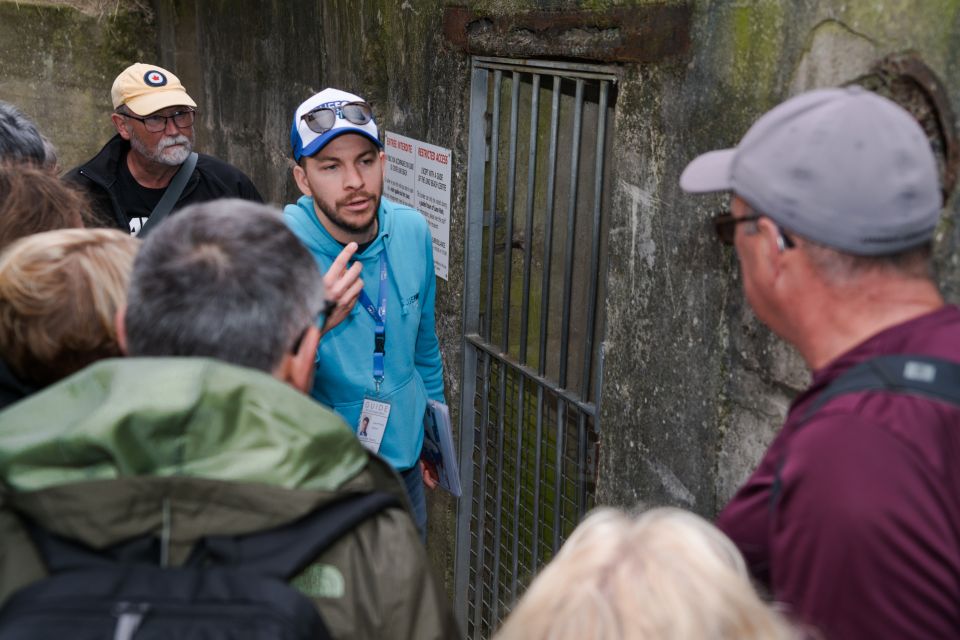
After you learn, you go out and do the part that people remember. You’ll walk the shore at Juno Beach, close to where Canadian soldiers faced the attack.
This walk is more than a photo stop. It’s a sensory reality check. You see the shoreline angles, feel the weather, and get a better sense of distance—how far inland troops had to move and how exposed the beach was.
The tour is described as a walk on the same sand that Canadian troops used in 1944. That’s powerful because the beach stops feeling abstract. History becomes physical.
Weather tip: pack like it’s a coast day
Bring layers. One rider specifically noted it was cold and windy even in late April. Another mentioned an issue with AC in hot weather. Your best bet is to plan for both extremes:
- a warm layer for wind,
- a light layer for mild days,
- and a hat or something that keeps your head warm outdoors.
Canadian Cemetery at Beny-sur-Mer: where the day turns quiet
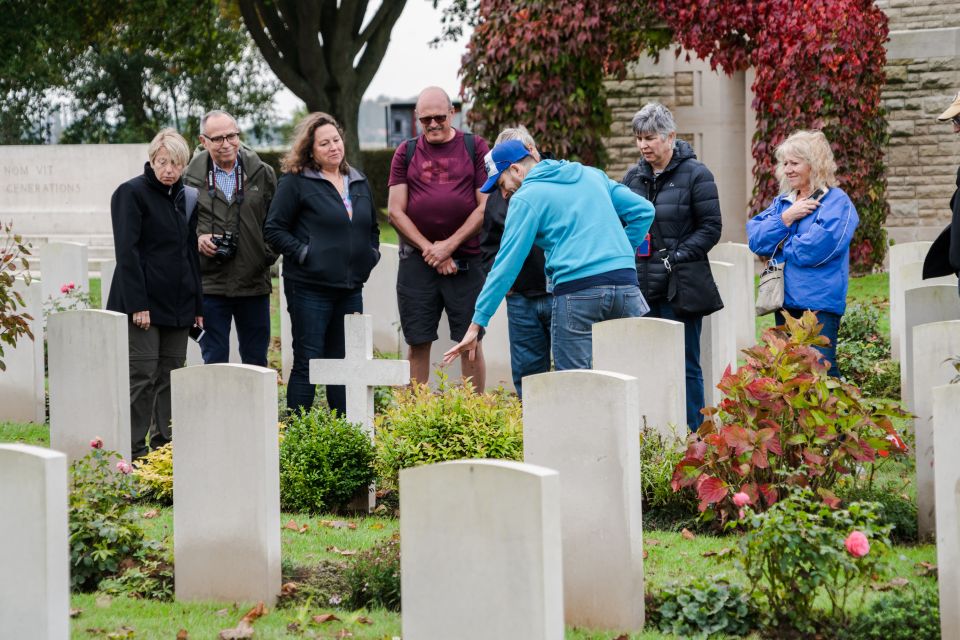
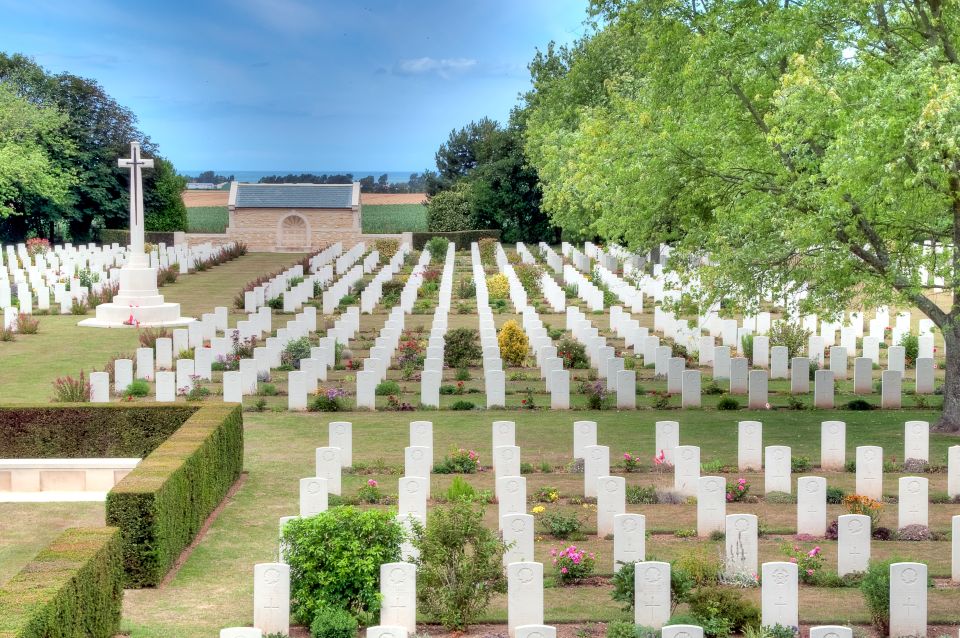
Next comes the Canadian Cemetery in Beny-sur-Mer. This is one of those stops where the details aren’t loud. You’re there to pay respects, and the best thing you can do is slow down.
You’ll stroll through the cemetery, and your guide will frame what you’re seeing—helping you understand why this place matters to Canada’s WWII memory. The cemetery’s value isn’t only historical. It’s personal. A lot of people find this moment to be the emotional pivot of the day because it turns the battlefield story into real names, real lives, and real loss.
If you’ve come to Normandy because of family ties—or even if you’re just trying to honor the sacrifices—this is the most respectful place to do it.
Practical mindset
Don’t rush here. If your feet get tired, stop for a minute and reset. The guide’s job is to tell you what you need to know; your job is to make space for how it makes you feel.
Hell’s Corner and Abbey d’Ardenne: the inland pressure behind the beach
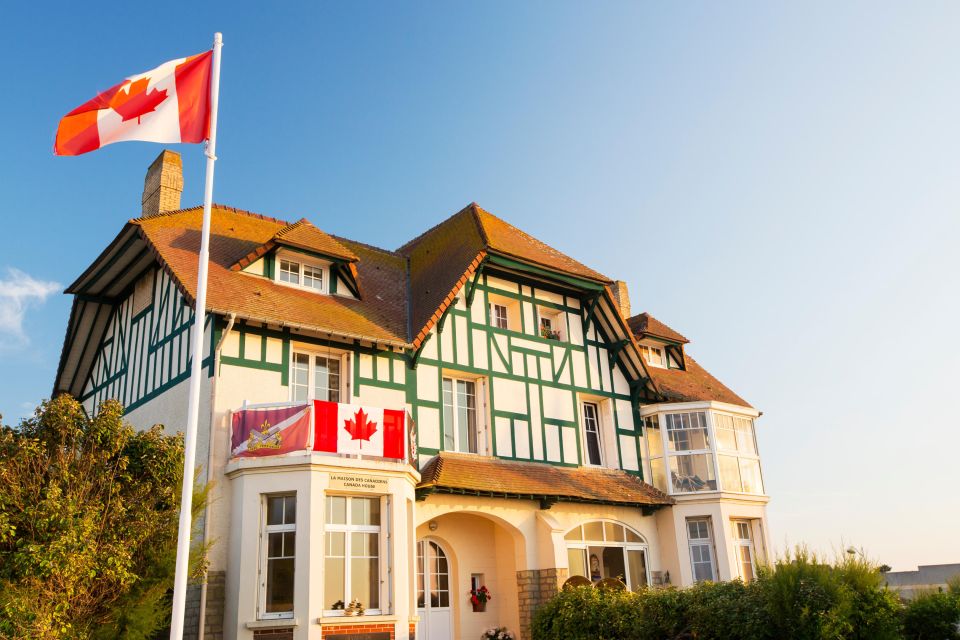
To understand why D-Day was more than the beach, this tour adds two inland landmarks: Hell’s Corner and Abbey d’Ardenne.
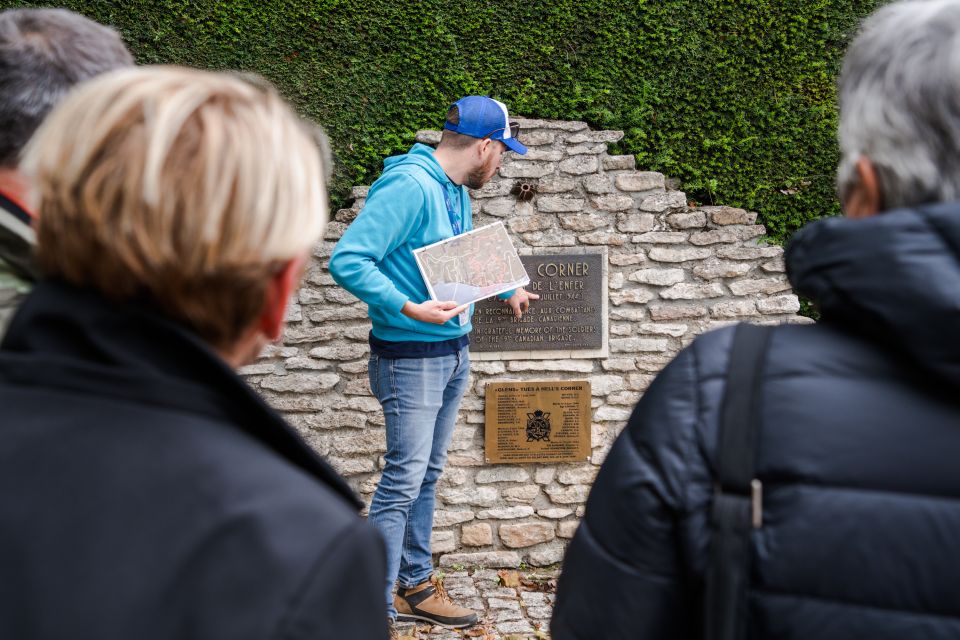
Hell’s Corner (about 5 miles from Caen)
Hell’s Corner is described as the furthest advance inland taken by Canadian troops on D-Day—about five miles from Caen. That single detail helps you grasp the scale of the challenge. You’re looking at a place that represents limits, cost, and the point where the momentum met heavy resistance.
This is the stop that helps turn “a landing happened” into “here’s how hard it was to expand the breach.”
Abbey d’Ardenne: a Nazi HQ point
The tour also includes Abbey d’Ardenne, described as a HQ point for the Nazis. Seeing a site tied to command and control adds another layer. It helps you understand the conflict wasn’t only chaotic firefights—it was organized, defended, and directed.
Together, Hell’s Corner and Abbey d’Ardenne make the day feel complete. You’ll leave with a clearer idea of how the beach fight connected to the inland battle.
How the day usually flows (and where time can feel tight)
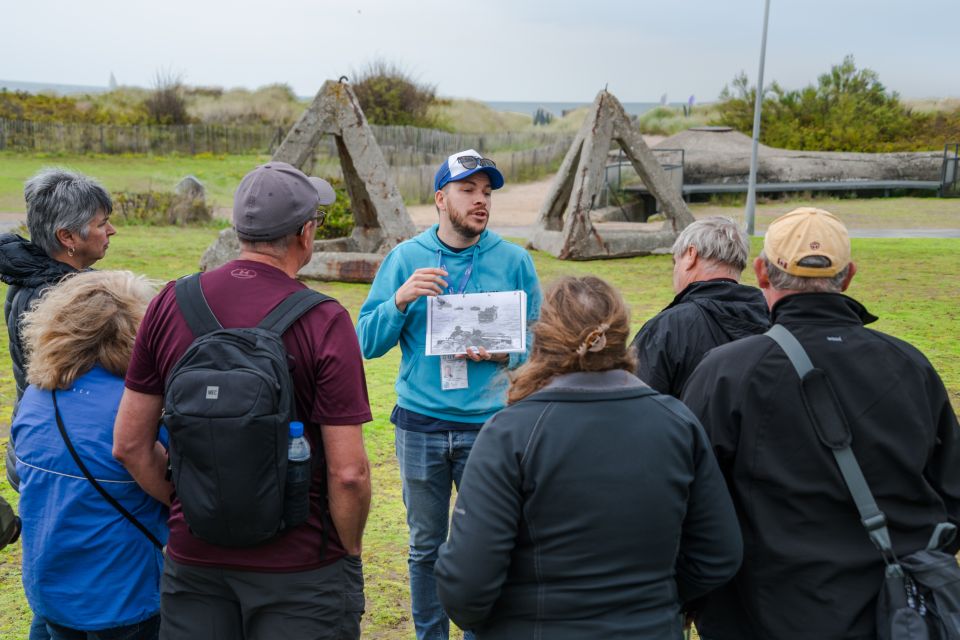
A 13-hour day can either feel smooth—or slightly rushed. Most of the pacing feedback is positive, with people liking the mix of sites and the fact that the schedule keeps moving without losing the meaning.
Still, there are two things to keep in mind:
- Museums take time, especially if the guide encourages questions or reflection.
- Outdoor stops depend on weather and walking pace.
One rider wished for more browsing time at Juno Beach Center, and another felt that the bunker visit could have been more general. That tells me the experience can vary by guide timing and your personal interest level. If you love reading every exhibit label, you may want to be ready to pick your priorities quickly.
If you want maximum value from the day
Go in with a couple questions ready. For example:
- How did the Canadian landing fit into the broader Allied plan?
- What made the inland advance so hard?
- How do Juno Beach and the cemetery connect to the overall battle?
Your guide can usually answer questions like that on the spot.
Lunch and breaks: what you should do since food isn’t included
Food isn’t included. That’s common on day trips, but you should treat it as a planning item, not an afterthought.
Some guides may suggest or coordinate stops for lunch, and in at least a few experiences, people picked up lunch from a bakery and ate near a memorial by the beach. Other days might include time at a restaurant. None of that is guaranteed, so I recommend bringing:
- water,
- a snack you can handle outdoors,
- and a plan for lunch once you reach the Normandy area.
With a full day, your energy level affects your attention. If you want the emotional stops to land, don’t run on an empty stomach.
Price and value: what $283 buys you
At about $283 per person for a 13-hour small-group tour, the price can feel steep until you break down what’s included.
You’re paying for:
- Round-trip transportation from Paris by comfortable minibus,
- an English-speaking guide for the full day,
- entrance fees,
- and skip-the-line access for smoother museum time.
You’re also getting a curated route that focuses on the Canadian story rather than trying to cram in everything about Normandy. That matters. If you try to DIY this day, you’d spend real money on train or private car transport, plus you’d need to manage admissions and parking logistics while still trying to understand what you’re looking at.
Who gets the best value
This tour is especially good if:
- you want the Canadian landing story with strong context,
- you prefer learning from a guide rather than reading alone,
- you like smaller groups,
- and you want the beach walking + cemetery combination in one day.
Should Canadians (and non-Canadians) book this?
If your interest is D-Day history, this is a smart outing. It’s built around Canadian sites: Juno Beach Center, the Canadian Cemetery, and the inland references tied to Canadian advances. Canadians often find it moving in a personal way. Non-Canadians still benefit because the Canadian role is one of the clearest “through lines” into the wider D-Day operation.
Where it may not fit:
- If you’re only looking for a quick drive-by of the beach without historical structure, this might feel like too much content for too long.
- If you hate long days, remember the schedule runs from 7:00 AM to around 8:00 PM.
Book it? Here’s my take
I’d book this tour if you want a guided, high-meaning day that covers the key Canadian D-Day stops without the logistics headache of DIY driving. The small-group size, English-speaking guide, and the mix of museum + sand walk + cemetery is a strong combination.
Before you go, do two things: pack for wind and temperature changes, and plan some backup snacks since food isn’t included. If you handle those, you’ll get a day that’s both informative and genuinely affecting—exactly what most people come to Normandy hoping to find.
FAQ
What is the duration of the tour?
The tour lasts 13 hours.
What time does the tour leave Paris?
It departs from Paris at 7:00 AM and runs every day all year round.
What time will I be back in Paris?
The tour returns to Paris at around 8:00 PM, depending on traffic.
How big is the group?
This is a small-group tour with a maximum of 8 participants.
Is the guide English-speaking?
Yes, the tour includes an English-speaking live tour guide.
What sites will we visit?
You’ll visit Juno Beach Center, Juno Beach (including a walk on the shore), the Canadian Cemetery in Beny-sur-Mer, Hell’s Corner, and Abbey d’Ardenne.
Is food included in the price?
No. Food isn’t included.
Does the tour include admission fees?
Yes. Entrance fees are included.
Is transportation provided?
Yes. You’ll travel by a comfortable minibus.
Where do we meet in Paris?
You meet at Café Dada Ternes. It’s recommended that you arrive at least 15 minutes early, since tours start sharp.