REVIEW · PARIS
Photography workshop in Paris
Book on Viator →Operated by Aperture Tours · Bookable on Viator
A good camera is helpful. A good photo plan is better. This Paris workshop pairs you with a pro teacher and a small group so you can practice composition and light while walking real neighborhoods. I especially like the day-and-night focus, and how the stops balance famous sights with quieter streets. One thing to consider: you’ll need your own camera, since it isn’t included.
You get a mix of classic views and learning moments, with a route designed for changing light. Expect to spend time in places like Montmartre lanes, the Canal Saint-Martin area, and central Paris streets where you can experiment with angles instead of just taking one safe picture. The only real drawback is time pressure: you’ll cover a lot of ground, so it helps to show up ready to shoot and follow the teacher’s prompts.
In This Review
- Key Takeaways Before You Go
- A Paris Photo Workshop That Actually Teaches
- Day-to-Night Shooting: What Changes and Why It Matters
- Where You’ll Walk: Five Paris Neighborhoods, Five Kinds of Photos
- Bastille: Hidden Courtyards and an Offbeat View of Paris
- Montmartre (Butte-Montmartre): Cobblestones, Staircases, and Sacré Cœur Energy
- Canal Saint-Martin: Footbridges, Trees, and Long-Lens Possibilities
- Quartier Latin: Luxembourg Crowds and Alley-Way Details
- Olympiades: Brutalist Architecture and Chinatown-Style Color
- Technique Focus: The Real Reason Beginners Improve Fast
- What’s Included (and What You Must Bring)
- Weather, Timing, and Staying Comfortable While You Shoot
- Price and Value: What You’re Really Paying For
- Who Should Book This Workshop
- Should You Book This Paris Photography Workshop?
- FAQ
- Is this workshop private?
- Do I need to bring a camera?
- How long is the workshop?
- What parts of Paris will we photograph?
- Is the workshop offered in the evening as well as daytime?
- What’s included in the price?
- Does it run in bad weather?
- What if I need to cancel?
Key Takeaways Before You Go
- Up to 4 people means you get real attention, not just a group lecture.
- Day and night timing helps you learn how the same scene changes with light.
- Pro photographer teacher + local guide keeps both technique and neighborhood context in sync.
- Multiple Paris neighborhoods from Bastille to Olympiades gives you variety fast.
- No camera included means you should bring a camera and be prepared to use its manual controls if you have them.
A Paris Photo Workshop That Actually Teaches
This is the kind of photography workshop that feels practical from the first minutes. You’re not just being walked around. You’re being coached on how to use your camera in ways that translate the next time you travel.
That small group size (max four) matters more than it sounds. In a crowd, you ask one question and then forget it. With a tighter group, you can actually practice: shoot, check results, adjust, shoot again. The professional photographer teacher leads the technique, while the local guide helps you move efficiently through the neighborhoods so you’re always at the right spot for your next attempt.
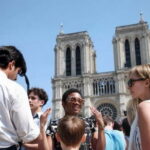
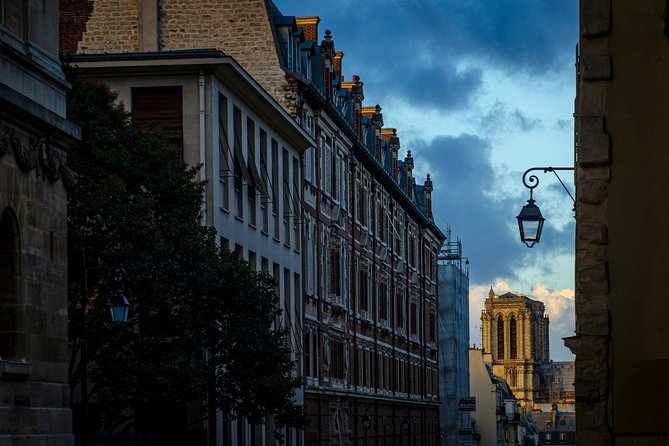
I also like that the workshop is built for real Paris walking. You’ll photograph streets, river-adjacent scenery, and major center sights like Notre Dame when the light works. That means you’re learning how to find picture-worthy angles on foot, not just how to frame from a bus window.
You can also read our reviews of more photography tours in Paris
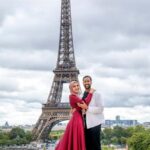

Day-to-Night Shooting: What Changes and Why It Matters
Paris is a light show. This workshop treats that as part of your lesson, not just scenery.
During the day, you’ll practice how to handle brightness and contrast—especially along streets where sun hits stone and shadows cut into doorways and alley corners. At night, the game changes. You’re dealing with darker scenes, brighter highlights from street lighting, and tricky reflections that can make a frame either magical or messy.
The workshop’s timing is flexible. It offers multiple departure times, including options that go later into the evening. One day/night run described in feedback ran from about 5pm until midnight, which gives you a long runway to compare how your settings behave as the city shifts from daylight to night glow.
If you want a shortcut to better photos, this is it: learn the same basic composition skills, then see how they hold up when the light drops.
Where You’ll Walk: Five Paris Neighborhoods, Five Kinds of Photos
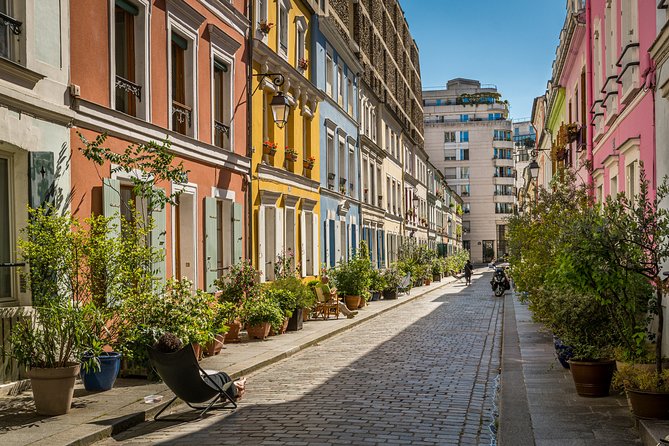
This workshop spreads your photo practice across several distinct areas. You’ll spend time in each zone long enough to try different angles and lighting approaches instead of rushing past them.
Even better, you’re not limited to postcard views. The route includes both well-known spots and places that feel more local, which helps you build a personal style instead of just chasing the most obvious shot.
Bastille: Hidden Courtyards and an Offbeat View of Paris
The workshop begins in the 12th arrondissement area behind Place de la Bastille, near Faubourg Saint-Antoine. This is a good start if you want pictures with texture—courtyards, older building details, and streets that feel less staged.
You’ll also get a perspective shift from an old railway line transformed into a park. That kind of vantage point is useful because it teaches you to break out of flat street-level framing. You’re basically training your eye to look for elevation and layered depth.
If you like photographing everyday Paris architecture, this stop delivers. The area around L’Arsenal and Marché d’Aligre gives you enough variety for multiple attempts: wide angles for atmosphere, and tighter compositions for windows, doors, and street rhythm.
Montmartre (Butte-Montmartre): Cobblestones, Staircases, and Sacré Cœur Energy
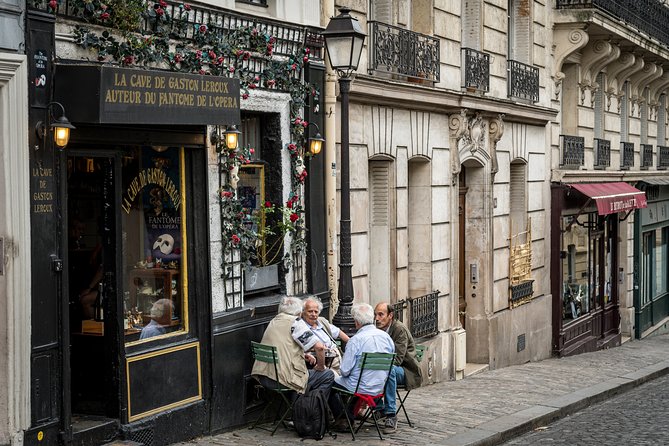
Then you head toward Butte-Montmartre, where winding alleys and cobbled streets practically beg to be photographed. You’ll be near Sacré Cœur, but the point here isn’t only the famous view.
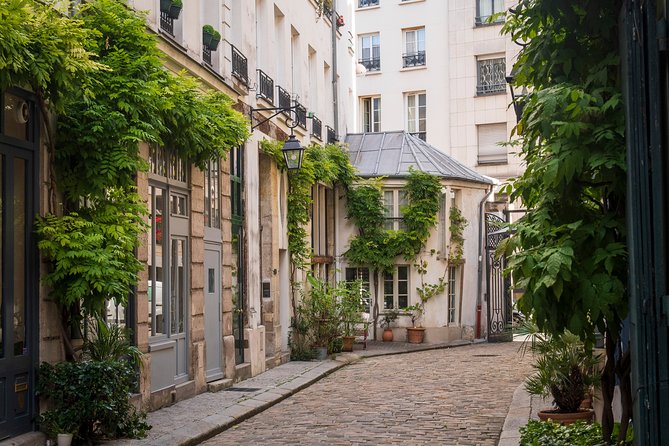
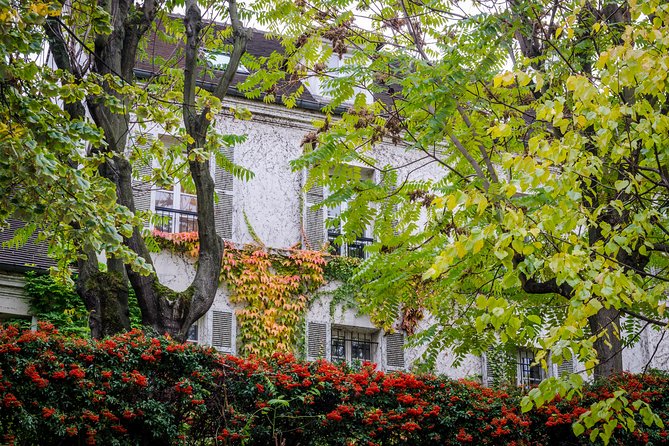
What makes Montmartre such a great photo classroom is its texture: wooden shutters, older houses tucked into small lanes, and quiet details you only notice when you slow down. You’ll climb a peaceful staircase and stop often enough to focus on specific framing ideas.
The neighborhood also includes surprises—like quiet garden corners and unusual spots such as a cemetery area hidden under a bridge. For photographers, that’s gold because it lets you practice composition styles beyond the obvious landmark angle.
One drawback: Montmartre can mean crowds depending on timing. In a small group with a pro guide, you can still find workable moments, but you’ll want to be ready to move quickly from one angle to the next.
You can also read our reviews of more tours and experiences in Paris





Canal Saint-Martin: Footbridges, Trees, and Long-Lens Possibilities
Next up is Canal Saint-Martin, from the Place de la République direction toward Buttes-Chaumont, with a route through the hills of Belleville. This is where the workshop shifts toward softer, more reflective images.
The canal itself gives you a natural line to work with. Rows of trees along the water help with leading lines. And the footbridges give you repeatable compositions you can test from different heights and angles.
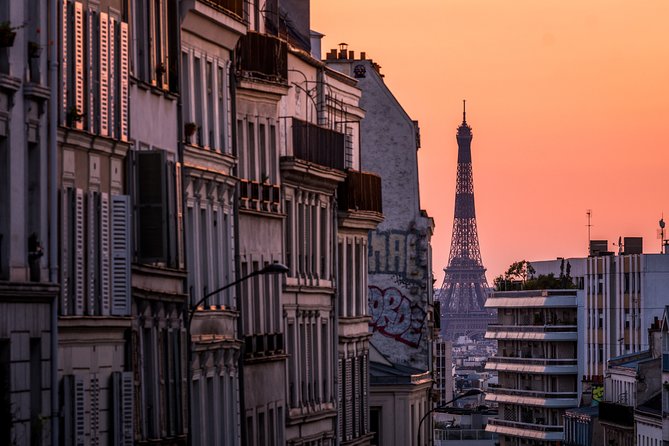
If you like compressing distance, this stop is particularly helpful. With a long lens, you may be able to frame views that connect areas—such as capturing Montmartre and even the Eiffel Tower from the Quartier Haut side of things. That’s the kind of practical trick you can use later without needing a fancy setup.
Quartier Latin: Luxembourg Crowds and Alley-Way Details
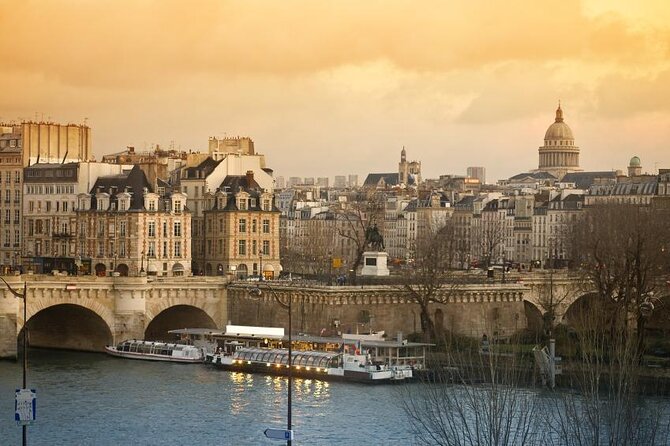
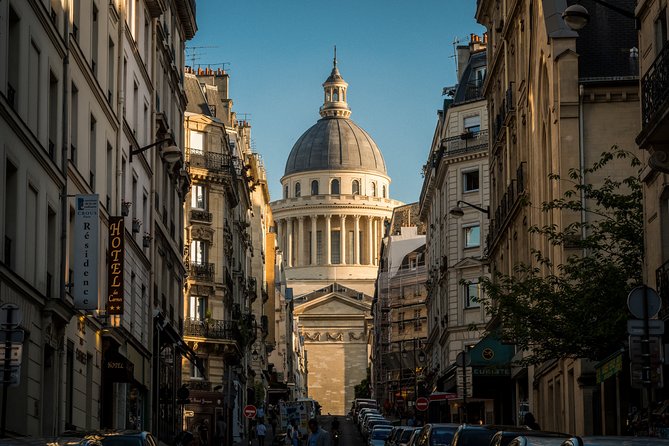
In the heart of Paris, the Latin Quarter mixes open spaces with hidden lanes. You’ll pass areas around the Jardin du Luxembourg, and you can also frame the Pantheon view when you hit the right angle.
The learning value here is the contrast: you’ll be able to shoot crowded scene energy (useful for learning how to control your focus and exposure) and then shift into small alleys where details take over.
You can also photograph layers of Paris through proximity. For example, Arènes de Lutèce sits close to modern architecture like the Institut du Monde Arabe. That lets you practice how to include context without making the frame cluttered.
Olympiades: Brutalist Architecture and Chinatown-Style Color
Finally, you reach Olympiades around the Italy XIII housing project, which began in the 1960s to regenerate urban development in Paris. This stop is where your photos can swing into more graphic, geometric shapes.
The architecture here is known for brutalist design, and that means strong lines, flat surfaces, and bold contrasts that are easier to compose when you practice at ground level. The area also connects with a thriving Chinatown vibe, which adds color and street-life energy.
If your goal is to build a portfolio that feels like Paris beyond the Eiffel Tower, this is a smart capstone stop. It shows you that Paris photography isn’t only about the big icons—it’s also about how neighborhoods are built.
Technique Focus: The Real Reason Beginners Improve Fast
The workshop’s goal is simple: help you take your camera off autopilot and start making creative choices.
Feedback on instructors like Clara highlights her patience with beginners and a strong push to get people using manual settings. That’s exactly what you want at the start: learning how aperture, shutter speed, and ISO affect your images so your photos don’t depend on luck.
Another instructor, Julia, is praised for being encouraging and kind while guiding you through unique ways to capture scenes in places like the Latin Quarter. That matters because a lot of beginner frustration comes from feeling lost. When the teacher breaks down choices and gives you prompts you can act on, your confidence grows quickly.
And for day/night pacing, William has been noted for showing up on time and being fully prepared. In one day/night-style session, he even suggested stopping for deli sandwiches so the group could keep moving until late. That’s practical leadership. It means you don’t burn out halfway and lose the best night light.
What’s Included (and What You Must Bring)
Included:
- Private workshop
- Professional photographer teacher
- Local guide
Not included:
- Camera
That last line is important. If you’re bringing a phone, you’ll still have a great time, but the workshop is built around camera technique. If your camera supports manual modes, plan to use them. If it doesn’t, you might still learn framing and timing, but the manual settings lesson won’t fit perfectly.
Also, because you’re walking, bring accessories that make shooting easier. Extra batteries and a way to keep your camera protected will pay off, especially if you’re aiming for night shots.
Weather, Timing, and Staying Comfortable While You Shoot
The workshop runs in all weather conditions. That doesn’t mean you’ll be out in heavy storms for fun. It means the plan accounts for rain and changing light, so you should dress appropriately.
For your shooting results, weather is also part of the lesson. Light behaves differently on cloudy skies, and reflections become more noticeable with damp pavement. Your teacher will likely guide you toward settings and angles that work with what Paris is giving you that day.
Since the route covers several neighborhoods, plan for steady movement. Wear shoes you can handle on cobblestones and stairs. You’ll do better technically if you’re not distracted by sore feet.
Price and Value: What You’re Really Paying For
At $172 for the workshop, you’re paying for three things: coaching, small-group attention, and a route that’s planned for photo results.
In big-group city tours, you mostly get transportation plus basic sightseeing context. Here, the value is that the professional photographer teacher can respond to what your camera is doing in real time—then point you to the next best angle.
The private, max-four setup also matters. Four people means less wasted time and more targeted instruction. If you’re serious about improving quickly, this format is often better value than buying a generic “photo walk” ticket where nobody checks your settings.
If you’re mostly looking for a casual stroll with a few photo stops, you might not feel the full value. But if you want to learn, $172 is a reasonable price for structured coaching in multiple neighborhoods over a single session.
Who Should Book This Workshop
This workshop is a strong fit if you:
- Want to move beyond automatic mode and build real control
- Prefer learning while walking through real Paris streets
- Like photography styles that include architecture, streets, and changing light
- Travel with a friend or partner (small group keeps it personal)
It’s also a good choice if you’re a returning photographer who needs fresh subject matter. Paris gives you endless scenes, but you still benefit from someone showing you how to see them.
Should You Book This Paris Photography Workshop?
Yes, if you want structured instruction and you like the idea of improving while walking through classic neighborhoods and quieter streets.
Book it if:
- You have a camera and want hands-on help choosing angles and light tactics
- You want a small group where questions don’t get swallowed
- You’re aiming to shoot both daytime and nighttime scenes
Skip it only if:
- You don’t have a camera to use
- You’re looking for pure sightseeing with minimal teaching
If you show up ready to shoot and follow the teacher’s prompts, you’ll leave with more than photos. You’ll leave with habits you can use the next time you’re in a new city.
FAQ
Is this workshop private?
Yes. It’s a private tour/activity with a maximum of four people per booking.
Do I need to bring a camera?
Yes. A camera is not included, so you’ll want to bring your own.
How long is the workshop?
It’s listed at about three hours, but the experience also offers day/night options with longer evening shooting times depending on the departure.
What parts of Paris will we photograph?
You’ll work through several areas including the Bastille area, Montmartre (Butte-Montmartre), Canal Saint-Martin, the Latin Quarter, and the Olympiades area.
Is the workshop offered in the evening as well as daytime?
Yes. The experience is described as a daytime and nighttime photography walking tour and offers multiple departure times.
What’s included in the price?
The workshop includes a professional photographer teacher, a local guide, and the private workshop format.
Does it run in bad weather?
Yes, it operates in all weather conditions, so you should dress appropriately.
What if I need to cancel?
You can cancel for a full refund if you do it at least 24 hours before the experience starts.