REVIEW · PARIS
Paris Picasso Museum 2-Hour Private Small-Group Tour
Book on GetYourGuide →Operated by Paris in person private tours · Bookable on GetYourGuide
Picasso becomes readable fast with a guide. In just 2 hours, this private, small-group tour gets you into the Picasso Museum at Hôtel Salé quickly and walks you through Picasso’s career with clear, human context. I really like the skip-the-line setup, and I also like that the guide keeps the art focused on what changed, why it changed, and who influenced the changes. The main drawback is simple: 2 hours goes by fast, so if you want to linger in front of many works on your own, you’ll need extra museum time after.
This museum is in the ornate 17th-century Hôtel Salé, so you’re not just seeing Picasso’s paintings and sculptures inside a box. You’re watching how the setting frames the story, from Picasso’s early work to his later ideas. I love that the tour is built around specific highlights like Bull’s Head and The Barefoot Girl, rather than a generic sweep of rooms.
One more consideration: at $265 per person for a private experience, it’s best when you split the value by bringing someone who will really engage with art history. If you’re only casually curious, you may feel rushed given the short duration.
In This Review
- Key points I’d plan around
- Picasso Museum at Hôtel Salé: why the setting changes the art
- Skip-the-line entry: the practical reason this tour feels “worth it”
- The 2-hour guided flow: what you’ll see and how it connects
- You’ll start by building the big picture
- Then you move through turning points, not random stops
- Bull’s Head and The Barefoot Girl: the masterpieces that anchor the tour
- Bull’s Head: Less is More, explained in objects
- The Barefoot Girl: early work that shows a different Picasso
- Still Life with Oranges and the Matisse connection
- Picasso’s relationships: Matisse, Dalí, Rousseau, and why it matters
- Picasso’s Paris beyond the walls: Arc de Triomphe and the drinking dens
- Guide quality makes or breaks a short tour (and this one gets it)
- Price and value: is $265 per person a good deal?
- Who should book this private Picasso tour
- How to get the most out of your 2 hours
- Should you book it?
- FAQ
- Where does the tour meet?
- Is skip-the-line entry included?
- How long is the tour?
- Is this a private tour?
- What languages are available?
- Is the tour wheelchair accessible?
Key points I’d plan around
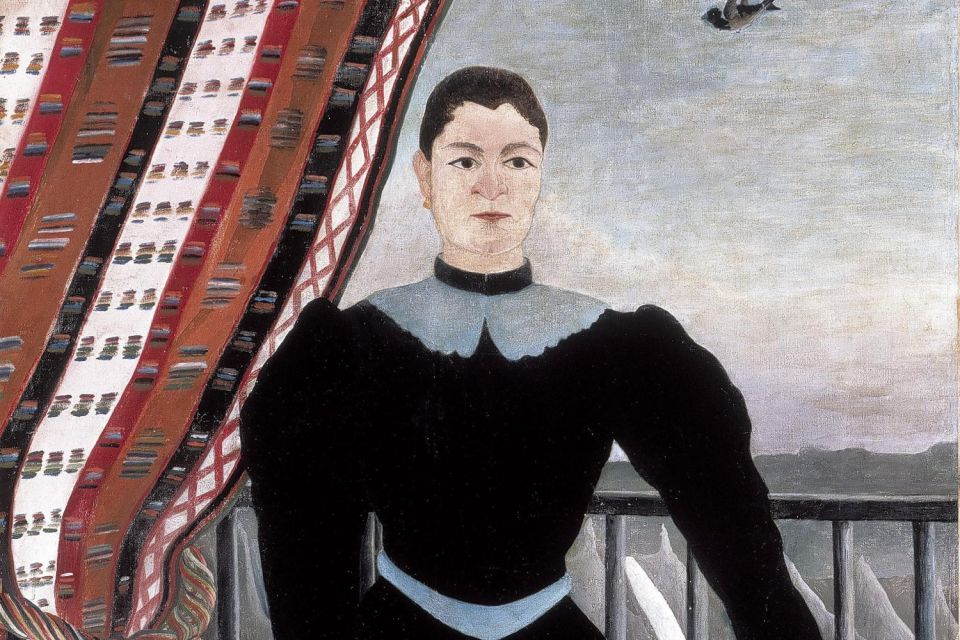
- Fast-track entry through a separate entrance helps you beat the worst waiting time at a very popular museum.
- A true private guided tour keeps the pacing tight and the explanations tailored to your group.
- Big-name works included like Bull’s Head, The Barefoot Girl, and key connections to Matisse.
- Picasso’s circle is part of the story, with links to Matisse, Dalí, and Rousseau and what those relationships meant.
- Picasso’s Paris gets mapped in real life, including his favorite drinking dens and a look at the Arc de Triomphe.
- Tour languages are flexible (English, French, Croatian, Serbian), and the experience is wheelchair accessible.
Picasso Museum at Hôtel Salé: why the setting changes the art
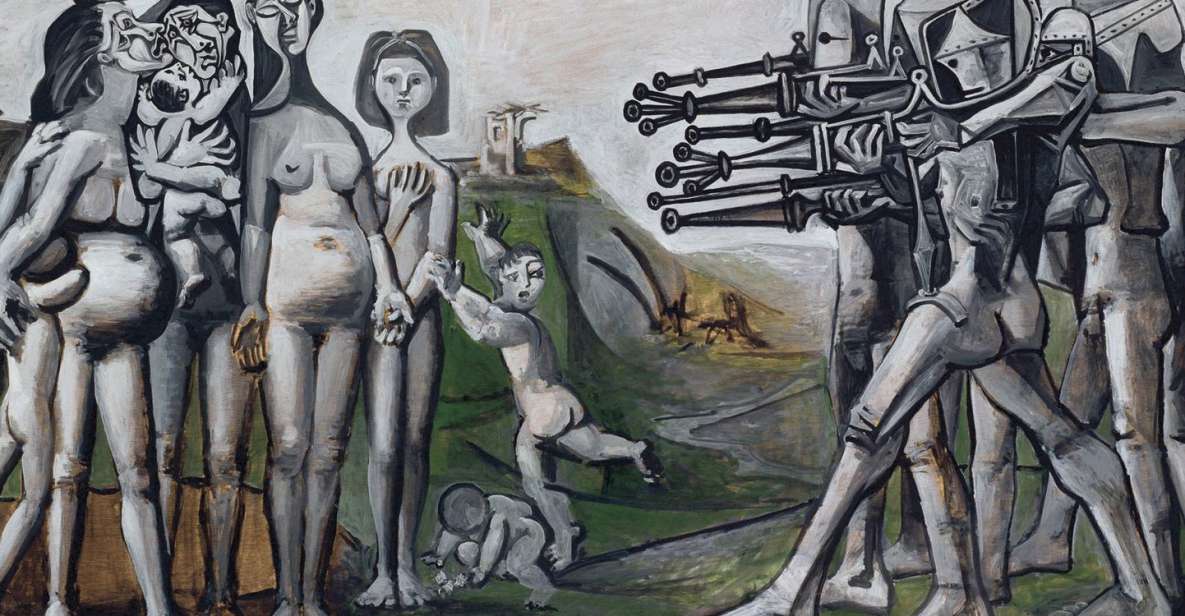
The Picasso Museum isn’t just where Picasso’s work hangs. It’s inside the Hôtel Salé, a grand 17th-century building. That matters because it shifts the whole feel of the visit. You’re in a proper Parisian mansion, with rooms that make the art feel framed by more than wall labels. The guide uses that environment to help you see Picasso as a living force in Paris, not an isolated figure behind glass.
This tour also stays inside the museum long enough to cover Picasso’s major stages. You’re not just hunting for masterpieces. The pacing is designed around the idea that Picasso kept reinventing how art could work—technically, visually, and even ideologically. That’s a lot to hold in your head, which is why the guided format matters.
If you’re the type who gets lost in museums, this format is a relief. The guide gives you an ordered path and keeps reminding you what to notice, so the collection stops feeling like a pile of unrelated works.
You can also read our reviews of more private tours in Paris



Skip-the-line entry: the practical reason this tour feels “worth it”
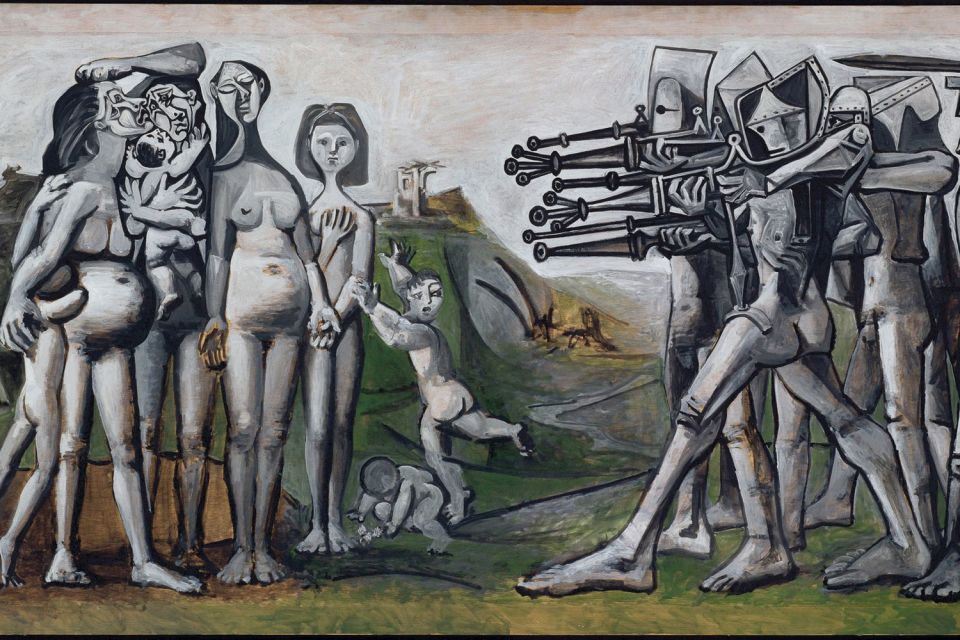
Paris museums are popular, and the Picasso Museum can get crowded. The biggest practical win here is skip-the-line entry via a separate entrance. In other words, you spend less time standing around and more time learning what you came for.
For a 2-hour tour, waiting would eat your value. With fast entry, you can reach the first key rooms sooner, and the guide can actually get through the career arc instead of playing catch-up.
I also like that the plan is private and small-group, so the guide isn’t juggling a crowd’s worth of logistics. That usually means fewer delays and less energy wasted on “everybody stop now” moments. The guide is carrying a red canvas tote bag, so you can find them quickly at the meeting point: in front of the museum at 5 Rue de Thorigny, 75003 Paris.
The 2-hour guided flow: what you’ll see and how it connects
Even though the tour is short, it’s structured like a guided story. You’ll spend time moving through the museum in stages of Picasso’s career, with an emphasis on how his work changed and what drove the changes.
Here’s the core idea you should expect from the tour: the guide doesn’t only point out what’s in each room. They connect it to what Picasso was trying to do at that moment—his experiments, his ideological engagement, and his relationships with other major artists.
In a museum like this, it’s easy to miss the “why.” The guided flow is designed to keep the “why” front and center.
You’ll start by building the big picture
Early in the tour, you’ll get context that helps you read Picasso’s evolution without needing a crash course before arrival. That means you’ll know what kinds of shifts to look for—new techniques, new styles, and changes in subject and meaning.
This is also where the guide’s explanations can make the museum feel less overwhelming. Instead of thinking, I should remember all this, you start thinking, I can track how Picasso kept reinventing himself.
Then you move through turning points, not random stops
The tour highlights major works and key influences. That includes Picasso’s formal experimentation—how he used shape, materials, and composition to rework what art could be.
The guide also talks about how Picasso engaged with ideas of his time and how he interacted with other influential artists such as Matisse, Dalí, and Rousseau. You’ll understand these names as more than trivia, because the guide connects them to artistic tensions and cross-influences that shaped Picasso’s choices.
You can also read our reviews of more museum experiences in Paris

Bull’s Head and The Barefoot Girl: the masterpieces that anchor the tour
If you only remember a few images from the Picasso Museum, this tour is built to make those images the ones you can explain afterward.
Bull’s Head: Less is More, explained in objects
Bull’s Head is highlighted as a testament to Picasso’s approach often summarized as Less is More—a way of saying that Picasso could create presence and meaning with pared-down forms. When a guide points out how that works, you stop seeing it as just an odd sculpture and start seeing it as a method.
The value here is clarity. A guided explanation turns the piece into a lesson about Picasso’s thinking: he wasn’t just making art; he was testing how few elements could still communicate a powerful image.
The Barefoot Girl: early work that shows a different Picasso
You’ll also see one of Picasso’s earliest paintings, The Barefoot Girl. This is a big deal because the early phase helps you understand that Picasso’s later reinventions didn’t come from nowhere. They were built on learning, practice, and a willingness to change direction.
When a guide connects early work to later developments, the museum becomes a timeline instead of a showroom.
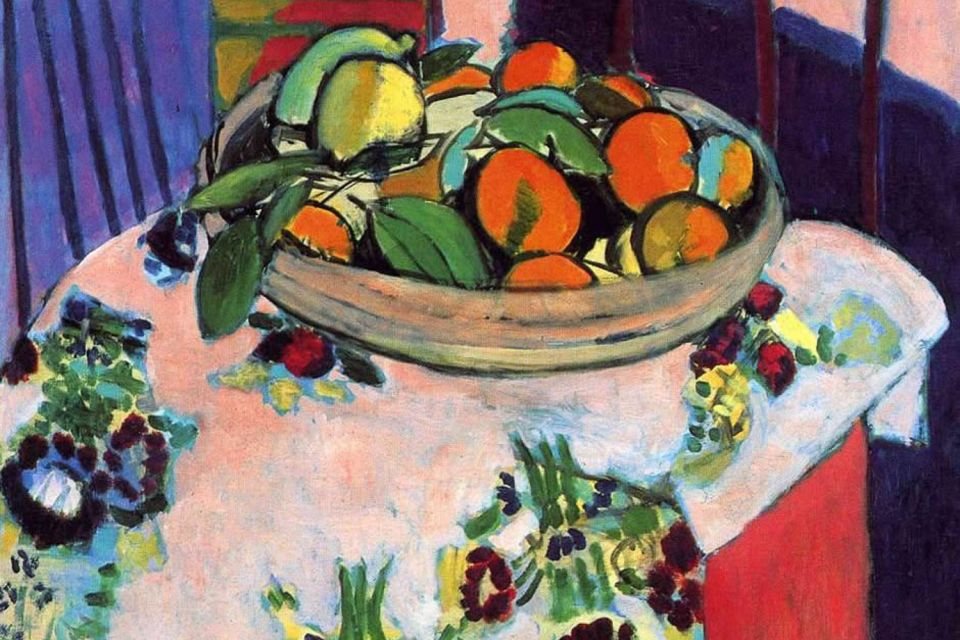
Still Life with Oranges and the Matisse connection
A key highlight includes Still Life with Oranges, tied into Matisse as Picasso’s greatest influence and rival. This isn’t just name-dropping. The guide uses Matisse as a way to show how Picasso learned from the work around him—and how creative competition sharpened the results.
If you’ve ever wondered why Picasso’s style sometimes feels like it’s in conversation with other artists, this stop is where that question gets answered.
Picasso’s relationships: Matisse, Dalí, Rousseau, and why it matters
One of the best parts of this tour is how it treats famous names as part of a lived network. The guide discusses Picasso’s complex relationship with Matisse, Dalí, and Rousseau, and that helps you stop viewing Picasso as a lonely genius.
Instead, you see how artistic exchange and disagreement pushed Picasso forward. Picasso didn’t develop in a vacuum. He reacted, compared, borrowed, challenged, and reshaped ideas that other artists were already testing.
That kind of framing is especially useful in a museum that contains many works across years. Without context, you might feel like you’re flipping through styles. With context, you start recognizing patterns—how ideas reappear in new forms and how Picasso’s choices reflect the artistic “debate” happening in his world.
Picasso’s Paris beyond the walls: Arc de Triomphe and the drinking dens
Picasso’s story isn’t only canvas and paper. This experience also brings you outward—at least conceptually—by tying Picasso to Paris in real places.
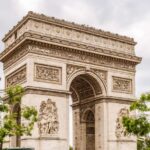
The tour includes a look at the Arc de Triomphe, described as a monolithic monument to Napoleon. Even if your time is limited, the guide’s job here is to link a city landmark to the broader vibe of the era. You get a reminder that Picasso’s work emerged from a living metropolis with its own symbols, power, and public space.
You’ll also hear about Picasso’s favorite drinking dens. You might find this part especially fun if you like the human side of art—where ideas get argued, where artists gather, and where friendships and rivalries can spill from cafés into the work itself.
Even without you doing a full neighborhood tour, the “haunts” angle helps you picture Picasso as a person moving through Paris, not just a name attached to masterpieces.
Guide quality makes or breaks a short tour (and this one gets it)
A 2-hour private museum tour lives or dies by the guide. The descriptions you’re given are meant to keep you engaged, explain meaning clearly, and make the art feel like it connects to real choices Picasso made.
It’s also a good sign that guides have been specifically praised for how they bring Picasso to life. Names that come up include Svetlana, noted for knowing Picasso and making individual pieces feel meaningful, and Boris, praised for being prompt, very knowledgeable, and easy to understand. One standout detail: Boris was mentioned as being engaging even for two teenage sons, which is rare and useful if you’re traveling with younger people who don’t always love museums.
So if you care about understanding rather than just admiring, this tour’s guide-first approach is a major plus.
Price and value: is $265 per person a good deal?
At $265 per person for a 2-hour private small-group tour, this isn’t a “cheap and cheerful” museum add-on. You’re paying for three things:
- Time saved with skip-the-line entry
- Private, guided interpretation instead of silent wandering
- A tightly structured focus on specific masterpieces and relationships
For value, ask yourself one question: do you want to understand Picasso while you’re looking at him, or would you rather wander and read at your own pace?
If you want understanding, a short guided tour can actually be efficient. You’re buying clarity rather than hours of independent work.
This is especially good value if you’re traveling as a small group where at least two people will participate actively. If it’s just you and you prefer to soak up a museum slowly, you may feel the price for a short visit.
Who should book this private Picasso tour
This tour fits best if you want any of the following:
- You like Picasso but need a guide to organize the chaos
- You want a focused hit list—Bull’s Head, The Barefoot Girl, and key links to Matisse
- You’re traveling with a small group and want a private experience
- You care about context—relationships with Matisse, Dalí, Rousseau, and Picasso’s wider Paris
- You want the museum experience without the frustration of waiting in line
It may be less ideal if you’re primarily there for quiet, long looking and you dislike structured tours. The time is short by design.
How to get the most out of your 2 hours
You’ll get the best experience if you come ready to look, not just to collect facts.
- Think in themes: experimentation, relationships, and meaning.
- Have one or two works you specifically want to see. This tour already includes major ones, so you can use your time to ask questions about those.
- Wear comfortable shoes. Museum time is still a lot of walking, even when the visit is short.
- If you’re bringing teens or a non-arts person, this is where the guide’s “make it come alive” style can pay off, since the tour is built to explain meaning, not just describe.
Should you book it?
Yes, if you want fast, guided clarity on Picasso and you value skip-the-line entry. For $265 per person, the pricing makes sense when you treat this as an interpretation tour, not a casual museum visit. The combination of Hôtel Salé setting, a career-focused walkthrough, and the included spotlight works (Bull’s Head, The Barefoot Girl, and the Matisse connection) is exactly what makes a short private tour feel satisfying instead of rushed.
If you prefer slow browsing and deep self-guided reading, you might prefer extra unguided museum time afterward, since this experience is designed to cover a lot in two hours.
FAQ
Where does the tour meet?
It meets in front of the Picasso Museum at 5 Rue de Thorigny, 75003 Paris. The guide will be carrying a red canvas tote bag.
Is skip-the-line entry included?
Yes. You get skip-the-line entry through a separate entrance, and museum admission is included.
How long is the tour?
The tour lasts 2 hours.
Is this a private tour?
Yes. It’s described as a private group tour.
What languages are available?
Live tour guide languages include English, French, Croatian, and Serbian.
Is the tour wheelchair accessible?
Yes, the experience is listed as wheelchair accessible.